
Pan-Genomics Research and Development
Introduction
Pan-genomics is a comprehensive approach in genetic research that seeks to explore the complete set of genes within a population or species. Unlike traditional genomic studies that rely on a single reference genome, pan-genomics encompasses the entire spectrum of genetic variation by comparing multiple genomes. This methodology provides deeper insights into genetic diversity, evolutionary relationships, and functional genomics, thereby enhancing our understanding of biological complexity and adaptation.
Key Aspects of Pan-Genomics
Genetic Diversity
Pan-genomics examines the non-redundant pool of genetic material within a population, including both conserved core sequences present in all individuals and variable accessory sequences found in some. This comprehensive analysis allows researchers to identify genetic variations such as single nucleotide polymorphisms (SNPs), insertions, deletions, and structural variants (SVs), which contribute to phenotypic diversity and adaptation.
Genome Sequencing and Assembly
Advancements in high-throughput sequencing technologies have been pivotal in generating the extensive datasets required for pan-genome construction. Accurate genome assembly, especially in complex and repetitive regions, is essential for capturing the full genetic diversity of a species. Advanced bioinformatics tools and algorithms are employed to assemble individual genomes into a unified pan-genome framework, facilitating the identification of core and accessory genes.
Pan-Genome Construction and Analysis
The construction of a pan-genome involves compiling and comparing multiple genomes to form a comprehensive representation of a species' genetic makeup. Bioinformatic approaches are used to analyze gene presence/absence patterns, characterize structural variations, and identify novel genomic sequences not present in the reference genome. Graph-based pan-genomes, which incorporate structural variants, have emerged as an advanced method to enhance genotyping capabilities and provide a more accurate depiction of genetic diversity.
Functional Annotation and Interpretation
Once a pan-genome is assembled, functional annotation is critical for understanding the biological roles of genes and genetic variations. This process involves predicting gene functions, identifying regulatory elements, and assessing the impact of genetic variations on gene expression and protein function. Functional annotation aids in elucidating the mechanisms underlying phenotypic traits and adaptations within a population or species.
Applications of Pan-Genomics
Agriculture
In agriculture, pan-genomics is instrumental in improving crop varieties by identifying genes associated with desirable traits such as disease resistance, yield enhancement, and stress tolerance. By analyzing the genetic diversity within crop species and their wild relatives, researchers can uncover genes that were lost during domestication and breeding, thereby informing breeding strategies and genomic selection processes.
Medicine
Pan-genomics plays a significant role in personalized medicine by identifying genetic variations linked to diseases. This information can be used to develop personalized treatment plans, improve diagnostic tools, and identify potential drug targets. Understanding the genetic diversity of pathogens through pan-genomic analysis also aids in the development of effective vaccines and treatments.
Infectious Disease Research
In the realm of infectious diseases, pan-genomics allows for a comprehensive understanding of the genetic diversity of pathogens. This knowledge is crucial for developing better diagnostics, vaccines, and therapeutics. By studying the pan-genome of pathogens, researchers can identify common genetic signatures across different strains, facilitating the creation of broad-spectrum vaccines and treatments.
Microbial Ecology
Pan-genomics is essential for studying the genetic diversity within microbial communities, which in turn helps in understanding their functional roles in various ecosystems. This application is vital for deciphering the interactions between microbes and their environment, as well as their contributions to ecological processes.
Evolutionary Biology
Through pan-genomic analysis, evolutionary biologists can explore the processes that drive genetic diversity and adaptation. This includes studying the evolutionary relationships between different species, understanding the mechanisms of gene gain and loss, and analyzing the impact of genetic variations on evolutionary trajectories.
Personalized Medicine
Pan-genomics facilitates the development of personalized medicine by providing detailed insights into individual genetic variations. This enables the customization of medical treatments based on a patient's unique genetic makeup, improving the efficacy and reducing the side effects of therapies.
Technological Advancements
Next-Generation Sequencing
The advent of next-generation sequencing (NGS) technologies has revolutionized pan-genomics by enabling the rapid and cost-effective sequencing of multiple genomes. NGS has significantly increased the depth and breadth of genomic data, facilitating the construction of more comprehensive pan-genomes and enhancing our understanding of genetic diversity.
Graph-Based Pan-Genomes
Graph-based pan-genomes are an advanced approach that integrates structural variants into the pan-genomic framework. This method provides a more accurate representation of genetic diversity by accounting for variations that are often missed by linear reference genomes. Graph-based models enhance genotyping capabilities and offer a robust tool for analyzing complex genetic data.
Bioinformatics Tools and Algorithms
Innovative bioinformatics tools and algorithms are essential for the effective construction and analysis of pan-genomes. These tools facilitate the identification of core and accessory genes, the detection of structural variants, and the analysis of gene presence/absence patterns. Continuous advancements in computational methods are driving the efficiency and accuracy of pan-genomic studies.
Methodological Considerations
Computational Procedures
The methodologies used in pan-genome construction can significantly influence the results. Different computational procedures and algorithms may yield varying gene pools and gene presence-absence detections. Therefore, it is crucial to utilize robust and standardized computational methods to ensure the reliability and reproducibility of pan-genomic analyses.
Data Impact
The quality and type of input data can greatly affect the outcomes of pan-genomic studies. High-quality genome assemblies and comprehensive sequencing data are necessary to capture the full extent of genetic diversity. Additionally, the inclusion of diverse strains and populations ensures a more accurate representation of the pan-genome.
Technical Challenges
Large-Scale Data Management
Managing the vast amounts of data generated by pan-genomic studies is a significant challenge. Efficient data storage, retrieval, and processing systems are essential to handle the large-scale datasets required for comprehensive pan-genome construction and analysis.
Computational Requirements
Pan-genomic analyses demand substantial computational resources due to the complexity and size of the data involved. High-performance computing infrastructures are often necessary to perform the intricate computations required for genome assembly, alignment, and variant analysis.
Standardized Analytical Methods
Developing standardized analytical methods is crucial for ensuring consistency and comparability across different pan-genomic studies. The lack of standardized protocols can lead to variability in results, making it difficult to draw reliable conclusions from pan-genomic data.
Notable Resources and Tools
Pan-Genome Graphs
Pan-genome graphs are a powerful tool for representing the genetic diversity within a species. They allow for the integration of structural variants and provide a comprehensive framework for analyzing complex genetic data.
Comparative Genomic Platforms
Comparative genomic platforms facilitate the comparison of multiple genomes, enabling the identification of core and accessory genes, as well as structural variations. These platforms are essential for constructing and analyzing pan-genomes.
Specialized Bioinformatics Software
Various specialized bioinformatics software tools are available for pan-genomic studies. These tools assist in genome assembly, variant detection, pan-genome construction, and functional annotation, thereby streamlining the pan-genomic analysis process.
Emerging Research Areas
Human Pan-Genomics
Human pan-genomics is an emerging field focused on understanding the full spectrum of human genetic variation. This research area aims to uncover rare and population-specific genetic variations that could have significant implications for personalized medicine and disease research.
Crop and Livestock Pan-Genomics
In agriculture, pan-genomic studies of crops and livestock aim to identify genetic variations that contribute to desirable traits such as yield, disease resistance, and environmental adaptability. This knowledge is crucial for breeding programs and genomic selection strategies.
Microbial Pan-Genomics
Microbial pan-genomics focuses on the genetic diversity within microbial populations. This research area is vital for understanding the roles of microbes in various ecosystems, their interactions with hosts, and their contributions to ecosystem functions.
Impact and Future Directions
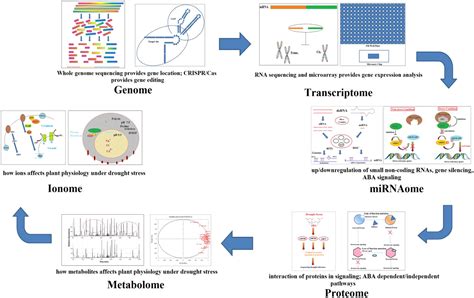
Pan-genomics represents a significant advancement in our ability to understand and utilize genetic diversity. By providing a comprehensive view of the genetic landscape within populations and species, pan-genomics facilitates breakthroughs in various fields, including agriculture, medicine, and evolutionary biology. Future research is expected to focus on enhancing computational methods, expanding the scope of pan-genomic studies to include more diverse species, and integrating pan-genomic data with other omics data to gain deeper biological insights.
For more detailed information and ongoing developments in pan-genomics, the following reputable sources can be consulted:
Pan-genomics continues to revolutionize our understanding of genetic diversity and complexity, offering powerful tools for addressing some of the most pressing challenges in biology, agriculture, and medicine.
Last updated January 3, 2025