
Chapter Two: Residential Buildings in New Communities
Exploring Regenerative Design for Net Positive Energy Homes
Key Takeaways
- Holistic Integration: Residential buildings are integral to new communities, requiring innovative planning that harmonizes environmental, social, and economic aspects.
- Regenerative Design Principles: Emphasize strategies that go beyond sustainability, incorporating net positive energy, renewable systems, and ecological restoration.
- Design Methodologies: Utilize integrated design tools, collaborative approaches, and systems-thinking to achieve buildings that give back more to the environment than they take.
Overview and Context
Chapter Two of your master thesis, entitled “Residential Buildings in New Communities: Concepts and Design Principles,” lays the intellectual groundwork of your research by exploring the interplay between regenerative design and net positive energy approaches in residential buildings. This chapter establishes the theoretical framework, outlines the fundamental design principles, and examines the integration of these ideas into new residential communities. The primary goal is to shift the focus from merely reducing environmental harm to actively contributing to the ecological, social, and economic vitality of the community.
Introduction to Regenerative Design in Residential Buildings
In the contemporary built environment, sustainability has evolved into a more ambitious target: regenerative design. While sustainable design historically aimed at reducing harm by focusing on energy efficiency and lower emissions, regenerative design seeks to restore and enhance natural systems. This paradigm shift redefines buildings as active agents in ecological recovery. Residential buildings, especially in the context of new communities, are uniquely positioned to embody regenerative principles by adopting strategies that promote net positive energy—meaning the buildings generate more energy than they consume.
Defining Regenerative Design
Regenerative design refers to a holistic approach where built environments contribute positively to their surrounding ecosystems. It emphasizes:
- Whole-systems thinking, which examines the interactions among energy, water, materials, and the local environment.
- Resource replenishment through renewable energy generation and efficient material use.
- An aim to create buildings that not only minimize harm but deliver net positive impacts on ecological and social networks.
The Importance of Net Positive Energy
Net positive energy in residential buildings is achieved when on-site energy production, from renewable sources such as solar, wind, or geothermal, exceeds the building's total energy consumption. This principle forms a critical component of regenerative design, ensuring that the built environment contributes to reducing the overall carbon footprint. It also serves as a catalyst for integrated systems that optimize energy use through passive design strategies and smart energy management technologies.
Concepts of Residential Buildings in New Communities
New communities offer an unparalleled opportunity to integrate regenerative design from the ground up. Unlike retrofitting existing structures, the design of new residential areas can incorporate comprehensive planning that addresses the interconnectedness of buildings, landscapes, and ecosystems.
Defining New Communities
New residential communities are planned developments that prioritize not only efficient land use and energy management but also the creation of vibrant, interconnected neighborhoods. They are characterized by:
- Innovative urban planning that supports social inclusion and economic opportunity.
- A focus on pedestrian-friendly environments and reduced reliance on automobility.
- Integration of mixed-use facilities which encourage community engagement.
Holistic Community Planning
In regenerative design, community planning extends beyond the individual building scale. Each structure should be considered an integral component within an ecosystem that includes green spaces, water systems, and local infrastructure. Strategically planned communities:
- Foster connectivity between residential areas, public amenities, and commercial hubs.
- Enhance social interaction and community resilience.
- Encourage shared use of resources, promoting circular economic practices.
Design Principles for Regenerative Residential Buildings
The core design principles of regenerative residential buildings are multifaceted, addressing energy efficiency, environmental integration, material life cycles, and social dimensions. Below are the key principles that should be emphasized in your chapter:
Energy Efficiency and Renewable Integration
Achieving net positive energy is a cornerstone of regenerative residential design. Energy efficiency involves a combination of passive and active strategies:
- Passive Design Elements: Use solar orientation, natural ventilation, and daylighting to reduce energy demand.
- Renewable Energy Systems: Incorporate onsite renewable energy generation, such as photovoltaic panels, small-scale wind turbines, or geothermal systems, to ensure that energy production exceeds consumption.
- High-Performance Building Envelope: Invest in advanced insulation, smart glazing, and thermal mass to regulate indoor climates naturally.
Integrated Building Systems and Smart Technologies
For optimal performance, building systems must work in unison:
- Smart Energy Management: Implement advanced monitoring systems to track energy consumption and production in real time, enabling dynamic adjustments.
- Modular and Prefabricated Construction: These methods allow for efficient construction, reduce waste, and facilitate scalability across multiple residential units.
- System Integration: Ensure that HVAC, lighting, water management, and renewable energy systems are designed as an interconnected, adaptive network.
Material Selection and Circular Economy
A shift from traditional linear construction to circular economic strategies is vital:
- Durable and Low-Impact Materials: Select building materials that have a low embodied carbon and are designed for longevity, reuse, or recycling.
- Circular Design Principles: Incorporate practices that prioritize material reclamation, refurbishment, and recycling, drawing on methodologies seen in both modern and indigenous design practices.
- Biomimicry and Natural Processes: Utilize design strategies that emulate natural regeneration processes, fostering an eco-friendly construction cycle.
Water Conservation and Landscape Integration
Sustainable water management is crucial in regenerative design:
- Water Capture and Recycling: Design systems for harvesting rainwater and recycling greywater to minimize the dependency on municipal supplies.
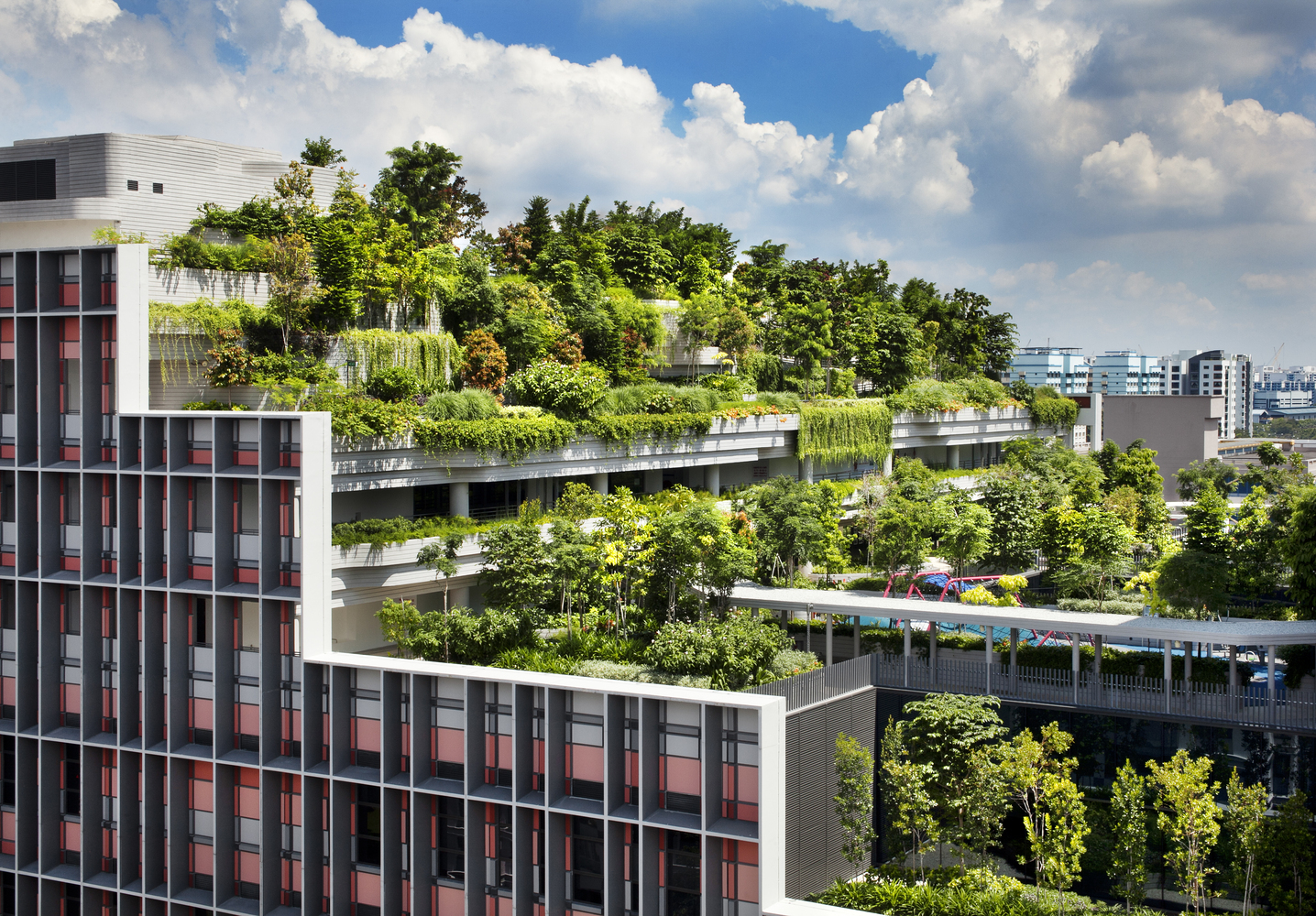
- Landscape Integration: Embed structures within the existing natural landscape using native vegetation, green roofs, and permeable surfaces to promote biodiversity and reduce the urban heat island effect.
- Green Infrastructure: Create communal gardens and open spaces that enhance ecological connectivity and provide social and environmental benefits.
Social and Economic Considerations
Regenerative design extends its benefits beyond the ecological sphere. A human-centric approach is required to:
- Community Engagement: Involve residents in the design process to ensure that the built environment meets local needs and fosters a healthy social fabric.
- Affordability and Accessibility: Strive for economic models that pair ecological innovations with affordable living options, moving away from "green gentrification" towards inclusive success.
- Local Economic Growth: Support local industries through the procurement of materials and services, establishing a symbiotic relationship between the project and its locale.
Design Methodologies and Tools
In the pursuit of regenerative design, a variety of methodologies and tools assist in translating theory into practice. This section details technologies and approaches that enable rigorous planning and performance forecasting:
Energy Modeling and Simulation
Energy modeling software and simulations are integral in predicting energy performance and identifying inefficiencies before construction. Tools such as:
- Life cycle assessments (LCA)
- Building Information Modeling (BIM)
- Parametric design software
These approaches facilitate the integration of multidisciplinary data sets that inform better design decisions.
Integrated Design Processes
Achieving a regenerative built environment requires collaboration among architects, engineers, urban planners, and landscape architects. An integrated design process:
- Fosters shared expertise, ensuring that building systems work harmoniously.
- Encourages iterative feedback referencing site-specific environmental data and community engagement.
- Adopts a systems-thinking approach to balance energy, water, and material flows.
Metrics and Evaluation
To measure the success of regenerative design strategies, performance metrics are crucial. This involves:
- Quantitative evaluation of energy production versus consumption.
- Environmental impact assessments including carbon footprint and resource regeneration rates.
- Social indicators such as community satisfaction and overall livability indices.
Case Studies and Comparative Analysis
A robust examination of case studies can reveal the practical applications and challenges of incorporating regenerative design in residential buildings. Analyzing comparative examples helps illustrate the following:
Successful Implementations
Across various regions, projects have demonstrated the effective integration of regeneratively designed residential units within new communities. These case studies show:
- On-Site Energy Generation: Several projects have gone beyond net-zero benchmarks by generating surplus renewable energy, thereby contributing power back to the community grid.
- Environmental Enhancement: Utilizing green roofs, rainwater harvesting systems, and biophilic design elements, these projects actively enhance local ecology while reducing environmental loads.
- Community and Social Innovation: By incorporating shared spaces, community gardens, and multi-use developments, projects have nurtured richer social interactions and sustainable economic activities.
Lessons Learned and Future Opportunities
A critical review of existing projects underlines several key lessons:
- Adaptability is Crucial: Designs that planned for evolving technologies and climatic conditions outperformed those with rigid parameters.
- Collaboration Enhances Outcomes: Integrating stakeholder feedback from residents to local governments results in resilient, mutually beneficial developments.
- Technological Integration: Effective use of digital tools and simulation software aids in foreseeing potential inefficiencies while optimizing system integration.
| Design Principle | Key Strategies | Benefits |
|---|---|---|
| Energy Efficiency | Passive solar design, renewable energy integration | Reduces energy consumption and enables net positive energy production |
| Integrated Building Systems | Smart grids, modular design, BIM | Enhances overall building performance and adaptability |
| Material Circularity | Reuse, recycling, low embodied carbon materials | Minimizes waste and extends material life cycle |
| Water Conservation | Rainwater harvesting, greywater recycling | Improves water independence and reduces environmental stress |
| Social Integration | Community engagement, mixed-use planning | Nurtures vibrant neighborhoods and economic inclusion |
Implementation Strategies and Future Directions
Translating theory into practice requires a clear set of implementation strategies that can drive the widespread adoption of regenerative design principles in residential buildings. Such strategies include:
Policy and Regulatory Frameworks
Advocating for regulatory changes and supportive policies is essential. Local governments play a critical role in:
- Offering incentives for projects that achieve net positive energy goals.
- Reforming zoning laws and building codes to allow for innovative water recycling or renewable systems.
- Facilitating public-private partnerships that fund pilot projects and community initiatives.
Technological and Economic Considerations
Integrating state-of-the-art technologies with economic feasibility studies ensures that projects not only maintain environmental integrity but also attain market viability. Considerations include:
-
Employing energy simulation and LCA tools to forecast performance and optimize design decisions.
-
Establishing economic models that balance initial costs with long-term savings and community benefits.
-
Encouraging innovation by supporting research and development in green technologies and materials.
Collaborative and Community-Driven Approaches
Successful regenerative design depends upon the active participation of all stakeholders:
- Architects, engineers, urban planners, and landscape architects need to work in tandem to create holistic designs.
- Community involvement ensures that the design addresses cultural context, local needs, and social cohesion.
- Regular feedback loops between designers and residents help optimize run-time adjustments and maintenance strategies.
Conclusion and Final Reflections
This chapter has provided a comprehensive examination of the concepts and design principles critical to integrating regenerative design in new residential communities. By emphasizing holistic integration, renewable energy strategies, and community engagement, regenerative design offers transformative approaches to achieving net positive energy in built environments.
The transition from traditional sustainable design to a regenerative approach represents a paradigm shift, wherein buildings not only reduce their negative environmental impact but actively contribute to restoring and enhancing their surroundings. As these ideas are further implemented, they promise greater economic, social, and environmental benefits that extend well beyond individual structures, paving the way for resilient and self-sustaining communities of the future.
Final Thoughts
In summary, Chapter Two lays out the foundational concepts and design strategies that underpin regenerative residential development. It outlines how innovative integration of energy efficiency, system collaboration, material circularity, and community participation can create residential buildings that are not only net positive in energy but emblematic of a broader shift towards ecological restoration and sustainability. As you move into subsequent chapters, these principles will serve as the basis for deeper case studies and applied research, ultimately advancing the field of regenerative design.
References
https://accidentalgods.life/designing-regenerative-cities/
https://www.hdrinc.com/insights/6-things-know-about-regenerative-design
https://www.buildinggreen.com/explainer/net-positive-regenerative-design-and-other-ways-buildings-can-do-good
https://aecom.com/without-limits/article/seven-regenerative-design-principles-to-change-our-cities/
https://gbdmagazine.com/regenerative-design/
https://www.hendersonengineers.com/how-we-work/sustainable-regenerative-design/
https://www.linkedin.com/pulse/embracing-regenerative-design-building-net-positive-future-gordon-9peoe
https://www.stocorp.com/regenerative-design-going-beyond-sustainability/
https://lloydalter.substack.com/p/sustainable-design-is-dead-long-live
https://aeecanadaeast.org/2023/05/16/regenerative-design-moving-beyond-net-zero-buildings/
Last updated February 17, 2025