
Restaurant Plaza Research Work
An in-depth exploration of ergonomics, tropical design, and restaurant ambiance
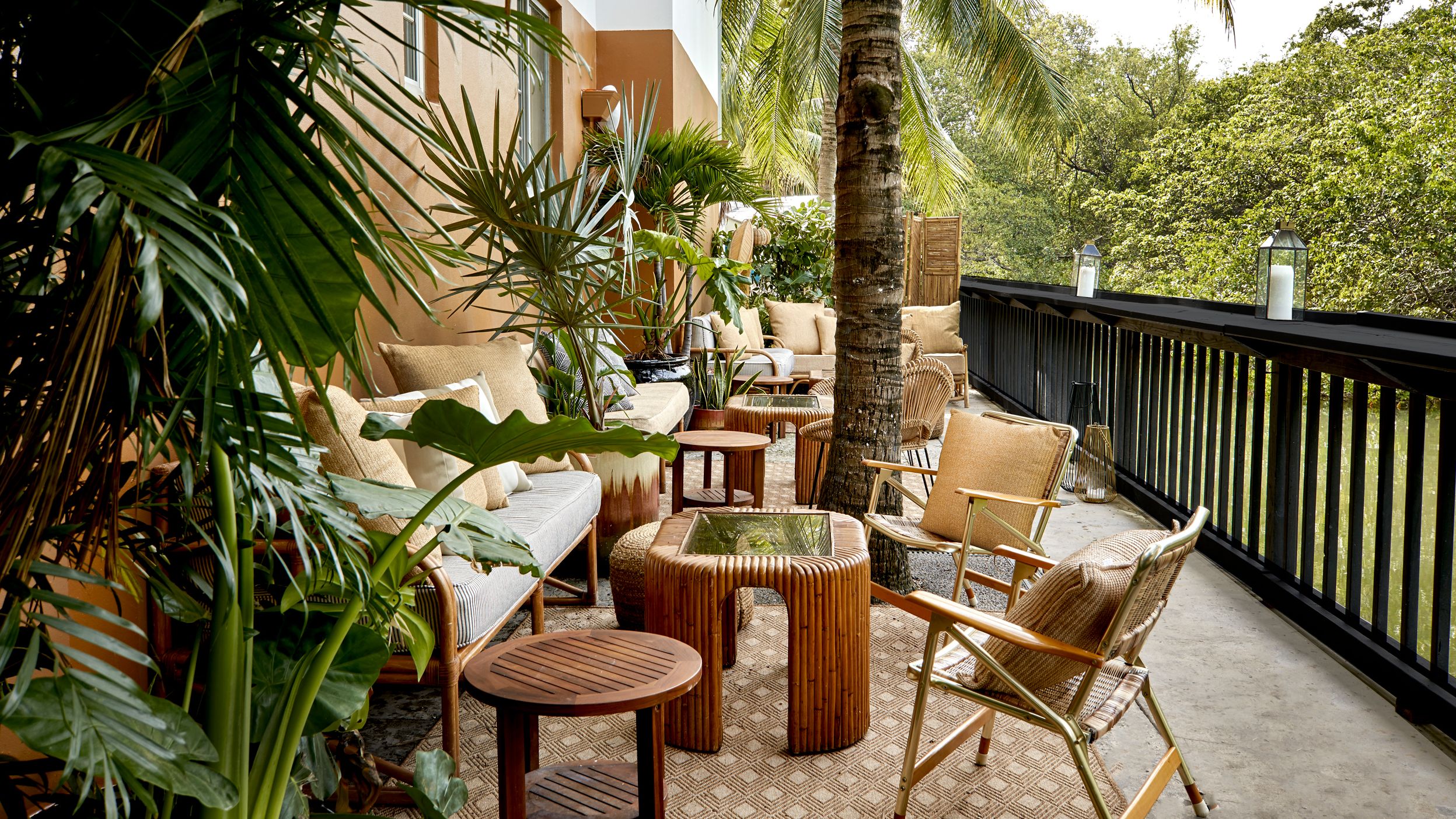
Highlights
- Ergonomics and Anthropometrics: Understanding human dimensions and comfort in design.
- Tropical Vernacular Architecture: Implementing climate-responsive design principles using local techniques and materials.
- Restaurant Design Integration: Harmonizing functionality with aesthetics for optimal customer and staff experience.
1. Human Behavior and Relationships Relating to Ergonomics and Anthropometrics
Understanding Ergonomics
Ergonomics is the scientific discipline that focuses on designing and arranging the physical environment and systems so that they complement human physiology and psychology. Its application in restaurant design primarily hinges on ensuring that both the customers and staff can interact with the space in the most efficient, safe, and comfortable manner. The principles of ergonomics aim to reduce physical strains, prevent the onset of musculoskeletal disorders, and optimize overall satisfaction across various tasks. In restaurants, carefully planned ergonomics can lead to enhanced operational efficiency and elevated customer experience.
Key Ergonomic Considerations
In the context of a restaurant, the following elements must be thoroughly considered:
- Seating Comfort: Chairs and seating arrangements should be designed to support the body effectively. Ergonomic chairs with lumbar support, adjustable heights, and cushioned seats contribute to extended dining comfort, especially during long meals.
- Table Height and Spacing: Anthropometric data informs the ideal height for dining tables, ensuring that customers have sufficient space to sit comfortably without hunching or straining. Tables must not be placed too closely to allow easy navigation for servers and guests.
- Movement and Flow: Strategic layout planning minimizes unnecessary movements for staff and customers, thereby reducing fatigue and enhancing service efficiency. Design interventions such as clearly delineated pathways increase the fluidity of human traffic.
Effective ergonomic design in restaurants not only ensures physical well-being but also fosters positive social interactions by arranging spaces where customers can communicate easily while enjoying their meals. It validates the importance of human behavior in physical spaces and advocates designing environments that are inclusive for a diverse range of body types and mobility levels.
Anthropometrics: The Role of Human Measurements
Anthropometrics involves the study of human body measurements and is integral in designing furniture and layouts that are optimized for various body sizes and postures. Designers harness anthropometric data to tailor spaces that serve different demographics effectively. When designing a "Restaurant Plaza," understanding these measurements is crucial for:
- Creating tables and chairs that suit the average body size of the target clientele.
- Ensuring that the spacing between the tables is adequate for comfort, preventing overcrowding, and allowing flexibility of movement.
- Optimizing workflows for restaurant staff by setting up counter heights and service areas that reduce repetitive strain and fatigue.
These measures are not only essential for customer comfort but also for enhancing staff productivity and well-being. By taking into account anthropometric data, restaurant design becomes a holistic process that advocates for inclusivity, safety, and efficiency.
2. Vernacular Architecture for Tropical Environments
Conceptual Framework of Tropical Vernacular Architecture
Vernacular architecture refers to traditional building methods rooted in local materials, cultures, and environmental conditions. In the context of tropical design, these architectures are characterized by their ability to respond effectively to the unique climatic conditions such as high humidity, intense sunlight, and heavy rainfall. The design approaches commonly found in tropical regions have emerged as a response to the necessity for comfortable environments and include several crucial strategies:
Natural Ventilation and Airflow
A foremost aspect of tropical design is ensuring proper natural ventilation. Buildings in the tropics leverage local climate patterns to create spaces with high ceilings, large windows, and open floor plans that promote cross ventilation. This design facilitates the flow of air, helping to naturally cool indoor spaces and reduce the reliance on energy-intensive air conditioning systems.
Shading and Protection from the Sun
Solar control is one of the central elements of tropical design. Architectural features such as deep overhangs, awnings, and pergolas provide shade and protect interiors from direct sun exposure. These shading techniques not only reduce heat gain but also create comfortable outdoor spaces where visitors can enjoy the natural ambiance.
Material Use and Sustainability
A defining quality of vernacular architecture is its use of locally sourced and natural materials. In tropical contexts, materials such as bamboo, wood, and stone are prevalent due to their ability to withstand the local weather conditions while also being environmentally sustainable. These materials blend seamlessly with the surroundings, reflecting the cultural heritage and environmental mindfulness of the locale.
Integrating these elements into the design of a "Restaurant Plaza" ensures that the establishment is not only visually harmonious with its surroundings but also functionally adept at coping with the tropical climate. By embracing vernacular design principles, restaurants gain the dual advantage of sustainability and distinct regional character, making them attractive to both local patrons and tourists.
Applying Tropical Vernacular Principles to Restaurant Design
In a restaurant setting, some specific design adaptations can be made to incorporate tropical vernacular architecture:
- Outdoor and Semi-Outdoor Areas: Place outdoor seating areas under natural shelters or pergolas to enhance the dining experience. This leverages the tropical climate by blending indoor comfort with outdoor charm.
- Open Layouts for Ventilation: In the dining area, opt for open floor plans that allow for continuous airflow, reducing the indoor temperature and creating a relaxed environment.
- Local Aesthetic Elements: Utilize local decor, handcrafted furniture, and indigenous materials to create a culturally authentic and sustainable venue.
Adopting these principles not only improves the physical comfort of the space but also carries substantial cultural symbolism that can become a key differentiator in the competitive hospitality market.
3. Integrated Restaurant Design
Balancing Functionality and Aesthetics
A successful restaurant design must blend functionality with aesthetic appeal. It involves a careful mix of ergonomics and cultural elements that contribute to a memorable dining experience. In this context, the overall design of “Restaurant Plaza” should focus on:
Optimized Layout and Flow
The layout of the restaurant should be designed to facilitate smooth human interaction while ensuring operational efficiency. Key considerations include:
- Customer Circulation: A well-planned flow allows customers to move from the entrance to the seating areas, restrooms, and billing counters seamlessly.
- Staff Efficiency: Strategically placed service stations, configured dining zones, and clear pathways minimize physical strain and speed up service.
- Spatial Flexibility: Incorporating modular elements that can be adjusted over time allows the restaurant to adapt to varying customer volumes and seasonal changes.
Ergonomic Enhancements in Furniture
Both seating and tables must be designed with ergonomics at the forefront. Integrating ergonomic elements not only ensures a high level of comfort but also extends the duration of customer engagement, thus enhancing the overall dining experience. These elements include:
- Adaptable Seating Designs: Chairs that offer adjustable features, including back support and cushioning, are essential.
- Anthropometrically Informed Table Design: Tables should be designed using data on average elbow heights and clearances, ensuring that they cater to a diverse group of patrons, thereby maximizing comfort.
Enhancing Ambience Through Architectural Elements
Beyond simple functionality, the visual and sensory aspects of restaurant design contribute significantly to its overall success. An inviting ambiance can be achieved through:
- Lighting: Use natural lighting where possible, complimented by warm, ambient artificial lighting to create intimate settings during evening hours.
- Acoustics: Integrate sound-absorbing materials and designs that promote conversational clarity while preventing noise overload.
- Decor and Furnishings: Incorporating elements from vernacular tropical design, such as local art pieces, natural textures, and sustainable materials, elevates the aesthetic while resonating with regional identity.
A Holistic Design Approach
In developing the "Restaurant Plaza," it is crucial to ensure that all these aspects are thoughtfully integrated. The result should be a space where human behavior and comfort principles of ergonomics meet the culturally rooted, sustainable practices of tropical vernacular architecture. This synergy not only caters to the physical needs of the customer and staff but also imbues the space with a sense of place, identity, and warmth.
The following table outlines key considerations in each design domain and their contributions to the overall harmonized space:
| Design Aspect | Key Considerations | Benefits |
|---|---|---|
| Ergonomics |
Seating comfort, table height, optimal spacing, and efficient movement Anthropometric data consideration for diverse body sizes |
Enhanced comfort, reduced risk of injury, better satisfaction for staff and customers |
| Tropical Vernacular Architecture |
Natural ventilation, shading structures, local materials, sustainable design Use of overhangs, high ceilings, outdoor seating elements |
Improved thermal comfort, reduced energy use, sustainability, cultural identity |
| Restaurant Design |
Functional layout, smooth circulation, adjustable furniture Lighting, acoustics, decor integrating local aesthetics |
Optimized customer experience, efficient service, inviting ambiance |
References
- Ergonomics and Anthropometrics in Interior Design - Kaarwan
- Restaurant Design Trends 2025 - DH Hospitality Group
- What is Tropical Architecture? - Architropics
- Restaurant Design Trends - Fast Casual
- Tropical Forest Restaurant - ArchDaily
Recommended Queries
 zeyneptugtekin.wordpress.com
Last updated March 15, 2025