
Comprehensive Analysis of Reviews
Understanding Reviews: Definitions, Platforms, and Strategies
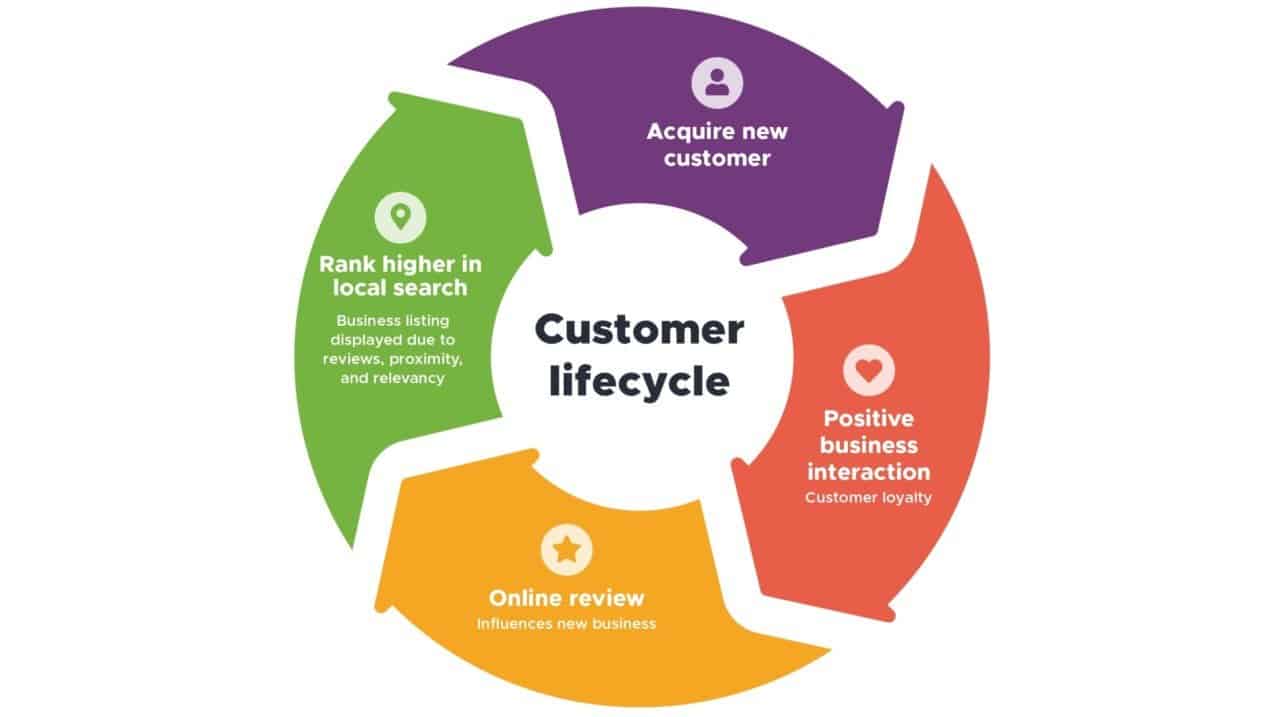
Key Insights at a Glance
- Definition and Importance: Reviews assess quality and performance, influencing consumer decisions.
- Types and Platforms: From user reviews on Google or Yelp, to expert and industry-specific evaluations like TripAdvisor and Trustpilot, reviews vary widely.
- Strategic Engagement: Businesses and individuals benefit from strategically using review platforms to build credibility and drive improvements.
Understanding Reviews
Reviews are multifaceted assessments that can serve as invaluable tools in various contexts. Depending on the perspective, a review can be both a verb and a noun, implying an action to reassess and a finished analysis of a product, service, or performance. The nature of reviews—be they written evaluations by customers, critiques by experts, or comprehensive academic assessments—can influence decisions ranging from everyday consumer choices to strategic business enhancements.
Definition and Contextual Usage
At its most fundamental level, to review means to look at something again. This action can involve reevaluating a product after repeated use, or even reexamining a piece of work to ensure improvement. As a noun, a review is a comprehensive assessment that may include a rating system, detailed feedback, and a comparative analysis of quality and performance. Whether it is for a movie, a book, or a business, reviews are crafted to help audiences understand the merits and shortcomings of a subject.
Review as a Verb
In a dynamic context, "review" is an action. When planning for an exam or redefining a project, one might review previously acquired knowledge or performance metrics. This iterative process ensures continuous improvement and can involve detailed critical analysis or simple recollection exercises.
Review as a Noun
As a noun, a review signifies an established written or spoken evaluation of an item or service. For example, after dining at a restaurant, a customer might leave a review describing the quality of the food, service, and ambiance. These written reviews are indispensable for guiding other potential customers and often influence business reputations.
Exploring Different Types of Reviews
Consumer and User Reviews
User-generated reviews form one of the pillars of modern consumerism. Websites such as Google Business Profile and Yelp empower consumers to share firsthand experiences that shape the perception of local businesses. These reviews are spontaneous, written by everyday customers, and they provide authentic insights into the daily operations and quality of service. Consumer reviews are the most influential for local search and organic visibility.
Expert Reviews
Unlike user reviews, expert reviews are generally written by individuals with extensive knowledge or experience in a particular field. These evaluations take into account not only user experiences but also technical aspects and comparative analyses across similar offerings. Trusted platforms like Trustpilot, Capterra, G2, and TrustRadius exemplify expert review environments where evaluations are detailed and oriented toward applications in B2B and SaaS industries.
Industry-Specific Reviews
Specialized review platforms offer evaluations tailored to particular sectors. For instance, TripAdvisor serves as an essential platform in the hospitality and tourism industries. Similarly, Angi (formerly Angie's List) caters to local service providers, offering insights based on rigorous customer vetting. Reviews in these specific niches help customers navigate choices tailored to their interests and needs.
Academic and Research Reviews
In academic contexts, reviews often appear as literature reviews, summarizing research findings and providing critical insights on a subject matter. These reviews are carefully curated, emphasizing the synthesis and comparative analysis of multiple scholarly works. They contribute to the overall academic discourse by situating new research within established frameworks.
Review Platforms and Their Strategic Importance
Key Platforms for Reviews
The digital age has significantly amplified the impact of reviews, making various platforms instrumental in shaping public perception and business performance. Different review platforms cater to different audiences and industries:
| Platform | Industry Focus | Key Features | Usage |
|---|---|---|---|
| Google Business Profile | Local Businesses | High visibility in searches, maps integration, user contributions | General consumer insights |
| Yelp | Local Services | User-generated ratings, location-based reviews, community feedback | Local restaurants and services |
| TripAdvisor | Hospitality & Tourism | Detailed travel reviews, ranking systems, community Q&A | Travel, hotels, restaurants. |
| Trustpilot | E-commerce & Services | Open reviews, global reach, transparent critic ratings | Online shopping and services |
| Capterra / G2 / TrustRadius | B2B & Software | Expert user experiences, detailed comparisons, industry-specific elements | Software, business services |
| Angi (formerly Angie's List) | Local Home Services | Vetted user reviews, verified ratings, local recommendations | Home improvement and repairs |
Advantages of Reviews for Businesses
Reviews provide both qualitative and quantitative data that assist businesses in making informed decisions. For instance, positive reviews can generate trust and improve online rankings, while constructive criticism offers businesses an opportunity to innovate and address customer concerns. Maintaining an active presence on multiple review sites helps businesses manage their reputations and drive organic growth. Key strategies include:
Encouragement and Incentivization
Businesses can encourage satisfied customers to provide detailed reviews. When combined with referral programs or discounts for feedback, this can lead to a steady stream of content that enhances authenticity and trust.
Responding and Engaging
Actively responding to reviews—both positive and negative—demonstrates a business’s commitment to customer satisfaction. By addressing concerns promptly and thank customers for positive feedback, companies can build stronger, trust-based relationships with their clientele.
Leveraging Positive Reviews
Showcasing positive reviews on websites and social media channels can be a powerful marketing tool. These testimonials serve as social proof, reassuring prospective customers about the quality and reliability of services or products offered.
Diverse Applications of Reviews
Beyond the commercial realm, reviews have significant roles in cultural, academic, and professional environments.
Cultural and Art Criticism
In the realm of movies, books, music, and art, reviews critically assess creative works to guide audiences. Film critics analyze movies, considering elements such as narrative, cinematography, and direction. Literary reviews meticulously evaluate a book's style, themes, and contribution to literature. Such reviews create a dialogue between the work and its audience, enabling deeper cultural insights and appreciation.
Academic Reviews
In academia, literature reviews summarize and synthesize a body of research, positioning new studies within the context of existing knowledge. This analytical process helps scholars identify research gaps, set methodological standards, and build theoretical frameworks. Academic reviews are vital for driving scholarly conversations and guiding future research directions.
Performance and Professional Evaluations
Reviews are also essential in professional contexts, such as performance appraisals in corporate environments or inspections in the military. These reviews evaluate competence, productivity, and overall performance metrics. When executed constructively, they not only assess current performance but also guide professional development and growth.
Strategic Considerations When Handling Reviews
Both consumers and businesses can extract actionable insights from reviews. For consumers, reading multiple reviews offers a balanced perspective, acting as a checklist of key product features or service qualities. For businesses, regularly monitoring review feedback provides data that can be transformed into operational improvements. Strategic considerations include:
Data-Driven Decisions
Reviews serve as critical data points in performance analytics. By analyzing trends in customer feedback, companies can pinpoint recurring issues or highly appreciated features which, in turn, shape product innovation and service enhancements.
Maintaining Transparency
Transparency in handling both positive and negative reviews creates a trustworthy brand image. When companies are open about their improvement plans based on review feedback, they gain credibility and customer loyalty.
Balance and Authenticity
While it may be tempting to focus solely on positive reviews, a balanced view that includes critical feedback is necessary. Authenticity is key, as consumers increasingly value straightforwardness over orchestrated perfection.
Practical Tips for Crafting and Evaluating Reviews
For Reviewers
Whether you are an expert or a consumer leaving a review, consider the following:
Be Detailed and Honest
Provide specific examples and context. A comprehensive review often includes criteria such as value for money, quality, reliability, and customer service. An honest appraisal helps other readers form a clear expectation and contributes positively to the overall ecosystem.
Balance Positive and Negative Feedback
While it is important to highlight what works well, constructive criticism is equally valuable. This dual perspective not only reinforces the credibility of the review but also guides businesses in areas needing improvement.
For Businesses
To maximize the benefits of reviews:
Monitor Multiple Platforms
Maintain a presence on key review sites to capture a broad array of customer feedback. Regular monitoring helps identify trends and address concerns in real time.
Implement Continuous Improvement
Use customer feedback as a baseline for continuous improvement. Constructive criticism might point to areas that require strategic changes, while positive feedback reinforces what you're doing well.
Engage and Respond
Engage with your customers by thanking them for positive reviews and addressing negative feedback respectfully. This ongoing dialogue demonstrates commitment to customer satisfaction and builds lasting trust.
Relevant Resources and Further Reading
To gain more detailed insights and stay updated on emerging trends in reviews and review platforms, you can refer to these resources:
- Review Platforms and SEO - Semrush
- Top Review Websites - WideWail
- Software Review Sites - ReviewFlowz
- Customer Reviews and Trustpilot - Trustpilot
- Best Customer Review Websites - Elfsight
Recommended Queries for Further Exploration
Last updated March 17, 2025