
Review of Related Literature: Passers Enrolled in Review Centers
An In-depth Analysis of Alternative Studies on the Impact of Review Centers
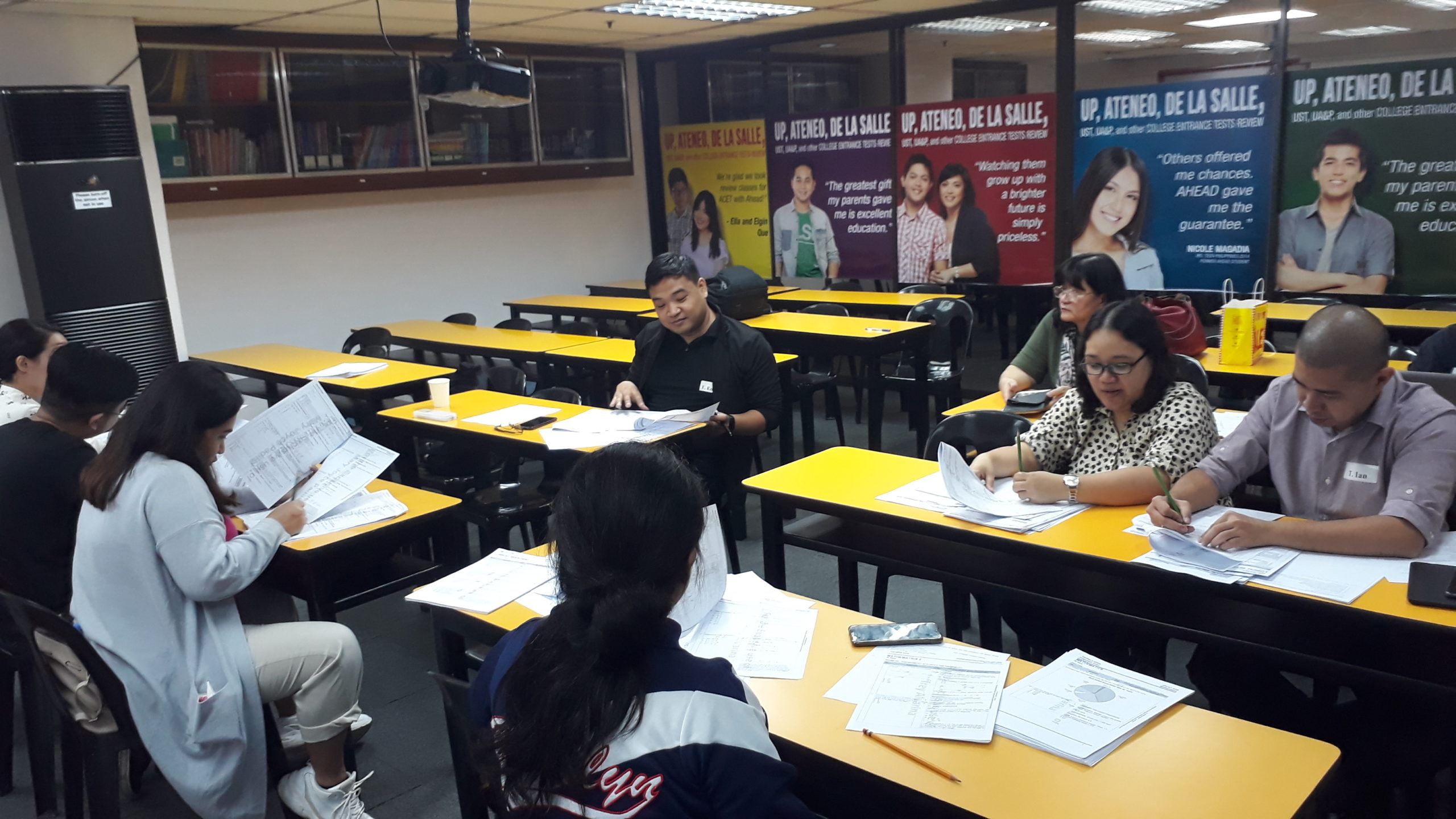
Key Highlights
- Enhanced Performance: Studies consistently report that review center attendees demonstrate higher passing rates and improved exam performance compared to self-study methods.
- Structured Learning Environment: The comprehensive curriculum and simulated exam conditions provided by these centers foster better preparation and confidence in examinees.
- Personalized Guidance: Qualified instructors and peer collaboration contribute to personalized instruction and effective feedback essential for success in board examinations.
Introduction to Review Centers and Their Relevance
Review centers have emerged as significant contributors to the success of examinees across various licensure and entrance examinations. These centers provide structured programs, updated review materials, and experienced guidance that set them apart from conventional self-study methods. While notable studies by Camuyog et al. (2022) and Lascano & Bansiong (2017) have underscored the pros of integrating review center programs into academic curriculums, several other studies have equally highlighted the benefits of review centers in diverse examination settings.
This comprehensive review explores literature that examines the effectiveness of review centers from different vantage points, such as nursing board exams, librarians’ licensure examinations, and even college entrance assessments. Emphasis is placed on alternate studies which, like the ones mentioned above, reinforce the positive influence of review-center-based instruction on exam outcomes, while providing a richer context into various pedagogical approaches.
Literature Review: Alternative Studies on Review Centers
1. Nursing Board Examination Study
Structured Preparation and Success Outcomes
In one significant study titled "The Role of Review Centers in Nursing Board Exam Preparation", researchers analyzed the examination performance of nursing students who enrolled in structured review programs compared to those who relied exclusively on self-study methods. The study detailed the following observations:
- Curriculum-Driven Instruction: The review centers offered sequential and systematic coverage of board exam content, allowing students to gain a comprehensive understanding of complex topics.
- Simulated Examination Environment: Regular mock examinations and simulated testing conditions were integral in acclimatizing students to the exam atmosphere. This built the confidence required for optimal performance during the actual licensure examinations.
- Resulting Outcomes: The pass rate among students who participated in these review programs was significantly higher than those who opted for self-guided study. The structured guidance resulted in improved time management, focused revision sessions, and better retention of key concepts.
The study’s findings suggest that the structured nature of review centers plays a vital role in helping nursing students set realistic study goals, prioritize syllabus content, and ultimately achieve better comprehensible outcomes during licensure exams. Moreover, the integration of comprehensive review sessions into the students’ curriculums provides a framework that supports continuous improvement.
2. Librarians’ Licensure Examination Research
Empirical Evidence from Sector-Specific Assessments
Another research endeavor delved into the performance of candidates for the Librarians’ Licensure Examination over a five-year span. This study demonstrated that examinees who attended dedicated review center sessions consistently outperformed their peers who did not utilize these centers. The key insights included:
- Empirical Comparison: Data collected over several years indicated that first-time examinees using review centers posted higher success rates. In contrast, those who pursued self-study recorded lower overall success rates.
- Assessment of Study Strategies: The study compared various approaches by highlighting that exposure to peer discussions, guided analytics on past board exam questions, and error analysis sessions contributed heavily to better exam results.
- Influence of Structured Review Programs: The institutional framework provided by review centers was critical in instilling disciplined study habits and a clear roadmap for tackling extensive exam syllabi.
This research reinforces the concept that review centers, through their systematic review programs and specialized mentorship, contribute directly to improved performance. The strong correlation between structured review sessions and higher passing rates underscores the significance of such programs not only for individual preparation but also for long-term educational improvement.
3. College Entrance Examinations and General Academic Preparedness
Broad Impact Across Diverse Academic Disciplines
College entrance examinations such as UPCAT, ACET, and other competitive assessments have also seen a rising influence from structured review center programs. A significant study examined the outcomes of students who attended these review programs compared to those who prepared independently. The following points were elucidated:
- Revitalizing Core Curriculum: Review centers typically focus on reinforcing knowledge acquired during secondary education or prior undergraduate studies. By providing refresher sessions and comprehensive coverage, the centers ensure that critical concepts are not overlooked.
- Peer-to-Peer Learning Environment: The group-based study model within these centers exposes students to multiple perspectives on problem-solving techniques. This collaborative learning environment is particularly beneficial for topics that require critical thinking and analytical skills.
- Enhanced Confidence Levels: Regular assessments, feedback loops, and personalized coaching contribute to an overall enhancement in the students’ confidence. Increased self-assurance translates directly into better exam performance on the day of the test.
The overarching takeaway from such studies is that the review center model is not restricted to professional examinations alone. It also plays a pivotal role in preparing students for high-stakes college entrance examinations by offering a structured revision process that emphasizes both content backup and application skills.
4. Comparative Insights from Multiple Disciplines
Integrating Diverse Study Approaches
Beyond their structured curriculum, review centers contribute to holistic academic development. A synthesis of studies across disciplines highlights the following:
- Curricular Integration: A recurring theme among various studies is the recommendation that review programs could be embedded within academic curriculums. Such integration provides a seamless transition from regular classes to review sessions, allowing for continuous academic reinforcement.
- Specialized Resources: Review centers often employ dedicated learning tools that include past examination papers, interactive modules, and revised compilations of study materials. In doing so, they bridge the gap between theoretical knowledge and practical application.
- Instructor Impact: Educators with ample experience in their fields provide not only academic advice but also motivational support to reduce exam-related anxiety. Their role becomes especially critical in demystifying complex subjects.
Comparative studies have frequently shown that the focused revision environment provided by review centers has a pronounced effect on exam readiness. This environment is characterized by a blend of systematic revision and individualized student support, which is key to ensuring that all content areas are thoroughly addressed.
Comprehensive Table: Review Center Impact Across Various Examinations
| Examination Type | Key Study Outcomes | Notable Insights |
|---|---|---|
| Nursing Licensure Exam | Higher pass rates; Comprehensive review modules; Simulation of exam conditions. | Students using review centers displayed better time management and increased retention of complex topics. |
| Librarians’ Licensure Exam | Empirical data over a five-year period; Structured review sessions resulted in superior examination performance. | First-time examinees showed significant improvement, indicating the structured program's efficacy. |
| College Entrance Exams | Reinforcement of secondary education content; Enhanced group learning; Simulation of exam scenarios. | Incorporation of mock tests and peer discussions helped in boosting overall confidence and execution. |
Discussion: Synthesizing the Effectiveness of Review Centers
Analyzing the Advantages
The reviewed literature collectively underscores the impact of review centers across different examination settings. One universal trend identified is the increase in passing rates for candidates who participate in review center programs. The added structure, access to updated and comprehensive study materials, and an environment that simulates exam conditions contribute significantly to this success.
Moreover, the hour-by-hour mentoring and guidance provided by experienced instructors not only helps in academic content mastery but also instills a greater degree of psychological preparedness among examinees—one of the critical factors in high-pressure testing scenarios. The communal aspect of being surrounded by peers who share similar aspirations also aids in reducing individual anxiety and creating an atmosphere of mutual support.
Another vital point observed is that the curriculum and strategies employed by review centers often address the diverse learning styles of students, making these centers more effective than standard self-study routines. For instance, auditory learners may benefit from lectures and discussions, while visual learners may find value in detailed graphs, charts, and written guides. The multifaceted approach ensures that regardless of learning preference, examinees receive balanced and effective instruction.
Considerations for Future Implementation
Integrating Review Programs into Curriculums
In light of these findings, several researchers have recommended the integration of review center methodologies into formal academic curriculums. By adopting a blended model—where traditional lectures are complemented by intensive review sessions—educational institutions can further enhance the readiness of their students for future licensure or college entrance exams.
It has also been suggested that further studies could provide more granular insight into the specific components of review center curricula that are most effective. Such research might focus on the relative impact of mock examinations versus direct instructor feedback or explore the benefits of collaborative learning environments in more detail.
Furthermore, while the reviewed studies display promising outcomes, there remains an ongoing need to continuously update the curriculum, teaching techniques, and learning materials. The current global information landscape necessitates periodic reassessment of exam content and the pedagogical strategies in place, ensuring that review centers remain effective in preparing students for the demands of modern examinations.
Reference Resources
- Unveiling the Benefits of Review Centers in Nursing Board Exam Preparation - 1Nurse
- Influence of Factors on CPA Licensure Examination Results - ResearchGate
- Quest Review Center - Official Website
- Senior High School Review Centers - AHEAD Philippines
- Effectiveness of College Review Centers - Animetric
Related Queries for Further Exploration
 psychometricpinas.blogspot.com
 amateurcentristspeaks.wordpress.com
 boardpasserscom.wordpress.com
 filipinoteacher.wordpress.com
Last updated March 16, 2025