
Discover How RFID Transforms Tollways in the Philippines
Explore the seamless, efficient world of RFID technology on Philippine expressways
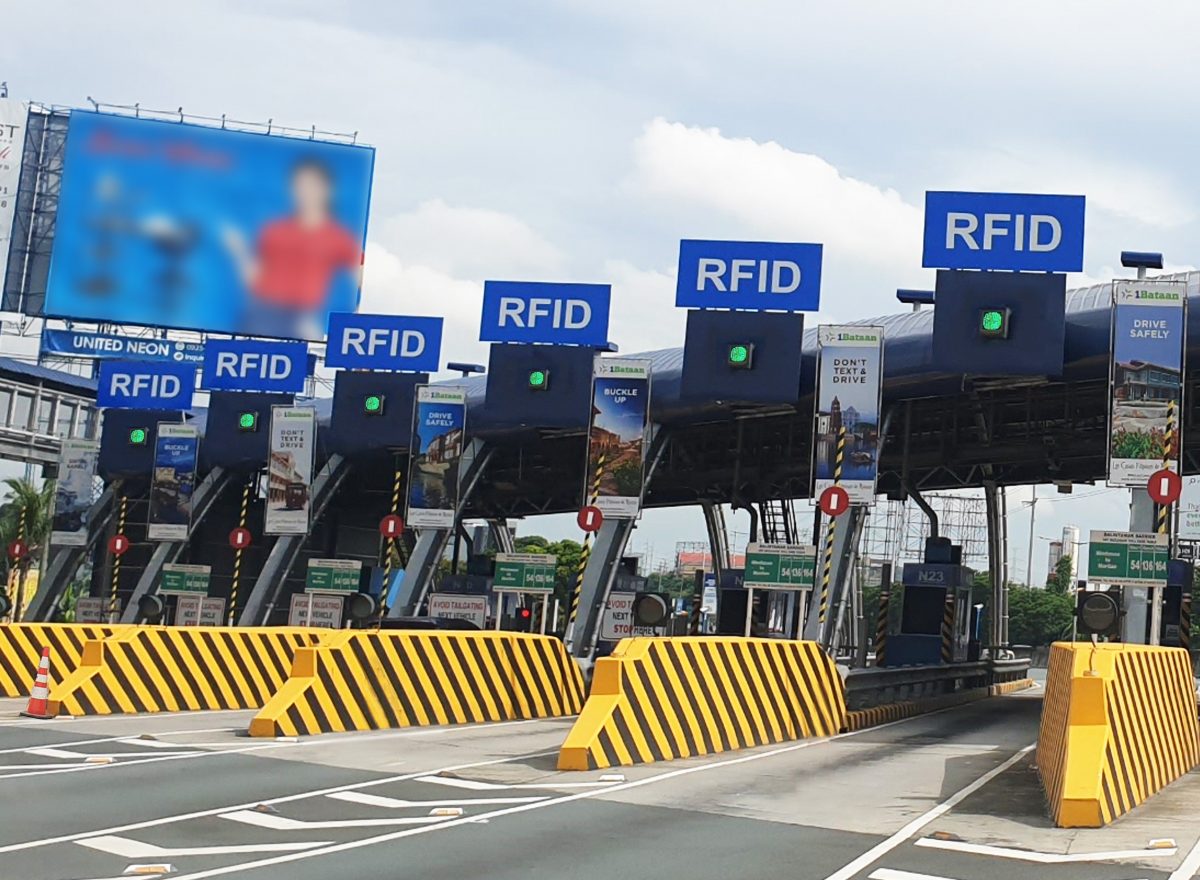
Key Highlights
- Enhanced Traffic Flow: RFID systems like Easytrip and Autosweep significantly reduce congestion by enabling cashless transactions.
- Interoperable Systems: Recent updates allow for cross-usage between systems and ongoing integration into a unified wallet approach.
- Regulatory Impact: Enforcement through fines for non-compliance has increased adherence, furthering efficiency and safety on tollways.
Understanding RFID Technology in the Philippines
RFID (Radio Frequency Identification) technology is widely implemented in the Philippines as a key component of the Electronic Toll Collection (ETC) systems. This technology facilitates cashless toll payments by reading RFID tags or stickers affixed to vehicles. The primary aim of the RFID implementation is to streamline traffic, reduce delays at toll booths, and enhance overall travel efficiency on busy expressways.
The Basic Mechanism
In an RFID-based toll system, a transponder (or RFID tag) sends a unique signal when activated by nearby RFID readers at toll booths. This signal enables the automatic deduction of toll fees from a pre-linked account without the need for manual intervention. The non-contact nature of RFID transactions minimizes stopping time, thus reducing congestion and vehicle emissions.
Key Features
RFID systems in the Philippines are characterized by several features:
- Quick and seamless processing at toll gates.
- Reduced or eliminated need for cash transactions.
- Automated account management for users.
- Integration with across multiple expressways for convenience.
- Implementation of penalties for non-compliance to boost adherence.
Major RFID Systems in Use
Easytrip RFID
Easytrip RFID is operated by Easytrip Services Corporation, a subsidiary of Metro Pacific Tollways Corporation (MPTC). It is primarily used along expressways such as the North Luzon Expressway (NLEX), Subic-Clark-Tarlac Expressway (SCTEX), Cavite-Laguna Expressway (CALAX), and multiple routes under the CAVITEX brand. These systems are designed to offer drivers a hassle-free travel experience by allowing for quick pass-through toll collection.
Autosweep RFID
In contrast, Autosweep RFID is predominantly utilized on expressways managed by San Miguel Corporation, such as the Skyway, South Luzon Expressway (SLEX), and others like the NAIA Expressway. Despite differences in operational management, both systems offer a consistent experience; however, each network has its compatibility nuances.
Interoperability and Updates
Recent developments have focused on enhancing interoperability between these systems. As of January 2023, improvements have been made to allow limited cross-usage between Easytrip and Autosweep, thus minimizing disruptions for drivers and creating a smoother unified system. Future expansion towards a unified RFID wallet system is under discussion by regulatory bodies to ensure a more cohesive experience across all tollways.
System Implementation, Benefits, and Penalties
Advantages for Road Users
The primary benefit of using RFID technology on tollways is the dramatic reduction in traffic hold-ups and congestion at toll booths. As transactions are processed almost instantaneously, drivers face fewer delays. Additionally, cashless transactions contribute to environmental sustainability by reducing vehicle idling times and emissions.
Alongside convenience, RFID systems have streamlined account management for motorists, who can manage, refill, and monitor their toll accounts online. This ease of use, combined with the enhanced travel experience, makes RFID an advantageous solution for busy expressways.
Policy and Penalties
The Philippine government has not only promoted the adoption of RFID technology but has also established strict regulatory measures to enforce its use. As of early 2025, motorists caught entering tollways without a valid RFID tag may face fines. For example, the first instance of non-compliance can result in a penalty of PHP 1,000, with fines increasing for subsequent offenses. The enforcement of these penalties compels drivers to use the system, thereby ensuring smooth traffic flow across expressways.
These measures are crucial because they not only incentivize the regular use of RFID for toll transactions but also foster an environment where technological advancement benefits both efficiency and safety on the roads.
Unified Wallet System and Future Prospects
Looking ahead, regulators such as the Toll Regulatory Board (TRB) are actively considering the implementation of a unified RFID wallet system. This initiative aims to merge the functionalities of both Easytrip and Autosweep into a single, user-friendly platform. Such integration would remove existing barriers between different expressway networks, offering a seamless travel experience regardless of the system initially used.
Further upgrades envisioned in the near future include the potential incorporation of RFID technology into other sectors such as parking management and public transportation, expanding its utility beyond toll collection. These advancements promise continued improvements in traffic management and technological innovation within the Philippines.
Comprehensive Overview Table
| Aspect | Details |
|---|---|
| Technology | Radio Frequency Identification (RFID) facilitating cashless toll payments |
| Main Systems | Easytrip (operated by MPTC) and Autosweep (operated by San Miguel Corporation) |
| Expressways Using RFID | NLEX, SCTEX, Cavitex, CALAX, Skyway, SLEX, NAIA Expressway, among others |
| Benefits | Faster transactions, reduced congestion, improved environmental sustainability, online account management |
| Penalties for Non-Compliance | Starting from PHP 1,000 for first offense with increased fines for subsequent violations |
| Future Developments | Interoperability enhancements, unified RFID wallet system, potential expansion into parking and public transport |
Detailed Operational Insights
Installation and User Adoption
RFID tags and stickers are widely accessible to motorists throughout the Philippines. Both Easytrip and Autosweep ensure that drivers can obtain these tags from designated installation sites without incurring additional costs. The emphasis on ease of access has been pivotal in boosting the adoption rates among drivers, thereby extending the benefits of RFID systems across the country.
The process of acquiring an RFID tag is straightforward: vehicle owners can visit installation centers located conveniently along expressways and complete a few registration formalities. This user-friendly process has helped in achieving large-scale compliance and seamless operation at toll booths.
Challenges and System Enhancements
Despite the numerous advantages, the RFID system does face challenges. These include occasional technical malfunctions and the need for better integration between different toll networks. Ongoing technical updates, including the recent cross-compatibility between Easytrip and Autosweep systems, demonstrate the regulatory and technological efforts leveraged to overcome these challenges. The development of a unified RFID wallet system is a clear indication of the continuous drive towards enhancement and user satisfaction in the system.
The drive for innovation in RFID technology in the Philippines reflects the broader global trend towards cashless, efficient public infrastructure systems. The government's proactive measures, together with private sector contributions, are setting new benchmarks in traffic management and system interoperability.
References
- List of Easytrip RFID Installation Sites - LTO Portal PH
- List of Autosweep RFID Installation Sites - LTO Portal PH
- Easytrip RFID - Ultimate Guide: Everything You Need to Know - Easytrip
- Explanatory Article on RFID for Tollways - Inquirer
- Penalties for Non-Compliant Motorists - BusinessWorld
Recommended Related Queries
Last updated March 25, 2025