
Comprehensive Overview on Rhizomes
Exploring the structure, functions, and examples of rhizomes in everyday plants
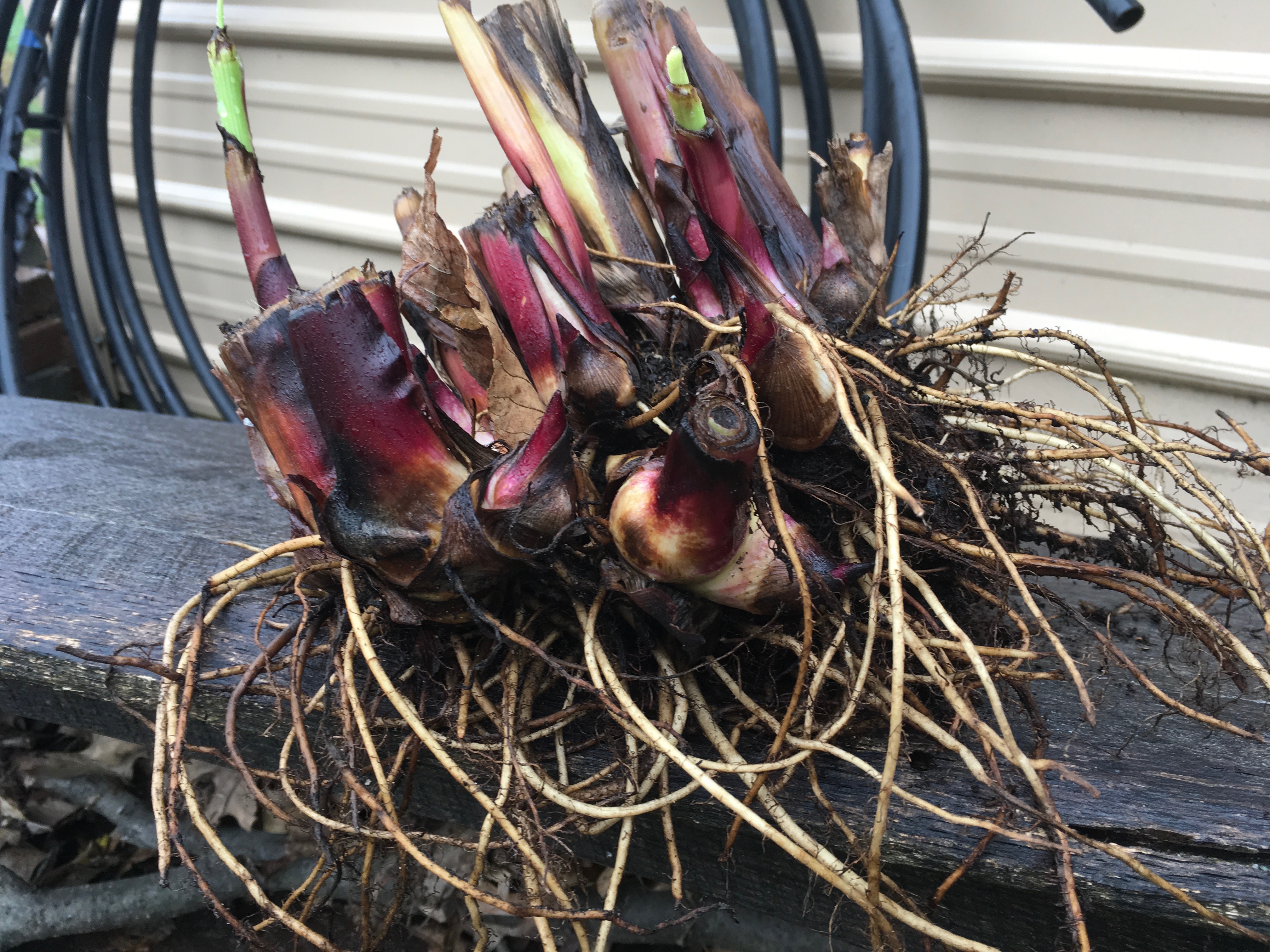
Key Highlights
- Structural Uniqueness: Rhizomes are modified horizontal stems characterized by nodes and internodes.
- Functional Importance: They store nutrients and drive vegetative reproduction, helping plants spread.
- Varied Applications: Found in edible, ornamental, and invasive species, rhizomes play diverse ecological roles.
Introduction to Rhizomes
Rhizomes are specialized plant structures and can be best described as modified underground stems that grow horizontally rather than vertically. These unique structures differ significantly from standard roots and shoots due to their distinctive organization and multiple functions within the plant. Rhizomes are equipped with nodes and internodes that enable them to produce roots and shoots, making them pivotal for vegetative propagation. As living storage units, they accumulate essential nutrients such as starch, proteins, and other substances required for plant survival during adverse conditions.
Structural Characteristics of Rhizomes
Modified Stem Anatomy
At their core, rhizomes are modified stems that are structurally adapted for growth along or under the soil surface. Unlike true roots, which typically lack nodes and internodes, rhizomes present these features prominently. The nodes are crucial because they serve as points where both roots and shoots can develop. This anatomical configuration ensures that even if a segment of the rhizome is separated from the parent plant, it still contains the essential “blueprints” for new plant generation.
Nodes and Internodes Explained
Each node on a rhizome is notable for its capacity to form both roots on the underside and shoots on the top. The spaces between these nodes are known as internodes. The presence of these internodes facilitates the efficient spread of the plant, as rhizomes extend outward horizontally. In many plants, the internodes may vary in size depending on the species and environmental factors, contributing to the plant's ability to adapt and colonize new territories.
Storage of Nutrients
One of the most important functions of rhizomes is acting as a reservoir for nutrients. During periods of stress or dormancy, the stored starches, proteins, and other vital chemicals supply energy for new growth. This nutritional reserve is essential for survival in challenging conditions, ensuring that the plant can quickly rebound when circumstances improve. Thus, rhizomes are indispensable in the survival strategy of many perennial species.
Functions of Rhizomes in Plant Life
Vegetative Propagation
One of the fascinating aspects of rhizomes is their role in vegetative propagation. Because rhizomes are capable of generating complete plants from fragments, they serve as a mechanism for asexual reproduction. When a section of a rhizome breaks off, it can, under the right conditions, develop roots and shoots independently. This process enables plants to expand their territory and populate new areas, often with remarkable speed. It also means that many plants can survive even after suffering physical damage, as the remaining parts continue to propagate.
Adaptation to Harsh Environments
The ability of rhizomes to store nutrients and withstand environmental stresses makes them critical in survival strategies for many plants. Their underground or near-surface growth helps them avoid damage from harsh weather conditions, predators, and other external factors. In seasons when above-ground parts of the plant may perish, the rhizome remains dormant but intact, ready to initiate new growth when conditions become favorable again. This adaptation supports the enduring resilience found in numerous perennial species.
Facilitation of Lateral Growth
Unlike typical plant growth that is predominantly vertical, rhizomes encourage a lateral or horizontal spread. This growth pattern allows the plant to cover larger expanses, increasing its chances of acquiring resources such as water, sunlight, and nutrients from varied soil spots. Moreover, by spreading laterally, plants with extensive rhizome networks can compete more effectively in their environments, often outcompeting other species by monopolizing the available space.
Diversity and Examples of Rhizome-Featuring Plants
Edible Plants
Many edible plants rely on rhizomes not only for propagation but also for commercial cultivation. For instance:
- Ginger: Known for its culinary and medicinal properties, ginger’s rhizomes are a vital spice in many cuisines around the world.
- Turmeric: Widely used for its vibrant color and health benefits, turmeric is another plant that utilizes its rhizomes as a primary growth structure.
- Lotus: The lotus not only holds cultural and spiritual significance but also grows from a robust rhizome system, ensuring its survival in aquatic environments.
Ornamental and Invasive Species
Beyond culinary uses, rhizomes are found in many ornamental plants, where they contribute to the aesthetic value of gardens and landscapes. Examples include:
- Irises: Celebrated for their beautiful flowers, irises utilize rhizomes to spread and form attractive clumps in garden settings.
- Bamboo: While often admired for its rapid growth and versatility, bamboo’s rhizomes can make it a formidable invasive species in certain regions.
- Snake Plants: Known for their robust nature, these plants use their underground storage mechanisms to thrive in low-light conditions.
Other Notable Plants
In addition to the commonly mentioned species, rhizomes are present in various ferns and monocots, and even some dicotyledonous plants. This wide range of species highlights the evolutionary success of rhizomes as a survival and reproduction strategy in diverse plant families.
Detailed Comparison: Rhizomes vs. Roots
Comparative Structural Analysis
To fully appreciate the unique role of rhizomes, it is essential to compare them to true roots. While both are integral components of fertile plant growth, their structure and functionality differ markedly.
Table: Structural and Functional Differences
| Aspect | Rhizomes | Roots |
|---|---|---|
| Primary Function | Storage of nutrients, vegetative propagation, horizontal growth | Absorption of water and nutrients, anchoring the plant |
| Structure | Possess nodes, internodes, and buds enabling shoots and roots formation | Typically lack nodes and internodes; specialized in nutrient uptake |
| Growth Direction | Horizontal, often underground or at the soil surface | Vertically downward or into various soil layers |
| Role in Reproduction | Allows asexual reproduction; fragments can form new plants | Generally not involved in asexual reproduction |
| Resilience | Stores energy to survive adverse conditions; regenerates after damage | Primarily functions in resource uptake and support |
Key Functions Recapped
As illustrated in the table above, the primary distinction between rhizomes and roots lies in their function and architectural design. Rhizomes serve multiple roles—from serving as storage organs to functioning as a means of spreading the plant—whereas roots primarily focus on water and nutrient absorption. This multi-functionality makes rhizomes crucial to the survival and rapid infestation potential of many plant species.
Biological and Ecological Significance
Role in Ecosystem Stability
Rhizomes are an integral part of many ecosystems, influencing soil structure, competition, and overall biodiversity. Their ability to spread horizontally allows for the formation of dense networks that stabilize the soil, reduce erosion, and improve water retention in the environment. This lateral blanketing effect can support a variety of other organisms by creating microhabitats and contributing to a balanced ecosystem.
Adaptation to Changing Environments
In adapting to various environmental stresses—such as seasonal droughts, floods, and temperature extremes—plants with rhizomes demonstrate a remarkable resilience. The stored nutrients enable these plants to enter a dormant state during stressful periods and regenerate quickly when conditions improve. Such adaptive capabilities are not only fascinating from a biological perspective but are also of significant interest to scientists researching plant genetics and survival strategies.
Human Appreciation and Utilization
From a cultural and economic standpoint, the use of rhizomes extends far beyond the natural world. Many rhizome-bearing plants have been harnessed for culinary, medicinal, and ornamental purposes. For example, ginger and turmeric have long histories as culinary staples and medicinal ingredients across various cultures. Similarly, ornamental plants like irises bring aesthetic value to gardens and public spaces. Human cultivation and propagation methods have refined the natural utility of rhizomes, enabling their continued relevance in both traditional and modern agricultural practices.
Applied Research and Agricultural Implications
Tissue Culture and Propagation Techniques
Modern agricultural practices have benefited greatly from our understanding of rhizomes. Through tissue culture techniques, it is now possible to artificially produce rhizomes, which in turn can yield healthy plants ready for replanting. Such methodologies help in mass propagation and also ensure the conservation of genetic resources. The ability to generate large quantities of plant material with desired characteristics is invaluable in both commercial horticulture and ecological restoration projects.
Sustainable Agriculture Practices
The resilience of rhizome-bearing plants also supports sustainable agriculture. By leveraging their natural capacity for storage and regeneration, farmers can reduce reliance on chemical fertilizers and pesticides. The propagation from rhizomes assists in establishing robust plant covers that prevent soil erosion and enhance the microclimate of agricultural fields. This leads to more sustainable farming practices and a healthier ecological balance.
Research Developments
Ongoing research continues to uncover the intricate mechanisms by which rhizomes function, including the hormonal signals that regulate their growth, such as the roles of ethylene and jasmonic acid. Insights gained from this research not only improve crop yields but also open pathways for the development of new varieties that are more resistant to stresses. This active area of study bridges traditional botanical knowledge with modern technological advances in plant science.
Visualization and Comparative Overview
Flowchart: Growth and Propagation of Rhizomes
Below is a simplified flowchart that visually encapsulates the process of rhizome growth and propagation:
| Stage | Description |
|---|---|
| Initiation | Development of the horizontal stem with nodes and internodes |
| Nutrient Accumulation | Rhizome stores essential nutrients required for survival |
| Vegetative Propagation | Nodes produce shoots and roots, allowing new plants to emerge |
| Spread and Colonization | Horizontal expansion supports rapid lateral growth within the ecosystem |
This table provides a clear and concise understanding of how rhizomes facilitate the growth, storage, and propagation processes in plants.
References
- Rhizome - Britannica - Encyclopedia Britannica
- Rhizome - Wikipedia - Wikimedia Foundation
- Rhizomes - The Spruce - The Spruce
- Rhizome - Biology Dictionary - Biology Dictionary
- Root vs Rhizome - Herb Pharm - Herb Pharm
Recommended Related Queries
Last updated March 5, 2025