
Unveiling Rhubarb's Potential: A Natural Ally in Type 2 Diabetes Management?
Discover how this tart vegetable may offer significant benefits for blood sugar control, kidney health, and metabolic balance in individuals with type 2 diabetes.
Rhubarb, a plant recognized for its tart, fleshy stalks, has garnered increasing attention in the scientific community for its potential therapeutic roles, particularly in the context of type 2 diabetes (T2DM). Traditionally used in various medicinal systems, modern research is now uncovering the specific mechanisms through which rhubarb may exert beneficial effects on blood glucose levels, insulin sensitivity, and the management of diabetes-related complications. This comprehensive overview delves into the multifaceted ways rhubarb could serve as a valuable dietary component for individuals navigating type 2 diabetes.
Key Insights: Rhubarb's Impact on Type 2 Diabetes
- Blood Sugar Regulation: Rhubarb contains bioactive compounds that have been shown to help lower fasting blood glucose and HbA1c levels, crucial markers for diabetes control.
- Kidney Protection: Evidence suggests rhubarb can offer protective effects against diabetic nephropathy (kidney damage), a common and serious complication of diabetes.
- Gut Health Enhancement: Rhubarb can positively modulate gut microbiota, leading to improved metabolic health and insulin sensitivity by fostering beneficial bacteria.
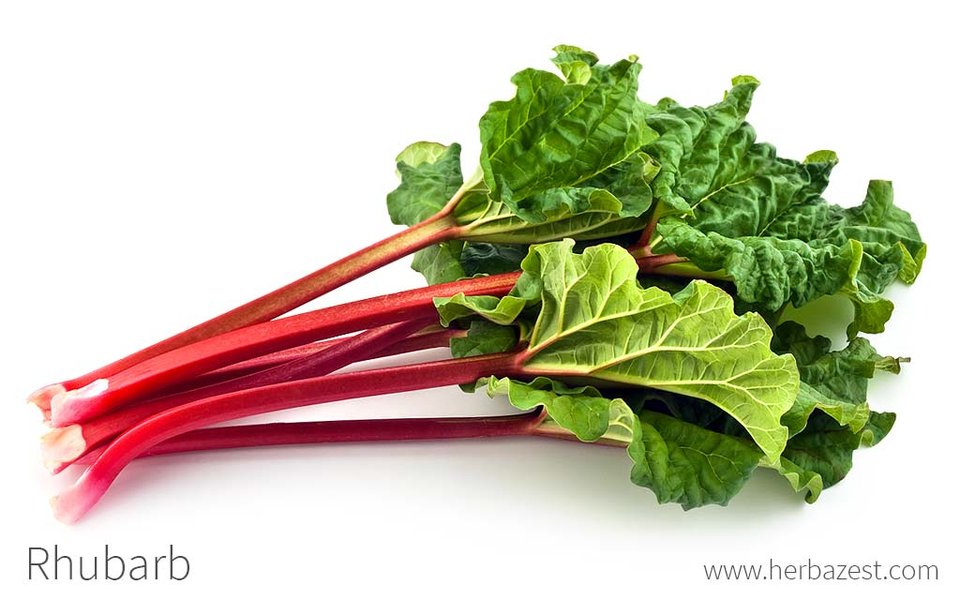
Freshly harvested rhubarb stalks, known for their potential health benefits.
The Science Behind Rhubarb's Diabetic Benefits
Rhubarb's potential in managing type 2 diabetes stems from its rich array of bioactive compounds. These include anthraquinones (like emodin and rhein), flavonoids (such as quercetin), tannins, and a significant amount of dietary fiber. Each of these components contributes to its overall therapeutic profile.
Mastering Blood Sugar and Insulin Dynamics
Mechanisms of Glucose Control
Research indicates that rhubarb can significantly influence blood glucose homeostasis. Certain flavonoids found in rhubarb are believed to stimulate pancreatic beta cells, enhancing the production and secretion of insulin. Insulin is the primary hormone responsible for facilitating glucose uptake from the bloodstream into cells, a process often impaired in type 2 diabetes. Studies involving both animal models and human patients with T2DM have demonstrated that rhubarb extracts can lead to notable reductions in fasting blood glucose (FBS) and glycated hemoglobin (HbA1c) levels. HbA1c is a critical indicator of long-term blood sugar control, reflecting average blood glucose levels over the preceding two to three months.
The Role of Fiber
The substantial dietary fiber content in rhubarb stalks also plays a vital role. Fiber, particularly soluble fiber, slows down the digestion and absorption of carbohydrates in the gastrointestinal tract. This leads to a more gradual rise in postprandial (after-meal) blood glucose levels, preventing sharp spikes that can be detrimental for individuals with diabetes. Some studies suggest rhubarb fiber may be more effective than other plant fibers in reducing passive sugar absorption.
Guarding Against Diabetic Complications
Protecting Kidney Function (Diabetic Nephropathy)
Diabetic nephropathy, or kidney damage resulting from diabetes, is a prevalent and severe complication. Rhubarb has shown promise in mitigating this risk. Compounds like emodin and rhein have been investigated for their reno-protective qualities. Clinical and preclinical studies suggest that rhubarb can reduce proteinuria (excess protein in urine, a sign of kidney damage), improve blood viscosity, and protect overall renal function, especially when used adjunctively with conventional treatments. Its anti-inflammatory properties also help reduce systemic inflammation, which contributes to kidney damage.
Anti-inflammatory Action
Chronic low-grade inflammation is a hallmark of type 2 diabetes and contributes to insulin resistance and other metabolic dysfunctions. Rhubarb's anti-inflammatory compounds can help alleviate this systemic inflammation, potentially improving insulin sensitivity and overall metabolic health. This effect, combined with improved gut barrier integrity, contributes to a healthier internal environment.
The Gut Microbiota Connection: A Key to Metabolic Health
Emerging research highlights the profound impact of gut microbiota on metabolic diseases, including type 2 diabetes. Rhubarb, particularly purified anthraquinone-glycoside preparations (RAGP), has been shown to beneficially modulate the gut microbiome.
Fostering Beneficial Bacteria
Studies indicate that rhubarb supplementation can increase the abundance of beneficial bacteria, such as Lactobacillus and sAkkermansia muciniphila. Conversely, it can reduce populations of harmful bacteria that produce lipopolysaccharides (LPS), endotoxins that can trigger inflammation and insulin resistance. Akkermansia muciniphila, in particular, is associated with improved gut barrier function, reduced inflammation, and better glucose metabolism.
Enhancing Metabolic Pathways
This favorable shift in gut bacteria composition promotes the production of short-chain fatty acids (SCFAs), which have numerous metabolic benefits. Furthermore, these changes can activate pathways involving glucagon-like peptide-1 (GLP-1), a hormone that enhances insulin secretion, slows gastric emptying, and promotes satiety, all contributing to better glucose control and insulin sensitivity.
Rhubarb's Broader Metabolic Impact: A Mindmap Overview
The benefits of rhubarb for individuals with type 2 diabetes extend beyond direct blood sugar control. Its influence on cholesterol, weight, and antioxidant status contributes to a holistic approach to managing the condition. The mindmap below illustrates these interconnected benefits.
This mindmap encapsulates how rhubarb's diverse properties work synergistically to support individuals with type 2 diabetes, addressing not only glycemic control but also associated metabolic disturbances and complications.
Cholesterol Reduction and Weight Management
Many individuals with type 2 diabetes also struggle with dyslipidemia (abnormal lipid levels) and excess body weight. Rhubarb's high fiber content contributes to lowering total and LDL ("bad") cholesterol levels, which is crucial for preventing atherosclerosis and reducing cardiovascular risk. Its low-calorie, high-water-content nature makes it suitable for weight management diets. Studies have shown rhubarb can help prevent excessive weight gain, visceral adiposity, and hepatic steatosis (fatty liver).
Antioxidant Powerhouse and Nutritional Value
Oxidative stress plays a significant role in the development and progression of diabetes and its complications. Rhubarb is a source of potent antioxidants, including anthocyanins (responsible for its red color in some varieties), quercetin, and proanthocyanidins. These compounds help neutralize harmful free radicals, protecting cells from damage. Rhubarb also contains Vitamin A (as carotenoids) and is an excellent source of Vitamin K, which is important for bone health and blood clotting, and may help prevent vascular calcification.
Visualizing Rhubarb's Multifaceted Strengths
To better understand the comparative strengths of rhubarb's different beneficial actions in the context of type 2 diabetes, the following radar chart illustrates the estimated impact of its bioactive compounds and dietary fiber across various health parameters. The scores are based on a synthesis of current research findings.
This chart visually emphasizes how both the unique chemical compounds and the fiber in rhubarb contribute differently but complementarily to its overall health benefits for individuals managing type 2 diabetes.
Key Bioactive Components and Their Roles
The table below summarizes some of the key bioactive compounds found in rhubarb and their primary roles in the context of type 2 diabetes management, based on current research findings.
| Bioactive Compound / Component | Primary Role in Type 2 Diabetes Management | Found Primarily In |
|---|---|---|
| Anthraquinones (e.g., Emodin, Rhein) | Lower blood glucose, protect kidney function, possess anti-inflammatory properties, modulate gut microbiota. | Rhubarb Stalks |
| Flavonoids (e.g., Quercetin) | Stimulate insulin secretion, exert antioxidant effects, contribute to lowering blood glucose. | Rhubarb Stalks |
| Tannins | Exhibit hypoglycemic effects, provide antioxidant benefits. | Rhubarb Stalks |
| Dietary Fiber | Slows glucose absorption from the gut, helps lower cholesterol levels, aids in satiety and weight management, supports gut health. | Rhubarb Stalks |
| Rhaponticin | May help regulate blood sugar spikes. | Rhubarb Stalks (especially in specific species) |
| Vitamin K | Supports bone health, contributes to cardiovascular health (may prevent vascular calcification). | Rhubarb Stalks |
It's the synergistic action of these various components that likely underpins rhubarb's comprehensive benefits for individuals with type 2 diabetes.
This video discusses various red foods, including rhubarb, and their potential to lower blood sugar, referencing a Taiwanese study on rhubarb stem extract's impact on HbA1c levels in type 2 diabetes patients.
Important Considerations and Safe Consumption
While rhubarb offers many potential benefits, there are important considerations for its consumption, especially for individuals with type 2 diabetes:
- Avoid the Leaves: Rhubarb leaves contain high levels of oxalic acid, which is toxic and should never be consumed. Only the stalks are edible.
- Oxalate Content in Stalks: Rhubarb stalks also contain oxalates, though in much lower amounts. Individuals prone to calcium oxalate kidney stones should consume rhubarb in moderation and consult their healthcare provider.
- Added Sugar: Rhubarb is naturally very tart and is often prepared with significant amounts of sugar (e.g., in pies, crumbles, jams). For individuals with diabetes, it's crucial to prepare rhubarb with minimal or no added sugar, or use diabetes-friendly sweeteners. Consuming rhubarb with excessive sugar will negate its blood sugar benefits.
- Cooking Effects: Cooking can degrade some bioactive compounds. While some cooking is often necessary for palatability, minimal processing might preserve more benefits. However, cooking can also reduce oxalate levels.
- Medication Interactions: Rhubarb is high in Vitamin K, which can interfere with blood-thinning medications like warfarin. Patients on such medications should consult their doctor before regularly consuming rhubarb. Its natural laxative properties could also potentially affect the absorption of other medications or interact with blood sugar-lowering drugs.
- Individual Monitoring: Monitoring blood sugar levels before and after consuming rhubarb can help individuals understand its specific impact on their glucose levels.
- Not a Replacement for Medication: Rhubarb should be considered a complementary dietary approach and not a replacement for prescribed diabetes medications or medical advice.
Frequently Asked Questions (FAQ)
How does rhubarb help lower blood sugar in type 2 diabetes?
Can rhubarb replace my diabetes medication?
Are there any risks to eating rhubarb if I have type 2 diabetes?
What part of the rhubarb plant is safe to eat?
How should I prepare rhubarb to get its benefits for diabetes management?
Conclusion
Rhubarb emerges as a promising natural food with multifaceted benefits for individuals managing type 2 diabetes. Its ability to aid in blood glucose regulation, enhance insulin sensitivity, protect kidney function, lower cholesterol, support weight management, and favorably modulate gut microbiota is supported by a growing body of research. The bioactive compounds and dietary fiber in rhubarb stalks contribute to these effects. However, it is crucial to consume rhubarb mindfully, particularly regarding added sugar and potential interactions. As a complementary approach within a balanced diet and under medical guidance, rhubarb can be a valuable addition to a type 2 diabetes management strategy.
Recommended Further Exploration
- What are the specific effects of anthraquinones and flavonoids from rhubarb on insulin resistance mechanisms?
- Are there recent human clinical trial results on rhubarb supplementation for type 2 diabetes patients?
- How can I prepare delicious low-sugar rhubarb recipes suitable for a diabetic diet?
- How does rhubarb compare to other functional foods known for aiding diabetes management?