
Reclaiming Your Mulch: The Ultimate Guide to Chipmunk-Free Gardens
Discover proven, humane strategies to deter chipmunks from your beloved garden beds, combining simplicity with lasting results.
Key Insights for Chipmunk Control
- Integrated Approach is Best: The most effective way to manage chipmunks in mulch involves combining habitat modification, physical barriers, and natural deterrents, escalating to trapping if necessary.
- Physical Barriers Provide Long-Term Solution: Installing wire mesh or hardware cloth beneath mulch beds, buried a few inches deep, is a highly effective, long-term solution to prevent digging and burrowing.
- Natural Repellents Offer Simple Deterrence: Utilizing strong-smelling natural substances like cayenne pepper, peppermint oil, or coffee grounds offers an easy and immediate way to discourage chipmunks from mulch areas.
Chipmunks are charming creatures, but their burrowing habits can wreak havoc on mulch beds, disturbing plant roots, exposing soil, and creating unwanted pathways. They are drawn to mulch because it offers excellent cover, easy digging for burrows, and often proximity to food sources like fallen nuts, seeds, and flower bulbs. To effectively rid your mulch of chipmunks, a multi-faceted approach is essential, focusing on making your garden an unappealing habitat for these industrious rodents.
Understanding Chipmunk Behavior and Attractions
Before implementing control measures, it's crucial to understand why chipmunks are drawn to your mulch. These small rodents are primarily seeking:
- Shelter and Nesting Sites: Mulch provides a soft, easily excavatable material for creating burrows and nests.
- Food Sources: Chipmunks are omnivores, foraging for seeds, nuts, berries, insects, and even flower bulbs. Spilled birdseed, fallen fruit, or accessible garden produce can be major attractants.
- Cover from Predators: Dense foliage, woodpiles, and thick mulch layers offer safe havens from hawks, cats, and other predators.
Addressing these fundamental attractions forms the basis of any effective chipmunk control strategy.
The Pillars of Chipmunk Control in Mulch
An integrated pest management approach, combining various methods, offers the most comprehensive and humane solution for keeping chipmunks out of your mulch. This strategy prioritizes prevention and deterrence before resorting to removal.
Physical Barriers: The Ultimate Defense Against Digging
For a truly effective and long-lasting solution, physical barriers are unparalleled. These methods prevent chipmunks from accessing the mulch itself, making it impossible for them to burrow or dig.
Installing Wire Mesh or Hardware Cloth Under Mulch
This is considered one of the most effective ways to stop chipmunks from digging in your mulch beds. Chipmunks are persistent diggers, and a physical barrier beneath the surface directly thwarts their primary method of intrusion.
- Material Choice: Use 1/4-inch mesh hardware cloth, which is sturdy enough to resist chewing and digging while allowing water and nutrients to pass through.
- Installation: Lay the mesh directly on the soil surface in your mulch beds before applying mulch. Extend the mesh at least 6 inches deep around the perimeter of planting beds to prevent chipmunks from tunneling underneath. Secure the mesh to the ground with garden staples or pins.
- Camouflage: Once the mesh is in place, cover it with your desired mulch type. This hides the barrier, maintaining the aesthetic of your garden while providing effective protection.
- Important Note: If you plant bulbs, remove or loosen the mesh in early spring to allow sprouts to emerge unimpeded.
Protective Cages for Individual Bulbs
For valuable bulbs, consider creating individual "cages" from wire mesh. Before planting, form a small cage around each bulb. This ensures that even if chipmunks manage to dig near the bulb, they cannot access it directly.
L-Shaped Footers for Structures
If chipmunks are burrowing under foundations, sidewalks, or porches adjacent to mulch beds, installing L-shaped mesh barriers can be highly effective. This involves burying hardware cloth vertically and then bending it outwards horizontally at the bottom to create an "L" shape, preventing them from digging down and then under.
Natural and Scent-Based Repellents: A Simple First Line of Defense
Chipmunks have a highly developed sense of smell, making strong odors an excellent deterrent. These methods are simple to apply and can offer immediate, albeit sometimes temporary, relief.
Common Household Deterrents
- Hot Pepper Products: Sprinkling cayenne pepper powder or chili powder directly onto the mulch surface and around plants is a widely recommended method. The capsaicin irritates their sensitive noses and mouths. You can also create a homemade spray by mixing hot peppers with water and a little dish soap. Reapplication is necessary after rain or every few weeks.
- Garlic: Crushed garlic cloves, garlic powder, or garlic-based sprays can be effective due to their pungent aroma.
- Peppermint: Peppermint oil, diluted in water and sprayed, or cotton balls soaked in peppermint oil and placed in problem areas, can deter chipmunks.
- Coffee Grounds: Sprinkling used coffee grounds around mulch beds is another simple deterrent. The strong scent and texture are generally disliked by chipmunks. These will need to be replenished regularly as their scent fades.
- Castor Oil: Often used for mole control, drenching the soil in containers or small areas with a castor oil repellent can also deter chipmunks.
- Ammonia or Soap: Spraying a liquid version of ammonia or soapy water in problem areas can be effective, though care should be taken as ammonia can be harsh on plants.
Using Specific Mulch Types
The type of mulch you choose can also play a role in deterrence:
- Coarse or Prickly Mulch: Materials like pine needle mulch or shredded bark with a rough texture can be uncomfortable for chipmunks to dig through, making your mulch less appealing for burrowing.
- Cedar Mulch: This type of mulch has a strong, earthy aroma that many chipmunks dislike, potentially serving as a natural deterrent.
- Strategic Application: Applying a thick layer of mulch immediately after planting bulbs can help mask the scent of freshly disturbed soil, which often attracts chipmunks.
Habitat Modification: Making Your Garden Less Inviting
Removing attractants and altering the environment around your mulch beds can significantly reduce chipmunk activity.
- Remove Food Sources: Regularly clean up fallen fruits, nuts, and seeds from your garden. Secure bird feeders or use trays to catch spilled seeds, as these are major attractants.
- Clear Brush and Wood Piles: Chipmunks use dense ground cover, brush piles, and woodpiles for shelter and nesting. Keeping these areas tidy and away from your mulch beds reduces available cover.
- Trim Foliage: Keep your lawn mowed and trim tree branches and shrubs, especially those near the ground. Less dense foliage reduces cover and makes chipmunks feel more exposed to predators.
- Thin Mulch Layers: While mulch is good for plants, overly thick layers (more than 2-3 inches) can provide too much cover for chipmunks. Maintain a moderate thickness.
- Provide Alternative Water Sources: In dry periods, chipmunks may seek water in your garden. Providing a dedicated water source away from your plants might reduce their interest in digging near sensitive areas.
Repellent Plants: Natural Barriers in Your Landscape
Strategic planting can act as a natural deterrent, utilizing plants with strong scents that chipmunks dislike.
- Daffodils: These beautiful spring flowers contain compounds that are toxic to chipmunks and other rodents, making them naturally resistant to being eaten.
- Marigolds: Known for their strong, distinct scent, marigolds can deter a variety of garden pests, including chipmunks.
- Alliums: This family includes garlic, onions, chives, and ornamental alliums. Their pungent aroma is generally disliked by chipmunks, making them good companion plants around vulnerable areas.
Trapping and Removal: For Persistent Infestations
If deterrence and habitat modification prove insufficient, trapping offers a direct way to reduce the chipmunk population in your area. Always check local regulations regarding wildlife relocation before proceeding.
Live Trapping
This humane method allows you to catch chipmunks without harming them and relocate them far from your property (at least a mile away, if permitted).
- Trap Type: Use small, multi-catch traps or single-catch live traps designed for chipmunks or small rodents.
- Bait: Peanut butter mixed with oatmeal, sunflower seeds, or nuts are highly effective baits. Place the bait at the very back of the trap to ensure the chipmunk enters completely.
- Placement: Position traps near burrow entrances or along pathways where you observe frequent chipmunk activity in the mulch. Place them perpendicular to walls or structures for better capture rates.
- Regular Checks: Check traps daily, preferably at dusk, to ensure humane treatment of captured animals.
- Relocation: Once a chipmunk is trapped, relocate it promptly and cleanly. Thoroughly clean the trap after each use to remove human scent, which can deter future captures.
Snap Traps
Large wooden-base snap traps designed for rat control can also be effective but are lethal. Place them near burrow openings in the mulch. Use caution to avoid accidental injury to pets or children.
Bucket Traps
A simple, homemade bucket trap can be effective. Fill a 5-gallon bucket with about 4 gallons of water, then cover the surface with sunflower seeds. Create a ramp leading to the bucket, perhaps with a trail of seeds. Chipmunks are attracted to the seeds, fall into the water, and cannot escape.
This radar chart illustrates the comparative strengths of various chipmunk control strategies across different dimensions, such as effectiveness, ease of implementation, cost, humane impact, and long-term solution. As seen in the chart, physical barriers offer a robust, long-term solution with high effectiveness, while natural repellents excel in ease and cost, making them excellent first steps. Habitat modification provides a strong humane and long-term benefit, and trapping is highly effective for removal, though it requires more consistent effort.
Choosing the Right Strategy for Your Garden
The "simplest, easiest, and most effective" approach often involves a combination of methods, tailored to your specific situation. Here's a breakdown to help you decide:
Immediate & Easy Steps (Low Effort, Quick Impact)
If you're looking for quick, non-invasive solutions, start with these:
- Natural Repellents: Sprinkle cayenne pepper, coffee grounds, or spray peppermint oil. These are easy to apply and use readily available materials.
- Clean-up: Immediately remove fallen nuts, seeds, and fruits. Keep bird feeder areas tidy.
Long-Term & Effective Solutions (Higher Effort, Lasting Impact)
For more persistent problems or lasting prevention, incorporate these:
- Physical Barriers: Install wire mesh under your mulch beds. This is the most effective way to prevent digging.
- Habitat Modification: Clear brush piles, trim dense foliage, and maintain a neat garden.
- Deterrent Planting: Incorporate plants like daffodils or alliums around vulnerable areas.
If All Else Fails (Targeted Removal)
For severe infestations where prevention and deterrence aren't enough:
- Trapping: Use live traps for humane removal, or snap traps if local regulations and personal preference allow.
This mindmap visually organizes the various strategies for chipmunk control in mulch, categorizing them into prevention and deterrence, and removal methods. It highlights the interconnectedness of different approaches, emphasizing that a combination of these tactics leads to the most successful long-term management.
Preventative Measures: Staying Ahead of the Problem
Consistent vigilance and preventative measures are key to long-term chipmunk control. By understanding and anticipating their needs, you can make your garden an unwelcoming place for them.
Regular Garden Monitoring
Periodically inspect your mulch beds for signs of chipmunk activity, such as new holes, disturbed mulch, or damaged plants. Early detection allows for quicker intervention before an infestation takes hold.
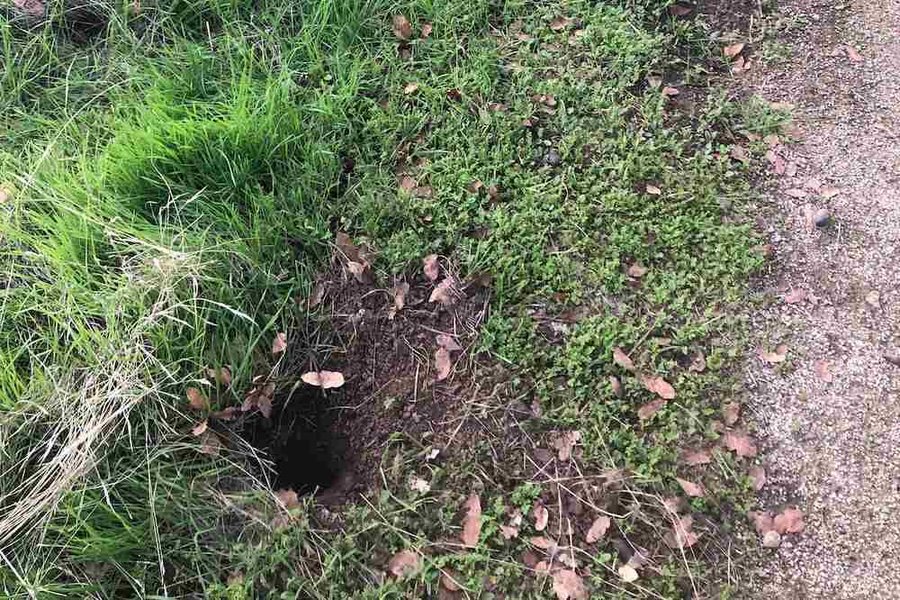
Signs of chipmunk damage, including disturbed mulch and exposed plant roots.
Maintaining Thin Mulch Layers
While mulch is beneficial, excessively thick layers can provide ideal cover and digging ease for chipmunks. Aim for a mulch layer of 2-3 inches, which is sufficient for plant health without becoming an attractive burrowing site.
The Role of Professional Services
For severe or recurring chipmunk infestations, or if you prefer not to handle wildlife removal yourself, professional wildlife control services can be invaluable. They can accurately assess the situation, implement advanced trapping and exclusion strategies, and provide tailored advice for preventing future problems.
Important Considerations
When dealing with chipmunks, it's vital to consider the impact of your methods on other wildlife, pets, and the environment.
- Humane Methods: Prioritize humane and natural methods to avoid harming chipmunks or other animals. Many experts recommend avoiding toxic repellents due to their danger to non-target species.
- Persistence: Keeping chipmunks out of your yard and garden is often an ongoing effort. New chipmunks may move into an area if attractive food and cover remain. Consistent application of deterrents and maintenance is crucial.
- Local Regulations: Always check local laws regarding the relocation of wildlife, as chipmunks may be protected animals in some areas, or there may be specific guidelines for their removal.
Summary of Effective Chipmunk Control Methods
This table provides a concise overview of the most effective and commonly recommended methods for keeping chipmunks out of your mulch, summarizing their application and benefits.
| Method Category | Specific Methods | Application/Benefit |
|---|---|---|
| Physical Barriers | Wire Mesh/Hardware Cloth Under Mulch | Prevents digging into beds; long-term, highly effective. |
| Bulb Cages | Protects individual bulbs from being eaten. | |
| L-shaped Footers | Deters burrowing under structures near mulch. | |
| Natural Repellents | Hot Pepper Products (Cayenne, Chili Powder) | Irritates senses; simple and immediate deterrence. |
| Peppermint Oil, Coffee Grounds, Garlic, Castor Oil | Strong scents chipmunks dislike; easy to apply. | |
| Coarse or Cedar Mulch | Unpleasant texture or strong scent deters digging. | |
| Habitat Modification | Remove Food Sources (Spilled Seeds, Fallen Fruit) | Eliminates primary attractant, making area less appealing. |
| Clear Brush/Wood Piles & Trim Foliage | Reduces shelter and hiding spots. | |
| Maintain Thin Mulch Layers | Prevents excessive cover for burrowing. | |
| Repellent Plants | Daffodils, Marigolds, Alliums | Strong scents or toxic compounds deter chipmunks naturally. |
| Trapping & Removal | Live Traps (Relocate) | Humane removal of persistent individuals; check local laws. |
| Snap Traps (Lethal) or Bucket Traps | Effective for direct removal; use with caution. |
Relevant Video Resources
Visual aids can often provide clearer instructions and demonstrations of these methods. The following video offers practical insights into dealing with chipmunks and voles, which often exhibit similar damaging behaviors in garden beds.
"Pat Sullivan: How to avoid damage from chipmunks and voles" offers practical tips on identifying and mitigating damage from these burrowing pests, providing context relevant to protecting your mulch beds.
This video focuses on both chipmunks and voles, common culprits for damage in planting beds and burrowing under structures. It highlights preventative measures and strategies to avoid damage, which is highly relevant to keeping your mulch undisturbed. The content includes visual examples of damage and potential solutions, making the advice more tangible for gardeners.
Frequently Asked Questions (FAQ)
Are chipmunks protected animals, and can I relocate them?
How often should I reapply natural repellents to my mulch?
Can I use mothballs to deter chipmunks?
Will attracting predators help control chipmunks?
Why do chipmunks keep coming back even after I remove them?
Conclusion
Successfully ridding your mulch of chipmunks involves a thoughtful, multi-pronged approach that combines physical barriers, natural deterrents, habitat modification, and, if necessary, humane trapping. By understanding what attracts chipmunks and consistently applying these methods, you can transform your garden into a less inviting environment for these busy burrowers. Prioritizing prevention and humane solutions will ensure a harmonious balance in your outdoor space, protecting your plants and preserving the beauty of your mulch beds for years to come.
Recommended Further Exploration
- How to prevent chipmunks from burrowing under foundations?
- What are the best humane traps for small rodents?
- Which garden plants naturally repel common garden pests?
- What is integrated pest management for suburban gardens?