
Rolf Sundberg and His Analysis of Litiskt Råmaterial
An in-depth look at a C-uppsats on Senpaleolitikum in Skåne
Key Insights
- Rolf Sundberg's Background: A researcher with roots in archaeology, using quantitative analysis to explore prehistoric technology.
- Focus on Litiskt Råmaterial: Analyzing stone tool production, typified by kärnyxor, sheds light on technological behaviors.
- Senpaleolitikum in Skåne: The study provides insights into material culture during a critical transitional period in Scandinavian prehistory.
Overview of the Study
The work in focus is a C-uppsats (an academic thesis) by Rolf Sundberg from Göteborgs universitet that examines the theme of "Senpaleolitikum i Skåne: litiskt råmaterial och teknologiskt beteende. En analys baserad på kärnyxor inom två skandinaviska områden." This title encapsulates a detailed inquiry into the material culture of a period known as the Senpaleolitikum in Skåne, a phase bridging older Paleolithic traditions and more refined technological approaches seen later in prehistory.
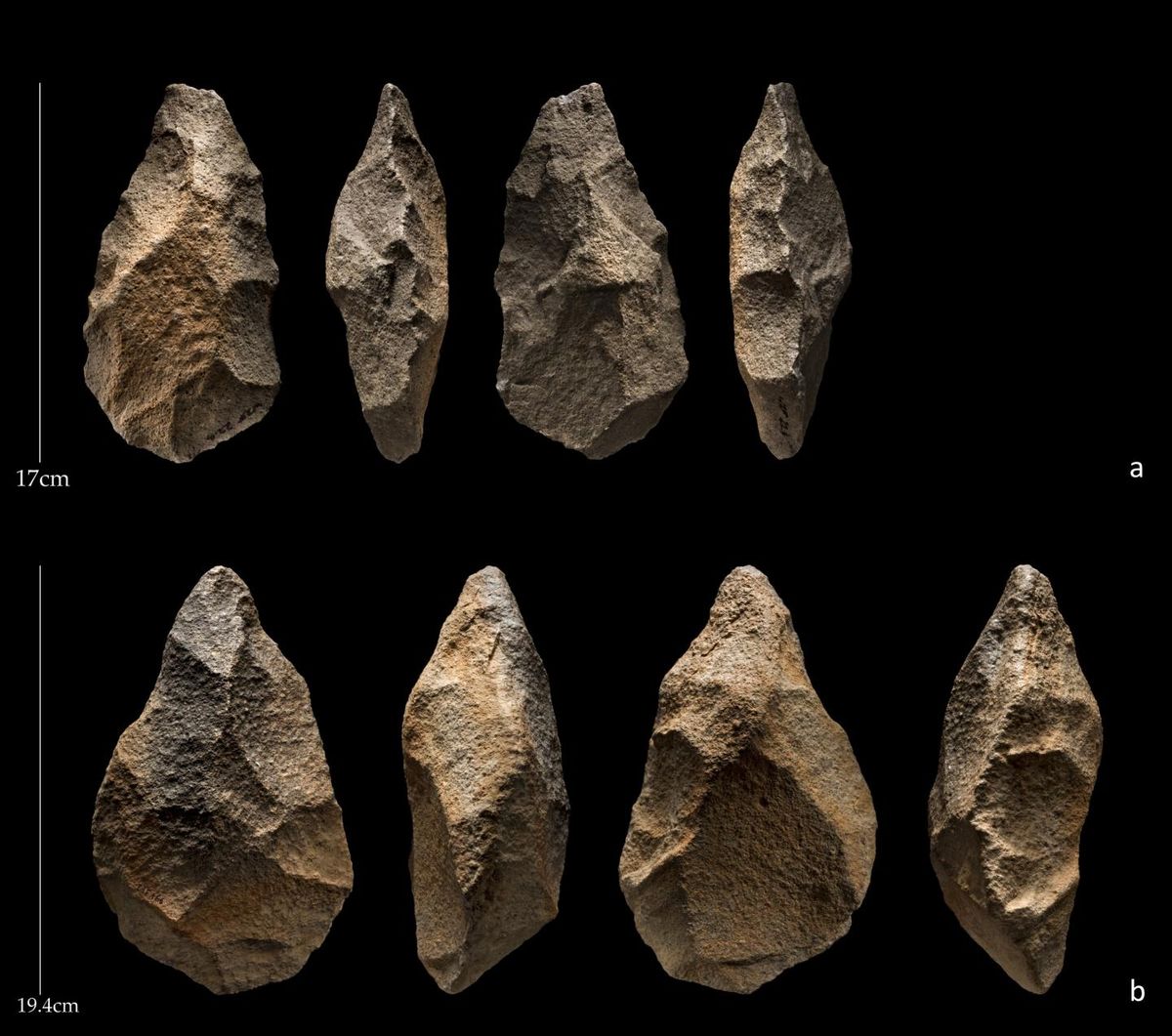
Sundberg’s research is grounded in the analysis of kärnyxor—nearly unrefined, hand-made stone axes that offer a window into the technological decisions of prehistoric groups. Through this examination, the work attempts to elucidate how ancient peoples selected and worked with lithic materials, ultimately reflecting on broader patterns of technological behavior and adaptability.
Rolf Sundberg’s Background and Academic Context
Personal and Academic Profile
Rolf Göran Sundberg, the researcher behind this C-uppsats, resides at Hedevägen 1 in Lödöse. Born in 1951, his work illustrates a blend of archaeological inquiry and, at times, quantitative analysis, likely influenced by his background which includes not only field archaeology but also a set of analytical tools possibly derived from mathematics, statistics, or related disciplines. His academic portfolio extends to studies that delve into the technological choices and raw material usage among prehistoric Scandinavian communities.
This multi-faceted approach is significant because it allows for a richer, nuanced understanding of how material culture evolved in response to both environmental challenges and social dynamics. By focusing on lithic raw materials and their technological behaviors, Sundberg provides data that not only enriches our understanding of tool production but also illuminates broader cultural patterns within the Mesolithic and Senpaleolithic periods.
Litiskt Råmaterial and Technological Behavior
Defining Litiskt Råmaterial
Litiskt råmaterial, or lithic raw material, is any stone suitable for tool-making. In the context of the analysis, the material is understood to be sourced from various types of rock such as flint or other hard stones. Sundberg’s study specifically uses kärnyxor as a primary example of how prehistoric communities exploited available resources. These stone axes are fundamentally significant because they represent one of the earliest forms of engineered tools, combining physical properties of stone with human ingenuity.
Kärnyxor: The Instrument of Analysis
Kärnyxor are not merely primitive axes; they embody a methodological approach to understanding prehistoric technology. These tools:
- Were typically produced with minimal refinement, reflecting immediate functionality over aesthetic or prolonged use.
- Showcase the raw choices in material selection, which depended largely on local availability and inherent material properties.
- Provide insight into the technological capabilities of the period, revealing information about craftsmanship, usage patterns, and perhaps even cultural symbolism in tool design.
By centering his analysis on these tools, Sundberg creates a framework to study the intersection between the environment (availability of raw materials), human behavior (tool production and use), and the technological proficiency of the community.
The technological behavior investigated encompasses the techniques used in shaping the stone, the tools’ ergonomic aspects, and even their eventual discard or recycling, as residual evidence in the archaeological record.
Senpaleolitikum in Skåne
Understanding the Period
The Senpaleolitikum, or late Paleolithic era, marks an important transitional stage in Scandinavia, particularly in regions like Skåne. During this time, human societies were adapting to changing climates and shifting resource landscapes. As a result, innovations in tool-making are prominent, and the experimentation with lithic techniques is notable.
Sundberg’s study in Skåne focuses on decoding the ways in which material choices and technological behaviors were influenced by this changing milieu. His analysis of stone axes from two different Scandinavian areas not only contrasts regional variations but also provides a comparative view of how different communities responded to similar environmental pressures.
Regional Comparative Analysis
Through his comparative analysis, Sundberg is able to draw conclusions about:
- Resource Distribution: How geological availability and accessibility of suitable lithic materials influenced tool production.
- Cultural Divergence: Variations in tool design and production techniques that hint at localized adaptations and social influences.
- Technological Innovation: The emergence of new practices in tool production as adaptations to climatically driven resource constraints.
Such studies are essential for reinforcing the notion that prehistoric technological behavior cannot be examined in isolation. Rather, it is the product of a dynamic interplay between environment, culture, and the raw material choices available at any given time.
Methodological Approach in the C-uppsats
Research Design and Data Collection
Rolf Sundberg’s study uses a well-defined methodological approach to analyze the lithic materials. The research likely began with a comprehensive survey and collection of stone tool samples from identified sites in the two Scandinavian regions under study. Each sample would have been subjected to detailed macroscopic analysis, including measurements, typological sorting, and possibly microscopic examinations to understand production techniques.
Analytical techniques in lithic studies include:
- Technological Analysis: Investigating the techniques of flintknapping or fracturing used to produce the stone axes.
- Comparative Analysis: Assessing similarities and differences between tool assemblages from different regions to discern patterns.
- Contextual Analysis: Evaluating the finds with respect to their stratigraphic and geographic context to draw conclusions about use and discard patterns.
Quantitative Aspects
In some instances, researchers like Sundberg integrate statistical methods to support their interpretations. This might include correlational studies or frequency distribution analyses to support claims about the prevalence of certain tool types in specific regions. Such quantitative aspects help in underpinning qualitative insights, offering a more systematic understanding of technological evolution.
Implications of the Study
Contributing to Archaeological Discourse
The significance of Sundberg’s research lies in its utility as a case study in understanding prehistoric technological innovation and adaptation strategies. By focusing on lithic raw materials, the study contributes to archaeological discourse in several ways:
- Resource Utilization: It elucidates how ancient communities optimized locally available resources, impacting theories on mobility, settlement patterns, and resource management.
- Technological Choices: The analysis of kärnyxor offers practical insights into the decision-making processes behind tool production, reflecting a balance between efficiency and functionality.
- Cultural Significance: Variations in tool form and production styles hint at deeper cultural and social underpinnings that influenced prehistoric life, such as trade, communication, and interregional contacts.
Furthermore, by comparing data from two Scandinavian regions, the study adds a significant dimension to our understanding of how regional environmental differences and cultural practices shaped technological evolution.
Comparative Table of Key Findings
| Aspect | Description | Implications |
|---|---|---|
| Litiskt Råmaterial | Use of raw stone materials (flint and other hard stones) for tool production. | Indicates resource availability and technological requirements of the era. |
| Kärnyxor | Primitive, minimally worked stone axes from two Scandinavian areas. | Reveals local adaptations and technological experimentation. |
| Senpaleolitikum | Late Paleolithic period in Skåne marked by transitional cultural and technological changes. | Highlights adaptive responses to environmental changes and resource distribution. |
| Methodology | Combination of qualitative typological and quantitative statistical analyses. | Enhances the reliability and depth of archaeological interpretations. |
Relevance in the Broader Scope of Prehistoric Research
Integrating Archaeological Theories
The analysis provided by Sundberg does more than simply catalogue ancient artifacts; it integrates multiple archaeological theories. For instance, it touches upon cultural transmission theories – examining how technological know-how was passed between groups. Additionally, his work intersects with discussions on sustainable resource use among prehistoric populations.
The implications extend into debates concerning innovation cycles in early technologies. As communities encountered varying degrees of resource scarcity or abundance, their technological responses not only reflect the immediate needs but also indicate long-term strategies for survival and adaptation.
Interdisciplinary Connections
Sundberg’s research is a testament to the increasingly interdisciplinary nature of archaeology. By melding approaches from fields such as materials science, environmental studies, and even early statistical analysis, the C-uppsats illustrates how comprehensive archaeological studies can be. This interdisciplinarity aids in constructing a holistic narrative about prehistoric life, where the technical analysis of stone tools complements broader interpretations of cultural dynamics.
Such studies pave the way for future academic inquiries that can expand upon:
- Comparative studies between different regions of Scandinavia and beyond.
- Advancements in lithic analysis techniques utilizing modern imaging and computational methods.
- The exploration of environmental impacts on technological innovations during transitional periods.
Practical Research and Future Directions
Suggestions for Further Investigation
Building on the findings of Rolf Sundberg’s C-uppsats, several avenues for future research emerge. One key direction is the deeper analysis of the raw material procurement strategies employed by prehistoric communities. Investigations into the geochemical characteristics of lithic sources can further substantiate hypotheses about trade and mobility.
Moreover, enhanced technological tools, such as 3D imaging and computer-aided reconstruction, could provide more detailed insights into the manufacturing techniques used for kärnyxor. These advancements would allow researchers to model wear patterns and better understand the lifespan and functional evolution of these tools.
Collaborative Multidisciplinary Research
Future projects could benefit significantly from collaborative efforts that unite archaeologists, geologists, materials scientists, and even experts in digital humanities. Such collaborations could lead to a richer understanding of how raw materials and technological behaviors co-evolved with cultural practices in prehistoric societies.
References
- Göteborgs universitet Publications - Göteborgs universitet
- Stenyxa - Wikipedia
- Archaeological Study in Bergen and Lödöse - Academia.edu
- Rolf Goran Sundberg Profile - Ratsit
- Library Record - Libris
Recommended Further Research Queries
Last updated March 19, 2025