
Understanding the Competency-Based Learning Module for Providing Room Service
A comprehensive guide to mastering effective room service delivery
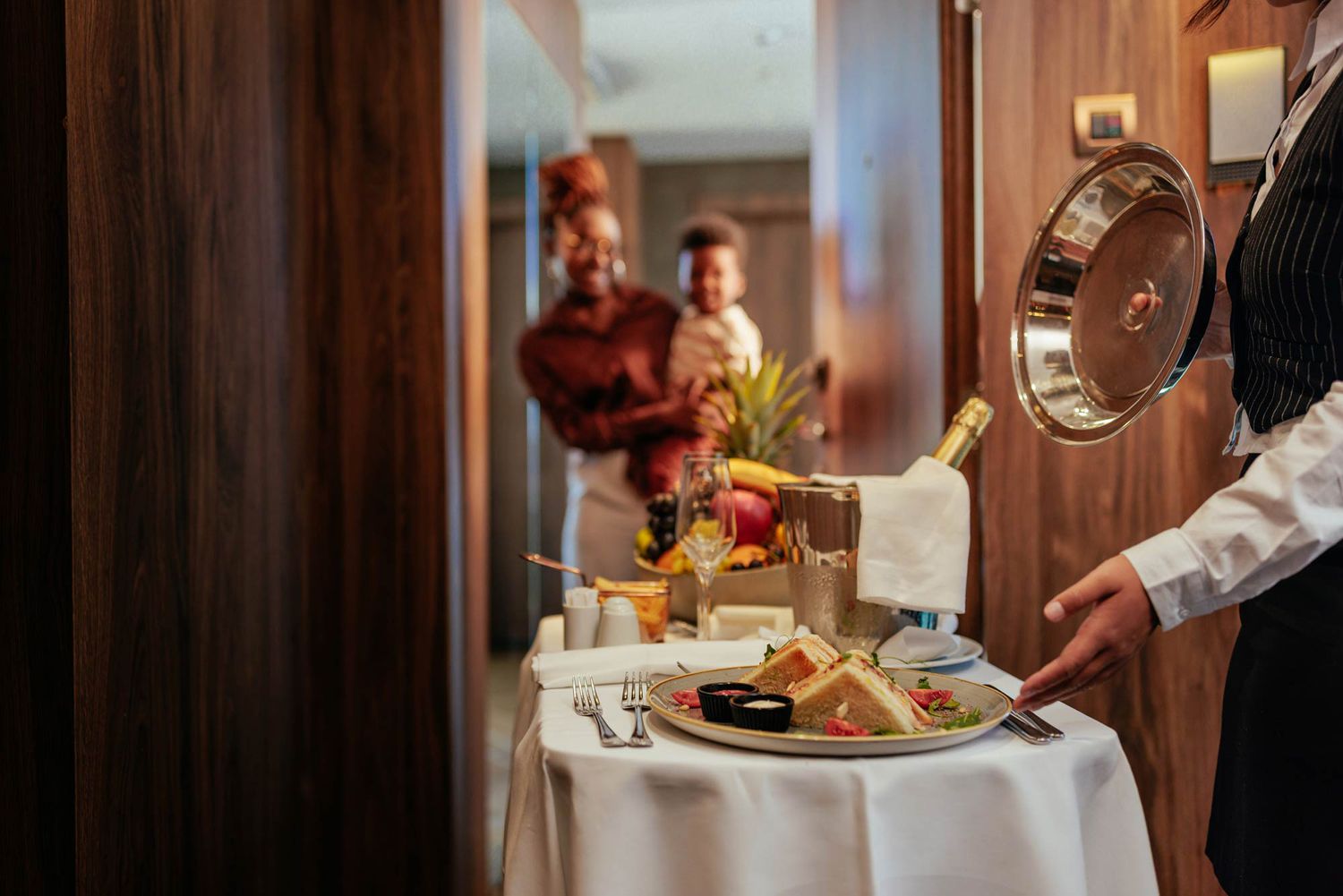
Highlights
- Comprehensive Skill Development: Focuses on taking orders, setting up trays, and presenting meals professionally.
- Structured Learning Outcomes: Provides specific learning objectives and assessment criteria to ensure real-world applicability.
- Industry-Relevant Training: Designed for the Food and Beverage Services NC II qualification, perfect for careers in hospitality.
Introduction
The Competency-Based Learning Module (CBLM) for Providing Room Service is an integral part of the Food and Beverage Services NC II qualification. This module is tailored to equip learners with hands-on skills and knowledge that are essential for delivering effective and efficient room service. In today’s competitive hospitality industry, guest satisfaction is paramount. The module’s comprehensive curriculum ensures that trainees are well-prepared to handle the specific demands of room service operations while developing excellent customer service skills and technical competencies.
Module Structure and Objectives
Overview of the Module
The curriculum of the module is strategically structured to cover every aspect of room service operations. It begins with the fundamentals of taking and processing orders, extends to the physical setup and presentation of service, and concludes with procedures for handling payments and concluding service duties. This comprehensive approach means that students not only learn how to meet customer expectations but also how to operate within established hospitality standards.
Key Learning Outcomes
The module outlines specific learning outcomes that trainees are expected to achieve upon completion. These outcomes ensure that the skills acquired are directly applicable to the demands of room service in a modern hospitality setting. Trainees who complete this module will be adept at:
- Taking and accurately processing room service orders via telephone or written communication.
- Setting up trays and trolleys to meet a variety of service requirements and ensuring that equipment is maintained in perfect condition.
- Presenting both meals and beverages in a way that is consistent with high hospitality standards, ensuring that service delivery is flawless.
- Managing room service accounts efficiently and correctly interpreting payment procedures.
- Clearing the service area effectively, ensuring that the space is restored to its original condition post-service.
Detailed Learning Objectives
To elaborate further, the module develops competencies around the following core objectives:
1. Order Taking and Processing
Trainees learn to manage room service orders by adopting proper telephone etiquette, clarifying details, and using selling techniques if necessary. The fundamentals include verifying the customer’s name, repeating orders for confirmation, and accurately taking down all details as prescribed by the establishment’s standard operating procedures. This structured approach not only reduces errors but also enhances customer confidence.
2. Tray and Trolley Setup
An essential competency is the proper arrangement of trays and trolleys. The module emphasizes:
- Ensuring that all necessary items are available and in pristine condition.
- Checking for cleanliness and possible damages before use.
- Developing a systematic approach to setting up according to the meal function demands, whether it is a breakfast in bed or a multi-course dinner service.
3. Presentation of Meals and Beverages
The presentation is a critical aspect of room service. Trainees are trained to assemble and deliver meals and beverages with attention to detail. Specific steps include:
- Ensuring that every element of the order is carefully checked against the guest’s request.
- Displaying food items and drinks in an appealing layout.
- Maintaining professionalism while interacting with guests during delivery.
4. Account Presentation and Payment Handling
Managing the financial aspect of room service is equally important. The module covers how to present the account to the guest, follow up on payments, and manage charge accounts if applicable. This includes:
- Reviewing and organizing the order details into a coherent account presentation.
- Collecting payments or verifying signatures as per the establishment’s policies.
- Ensuring transparency and accuracy in the billing process.
5. Clearing and Restocking Procedures
Once the service is completed, the module instructs trainees in the efficient clearing of the room service area. This includes:
- Removing used items in an orderly fashion.
- Checking floors for any spills or messes that need immediate attention.
- Returning equipment to its designated place and restocking supplies as necessary.
Training Methodologies and Assessment Strategies
Instructional Techniques
The module employs diverse instructional methodologies to cater to different learning styles. Training is delivered using a combination of self-paced learning materials, film viewings, demonstrations, and role-playing exercises. These approaches help trainees internalize both theoretical knowledge and practical skills.
Instructors often use real-life scenarios to mimic the pressures and dynamics of an operating hospitality environment. This hands-on training is essential for building the confidence and competence required in the industry.
Assessment and Evaluation
Evaluation is an integral component of the CBLM program. Trainees undergo various assessments including:
- Demonstrations and Role-Plays: Practical exercises that simulate real room service situations.
- Written Tests: Assessing the theoretical knowledge and understanding of standard operating procedures.
- Task and Job Sheets: Detailed checklists that ensure each step in the room service process is completed accurately.
These assessments are designed to be comprehensive, ensuring that trainees are competent in every aspect of the service delivery process – from the initial order call to the final clearing of the service area.
Real-World Applicability and Industry Relevance
Integration into Hospitality
With an increased focus on guest satisfaction in the hospitality sector, proficiency in room service operations is critical for hotels and other accommodations. The CBLM integrates theoretical aspects with practical applications, ensuring that every trainee is ready to excel under real-world conditions.
The operational procedures taught in this module directly contribute to enhancing treatment standards and service quality in large commercial accommodation establishments. Knowledge acquired through the module aligns with the practical needs of front desk management, housekeeping, and food and beverage departments.
Adaptability Across Establishments
One of the defining strengths of the CBLM for Providing Room Service is its adaptability. While the module is standardised to meet industry benchmarks, it is designed to be flexible enough to accommodate the varying policies and procedures across different establishments. Whether a luxury hotel, a resort, or a business-oriented accommodation, the strategies taught are universally applicable and can be customised to fit specific operational contexts.
Operational Workflow and Best Practices
Understanding the workflow in providing efficient room service is critical for streamlining operations. The module provides clear guidelines on standard operating procedures (SOPs) that trainees must follow to ensure consistency and quality in service delivery.
Standard Operating Procedures (SOPs)
The SOPs established through this module involve sequential steps starting from the moment a room service request is received. These include:
- Answering the call with proper etiquette and confirming the guest’s details.
- Repeating and confirming the order to ensure complete accuracy.
- Efficiently communicating the order to the relevant kitchen or service area.
- Preparing and verifying the order before assembling the tray or trolley.
- Presenting the items to the guest in a professional manner.
- Handling the billing process accurately and ensuring secure payment methods.
- Clearing and restocking the service area promptly, maintaining service continuity.
Table: Summary of Service Process
| Service Stage | Key Actions | Considerations |
|---|---|---|
| Order Taking |
|
|
| Tray and Trolley Setup |
|
|
| Meal Presentation |
|
|
| Account Presentation |
|
|
| Service Clearing |
|
|
Integration of Practical Exercises
Role-plays and Simulation
Practical exercises like role-plays and simulation tasks are integral parts of the training process in this module. By engaging in role-play scenarios, trainees simulate real-life interactions with guests. These exercises allow them to:
- Experience the pressure and dynamics of a busy service environment.
- Practice effective communication and problem-solving skills.
- Receive immediate feedback from instructors for timely improvements.
Such hands-on practice sessions ensure that trainees are not only theoretically prepared but also able to apply their skills in real-world contexts.
Feedback and Continuous Improvement
Post-assessment evaluations and regular feedback sessions are used to continuously improve a trainee’s performance. Instructors highlight key areas needing improvement and provide targeted advice to help refine service techniques. This ongoing process is designed to foster an environment of continuous learning and professional development.
Industry Importance and Career Opportunities
Meeting Industry Standards
The competencies developed through this module have direct implications for career advancement in the hospitality industry. The structured training ensures that every trainee is prepared to handle the complexities of a service-oriented role in hotels, resorts, and other lodging establishments. With a focus on precision, professional etiquette, and customer satisfaction, graduates of this program are highly valued by employers.
Industry standards continue to evolve, and the CBLM keeps pace by incorporating new service trends and technology-driven methods in order taking and delivery. This ensures that trainees are versatile and ready for a wide array of operational environments.
Certification and Career Advancement
Upon successfully completing the module, trainees typically receive a Certificate of Achievement. This certification is recognized across the hospitality industry, paving the way for them to pursue advanced roles beyond just room service. The skills acquired can enhance performance in positions ranging from front desk operations to full-scale management roles in food and beverage services.
Practical Insights and Best Practices
Efficiency and Professionalism
Efficiency in operations and consistency in service quality are hallmarks of exceptional room service. The module instills best practices that ensure all interactions are conducted with a high level of professionalism. Standard operating procedures, combined with continuous practice and thorough evaluations, allow trainees to develop efficiency in managing high volumes of service requests while maintaining a personal touch.
Service Customization
The contemporary hospitality industry often demands that services be tailored to individual customer needs. As part of the training, learners are taught to adapt their approach based on the specific requirements of guests. For example, personalized greetings, special dietary considerations, and room-specific service adjustments are all elements discussed in detail during the training sessions.
This personalized approach not only elevates the guest experience but also enhances customer loyalty and repeat business. Aligning service practices with the culture and values of a particular establishment further solidifies the reputation and reliability of the brand.
Challenges and Solutions in Room Service Delivery
Common Challenges
Despite the comprehensive training provided, there are inherent challenges in the field of room service. Common issues include miscommunication during order taking, delays in service, and inconsistencies in presentation. Such challenges can arise due to busy service periods, technological limitations, or simple human error.
Strategies for Overcoming Challenges
The module offers several strategies to mitigate these challenges, including:
- Enhanced Communication: Emphasizing clear and concise communication procedures between the service team and guests.
- Regular Equipment Checks: Implementing routine checks of equipment and supplies to prevent delays caused by malfunction or damage.
- Structured Feedback: Using customer feedback and internal reviews to continuously improve service practices and address recurring issues.
Adopting these strategies ensures that even when unforeseen issues arise, the service remains efficient and guest satisfaction remains high.
Future Trends in Room Service and Competency Training
Technological Integration
With rapid technological advancements, the future of room service is evolving rapidly. Innovations like mobile ordering apps, digital payment systems, and inventory management software are being integrated into service operations to improve efficiency. The module is constantly updated to reflect these trends, ensuring that trainees are well-versed with the latest technological tools.
Increasing Focus on Customer Experience
As guest expectations continue to rise, there is an increasing focus on creating personalized and memorable experiences. Future curriculum enhancements could include advanced techniques in guest engagement, the use of data analytics to predict guest preferences, and methods for streamlining service operations while maintaining a personal touch.
Continuous Improvement and Lifelong Learning
The principles underlying competency-based training encourage a culture of continuous improvement. Instructors and trainees alike are encouraged to keep updated on industry standards through periodic refresher courses, workshops, and hands-on training sessions. This commitment to lifelong learning ensures that service professionals remain adaptable and relevant in an ever-evolving field.
Conclusion and Final Thoughts
The Competency-Based Learning Module for Providing Room Service stands as a pivotal element in preparing hospitality professionals with round-the-clock readiness and proficiency. It is meticulously designed to cover all aspects of room service—from order taking and tray setup to meal presentation, billing, and clearing protocols. The module not only sharpens the technical and practical skills but also emphasizes the importance of professionalism, efficiency, and personalized service which are critical in fostering guest loyalty and enhancing the overall reputation of hospitality establishments.
What makes this training module particularly valuable is its industry relevance and adaptability. It is crafted in accordance with the rigorous standards of the Food and Beverage Services NC II qualification, ensuring that graduates are well-equipped to thrive in any hospitality setting. Moreover, by integrating hands-on role plays, comprehensive feedback systems, and continuous skill development practices, the module prepares professionals to navigate the complexities of modern room service delivery effectively.
In conclusion, whether you are an aspiring hospitality professional or a seasoned manager looking to refine your team’s skills, understanding and implementing the principles taught in this module will undoubtedly enhance service quality and operational efficiency. With its balanced blend of theoretical knowledge and practical exercises, the Competency-Based Learning Module for Providing Room Service is a robust tool for ensuring excellence in guest service delivery.
References
- CBLM Food and Beverage Services NC II Document - Course Hero
- CBLM Provide Room Service Module - Scribd
- Room Service Competency Module - StuDocu
- Food and Beverage Services NC II Module PDF - PDF Coffee
Recommended
Last updated February 20, 2025