
The Impact of Root Exudates on Microbial Degradation of Pollutants
Exploring the vital role and mechanisms of plant-root interactions in soil bioremediation
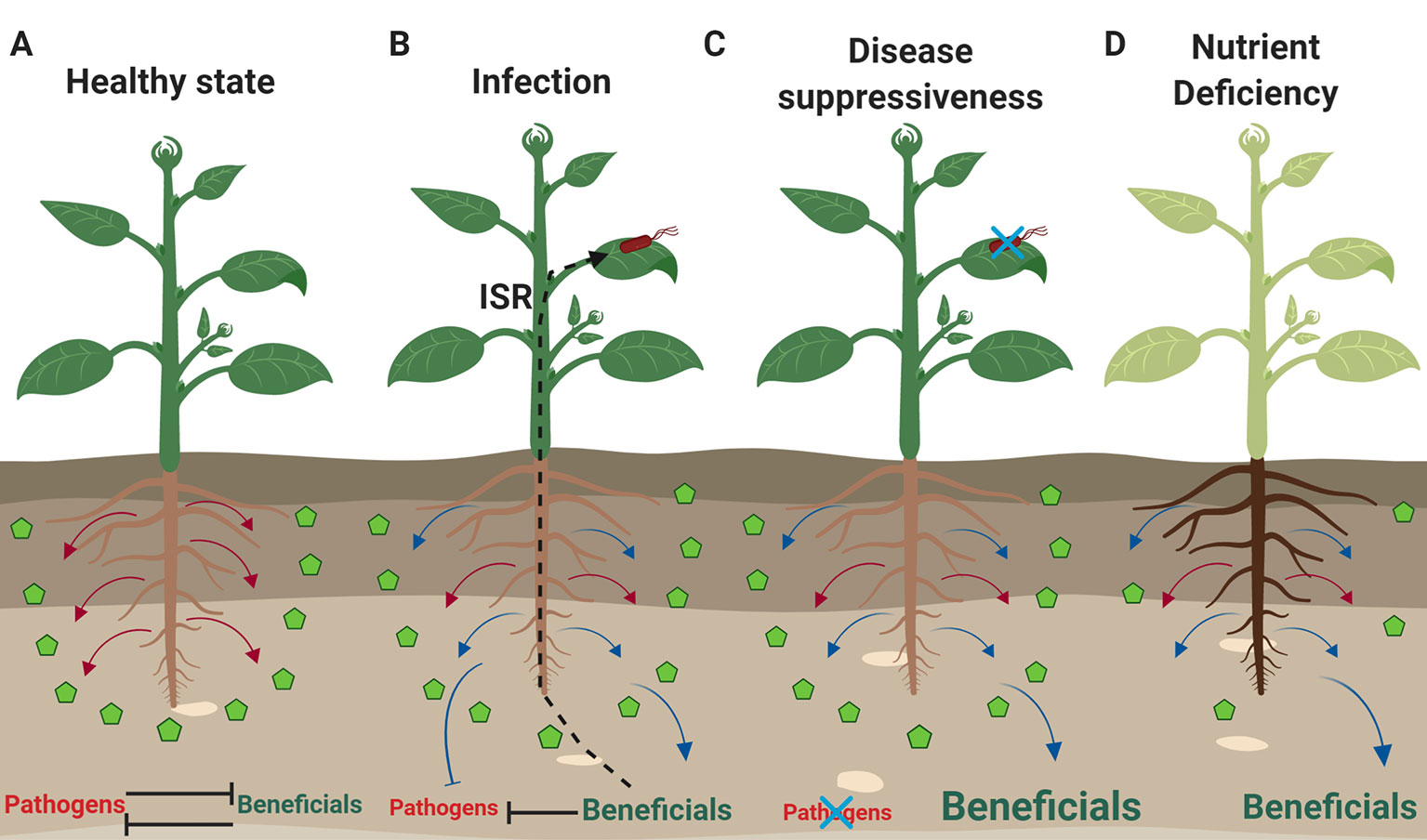
Key Highlights
- Nutrient Provision and Microbial Stimulation: Root exudates supply essential carbon sources for microbial growth, enhancing biodegradation.
- Enhanced Bioavailability and Enzymatic Activity: They modify pollutant chemistry, increasing bioavailability and activating microbial enzymes for degradation.
- Microbial Community Modulation: These exudates attract specific pollutant-degrading microorganisms, restructuring the microbial community in the rhizosphere.
Introduction
Plants have evolved sophisticated mechanisms to interact with the soil ecosystem, one of the most significant being the secretion of root exudates. These complex mixtures of organic compounds not only contribute to plant nutrition and stress tolerance but also play a crucial role in the bioremediation of soils contaminated with pollutants. The microbial degradation of pollutants, a process predominantly occurring in the rhizosphere—the narrow soil region influenced by root secretions—is greatly enhanced by the presence of root exudates. This response examines the multifaceted ways in which root exudates influence microbial degradation of pollutants, exploring the intricate biochemical and ecological interactions involved.
Mechanisms of Influence in the Rhizosphere
Nutrient Provision and Microbial Stimulation
Carbon Sources and Energy
Root exudates consist of a diverse collection of organic compounds including sugars, organic acids, amino acids, and proteins. These compounds serve as key carbon and energy sources for soil microbes. In nutrient-poor conditions, the secretions from plant roots provide an indispensable boost to microbial populations, allowing for increased biomass and metabolic activity. The enhanced microbial growth directly correlates with the increased capacity for the biodegradation of a broad spectrum of pollutants. Essentially, as microbes proliferate in response to these nutrients, they produce a host of enzymes capable of degrading organic contaminants that would otherwise persist in the environment.
Stimulation of Metabolic Pathways
In addition to providing energy, root exudates have the ability to trigger the activation of specific microbial catabolic pathways. Certain exudate components serve as inducers for gene expression among soil microorganisms, particularly those genes that code for enzymes involved in the degradation of complex compounds, such as polycyclic aromatic hydrocarbons (PAHs) and other persistent organic pollutants. Through this biochemical stimulation, plants indirectly enhance the efficiency of microbial pollutant degradation by ensuring that the necessary metabolic pathways are upregulated at optimal times.
Enhanced Pollutant Bioavailability
Chemical Interactions and Solubilization
Many pollutants in soil, especially hydrophobic organic pollutants like PAHs, tend to bind tightly with soil particles, thereby reducing their bioavailability to degrading microbes. Root exudates can alter these binding interactions by chelating metal ions or interacting with soil organic matter. The organic acids and other constituents within the exudates can chelate and solubilize bound contaminants, effectively increasing the availability of these compounds to the microbial community. This modification of the physicochemical properties of pollutants facilitates easier access to the degradation enzymes produced by microbes.
Mobilization and Redistribution of Pollutants
The production of surfactant-like compounds within root exudates can lead to changes in soil hydrophobicity. These compounds act by dispersing pollutants that are normally tightly adhered to soil particles, thereby mobilizing them into regions of the rhizosphere where microbial activity is intense. This spatial redistribution of pollutants enhances the overall degradation process by ensuring that contaminants are more uniformly exposed to degradation enzymes.
Microbial Community Modulation
Selective Recruitment of Beneficial Microorganisms
One of the most fascinating aspects of root exudates is their ability to shape the surrounding microbial community. Through a range of chemical signals, plants can attract specific microbial taxa that exhibit strong pollutant-degrading capabilities. This selective recruitment helps establish specialized consortia, often including plant growth-promoting rhizobacteria (PGPR), which not only degrade pollutants efficiently but also support overall plant health. The enhanced presence of these beneficial microbes creates a more dynamic and responsive bioremediation system in the rhizosphere.
Restructuring Community Dynamics
The continuous release of root exudates creates nutrient-rich "hotspots" in the soil where microbial diversity is heightened. These hotspots foster the interactions and synergistic relationships among different microbial species. The structure of the microbial community can be substantially altered, with a noticeable increase in the relative abundance of species known to express degradation genes. The modulation of these communities not only accelerates pollutant breakdown but also stabilizes the soil ecosystem, promoting long-term remediation.
Activation of Enzymatic Processes
Induction of Degradative Enzymes
The enzymatic degradation of pollutants is a key process in soil bioremediation, and root exudates play a central role in inducing the enzymes required for this task. Microorganisms secrete a variety of enzymes, such as oxygenases and hydrolases, which are critical for breaking down complex organic molecules. The presence of certain compounds in root exudates triggers the upregulation of these enzymes, thereby enhancing the catabolic activities essential for pollutant degradation. By promoting these metabolic reactions, root exudates pave the way for a more efficient detoxification of contaminated soils.
Synergistic Interactions with Soil Enzymes
Some studies have indicated that root exudates may even contain enzymatic activities themselves or stimulate the secretion of plant-derived enzymes that complement microbial processes. This dual system of enzymatic activity—stemming both from the plant and its associated microbes—creates a robust network for pollutant breakdown. As a result, even recalcitrant compounds that are resistant to degradation in untreated soils may be broken down over time, thanks to these synergistic interactions.
Modification of Soil Physicochemical Properties
pH Alteration and Nutrient Solubilization
By releasing organic acids and other compounds into the soil, root exudates can exert a significant influence on soil pH. A lower soil pH can enhance the solubility of certain minerals, rendering both nutrients and pollutants more accessible to the microbial community. This change in the chemical environment not only favors the biochemical reactions necessary for pollutant breakdown but also optimizes the overall nutrient dynamics in the soil. As a result, the conditions become more favorable for both plant growth and microbial activity.
Enhancement of Soil Structure and Porosity
Root exudates can also impact the physical structure of the soil. Certain exudate compounds contribute to the aggregation of soil particles, leading to improved soil structure and increased porosity. Enhanced soil porosity facilitates better oxygen diffusion and moisture retention, factors that are critical for sustaining high levels of aerobic microbial activity. These physical changes further support the breakdown of pollutants by creating an environment where microbial communities can thrive and function efficiently.
Integration of Mechanisms: A Holistic Perspective
The influence of root exudates on microbial degradation of pollutants is best understood through the interplay of several interrelated mechanisms. The provision of carbon sources and nutrients leads to a boost in microbial biomass and activity within the rhizosphere, which translates to an increased production of pollutant-degrading enzymes. Concurrently, the chemical properties of the root exudates can solubilize pollutants that would otherwise be tightly bound to soil particles, increasing their bioavailability for microbial degradation.
In many cases, the enhanced bioavailability of pollutants coupled with the recruitment of specialized microbial communities creates a synergistic environment. Microorganisms that are specifically capable of degrading contaminants are present in greater numbers, and are further stimulated by the induced enzymatic pathways. The result is an effective, multi-pronged approach to soil remediation that leverages both the biological activity of the roots and the metabolic versatility of the microorganisms.
The underlying processes highlight the importance of understanding and harnessing plant-microbe interactions. As research progresses, these insights are being applied to develop sustainable remediation technologies that can be adapted to various types and concentrations of environmental pollutants.
Comparative Table: Mechanisms of Root Exudates in Pollutant Degradation
| Mechanism | Description | Key Effects |
|---|---|---|
| Nutrient Provision | Supply of sugars, organic acids, amino acids, and proteins that fuel microbial growth. | Enhanced microbial biomass and increased production of pollutant-degrading enzymes. |
| Biochemical Activation | Induction of specific catabolic pathways and enzymes through root exudate signaling. | Greater efficiency in breaking down complex pollutants. |
| Bioavailability Enhancement | Solubilization and mobilization of pollutants by organic acids and surfactants. | Improved access of pollutants to microbial degradation processes. |
| Microbial Community Modulation | Selective recruitment and promotion of pollutant-degrading bacteria. | Restructured microbial consortia optimized for bioremediation. |
| Physicochemical Modification | Alteration of soil pH and structure via organic acid secretion. | Improved soil conditions for microbial activity and increased pollutant solubilization. |
Practical Implications in Environmental Remediation
The understanding of how root exudates facilitate microbial degradation of pollutants unlocks immense potential for environmental remediation strategies. One of the foremost applications is in rhizoremediation—a biological approach that leverages plant roots and their associated microbial communities to detoxify contaminated soils. By selecting plant species that produce copious and effective exudates, environmental engineers can design remediation systems that enhance the natural breakdown of contaminants.
Additionally, these insights have led to targeted research into the formulation of synthetic or augmented exudate mixtures. These formulations aim to mimic or boost the natural processes found in the rhizosphere, thus accelerating the remediation of soils with high levels of industrial or agricultural pollutants. In urban and industrial settings where soil contamination poses a significant risk to human health and ecological stability, such rhizoremediation techniques offer a sustainable alternative to more invasive and costly chemical or physical remediation methods.
Integration with Modern Technologies
Genetic and Molecular Approaches
With advances in genomics and molecular biology, scientists are now able to identify and monitor the specific genes activated by root exudates in microbial communities. This genetic insight allows for the development of engineered microbial strains with enhanced degradation capabilities. Through such careful selection and genetic optimization, the overall efficiency of bioremediation projects can be greatly improved, leading to faster and more reliable cleanup of contaminated sites.
Field Applications and Case Studies
Numerous field studies have demonstrated the efficacy of rhizoremediation. For example, sites contaminated with polycyclic aromatic hydrocarbons (PAHs) have been successfully treated using plants that secrete exudates capable of increasing the local concentration of PAH-degrading bacteria. These case studies provide compelling evidence that integrating botanical and microbial perspectives leads to a more holistic and effective approach to tackling environmental pollution.
Challenges and Future Directions
Despite the promising advances in understanding the role of root exudates in pollutant degradation, some challenges persist. One major limitation is the inherent variability in exudate composition among different plant species and even among individual plants. This variability can influence the consistency and predictability of the bioremediation process. Furthermore, the dynamic nature of the rhizosphere means that environmental factors such as soil moisture, temperature, and pH can modulate both exudate production and microbial responses.
To overcome these challenges, future research is focusing on the identification of plant genotypes with optimized exudate profiles as well as the development of inoculants containing microbial strains that are highly efficient in pollutant degradation. Advances in high-throughput sequencing and metabolomics are also expected to further elucidate the complex interactions between plants and microbes in the rhizosphere. These insights will pave the way for more robust and targeted remediation strategies, ultimately enhancing the viability of using natural processes to restore polluted environments.
Furthermore, interdisciplinary efforts combining soil science, plant physiology, microbiology, and chemical engineering are essential for developing robust methodologies. These collaborative approaches aim not only to maximize degradation efficiency but also to ensure the stability and sustainability of the remediated ecosystems. The integration of predictive models and real-time monitoring technology will further enhance our ability to manage and optimize rhizoremediation efforts on a larger scale.
References
-
Root Exudate and Microbial Activities - NCBI
- Enhancing PAH Degradation - Nature
- Rhizoremediation Mechanisms - Springer
-
Microbial Degradation Studies - ScienceDirect
-
Influence of Root Exudates on Pollutant Breakdown - ScienceDirect
Recommended Queries for Further Exploration
Last updated March 5, 2025