
Building Your Ruby on Rails Job Platform: A Strategic Roadmap to Launch and Growth
From validating your idea to scaling your business, here's your step-by-step guide for launching a successful RoR-focused job platform.
Launching a niche job platform, especially one targeting the dynamic Ruby on Rails (RoR) ecosystem, requires careful planning and execution. This guide provides a comprehensive, step-by-step roadmap covering validation, go-to-market strategy, development, buzz creation, AI integration, testing, and long-term growth.
Key Highlights for Your RoR Job Platform Journey
Essential Takeaways for Success
- Niche Validation is Paramount: Before writing a single line of code, rigorously validate the demand within the RoR community by engaging directly with developers and employers to understand their specific pain points with existing job search solutions.
- Rapid MVP Launch (Month 1): Leverage RoR's strengths for quick development to launch a Minimum Viable Product (MVP) with core features within the first month. This allows for early user feedback and market testing.
- Strategic Phased Growth: Focus on building a stable core platform first, generate pre-launch buzz, gather user data post-launch, introduce enhancements like AI features during a beta phase, and continuously iterate based on analytics and user feedback for sustained business growth.
Phase 1: Market Validation (Weeks 1-2)
Ensuring Your Platform Solves Real Problems
Before investing heavily in development, it's critical to validate that there's a genuine need for a dedicated RoR job platform. This phase focuses on confirming demand and understanding user needs.
Step 1: Deep Dive Market Research
Analyze the current RoR job landscape. While RoR remains relevant in 2025, especially for startups and specific industries, understand its niche nature. Research existing platforms (general job boards like LinkedIn, Indeed, and niche ones like GoRails Jobs, RubyOnRemote) to identify gaps, opportunities, and potential differentiators. Explore RoR developer communities (Reddit subgroups like r/rubyonrails, forums, LinkedIn groups, Stack Overflow) to gauge sentiment and common frustrations regarding job searching.
Step 2: Direct User Engagement
Connect directly with your target audience: RoR developers (across experience levels) and employers hiring RoR talent. Use surveys, one-on-one interviews, or forum discussions to:
- Identify specific pain points with current job search methods.
- Understand desired features (e.g., specific filters, skill matching, remote work focus).
- Gauge willingness to use and potentially pay for a dedicated platform.
- Collect initial feedback on your proposed platform concept.
Aim to gather qualitative and quantitative data from at least 50-100 potential users. This feedback is invaluable for refining your value proposition.
Step 3: Define Initial MVP Feature Set
Based on validation insights, define the absolute core features necessary for the first testable version (MVP). This ensures you focus development efforts on what matters most initially. A typical RoR job platform MVP might include:
- User registration and profiles (separate for Job Seekers and Employers).
- Basic job posting functionality for employers. * Simple job search with essential filters (e.g., keyword, location, job type, RoR version/skills). * Ability for job seekers to view and potentially apply (even if initially redirecting off-platform).
Validation Outcome
Proceed with development only if validation confirms a strong market need and interest. Positive indicators include a significant percentage of surveyed users expressing frustration with current options and interest in your proposed solution.
Phase 2: Go-to-Market (GTM) Plan & Development (Month 1+)
Building and Launching Your Initial Platform
This phase focuses on developing the MVP, preparing for launch, and outlining the initial market entry strategy.
Step 1: Detailed Planning (Week 1)
- Solidify Business Plan: Refine your target audience specifics, unique value proposition (e.g., "The best place for senior RoR remote jobs"), and initial monetization ideas (even if not implemented at launch, e.g., freemium model, employer posting fees).
- Tech Stack Confirmation: Confirm Ruby on Rails as the core framework. Consider supporting technologies (database like PostgreSQL, search like Elasticsearch, hosting like Heroku/AWS).
- Resource Allocation: Plan development sprints focusing solely on the MVP features identified during validation.
Step 2: MVP Development (Weeks 2-4)
Leverage RoR's conventions and ecosystem for rapid development. Focus on:
- Core Functionality: Build the validated MVP features reliably.
- Clean UI/UX: Ensure a simple, intuitive, and responsive user interface.
- Basic Testing: Implement unit and integration tests for core components.
Here's a simplified example of a model validation in RoR:
# app/models/job_posting.rb
class JobPosting < ApplicationRecord
  # Associations
  belongs_to :employer

  # Validations ensure data integrity
  validates :title, presence: true, length: { minimum: 5 }
  validates :description, presence: true, length: { minimum: 50 }
  validates :location, presence: true
  validates :job_type, presence: true # e.g., full-time, contract
  validates :required_skills, presence: true # Could be an array or separate model

  # Basic keyword check (example)
  before_save :ensure_ror_relevance

  private

  def ensure_ror_relevance
    # Simple check, could be more sophisticated
    keywords = ["Ruby", "Rails", "RoR"]
    unless title.downcase.split.any? { |word| keywords.include?(word.capitalize) } || description.downcase.split.any? { |word| keywords.include?(word.capitalize) }
      # Potentially add a flag or warning, or adjust scope based on validation
      Rails.logger.warn "Job Posting #{id || 'new'} might lack RoR keywords in title/description."
    end
  end
end
Step 3: Preparing for Soft Launch (End of Month 1)
- Internal QA: Thoroughly test all MVP features.
- Deployment Setup: Prepare the production environment.
- Landing Page: Set up a simple landing page to capture interest and announce the upcoming beta/soft launch.
- Initial Outreach List: Compile a list of potential early adopters (from validation phase) for the soft launch.
GTM Timeline Overview
The following table outlines a potential timeline integrating development, launch, and initial growth phases. This provides a structured approach to manage expectations and resource allocation.
| Phase | Duration | Key Activities | Expected Outcome |
|---|---|---|---|
| Validation | Weeks 1-2 | Market research, user interviews/surveys, MVP feature definition. | Confirmed market need, refined value proposition, clear MVP scope. |
| MVP Development | Weeks 2-4 (of Month 1) | Build core features, basic testing, UI/UX design, deployment setup. | Functional MVP ready for internal testing. |
| Pre-Launch Buzz & Soft Launch | Weeks 3-4 & End of Month 1 | Landing page, initial community engagement, invite-only beta release. | Early user sign-ups, initial feedback collection, bug identification. |
| Beta Testing & Iteration | Month 2-3 | Gather feedback from beta users, fix bugs, make priority improvements, begin planning V1 features (including potential AI). | Stabilized platform, user validation of core loop, feature roadmap refinement. |
| Public Launch (V1) | End of Month 3 / Start of Month 4 | Wider public release, broader marketing campaigns, establish support channels. | Growing user base (job seekers & employers), initial traction metrics. |
| AI Feature Integration (Beta) | Month 4-6 | Develop and test planned AI features (e.g., matching, parsing) with a subset of users. | Enhanced platform value, data on AI feature effectiveness. |
| Growth & Optimization | Ongoing (from Month 3+) | Data analysis, A/B testing, SEO, content marketing, partnerships, feature expansion, potential monetization introduction. | Sustained user growth, improved KPIs, path to profitability. |
Phase 3: Creating Buzz (Starting Week 3 - Ongoing)
Generating Excitement and Attracting Early Adopters
Building anticipation before launch and maintaining momentum afterward is crucial for attracting users.
Before Launch (Start ~2 weeks prior to Soft Launch)
- Engage Niche Communities: Become active in RoR forums, subreddits, Discord servers, and LinkedIn groups. Share relevant insights (not just self-promotion) and subtly introduce your upcoming platform as a solution to discussed problems.
- "Coming Soon" Landing Page: Use the landing page created earlier to explain the value proposition and collect email addresses for launch notifications and early access invites. Offer an incentive (e.g., free premium feature trial for early sign-ups).
- Content Teasers: Share snippets of your platform's UI, unique features, or the problem it solves on social media (Twitter, LinkedIn).
- Connect with Influencers: Identify key figures or bloggers in the RoR space. Reach out personally, share your vision, and offer them early access or a demo.
During Launch (Soft Launch & Public Launch)
- Exclusive Beta Invites: Personally invite individuals from your waitlist and validation phase to the soft launch/beta. Make them feel valued.
- Launch Announcement: Formally announce the public launch on relevant channels (your blog, social media, RoR communities where appropriate, potentially niche tech newsletters).
- Promotional Offers: Consider limited-time offers for the first employers posting jobs or early job seekers signing up.
- Virtual Launch Event (Optional): Host a small webinar or online demo showcasing the platform and its benefits, perhaps featuring an RoR expert discussing the job market.
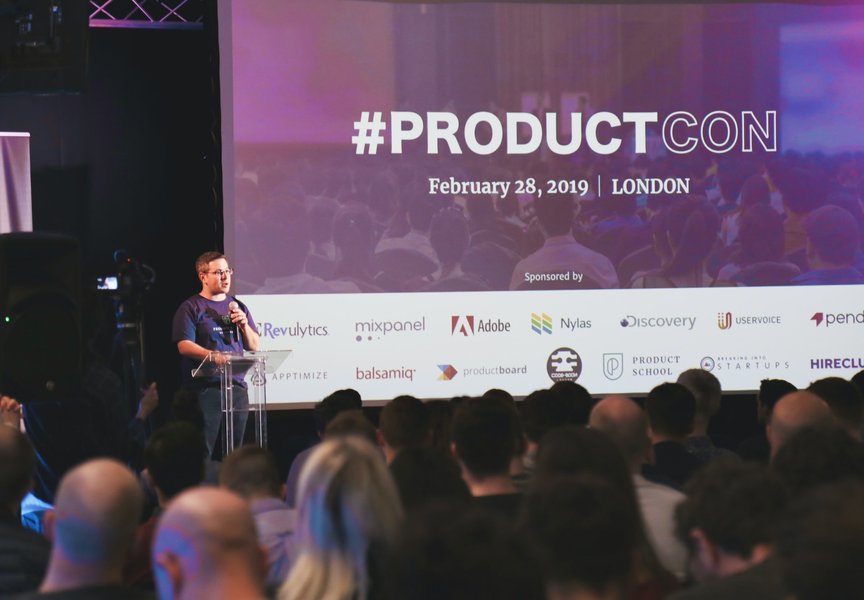
Organizing launch events, even virtual ones, can significantly boost initial visibility.
After Launch (Ongoing)
- Gather Testimonials: Encourage satisfied early users (both developers and employers) to provide testimonials or case studies.
- Content Marketing: Regularly publish blog posts, articles, or data insights related to the RoR job market, hiring trends, or career advice. Position your platform as a thought leader.
- Targeted Ads: Use platforms like LinkedIn Ads to target specific RoR developer demographics or companies known to hire RoR talent.
- Community Building: Foster a sense of community around your platform, perhaps through a dedicated forum section, newsletter, or regular Q&A sessions.
- Referral Program: Implement a program rewarding users for referring new job seekers or employers.
Phase 4: AI Integration (Post-Launch Beta Phase)
Enhancing Value with Intelligent Features
While not part of the initial MVP launch, integrating AI features during a beta phase (e.g., Months 4-6) can significantly enhance user experience and provide a competitive edge. Focus on features that genuinely solve user problems.
Potential AI Features for Beta Testing:
- AI-Powered Job Matching: Develop or integrate algorithms that go beyond keywords to match candidate profiles (skills, experience, preferences) with job requirements more accurately.
- Resume/Profile Parsing: Automatically extract key information (skills, experience years, education) from uploaded resumes or profiles to standardize data and speed up employer review.
- Skill Validation Assistance: Explore AI tools that can help suggest or validate specific RoR-related skills listed on profiles or required in job posts.
- Job Description Enhancement: Offer AI suggestions to employers to help them write clearer, more effective, and inclusive job descriptions.
- Salary Prediction/Benchmarking: Use aggregated (anonymized) platform data and market data to provide salary range estimates relevant to RoR roles.
- Chatbot Support: Implement a basic chatbot to answer common user questions about platform usage.
Implementation Strategy:
- Phased Rollout: Introduce AI features incrementally to a subset of beta testers.
- Focus on Value: Prioritize AI features that offer the most significant improvement to the core job matching process.
- Monitor Performance: Closely track the accuracy and user satisfaction with AI features.
- Transparency: Be transparent with users about how AI is being used.
Introducing AI later allows you to build upon a stable platform foundation and use real user data to train and refine your models or integrations effectively.
Phase 5: Rigorous Testing Strategy
Ensuring Platform Reliability and Usability
Continuous testing throughout the development lifecycle is vital for building a high-quality, reliable platform.
Testing Types:
- Unit Testing: Developers test individual components/functions of the code during development (common practice in RoR using frameworks like RSpec or Minitest).
- Integration Testing: Verify that different modules or services work correctly together (e.g., user registration flow connecting to the database and email service).
- Functional Testing: Test the application against predefined requirements to ensure features work as expected from a user's perspective (e.g., can a user search for jobs using specific filters and get relevant results?).
- User Acceptance Testing (UAT): Real users (from your target audience) test the platform in realistic scenarios to provide feedback on usability, design, and overall experience. This is crucial during the beta phase.
- Performance & Load Testing: Simulate user traffic to ensure the platform remains stable and responsive under expected (and peak) load conditions. Important before public launch and as user base grows.
- Security Testing: Actively look for vulnerabilities to protect user data and prevent unauthorized access. Essential for building trust.
Testing should be an ongoing process, integrated into your development workflow, not just a final step before launch.
Visualizing Success Factors
Key Areas for Platform Excellence
Achieving success requires balancing several key factors. This radar chart visualizes the relative importance you might assign to different strategic areas for your RoR job platform. Higher scores indicate greater focus or strength needed in that area for competitive differentiation and growth.
This visualization helps prioritize efforts. Initially, deep niche focus, core user experience, and technical stability are paramount. For long-term business success, scaling the user base (both sides), effective monetization, community building, and impactful AI features become increasingly critical.
Phase 6: Overall Business Growth Strategy
Scaling Your Platform and Business Sustainably
Success isn't just about launching a product; it's about building a sustainable business. This requires a continuous focus on growth, data analysis, and adaptation.
Data-Driven Decision Making
- Implement Analytics Early: Set up tools (e.g., Google Analytics, Mixpanel, Hotjar, or built-in Rails analytics dashboards) from day one.
- Track Key Performance Indicators (KPIs): Monitor metrics relevant to both product usage and business health:
- User Acquisition Cost (CAC): How much it costs to acquire a new job seeker or employer.
- Conversion Rates: Sign-ups, job postings, applications submitted, successful hires (if trackable).
- User Engagement: Active users (daily/monthly), session duration, feature usage.
- Retention Rates: How many users return over time (e.g., 30/60/90-day retention).
- Platform Revenue (if applicable): Track income from different monetization streams.
- User Feedback Loops: Continuously collect feedback through surveys (e.g., Net Promoter Score - NPS), feedback forms, support interactions, and community monitoring.
Iterative Improvement
- Analyze Data Regularly: Don't just collect data; analyze it to understand user behavior, identify bottlenecks, and pinpoint popular features.
- Prioritize Based on Impact: Use data and feedback to prioritize bug fixes, feature enhancements, and new developments that offer the most value or address the biggest pain points.
- A/B Testing: Experiment with different UI elements, workflows, feature variations, or marketing messages to see what performs best.
- Stay Agile: Be prepared to adapt your roadmap based on market changes, competitor moves, and user feedback. RoR's agility supports this iterative approach.
Strategic Growth Levers
- Content Marketing & SEO: Become the go-to resource for RoR careers. Optimize your platform and content for relevant search terms.
- Partnerships: Collaborate with RoR bootcamps, training providers, consultancies, open-source projects, or complementary tool providers.
- Community Building: Nurture the community around your platform. An engaged user base provides valuable feedback, advocacy, and loyalty.
- Monetization Strategy Refinement: Test and optimize your pricing models based on perceived value and user willingness to pay. Consider different tiers or feature packages for employers.
- Team Scaling: As you grow, strategically hire talent (developers, marketers, support) who understand the niche and align with your vision.
RoR Job Platform Development Mindmap
Visualizing the Journey from Idea to Growth
This mindmap provides a high-level overview of the key phases and activities involved in building and scaling your Ruby on Rails job platform.
(Weeks 1-2)"] id1a["Market Research"] id1b["User Interviews & Surveys"] id1c["Competitor Analysis"] id1d["Define MVP Scope"] id2["Phase 2: GTM & Dev
(Month 1+)"] id2a["Plan & Design"] id2b["MVP Development (RoR)"] id2c["Core Features:
- User Auth
- Job Postings
- Basic Search"] id2d["Internal Testing"] id2e["Prepare Soft Launch"] id3["Phase 3: Buzz Creation
(Starts Week 3 - Ongoing)"] id3a["Pre-Launch:
- Landing Page
- Community Engagement
- Influencer Outreach"] id3b["Launch:
- Beta Invites
- Announcements
- Promotions"] id3c["Post-Launch:
- Content Marketing
- Testimonials
- Targeted Ads"] id4["Phase 4: AI Beta
(Months 4-6)"] id4a["Plan AI Features"] id4b["Develop/Integrate:
- Matching
- Parsing
- Validation Aid"] id4c["Test with Beta Users"] id4d["Iterate based on Feedback"] id5["Phase 5: Testing
(Ongoing)"] id5a["Unit & Integration"] id5b["Functional Testing"] id5c["User Acceptance (UAT)"] id5d["Performance & Load"] id5e["Security Testing"] id6["Phase 6: Growth
(Ongoing)"] id6a["Data Analysis & KPIs"] id6b["User Feedback Loops"] id6c["Iterative Improvement (A/B Tests)"] id6d["Marketing & SEO"] id6e["Partnerships"] id6f["Monetization"] id6g["Team Scaling"]
Insights from the RoR Community
Understanding the Ruby on Rails Job Market
Gaining insights into the current state of the RoR job market is crucial for positioning your platform effectively. Hearing directly from developers and employers provides valuable context beyond just statistics. This video features interviews with developers discussing the RoR job market dynamics in 2024, offering perspectives on demand, roles, and challenges – insights that remain highly relevant for targeting your platform in 2025.
Understanding nuances like the demand for senior vs. junior developers, the prevalence of remote work, and specific skills in demand within the Rails ecosystem can help you tailor your platform's features, filters, and marketing messages to better serve both job seekers and employers in this specific niche.
Frequently Asked Questions (FAQ)
Quick Answers to Common Questions
Recommended Next Steps & Further Research
Explore Deeper Insights
- Explore a detailed competitor analysis of existing Ruby on Rails job boards.
- Investigate various monetization strategies suitable for niche online job platforms.
- Learn about effective community building techniques for technology-focused platforms.
- Discover methods for integrating third-party AI tools for candidate matching into web applications.
References
Supporting Resources and Further Reading
Last updated May 5, 2025