
The Status of Jackie Kennedy's Rose Garden
An In-depth Exploration of the White House Rose Garden Renovations and Political Debates
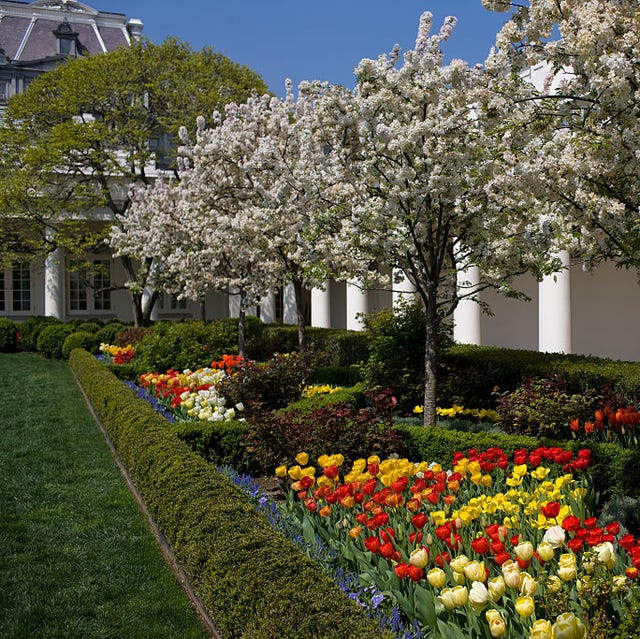
Highlights
- No Restoration Undertaken: The Biden Administration has not restored the rose garden to Jackie Kennedy's original design.
- Public Interest and Petitions: Several petitions with tens of thousands of signatures have sought a return to the Kennedy-era design.
- Historical Context and Controversies: Renovations during the Trump Administration sparked debates over preserving historical aesthetics versus modern updates.
Background Overview
The White House Rose Garden stands as one of the most recognizable and symbolically rich outdoor spaces in the United States. A significant component of its historical importance comes from the restoration and redesign efforts undertaken during Jackie Kennedy's tenure as First Lady in the early 1960s. Her vision led to a garden that not only enhanced the aesthetic appeal of the White House but also reflected a commitment to both tradition and modern style aesthetics appropriate for a time of national renewal.
In recent years, the debate over preserving the historical design versus adapting the space for modern needs has resurfaced. This debate intensified following a high-profile renovation during the Trump Administration. The design choices made during Melania Trump's tenure led to changes that many historical preservation advocates and members of the public felt moved away from the iconic aesthetic established by Jackie Kennedy.
Renovations and Their Impact
Renovation Under the Trump Administration
In 2020, Melania Trump initiated renovations to the White House Rose Garden that stirred extensive public debate and scrutiny. Key changes during this renovation included the removal of several crabapple trees—plants that were integral to the garden’s traditional look—and the installation of new paving and limestone walkways. These alterations were intended to improve the accessibility and contemporary visual appeal of the garden. However, they also altered the traditional elements which many believed were part of Jackie Kennedy's vision.
Critics argued that the removal of original features and the adoption of a more modern landscaping style compromised the historical essence and signature details that made the garden a landmark representation of American tradition and elegance. The controversy reached a point where advocacy groups and members of the public mobilized around the cause, leading to the creation of multiple petitions aimed at restoring the garden to its Kennedy-era appearance.
The Petition Movement
Several petitions were launched calling on First Lady Jill Biden and Second Gentleman Doug Emhoff to restore the White House Rose Garden to its original design as envisioned by Jackie Kennedy. These petitions underscored a strong segment of public opinion that valued historical preservation over contemporary renovations. As of reports available in early 2025, these petitions amassed significant support, with signature counts ranging from over 50,000 to nearly 80,000.
The most widely cited versions of the petition stressed returning the garden’s layout, palette of planting, and architectural elements, all of which had been emblematic of Jackie Kennedy's efforts during her time at the White House. The attention these movements received further illustrated the broader national conversation about how iconic historical spaces should balance modern functionality with the need to preserve heritage.
Biden Administration's Position
Official Stance and Public Statements
As of March 2025, the Biden Administration has made it clear through various reports and public statements that there are "no plans" to undertake a restoration of the White House Rose Garden to its Jackie Kennedy-era design. Despite significant public interest and continuing debate, First Lady Jill Biden has not signaled any intention to reverse the modifications introduced during the previous administration.
The decision by the current administration reflects a complex balancing act between honoring historical aesthetics and acknowledging the trends in modernization and accessibility improvements that have become prevalent in contemporary garden design. Although critics of the renovation continue to advocate for a return to a more historical setup, the Biden Administration appears to be maintaining the changes as part of a broader vision for the White House grounds.
Lack of Restoration Efforts
There is currently no evidence or official announcement indicating that the Biden Administration has considered pursuing the restoration efforts as demanded by historical preservation advocates. Instead, the focus has remained on maintaining the renovations previously completed. This stance has been backed by the administration's responses to public inquiries and its adherence to a principled continuation of recent updates implemented during Trump’s tenure.
Advocates hoping for a revival of the historical design continue their efforts through petitions and calls for public debate, yet so far, these have not translated into concrete policy changes by the Biden Administration.
Historical Significance and Public Debate
The Legacy of Jackie Kennedy
Jackie Kennedy's contributions to the White House are often celebrated as transformative. Her renovations did more than just breathe new life into the physical space; they also symbolized a commitment to the preservation of American culture and history. The Rose Garden, thoughtfully redesigned under her direction, came to embody a fusion of elegance, functionality, and a deep respect for the nation’s heritage. Her influence continues to be felt today, with many considering the Kennedy era to be a golden age in terms of cultural, architectural, and historical landmarks.
The enduring legacy of her design choices has left a lasting impression on the public consciousness. Her approach to restoration was meticulous, focusing on both aesthetics and the symbolic importance of the spaces within the White House grounds. For many, the garden represents more than just a landscaped area; it is a living monument to a pivotal era in American history.
Contemporary Debates
The debate over the White House Rose Garden encapsulates broader themes of American identity, historical preservation, and the influence of presidential administrations on public spaces. Many critics and history enthusiasts contend that the renovations initiated in 2020 compromised the historical integrity of a cherished landmark. This view is supported by the widespread public response which has repeatedly called for a reversion to the classic Kennedy design.
On the other hand, supporters of the modern alterations argue that updates are sometimes necessary to meet current functional requirements and to improve the usability of public spaces. They note that the introduction of new elements like improved accessibility features can be seen as a positive step, even if some traditional elements are altered or removed.
This tension between old and new is a common thread in discussions about historical sites. It underlines the challenges administrators face when the demands of preservation intersect with the inevitable need for modernization. In this specific case, despite vocal public opinion and detailed petitions, the Biden Administration has maintained its position, emphasizing continuity over change in the use of the garden.
Interpreting Design Changes
Design Philosophy and Restoration Aesthetics
The changes initiated during the Trump Administration, later questioned by subsequent petition drives, reflect different design philosophies. Jackie Kennedy’s original vision embraced a delicate balance between ceremony and casual beauty with a strong nod towards traditional American design. In contrast, the recent updates underscore a more modern, streamlined approach aimed at improving functionality and public access.
This divergence in aesthetic philosophy can be summarized in several key aspects:
- Plant Selections: The original design placed emphasis on a curated selection of flora that evoked a specific era's botanical trends, while the recent renovation prioritized low-maintenance species and improved plant arrangement for modern tastes.
- Structural Elements: Architectural changes like walkways and seating arrangements have moved towards a design that supports larger public gatherings and media events, which contrasts with the more intimate settings preferred in the Kennedy era.
- Historical Symbolism: The original configurations were laden with historical symbolism intended to reflect an era of American renaissance, whereas the modern approach emphasizes practicality over symbolic design elements.
While each approach has its merits, the enduring public sentiment strongly favors reinstating the elements that many associate with Jackie Kennedy’s legacy. The complexity of restoring a space that is both historically significant and functionally adapted for current use is a challenge that sits at the heart of this ongoing debate.
The Broader Context of Historical Restoration
The discussion over the White House Rose Garden is part of a larger national dialogue about how best to preserve historical landmarks while accommodating the needs of a modern public. It raises important questions about the criteria used to evaluate the authentic nature of historical sites. In many cases, debates surrounding restoration are not simply a question of aesthetics, but about identity, memory, and the narrative of national history.
Restoring a historic site such as the Rose Garden involves reconciling decades of layers—from both deliberate design choices and unintentional alterations. Administrators must navigate public expectations, practical considerations, and the ever-changing landscape of cultural values while making decisions that will impact the way history is viewed by future generations.
A Comparative Timeline of Events
Key Milestones
| Year/Period | Event | Description |
|---|---|---|
| 1960s | Jackie Kennedy's Renovation | Jackie Kennedy leads the redesign and restoration of the White House grounds, establishing a distinctive historical aesthetic. |
| 2020 | Trump Administration Renovation | Melania Trump initiates changes including removal of key elements (crabapple trees) and installation of modern paving; prompts public controversy. |
| 2021-2025 | Petition Movements | Multiple petitions with signature counts ranging from 50,000 to nearly 80,000 call for a restoration back to Kennedy's original design. |
| 2025 | Biden Administration Stance | As of March 2025, the administration has stated there are no plans to restore the garden to its historical design, continuing with the current layout. |
This timeline provides a concise overview of the chronological events that have shaped the current state of the Rose Garden. Each phase reflects changing leadership, evolving aesthetics, and shifting public perceptions about the importance of preserving historical landmarks.
Public Opinion and Ongoing Debate
Community and Cultural Perspectives
The debate over restoring the White House Rose Garden intertwines cultural, political, and historical narratives. For many, the garden is much more than a physical space—it is a symbol of an era defined by elegance, refinement, and a deep respect for America’s storied past. Community members and cultural historians argue that the garden should faithfully reflect Jackie Kennedy's legacy. They contend that restoring it would serve as an homage to her artistic and transformative influence.
On the other hand, there is also a perspective that supports modernization. Advocates for the current design argue that practical upgrades—which often include improvements in accessibility and public safety—are essential components for a space that frequently hosts public ceremonies, press events, and social gatherings. In this view, the garden's evolution is a natural progression rather than a departure from its historical roots.
Political Implications and Administrative Choices
The decision by the Biden Administration not to commit to restoration is also reflective of the broader political context in which such decisions are made. Public petitions, while influential, do not always translate directly into policy shifts, particularly when administrators are balancing multiple priorities and historical responsibilities. The administration’s choice to maintain the status quo over a complete reversal of recent renovations highlights the complexities inherent in managing a historic site that is in constant public view.
Furthermore, the public debate over the Rose Garden is intertwined with the political narratives of different administrations. Each leadership period tends to imprint its own vision on national landmarks, and the fluctuating design choices of the Rose Garden serve as a microcosm of these shifts. The current administration, by opting not to revert to the Kennedy-era design, implicitly aligns with a modern approach that privileges functionality and contemporary aesthetics, even in historic spaces.
Additional Perspectives and Considered Factors
Financial and Logistical Considerations
Restoring a historical landmark such as the White House Rose Garden is a project that involves significant financial, logistical, and administrative challenges. The process demands extensive research to accurately replicate historical details, sourcing appropriate materials, and implementing construction or landscaping work without disrupting ongoing events. Such a project would require a lengthy planning and execution period, and careful consultation with historians, architects, and landscape experts.
The Biden Administration's current approach reflects these complexities: rather than embarking on an uncertain and resource-intensive restoration project, the decision has been to continue with the already renovated state which, in many ways, still honors aspects of the garden’s history while also meeting practical needs.
The Role of Media and Information Dissemination
Media coverage has been a significant factor influencing public perception regarding the Rose Garden's renovation and restoration debates. Articles from reputable sources such as Newsweek, International Business Times, the BBC, and The Guardian have documented both the public’s passionate response to the changes and the administration’s firm stance. Such coverage plays an important role in keeping historical preservation debates at the forefront of public discourse.
Through widespread media analysis, it is clear that while public petitions have successfully highlighted the importance of the historical design, they have not resulted in any corrective action by the current administration. Instead, media narratives continue to focus on the balance between tradition and modernization in the upkeep of national landmarks.
References
- Petition Urging Jill Biden Restore Kennedy Rose Garden - Newsweek
- Jill Biden Has 'No Plans' To Restore Rose Garden - International Business Times
- Petition for Jill Biden to Restore White House Rose Garden - Fox 5 DC
- Petition for Restoration of Rose Garden - BBC
- Restorationists Urge Jill Biden to Return Rose Garden to Historical Design - The Guardian
Related Searches and Queries
Last updated March 20, 2025