
Unlocking Youth Potential: The Transformative Power of Collaborative Support in Rover Scouting
How structured teamwork within the Rover Scout framework creates resilient, community-minded leaders
Key Insights on Rover Scout Collaboration
- Self-governing crew structures form the foundation of Rover Scout collaborative frameworks, enabling peer-led development and shared leadership responsibilities
- Community service projects provide practical application of collaborative skills while fostering meaningful connections between Rovers and their communities
- Mentorship relationships between experienced Scouters and Rovers create supportive learning environments that enhance skill development and knowledge transfer
Understanding Collaborative Support in Rover Scouts
The Rover Scout program represents a unique developmental approach for young adults aged 18-26, with collaborative support serving as one of its core principles. Rovers organize themselves into self-governing crews that function as supportive communities where members develop leadership skills, personal competencies, and a strong sense of civic responsibility.
According to the Rover Scouting Program Guidebook, the program aims to "stimulate young people's development through bringing adults and young people together in a rich learning partnership" (Studocu, 1994). This intentional intergenerational collaboration distinguishes Rover Scouting from other youth development programs and creates a robust support system for members.
Foundations of Collaborative Support in Rover Scouting
The collaborative structure of Rover Scouts builds upon several key components:
- Crew-based organization that encourages peer support and shared decision-making
- Adult mentorship that provides guidance while respecting autonomy
- Service-learning projects that develop real-world collaborative skills
- Progressive skill development through peer teaching and knowledge sharing
- Community engagement that expands support networks beyond the immediate group
World Scouting's guidelines for the Rover Scout section emphasize that these collaborative environments are designed to empower young adults through meaningful participation and shared responsibility. This approach helps Rovers develop essential life skills while contributing positively to their communities.
The Collaborative Service Project Model
A noteworthy example of collaborative support within Rover Scouting can be found in the project titled "Collaborative Service by Scouts and Rover Scouts." This initiative demonstrates how structured teamwork creates meaningful impact while developing participants' skills. The project involved substantial coordination between Rovers who worked together on tasks including environmental cleanup, setting up facilities for community events, and organizing grounds for gatherings.
This model of service reflects the practical application of collaborative principles within the Rover program. By working together on community-focused initiatives, Rovers develop critical teamwork skills while experiencing the tangible results of their collective efforts.
Analyzing the Dimensions of Collaborative Support
The radar chart above illustrates how collaborative support in Rover Scouts compares to traditional youth programs and professional workplace teams. Notably, Rover Scouting excels in dimensions of community integration, shared leadership, and resource sharing—key attributes that prepare young adults for success in both personal and professional contexts.
Team-Building Activities that Foster Collaborative Support
Rover Scout crews employ various team-building activities to strengthen collaborative bonds and develop support networks among members. These activities serve as practical applications of collaborative principles while creating memorable shared experiences.
| Activity Type | Purpose | Collaborative Skills Developed | Implementation Context |
|---|---|---|---|
| Challenge Courses | Building trust and communication | Problem-solving, verbal/non-verbal communication, trust-building | Outdoor settings or specially designed courses |
| Service Projects | Community impact and shared purpose | Resource allocation, time management, role coordination | Community sites based on identified needs |
| Pioneering Constructions | Technical skill application | Planning, sequential execution, load distribution | Camps and outdoor gatherings |
| Crew Councils | Democratic governance | Conflict resolution, consensus building, active listening | Regular meetings and planning sessions |
| Reflection Circles | Learning consolidation | Feedback exchange, perspective-taking, emotional intelligence | Following activities or at program transitions |
These structured activities create opportunities for Rovers to practice collaborative skills in various contexts, reinforcing the supportive environment that defines the program. By intentionally incorporating such activities, crews strengthen their internal support systems while developing transferable skills.
Collaborative Support in Action: The Amoeba Walk Challenge
The Amoeba Walk challenge demonstrated in this video exemplifies a team-building activity that requires close coordination and collective problem-solving. This activity demonstrates how scouts must develop trust, communication, and physical cooperation to achieve a common goal—mirroring the biological concept of cellular movement while building crucial collaborative skills.
Conceptual Framework of Rover Scout Collaborative Support
The Rover Scout collaborative support model can be understood as an interconnected system of practices, values, and developmental outcomes. The following mindmap illustrates these connections and demonstrates how different elements reinforce each other within the program:
This conceptual framework helps illustrate how the various components of collaborative support in Rover Scouting connect and reinforce each other. The structural elements provide the foundation, core practices activate the learning process, and developmental outcomes represent the benefits that result from participation.
Visual Evidence of Collaborative Support
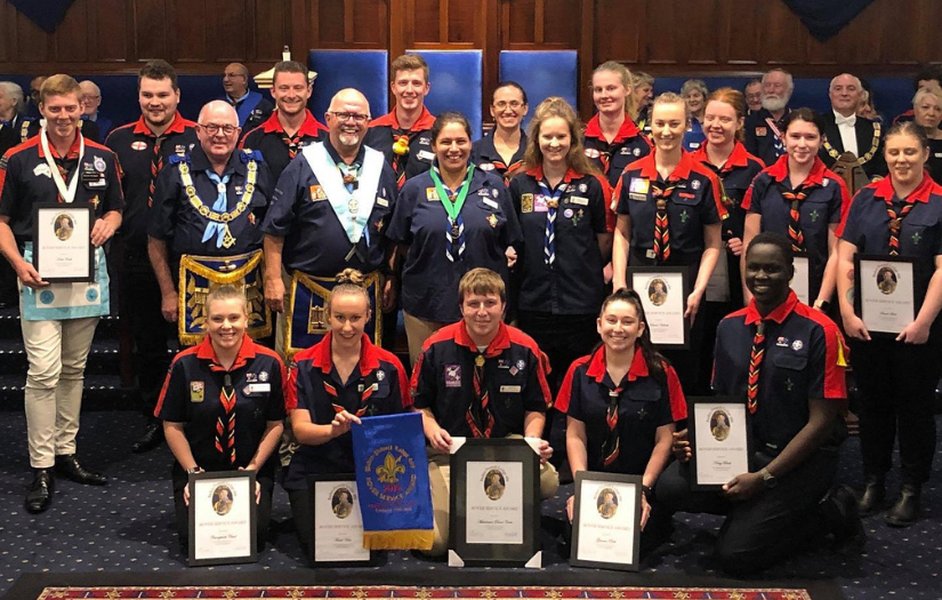
Manderson Rover Scouts receiving recognition for collaborative achievements

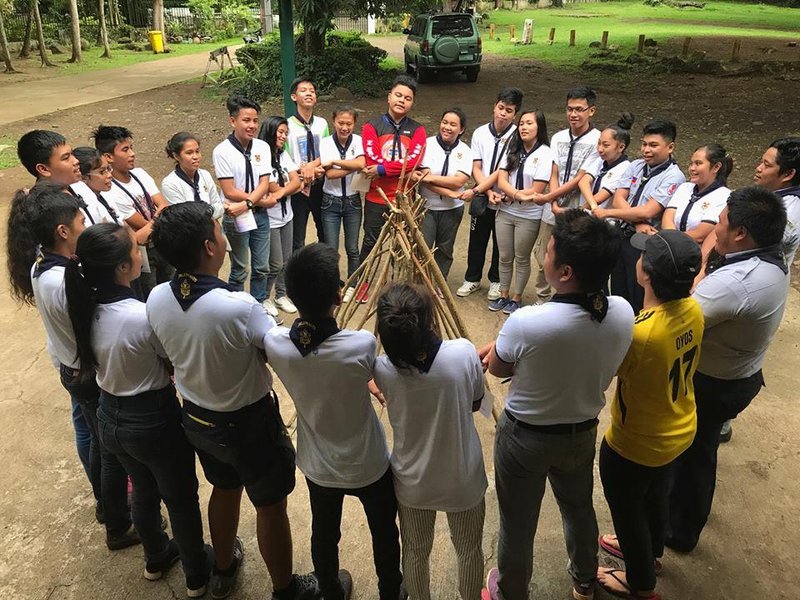
Rover Scouts demonstrating teamwork through pioneering project construction
Rover Vigil activities that strengthen bonds and supportive relationships
These images capture the essence of collaborative support within Rover Scouting. From formal recognition of achievements to hands-on project work and ceremonial activities, collaboration permeates all aspects of the program and creates meaningful connections between participants.
Research and Documentation on Rover Scout Collaborative Support
While comprehensive academic studies specifically focused on collaborative support in Rover Scouts are limited, several resources provide valuable insights into this aspect of the program. The most significant document is the "Collaborative Service by Scouts and Rover Scouts" project documentation, which details a case study of collaborative work between Scouts and Rovers.
Key Resource: Collaborative Service Project
The "Collaborative Service by Scouts and Rover Scouts" project provides a documented example of how collaborative support functions in practice. This project demonstrates the practical application of supportive teamwork among Rovers in community service contexts.
APA 7th Edition Citation
World Organization of the Scout Movement. (n.d.). Collaborative Service by Scouts and Rover Scouts. Scout.org. Retrieved April 8, 2025, from https://sdgs.scout.org/project/collaborative-service-scouts-and-rover-couts
Additional Program Documentation
The Rover Scouting Program Guidebook and World Scouting's guidelines for the Rover Scout section provide additional context for understanding how collaborative support is intentionally integrated into the Rover program structure.
Guidebook Citation
Studocu. (1994). Rover Scouting Program Guidebook. https://www.studocu.com/ph/document/tomas-del-rosario-college/education/rover-scouting-program-guidebook/45686545
World Scouting Guidelines Citation
World Scouting. (n.d.). Empowering Young Adults: Guidelines for the Rover Scout section. https://issuu.com/worldscouting/docs/rover_guidelines_en
Frequently Asked Questions
References
- Collaborative Service by Scouts and Rover Scouts - World Organization of the Scout Movement
- Rover Scouting Program Guidebook - Studocu
- Empowering Young Adults: Guidelines for the Rover Scout section - World Scouting
- Rover Scouts (Age 18-26) - Scouts Canada
- Rover Scout - Sri Lanka Scouts
- Rover Scouts - Scouts Ireland
- Partnerships Case Studies - Scout Learning Zone
Recommended Explorations
 scoutsca.s3.amazonaws.com
Last updated April 8, 2025