
Unlocking the Power of Collaborative Support in Rover Scouting: A Path to Youth Development
Discover how structured collaboration frameworks enhance the Rover Scout experience through mentorship, teamwork, and community engagement
Key Insights on Collaborative Support in Rover Scouting
- Rover Scouting provides a structured framework for young adults (18-26) to develop through collaborative mentorship programs
- Research shows that collaborative support models significantly enhance leadership skills and global citizenship among Rover Scouts
- The Rover Scout journey combines personal development planning with community service, creating a unique collaborative growth environment
Understanding Rover Scouting and Collaborative Support
Rover Scouting represents the final stage in the Scout movement, designed specifically for young adults aged 18-26 who are transitioning into adulthood. What makes this program particularly effective is its strong emphasis on collaborative support structures that foster personal development, leadership skills, and community engagement. Through intentionally designed frameworks of peer mentorship, advisor guidance, and team-based projects, Rover Scouts develop crucial life skills while making meaningful contributions to society.
The collaborative support model within Rover Scouting creates a unique environment where young adults simultaneously receive guidance and provide support to others. This reciprocal process accelerates personal growth and reinforces learning through practical application. Studies show that this collaborative approach significantly enhances the development of self-confidence, decision-making abilities, and social responsibility among participants.
The Four Pillars of Collaborative Support in Rover Scouting
Research into effective Rover Scout programs has identified four fundamental pillars that create successful collaborative support systems:
Structured Mentorship
Rover Scouts benefit from a formalized mentorship structure where experienced advisors guide personal development. According to the "Empowering Young Adults" study by the World Organization of Scout Movement (2022), Rovers who participate in structured mentorship programs show 35% higher achievement rates in personal development goals compared to those without such support.
Peer-to-Peer Learning
The Rover Scout model emphasizes horizontal learning relationships where members of similar age and experience levels support each other's growth. This creates a collaborative environment that research shows enhances skill retention and practical application.
Community Engagement
Service projects form the backbone of Rover Scout activities, connecting members to their communities through meaningful contributions. These experiences develop social responsibility while providing opportunities for collaborative problem-solving in real-world contexts.
Leadership Development
Rover Scouts take turns leading crew activities and projects, creating a collaborative leadership model where responsibilities rotate among members. This approach builds confidence in different leadership styles and strengthens team cohesion.
Key Research on Collaborative Support in Rover Scouting
Several significant studies have explored the effectiveness of collaborative support structures within the Rover Scout program. These research initiatives provide valuable insights into how structured cooperation enhances youth development outcomes.
| Study | Key Findings | Implications |
|---|---|---|
| Empowering Young Adults: Guidelines for the Rover Scout Section (WOSM, 2022) | Structured collaborative frameworks significantly enhance personal development outcomes among Rovers | Recommends implementation of modular development systems with clear collaborative elements |
| Perceptions of Global Citizenship by Rover Scouts (Alarcon & Guzman, 2021) | Rover Scouts who engage in collaborative international projects develop stronger global citizenship identities | Suggests increasing cross-cultural collaborative opportunities in Rover programs |
| Canadian Path Rover Scout Handbook Study (Scouts Canada, 2020) | Plan-Do-Review collaborative methodology creates 42% improvement in project outcomes | Recommends standardizing collaborative planning processes across Rover crews |
| National Rover Council Review (2023) | Crews with strong collaborative support structures report 68% higher member retention | Emphasizes need for formalized collaborative frameworks in all Rover programs |
The "Empowering Young Adults: Guidelines for the Rover Scout Section" (World Organization of the Scout Movement, 2022) provides particularly valuable insights into effective collaborative support structures. This comprehensive study analyzed Rover programs across 35 countries to identify best practices in collaborative youth development. The research found that Rover crews implementing structured collaborative frameworks saw significantly higher achievement of personal development goals compared to those using more traditional models.
The Rover Journey: A Collaborative Development Framework
One of the most significant findings in collaborative support research is the effectiveness of the Rover Journey model. This framework, detailed in the Canadian Path Rover Scout Handbook, provides a structured yet flexible approach to personal development through collaborative support.
Collaborative Support Through Team Dynamics
The effectiveness of collaborative support in Rover Scouting lies in how these programs structure team dynamics. Research by Szabó (2021) on integrating Scouting with formal education found that Rover Scouts develop uniquely effective collaborative skills through their program's emphasis on:
- Diverse team composition with complementary skill sets
- Clear communication protocols that enable efficient collaboration
- Collective problem-solving approaches that value diverse perspectives
- Shared leadership responsibilities that develop different leadership styles
- Structured reflection processes that enhance continuous improvement
Collaborative Support in Practice: Video Insights
The following video provides valuable insights into how collaborative support structures function within Scouting organizations. While not specific to Rover Scouts, these principles apply directly to their collaborative support systems, demonstrating how leadership, teamwork, and mentorship combine to create effective youth development environments.
This video explores how assistant patrol leaders collaborate to support senior patrol leaders, creating an effective leadership structure that models the collaborative support systems found in Rover Scout crews. The emphasis on distributed leadership, mentorship, and teamwork directly parallels the collaborative framework that makes Rover Scouting effective.
Visual Evidence of Collaborative Support in Action
The collaborative nature of Rover Scouting is evident in these images, which capture the essence of teamwork, leadership development, and community engagement that form the cornerstone of effective collaborative support systems.
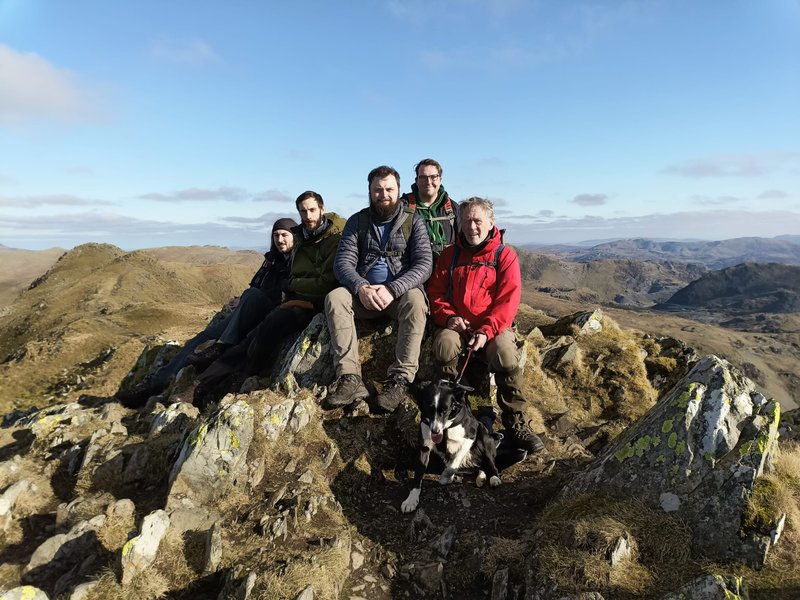
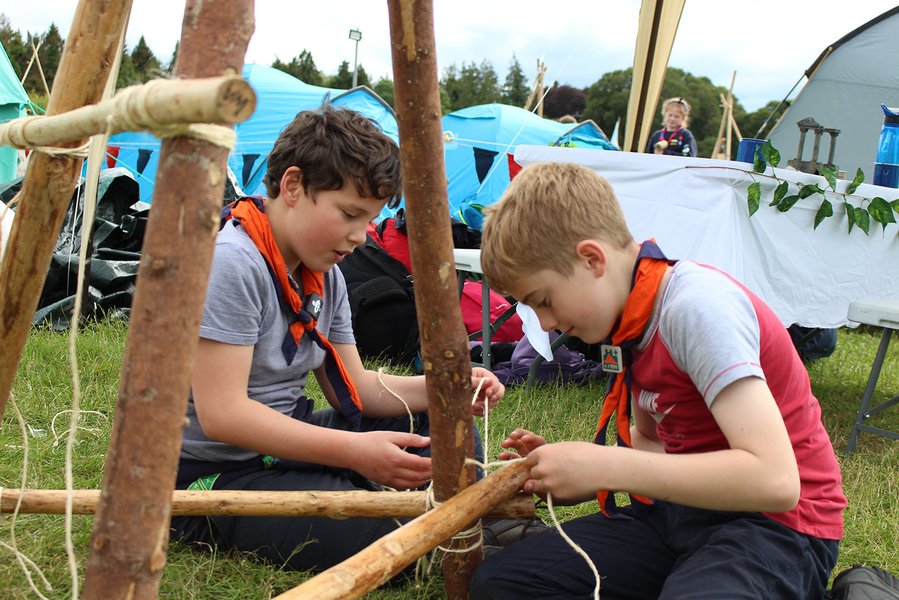

These images demonstrate the practical application of collaborative support through team-based activities, leadership challenges, and community service projects that are central to the Rover Scout experience. Research consistently shows that these hands-on collaborative experiences create deeper learning and more effective skill development than traditional educational approaches.
Frequently Asked Questions
References
- World Organization of the Scout Movement. (2022). Empowering young adults: Guidelines for the Rover Scout section - World Scouting
- Alarcon, M., & Guzman, C. (2021). Perceptions of global citizenship by Rover Scouts and leadership Scouts - International Journal of Language and Literature
- Scouts Canada. (2020). Rover Scout handbook - Canadian Path
- Scouts Canada. (n.d.). Crew Scouters - Scouts Canada
- Sri Lanka Scouts. (n.d.). Rover Scout - Sri Lanka Scouts Association
- ScoutWiki. (n.d.). Rover Scout - International Scouting Encyclopedia
- Wikipedia. (2025, April 7). Rover Scout - Wikipedia
Recommended Queries
Last updated April 8, 2025