
Understanding Communication and Compromise in Rover Scouts
A Comprehensive Study of Communication, Compromise, and Related Dynamics within Rover Scout Programs
Rover Scouts, a program designed for young adults within the Scouting movement, places significant emphasis on developing essential life skills. Among these, communication and compromise stand out as crucial for personal growth, effective teamwork, and community engagement. Examining these elements provides insights into how Rover Scouts operate and contribute to the broader goals of the Scouting movement.
Key Highlights
- Effective Communication: Rover Scouts emphasizes open and honest communication as vital for building healthy relationships and ensuring fulfilling experiences.
- Compromise and Conflict Resolution: Learning to navigate disagreements and find common ground is essential for Rover Scouts to function cohesively and achieve their goals.
- Development of Essential Skills: Rover Scouting focuses on improving communication, leadership, and life skills to empower young adults to become responsible citizens.
The Essence of Communication in Rover Scouts
Communication is a cornerstone of the Rover Scout program, essential for fostering a supportive and productive environment. Effective communication within Rover Crews ensures that members can collaborate efficiently, resolve conflicts constructively, and achieve shared objectives.
Building Healthy Relationships Through Open Dialogue
Open and honest communication is vital for building healthy relationships within a Rover Crew. It allows members to express their thoughts and feelings, understand each other's perspectives, and create a sense of trust and camaraderie. This environment fosters mutual respect and ensures that everyone feels valued and heard.
Active Listening: A Key Component
Active listening is a critical skill emphasized within Rover Scouts. By paying attention to what others are saying, asking clarifying questions, and providing thoughtful responses, Rovers can demonstrate empathy and understanding. This promotes effective dialogue and helps to prevent misunderstandings.
Communication as a Tool for Personal and Group Development
Rover Scouts utilize communication as a tool for both personal and group development. Through discussions, presentations, and collaborative projects, members can enhance their communication skills, share knowledge, and learn from one another's experiences. This collective learning environment contributes to the overall growth and success of the Rover Crew.
Compromise: Navigating Disagreements and Finding Common Ground
Compromise is an integral aspect of Rover Scouting, enabling members to navigate disagreements and find solutions that benefit the group. The ability to compromise fosters a spirit of collaboration and ensures that all voices are considered in decision-making processes.
The Importance of Mutual Consent
Compromise, in the context of Rover Scouts, involves reaching agreements through mutual consent. This means that all parties involved have the opportunity to express their opinions and work together to find a solution that addresses everyone's concerns. Atticus Finch, in Harper Lee's "To Kill a Mockingbird," highlights that compromise is "an agreement reached by mutual consent," emphasizing its consensual nature.
Real-World Applications of Compromise
The skills learned through compromise in Rover Scouts extend beyond the program itself. Rovers can apply these skills in various aspects of their lives, including their personal relationships, academic pursuits, and professional careers. The ability to find common ground and work collaboratively is invaluable in today's diverse and interconnected world.
Case Study: Boy Scouts of America
The Boy Scouts of America (BSA) provides a case study in the challenges of compromise. The organization faced significant internal and external pressures to adapt its policies on inclusivity. These attempts at compromise led to dissatisfaction among various stakeholders, highlighting the complexities and potential pitfalls of navigating conflicting values and beliefs. Despite efforts to modernize, the BSA experienced declines in membership and faced challenges in maintaining its core mission. This example illustrates the critical need for careful consideration and open communication when seeking compromise within an organization.
Rover Scout Program: A Holistic Approach to Development
The Rover Scout program offers a comprehensive approach to developing young adults into responsible and engaged citizens. By focusing on leadership, life skills, and community service, Rover Scouts provides a platform for personal growth and societal contribution.
Core Components of the Rover Scout Program
The Rover Scout program encompasses various core components designed to foster holistic development. These include:
-
Leadership Skills: Rovers are encouraged to take on leadership roles within their Crews and the wider community, developing their ability to motivate and guide others.
-
Life Skills: The program emphasizes practical life skills such as financial management, problem-solving, and decision-making, preparing Rovers for independent living.
-
Communication Skills: Effective communication is a central focus, with Rovers learning to articulate their ideas, listen actively, and resolve conflicts constructively.
-
Community Service: Rovers are actively involved in community service projects, contributing to the well-being of their local areas and developing a sense of social responsibility.
-
Outdoor Activities: Adventures like hillwalking and camping promote physical fitness, teamwork, and appreciation for nature.
Integrating Program Activity Areas
The Rover program integrates several program activity areas to guide Rovers in choosing activities that align with their interests and developmental goals. These areas include leadership skills, life skills, communication skills, spiritual and social issues, personal interests, and outdoor activities. By engaging in activities across these areas, Rovers can develop a well-rounded skill set and a broader perspective on the world around them.
International Opportunities
Rover Scouting often includes opportunities for international travel and collaboration, allowing Rovers to connect with peers from around the world. These experiences broaden their horizons, promote cultural understanding, and foster a sense of global citizenship. International events like Jamborees and Rover Moots provide platforms for Rovers to share ideas, learn from different cultures, and build lasting friendships.
Rovering to Success: Baden-Powell's Vision
Robert Baden-Powell, the founder of the Scouting movement, envisioned Rover Scouting as a means to guide young adults toward a life of purpose and service. His handbook, "Rovering to Success," offers insights into the principles and values that underpin the Rover Scout program.
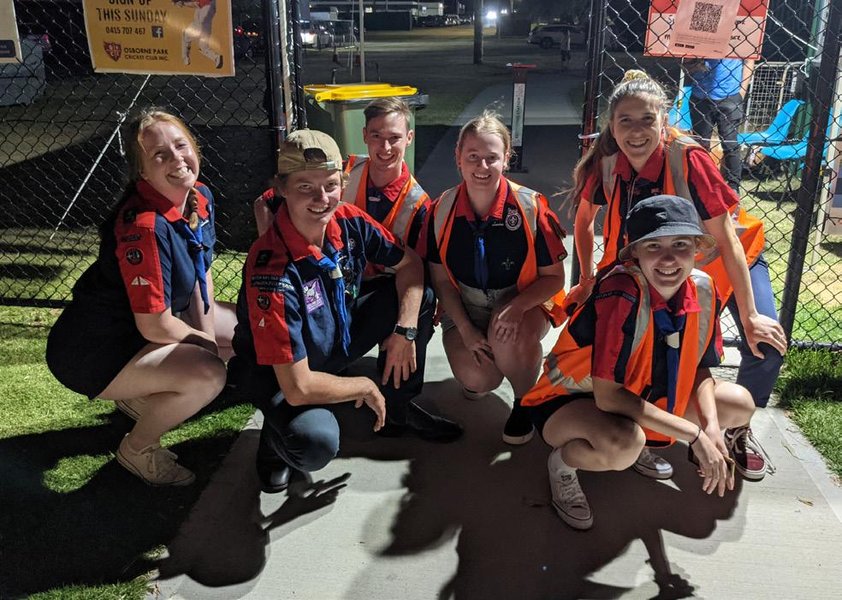
WA Rover Scouts Annual 2022
The Rover Motto: Service
The Rover motto, "Service," encapsulates the essence of the program. Rovers are encouraged to engage in service projects that benefit their communities, demonstrating a commitment to helping others and making a positive impact on society. This emphasis on service fosters a sense of social responsibility and encourages Rovers to become active and engaged citizens.
Cleanliness in Thought, Word, and Deed
Baden-Powell emphasized the importance of being "clean in thought, word, and deed." This principle encourages Rovers to maintain high moral standards, practice honesty and integrity, and treat others with respect. By adhering to these values, Rovers can build strong character and become positive role models for others.
Rovering to Success
"Rovering to Success" is not just a handbook but a guide to life, encouraging Rovers to explore their interests, develop their skills, and pursue their passions with enthusiasm and determination. Baden-Powell's vision was to create a program that empowers young adults to become successful and contributing members of society, guided by the principles of service, integrity, and personal growth.
Rover Scout Traditions and Activities
Rover Scouts engage in a wide array of activities that promote personal development, teamwork, and community involvement. These activities often include outdoor adventures, skill-building exercises, and service projects.
Outdoor Adventures
Outdoor activities are a cornerstone of the Rover Scout program, providing opportunities for Rovers to connect with nature, challenge themselves physically, and develop essential survival skills. These adventures can range from hiking and camping to water-based activities and wilderness expeditions.
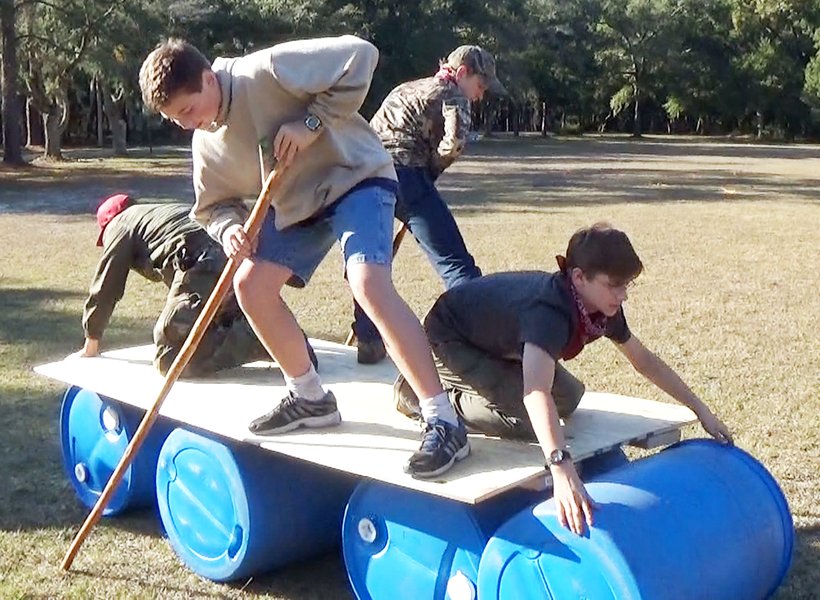
Action Photo Archive
Skill-Building Exercises
Rover Scouts participate in various skill-building exercises designed to enhance their practical knowledge and abilities. These exercises can include first aid training, knot tying, navigation skills, and emergency preparedness. By developing these skills, Rovers become more self-reliant and better equipped to handle challenging situations.
Community Service Projects
Community service is an integral part of the Rover Scout program, providing opportunities for Rovers to give back to their communities and make a positive impact on the lives of others. These projects can range from environmental conservation efforts to assisting vulnerable populations and supporting local organizations.
Rover Crew Meetings
Rover Crew meetings serve as a platform for planning activities, sharing experiences, and supporting each other's personal growth. These meetings typically involve discussions, skill-sharing sessions, and social activities, fostering a sense of camaraderie and mutual support within the Crew.
Rover Scouts: A Global Perspective
Rover Scouting has a rich history and a global presence, with programs operating in numerous countries around the world. While the specific activities and traditions may vary from region to region, the core principles and values of Rover Scouting remain consistent.
Historical Origins
The Rover Scout program originated in the United Kingdom in 1918, as a way to provide a structured program for young men who had aged out of the Boy Scout section. Founded by The Boy Scouts Association, it quickly gained popularity and spread to other countries, becoming an integral part of the global Scouting movement.
Variations in Programs
The Rover Scout program varies across different Scouting organizations. Some organizations have replaced the Rover program with modified schemes, while others maintain the original program and Baden-Powell Award. Traditional Scouting organizations, like the Baden-Powell Service Association (BPSA), continue to uphold the original program, emphasizing outdoor skills and leadership development.
Global Impact
Rover Scouting has had a significant impact on communities around the world, empowering young adults to become responsible citizens and leaders. Through service projects, community involvement, and personal development initiatives, Rover Scouts contribute to the well-being of their societies and promote a sense of global citizenship.
Compromise in "To Kill a Mockingbird": A Literary Parallel
The concept of compromise is explored in Harper Lee's novel "To Kill a Mockingbird," offering a literary parallel to the importance of compromise in real-life situations, such as those encountered in Rover Scouts.
Atticus Finch's Approach to Compromise
Atticus Finch, the protagonist of "To Kill a Mockingbird," embodies the principles of fairness, empathy, and compromise. He teaches his daughter, Scout, the importance of understanding others' perspectives and finding common ground, even in the face of adversity. Atticus's approach to compromise reflects the values of Rover Scouting, which emphasizes collaboration, mutual respect, and peaceful resolution of conflicts.
Scout's Early Challenges
In the novel, Scout faces challenges in adapting to the expectations of her schoolteacher, Miss Caroline. Scout's initial mistakes and misunderstandings highlight the difficulties of navigating new environments and conforming to unfamiliar rules. However, through Atticus's guidance and her own growing understanding, Scout learns to compromise and find a balance between her individual identity and the expectations of society.
Compromise as a Path to Understanding
The theme of compromise in "To Kill a Mockingbird" underscores the importance of empathy, understanding, and open communication in resolving conflicts and building strong relationships. Just as Atticus teaches Scout to "walk in another person's shoes" before judging them, Rover Scouts are encouraged to listen actively, consider different perspectives, and find common ground through compromise.
Communication Merit Badge: Essential Life Skills
The Communication merit badge in Scouting highlights the importance of effective communication skills. These skills are vital for personal, academic, and professional success.
Mastering Communication Skills
Earning the Communication merit badge requires Scouts to examine their communication methods, deliver speeches, conduct interviews, and organize discussions. This process equips them with essential tools for expressing themselves clearly, listening attentively, and engaging effectively with others.
Active Listening and Objective Reporting
A key component of the Communication merit badge is practicing active listening skills. Scouts learn to take careful notes of different points of view and prepare objective reports that include all perspectives. This fosters empathy and helps them understand diverse opinions, which is essential for compromise and conflict resolution.
Overcoming Communication Barriers
Effective communication is not always easy. Scouts are encouraged to recognize and overcome barriers to communication, such as distractions, biases, and cultural differences. By addressing these challenges, they can improve their ability to connect with others and build strong relationships.
Compromise Gone Wrong: Lessons from the Boy Scouts of America
The experiences of the Boy Scouts of America (BSA) offer valuable lessons about the complexities and potential pitfalls of compromise, particularly when dealing with deeply held values and beliefs.
The Erosion of Core Values
Critics argue that the BSA's attempts to compromise on issues such as inclusivity have led to an erosion of its core values. By seeking to appease critics, the organization may have alienated some of its traditional supporters and created confusion about its mission. This highlights the importance of carefully considering the potential consequences of compromise and maintaining a clear sense of identity.
The Challenge of Balancing Inclusivity and Tradition
The BSA's struggles illustrate the challenge of balancing inclusivity with traditional values. While it is important to create a welcoming environment for all members, it is also essential to preserve the principles and beliefs that have defined the organization for over a century. Finding this balance requires open dialogue, mutual respect, and a willingness to compromise without sacrificing core values.
Effective Communications in Scouting Part 2 of 2
This video provides insights into the importance of effective communication within the Scouting context, with tips and strategies relevant to both Scouts and leaders. The ability to communicate effectively ensures that messages are clearly conveyed and understood, minimizing misunderstandings and promoting better collaboration.
FAQ
What is Rover Scouting?
Rover Scouting is a program for young adults, typically between the ages of 18 and 25, associated with some Scout organizations. It provides opportunities for personal development, community service, and outdoor adventures.
What are the core values of Rover Scouting?
The core values of Rover Scouting include service to others, personal integrity, leadership, and a commitment to community development.
How does communication contribute to Rover Scouting?
Effective communication is essential for building strong relationships within Rover Crews, resolving conflicts constructively, and achieving shared goals.
What is the significance of compromise in Rover Scouting?
Compromise enables Rovers to navigate disagreements, find common ground, and make decisions that benefit the group as a whole. It fosters a spirit of collaboration and mutual respect.
What skills can I gain from Rover Scouting?
Rover Scouting helps develop leadership, communication, problem-solving, and practical life skills, preparing young adults for success in their personal and professional lives.
References
 scoutsca.s3.amazonaws.com
Last updated April 12, 2025