
Effective Communication and Conflict Resolution in Rover Scouts
Strategies for fostering understanding and collaboration within Rover Crews.
Key Highlights for Rover Scout Communication
- Active Listening: Scouts learn to carefully listen to each other's perspectives during discussions.
- Conflict Resolution: Scouting provides a framework for managing disagreements and finding mutually acceptable solutions.
- Effective Communication: Scouts develop skills in clear and respectful communication, crucial for teamwork and leadership.
Understanding the Rover Scout Program
Rover Scouts, a senior section in many Scouting organizations, offer young adults aged 18-26 opportunities for self-discovery, leadership development, and community involvement. Rooted in the principles of citizenship and personal growth, the Rover program encourages young adults to explore their potential through outdoor challenges, community projects, and teamwork.
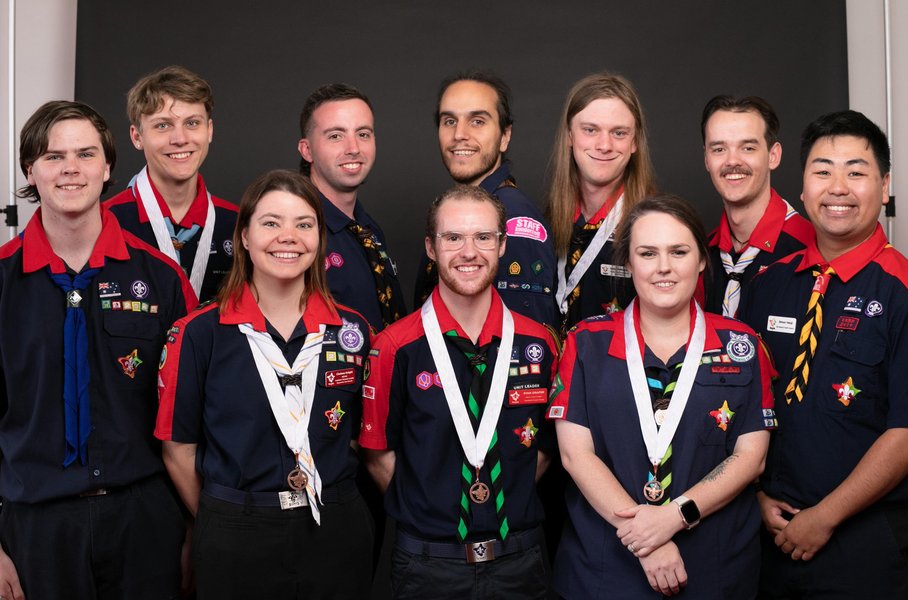
Rover Scouts engaging in outdoor activities and teamwork.
The Importance of Communication Skills
Effective communication is vital within Rover Crews for several reasons. It ensures everyone is informed, messages are accurately conveyed and received, and the team functions harmoniously. Good communication skills also foster a supportive environment where Rovers can openly discuss challenges, share ideas, and work together to achieve common goals.
Developing Conflict Resolution Skills
Conflict is a natural part of any group dynamic. Scouting provides a structured approach to conflict resolution, equipping young adults with the skills to manage disagreements constructively. These skills include recognizing potential conflicts, understanding different points of view, and finding solutions that satisfy all parties involved.
Communication Strategies in Scouting
Scouting emphasizes several communication strategies to foster understanding and collaboration:
- Active Listening: Paying close attention to what others are saying, asking clarifying questions, and acknowledging different perspectives. This involves more than just hearing the words; it requires understanding the speaker's emotions and the underlying message. Active listening helps prevent misunderstandings and ensures everyone feels heard and valued.
- Clear and Respectful Expression: Communicating one's own ideas and feelings in a way that is both clear and respectful of others. This involves using "I-statements" to express personal feelings without blaming others, and avoiding judgmental or accusatory language. Clear communication helps to avoid misunderstandings and promotes a positive and constructive dialogue.
- Non-Verbal Communication: Being aware of body language and other non-verbal cues that can impact communication. Maintaining eye contact, using appropriate facial expressions, and being mindful of posture can all contribute to more effective communication. Understanding non-verbal cues can also help Rovers to better understand the feelings and attitudes of others.
- Seeking Clarification: Asking questions to ensure a full understanding of others' viewpoints. This is especially important when dealing with complex or sensitive issues. Asking clarifying questions shows that you are engaged in the conversation and that you value the other person's perspective.
The EAR Acronym
The EAR acronym (Empathy, Attention, Resolve) is a helpful tool for conflict resolution, emphasizing the importance of listening and then working to fix a situation. This model underscores the value of understanding others' feelings (Empathy), actively paying attention to the issues (Attention), and collaboratively finding a resolution (Resolve).
Conflict Resolution Techniques
Conflict resolution within a Rover Crew involves several key steps:
- Awareness: Recognizing that a conflict exists. This might involve observing tension between members, hearing complaints, or noticing a breakdown in communication.
- Understanding: Identifying the different points of view and the underlying issues. This requires active listening and a willingness to see the situation from the other person's perspective.
- Communication: Discussing the conflict openly and respectfully, ensuring everyone has a chance to express their feelings and ideas. This should be a safe space where people feel comfortable sharing their thoughts without fear of judgment.
- Problem Solving: Working together to find a solution that addresses the needs of all parties involved. This might involve brainstorming different options, compromising, or finding a creative solution that everyone can agree on.
- Resolution: Implementing the agreed-upon solution and following up to ensure it is effective. This is not necessarily about finding a winner or loser, but about finding a result that is acceptable to everyone.
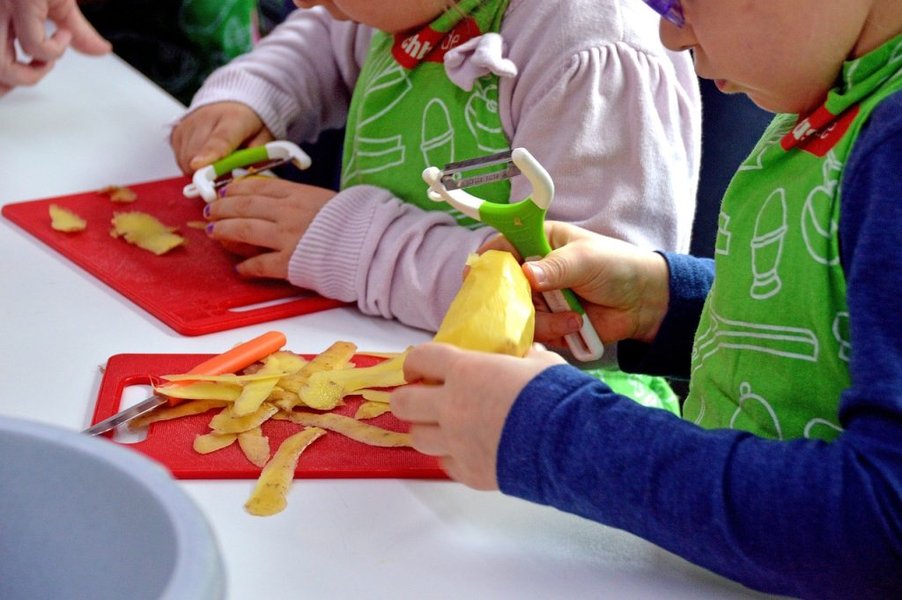
Scouts participating in a team-building activity that requires communication and problem-solving.
The I-Statement Method
The I-Statement method is a valuable tool for expressing feelings and needs without blaming others. It involves articulating the problem and your feelings about the conflict. For example, instead of saying "You always interrupt me," you could say "I feel frustrated when I am interrupted because I don't feel heard."
Rover Scouts and Leadership Development
Rover Scouting plays a crucial role in developing leadership skills. Rovers are encouraged to take on leadership roles within their Crews and in the wider community. These experiences provide opportunities to practice communication, conflict resolution, and teamwork skills in real-world situations.
Personal Development Plans
Rover Scouts are encouraged to set personal goals and work towards them with the support of a Scouting Advisor. These plans help Rovers focus on their individual development and identify areas where they can improve their communication and conflict resolution skills.
Table of Communication and Conflict Resolution Skills in Rover Scouts
The following table outlines key skills and how they are developed within the Rover Scout program:
| Skill | Description | How it is Developed in Rover Scouts |
|---|---|---|
| Active Listening | Paying attention to and understanding others' perspectives. | Participating in discussions, attending public meetings, and taking notes. |
| Clear Communication | Expressing oneself clearly and respectfully. | Preparing and delivering presentations, teaching skills to others, and leading activities. |
| Conflict Resolution | Managing disagreements and finding mutually acceptable solutions. | Participating in team projects, resolving conflicts within the Crew, and leading community service initiatives. |
| Teamwork | Working effectively with others to achieve common goals. | Participating in group activities, planning and executing projects, and supporting fellow Rovers. |
| Leadership | Guiding and inspiring others. | Taking on leadership roles within the Crew, mentoring younger Scouts, and organizing events. |
Communication Beyond the Crew
The skills developed in Rover Scouts extend beyond the Crew environment. Rovers are encouraged to engage with their communities, whether through volunteering, leading projects, or simply being active citizens. These experiences provide further opportunities to practice and refine their communication and conflict resolution skills.
Community Involvement
Rover Scouts often volunteer at food banks, assist with organizing group camps, or organize outdoor adventures. These activities require effective communication with a diverse range of people and the ability to resolve conflicts that may arise.
The Role of the Rover Advisor
The Rover Advisor plays a crucial role in guiding and supporting the Crew. While Rovers are encouraged to be self-determining, the Advisor provides advice, mentorship, and helps to facilitate the Canadian Path program. The Advisor's role is to support the Rovers in their personal development and to help them achieve their goals.
Enhancing Communication Skills: The Communication Merit Badge
The Communication Merit Badge focuses on how people use messages to generate meanings within various contexts, cultures, channels, and media. Scouts develop essential skills such as public speaking, listening, writing, and non-verbal communication. Activities include:
- Keeping a log of communication methods used throughout the day.
- Attending public meetings and practicing active listening skills.
- Developing and executing a plan to teach a skill to someone else.
Conflict Resolution Training Resources
Several resources are available to support conflict resolution training within Scouting. These include:
-
Training Courses: Courses that provide tools to recognize developing conflict situations and offer positive suggestions for resolution.
-
Online Resources: Online courses and materials that cover conflict management and strategies for handling disagreements.
-
The BFF (Be a Friend First) Program: A Girl Scouts program designed to help build safe and smart conflict management guidelines.
This YouTube video, "How to Resolve Conflicts in Your Den or Pack," offers friendly and courteous strategies for conflict resolution in Cub Scouts, emphasizing the importance of communication and understanding different perspectives. Although this video is focused on Cub Scouts, it highlights fundamental approaches to conflict resolution that are broadly applicable across all scouting levels, including Rover Scouts. The principles discussed, such as active listening, empathy, and finding common ground, are essential for fostering a positive and collaborative environment in any scouting group.
Frequently Asked Questions
What is the Rover Scout program?
The Rover Scout program is a senior section within many Scouting organizations for young adults aged 18-26. It focuses on self-discovery, leadership development, and community involvement.
Why is communication important in Rover Scouts?
Effective communication ensures everyone is informed, messages are accurately conveyed, and the team functions harmoniously. It also fosters a supportive environment for discussing challenges and sharing ideas.
What are some conflict resolution techniques used in Scouting?
Key techniques include active listening, clear and respectful expression, and the I-Statement method. The EAR acronym (Empathy, Attention, Resolve) is also a helpful tool.
What is the role of a Rover Advisor?
The Rover Advisor provides advice, mentorship, and support to the Crew, helping them to achieve their personal and collective goals. The Advisor's role is to support the Rovers in their personal development and to help them achieve their goals.
How does Rover Scouting help develop leadership skills?
Rover Scouts are encouraged to take on leadership roles within their Crews and in the wider community, providing opportunities to practice communication, conflict resolution, and teamwork skills.
References
 scoutsca.s3.amazonaws.com
Last updated April 12, 2025