
RP-SMA Omnidirectional Antennas for Maximum Range
Comprehensive Guidance on Selecting High-Performance Antennas
Key Highlights
- High Gain for Extended Coverage: Focus on antennas with 9 dBi gain or higher for best range performance.
- Dual-Band Capabilities: Consider antennas that work on both 2.4GHz and 5GHz frequencies for flexibility and improved performance.
- Environmental & Installation Considerations: Understand how physical obstructions, cable quality, and installation affect overall range.
Understanding RP-SMA Omnidirectional Antennas
Basic Concepts
RP-SMA (Reverse Polarity SubMiniature version A) is a common type of connector often used in Wi-Fi equipment. An omnidirectional antenna radiates or receives signals equally well in all directions within a horizontal plane. This makes these antennas ideal for environments where the signal needs to cover a 360° area, such as in outdoor deployments or areas with multiple user directions.
Importance of High Gain
Gain, measured in dBi (decibels over isotropic), is critical for determining the reach of an antenna. A high-gain antenna focuses energy in a specific pattern to extend the range. When seeking the highest possible range, antennas with 9 dBi gain or greater are preferred. Many options on the market offer 10 dBi, 12 dBi, or even higher gains, which in ideal conditions can significantly increase signal reach. However, it is important to note that higher gain often means a narrower beamwidth, focusing the signal in a specific area and reducing omnidirectional directivity. Therefore, a balance between gain and coverage area is essential.
Detailed Features and Considerations
Antenna Gain and Frequency
Gain Specifications
Antennas with higher dBi values are engineered to provide better performance. A typical recommendation for extended range is a gain of 10 dBi or more. For example, a 12 dBi antenna will outperform a 6 dBi antenna by focusing more power in the desired direction which consequently extends your network’s reach. However, while higher gain is desirable, one must carefully assess its impact on beamwidth. An aggressively high gain might narrow the radiation pattern too much, which could compromise the omnidirectional feature essential for full circular coverage.
Frequency Band Selection: 2.4GHz vs. 5GHz
Dual-band antennas are highly recommended. The 2.4GHz band, with its longer wavelength, generally provides a greater range and better penetration through obstacles such as walls, though it is more susceptible to interference from other devices. On the other hand, the 5GHz band usually offers higher data rates and reduced congestion but at a slightly reduced range. Choosing a dual-band antenna with RP-SMA connectors ensures flexibility and a robust performance across various environments.
Application and Environment
Indoor vs. Outdoor Use
When selecting an antenna, consider whether it will be used indoors or outdoors. Antennas designed for outdoor use are built with durable, weatherproof materials and enclosures that can withstand environmental factors such as rain, snow, and direct sunlight. Weatherproof casings using fiberglass or plastic radomes help protect against the elements while maintaining optimal performance. In contrast, indoor antennas might not require such robust construction but should be optimized for performance in environments populated with potential interference from other wireless devices.
Installation and EMC Considerations
Proper installation is vital to achieve the highest possible range. This involves:
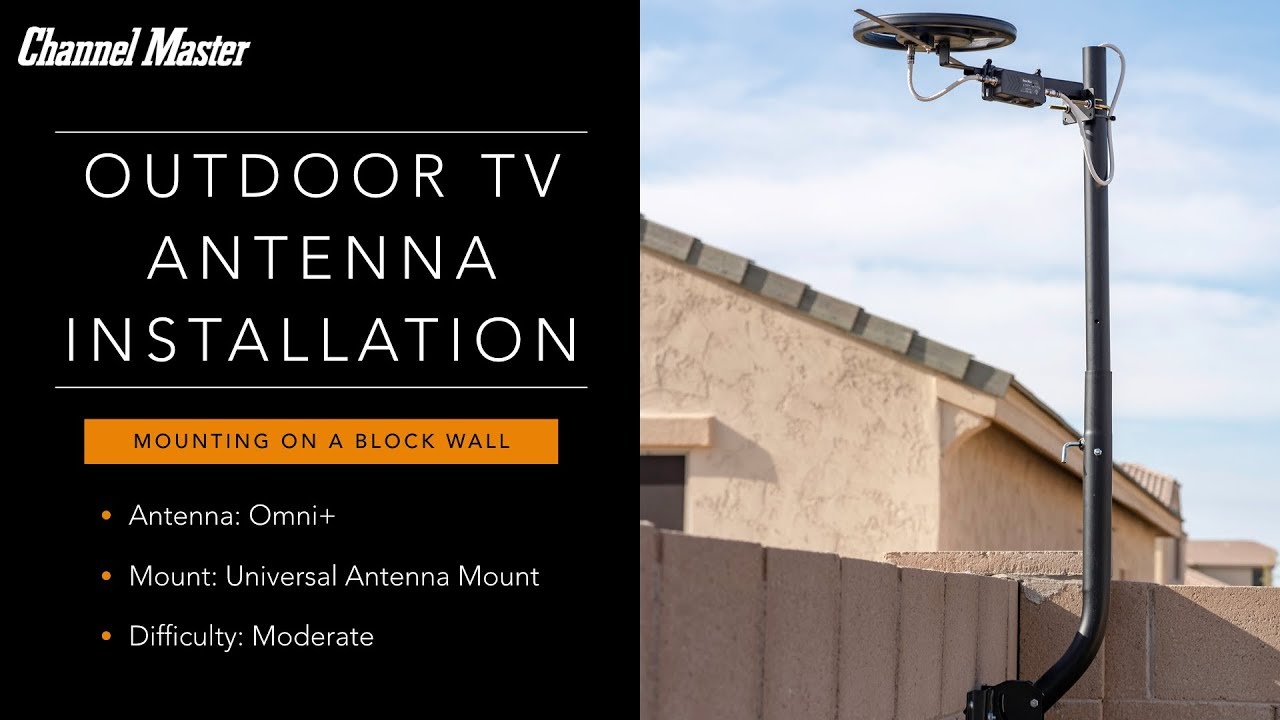
- Ensuring the antenna is mounted as high as possible for unobstructed line-of-sight communication.
- Using high-quality, low-loss coaxial cables such as LMR400 to minimize signal degradation between the antenna and the device.
- Proper alignment to account for the omnidirectional radiation pattern, ensuring no undue obstructions such as buildings or large metallic objects are nearby.
- Verifying that the connector (RP-SMA) is secure and compatible with your network hardware.
Market Options and Specifications
Overview of Notable Models
A variety of RP-SMA omnidirectional antennas are available in the market. The following table summarizes several models and key features to help compare their specifications. Note that real-world performance can depend on installation conditions and local environmental factors.
| Model | Frequency | Gain (dBi) | Range Potential | Key Features |
|---|---|---|---|---|
| High-Gain Omni-Directional | 2.4 GHz / 5GHz | 10 dBi - 12 dBi | Up to 2 miles (3.2 km) | Weatherproof design, dual band, RP-SMA connector |
| 12 dBi Omni-Directional Dipole | 2.4 GHz | 12 dBi | Significant range extension in open conditions | Available in multiple sizes (17-22 inches), optimized for outdoor use |
| 10 dBi Dual Band WiFi Booster | 2.4 GHz / 5GHz | 10 dBi | Up to 1.2 miles (1.9 km) in real-world settings | MIMO support, compact design, ideal for both indoor and outdoor applications |
| Ubiquiti AirMAX Omni | 2.4 GHz / 5GHz | 8-10 dBi | Up to 1 mile (1.6 km) | Compact, rugged design ideal for challenging outdoor installations |
| TP-Link Omni Antenna | 2.4 GHz / 5GHz | 9-12 dBi | Up to 1.2 miles (1.9 km) | Waterproof and durable, suitable for extended outdoor coverage |
Additional Considerations for Maximum Range
Connector Compatibility
For maximum compatibility and optimal performance, it is essential to ensure that the selected antenna specifically uses RP-SMA connectors. These connectors are standard in many wireless devices and routers, ensuring a proper match with your equipment. It is important to verify both the physical connector and any associated impedance considerations.
Environmental Impact and Interference
Additionally, environmental factors play a significant role in determining the effective range of your antenna. Urban environments might introduce signal interference from various devices, while rural areas generally provide less interference but might have more physical obstructions like trees or uneven terrain. When using high-gain antennas, a narrow beamwidth can be beneficial if the environment is relatively unimpacted by multipath interference or obstacles. However, if interference or obstructions are present, even a high-performance antenna might not achieve its maximum theoretical range.
Transmit Power and Receiver Sensitivity
To fully exploit the capabilities of a high-gain antenna, the overall system must also include a transmitter with adequate power and a sensitive receiver. Even the best antenna cannot compensate for subpar transmitter power. Many long-range deployments work in tandem with high-quality wireless equipment that adheres to regulatory limits on power output while still optimizing for greater range. A transmitter with sufficient power (commonly 100mW or higher) combined with a sensitive receiver can vastly improve the effective communication distance.
Comparative Overview of Specific Products
Product Examples and Industry References
Here, we provide additional insights into several well-known antennas that are commonly recommended:
- High-Gain Omni-Directional Antennas: Products offering around 10-12 dBi gain are excellent for outdoor applications and large areas. They typically incorporate robust, weatherproof designs.
- Dual-band Designs: Antennas that support both 2.4 GHz and 5GHz frequencies provide the best balance between range and high-speed connectivity. Dual-band capability is essential for leveraging the benefits of both frequency bands as your network environment necessitates.
- Specialized Models like Ubiquiti AirMAX, TP-Link, and Hyperlink Technologies: These brands have models which are specifically tailored for long-range communications. They incorporate advanced design elements such as focused beamwidth control and MIMO support to further extend reach and reliability, particularly in outdoor installations.
Comparison Table: Leading Antenna Options
The following table provides a streamlined comparison of select products known for their range and performance:
| Brand/Model | Frequency | Gain (dBi) | Estimated Range | Key Features |
|---|---|---|---|---|
| Ubiquiti AirMAX Omni | 2.4/5GHz | 8-10 dBi | Up to 1 mile (1.6 km) | Rugged design, optimal for outdoor use |
| TP-Link Omni Antenna | 2.4/5GHz | 9-12 dBi | Up to 1.2 miles (1.9 km) | Durable, waterproof, dual-band |
| Hyperlink Technologies Omni | 2.4/5GHz | 10-12 dBi | Up to 2 miles (3.2 km) | High-performance, rugged construction |
| 12 dBi Omni Dipole | 2.4GHz | 12 dBi | Significant extension on open terrain | Optimized for outdoor, various sizes available |
Dealing with Practical Deployment Issues
Cabling and Loss Considerations
One of the oft-overlooked aspects of ensuring maximum range is the cable quality connecting your antenna to your transceiver. Even the highest gain antenna may underperform if the cable introduces excess losses:
- Low-Loss Coaxial Cables: Use cables like the LMR400 series, which are specifically designed to minimize loss and maintain signal strength over longer distances.
- Connector Quality: Poor connectors may contribute to additional signal degradation. Always use high-quality RP-SMA connectors that maintain impedance matching with your other network equipment.
- Installation Practices: Ensure that the cable runs are kept as short as practical and avoid sharp bends to reduce inherent signal losses.
Regulatory and Safety Considerations
Before installing high-gain antennas, it is essential to be aware of local regulations concerning wireless transmissions and antenna installations. In many jurisdictions, there are limits to the amount of effective isotropic radiated power (EIRP) that may be legally transmitted. Compliance with these regulations is crucial to avoid legal issues and potential interference with other communication services.
- Check Local Guidelines: Regulations can vary significantly by country and region. Ensure that installation adheres to local wireless communication standards.
- Professional Consultation: For large-scale installations, professional consultation may be beneficial to ensure optimization while staying within legal power limits.
- Environmental Impact: High-power deployments may also be subject to additional environmental assessments, especially in sensitive areas.
Practical Tips for Optimizing Signal Performance
Maximizing Your Antenna Setup
To achieve the best performance from your RP-SMA omnidirectional antenna, consider the following best practices:
- Strategic Placement: Mount the antenna at an elevated location free from obstructions. The clearer the line-of-sight, the better the performance.
- Antenna Orientation: Although omnidirectional antennas radiate evenly in all directions, slight adjustments to the orientation can help optimize performance in challenging areas.
- Regular Maintenance: Ensure that cables and connectors are in good condition as wear and tear may lead to signal losses over time.
- System Integration: Pair your high-gain antenna with robust transmission equipment and ensure the receiver is appropriately sensitive to leverage the extended range.
Monitoring and Adjustment
After installation, it is recommended to periodically measure the system's signal strength and performance. Tools such as spectrum analyzers or software-based Wi-Fi signal strength applications can help in identifying any issues or areas where further adjustment might be required. Fine-tuning the placement or even changing the cable routing may yield better results, ensuring you consistently achieve maximum range across your deployment area.
References
- Best Long Range Wi-Fi Antennas - IPTV Insider
- RP-SMA Antennas - Data Alliance
-
10dBi 2.4GHz 5GHz WiFi Booster - Amazon
-
Omnidirectional Antennas for Wi-Fi - Amazon
- Dual Band WiFi Antennas with RP-SMA - Data Alliance
Recommended Further Queries

Last updated March 22, 2025