
RPI's Arch Program Unveiled: More Than Just a Co-op?
Discover how Rensselaer's unique experiential learning model reshapes the junior year and differs from traditional work placements.
Rensselaer Polytechnic Institute (RPI) has implemented a distinctive academic initiative known as "The Arch." This program significantly alters the traditional undergraduate path, aiming to integrate deep experiential learning with rigorous academics. But how does it function, and how is it distinct from a standard cooperative education (co-op) program? Let's delve into the specifics.
Key Highlights: Understanding The Arch
- Mandatory Junior Year Restructure: The Arch involves a required summer academic semester on campus after sophomore year, followed by a full semester away (fall or spring of junior year) dedicated to experiential learning.
- Broad Experiential Scope: While co-ops are an *option*, the Arch's "semester away" accommodates various experiences like internships, research (at RPI or elsewhere), study abroad, civic engagement, or self-designed projects.
- Integrated Framework vs. Specific Work Term: The Arch is a comprehensive academic program structure, whereas a co-op is typically a specific type of extended, paid work placement related to a student's major.
What Exactly is RPI's Arch Program?
The Arch at RPI represents a fundamental shift in the undergraduate curriculum, specifically impacting the junior year. It's designed as a holistic model that blends classroom education with practical, real-world application, aiming to better prepare students for their future careers and personal growth within a standard four-year degree timeline.
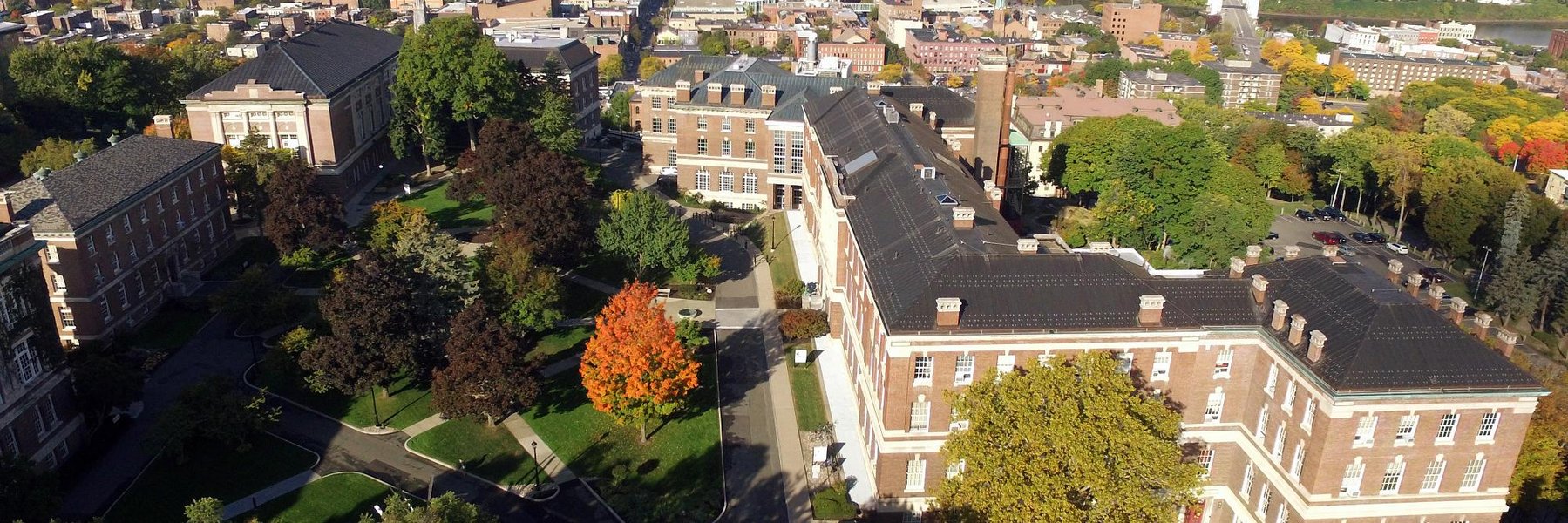
Aerial view highlighting the Rensselaer Polytechnic Institute campus environment where the Arch program unfolds.
Core Components of The Arch
The program is primarily characterized by two distinct phases:
1. The Summer Arch Semester
Following their sophomore year, all students participating in The Arch remain on campus for a full summer semester. This isn't a typical relaxed summer session; it involves intensive, condensed coursework, specialized classes, field trips, and co-curricular activities. The goal is to accelerate academic progress, allowing students to fulfill degree requirements while preparing them intellectually and professionally for their upcoming off-campus experience. It also utilizes campus resources more effectively year-round.
2. The Semester Away
After completing the Summer Arch semester, students embark on a "semester away" during either the fall or spring of their junior year. This semester is dedicated entirely to an approved experiential learning opportunity. RPI actively facilitates connections, boasting collaborations with numerous employer partners globally. However, the responsibility for securing a specific opportunity generally lies with the student. The options are diverse:
- Co-op: A full-time, paid work experience typically lasting 6-8 months.
- Internship: Similar to a co-op but often shorter (3-6 months).
- Research: Engaging in research projects at RPI, another university, or a research institution.
- Study Abroad / International Experience: Immersing in different cultures and academic environments.
- Civic Engagement: Participating in meaningful community service or projects.
- Self-Designed Experience: Crafting a unique opportunity tailored to specific personal or professional goals, subject to approval.
Goals and Structure
The overarching goal of The Arch is to provide a structured yet flexible pathway for students to gain significant professional or personal development experience without extending their time to graduation. It aims to enhance career readiness, build professional portfolios early, and offer global perspectives, all integrated within the four-year academic plan.
Defining the Co-op (Cooperative Education)
Before drawing direct comparisons, it's important to understand what a co-op typically entails in an academic context. A cooperative education program, or co-op, is a structured method of combining classroom-based education with practical work experience.
Typical Characteristics of a Co-op
- Work Experience: It involves full-time employment in a role directly related to the student's major or career interest.
- Duration: Co-ops are generally longer than typical internships, often spanning six to eight months, allowing for deeper immersion and more significant project contributions.
- Paid Position: Co-op positions are almost always paid.
- Timing: Can occur at various points during an undergraduate degree, sometimes alternating academic semesters with work semesters.
- Focus: Primarily centered on gaining professional work experience and skills within a specific industry or company.
Arch vs. Co-op: Spotting the Differences
While a student *can* undertake a co-op as their semester away experience within The Arch program, The Arch itself is fundamentally different from a standalone co-op program. The key distinctions lie in scope, structure, requirements, and flexibility.
Mindmap: Visualizing The Arch Structure
This mindmap illustrates the overall structure of RPI's Arch program and how various experiential learning opportunities, including co-ops, fit within its framework.
(Full-time, Paid Work, 6-8 months)"] id2b2b["Internship
(Shorter Work Term)"] id2b2c["Research
(RPI or elsewhere)"] id2b2d["Study Abroad / International"] id2b2e["Civic Engagement"] id2b2f["Self-Designed Experience"] id3["Goal: Integrate Learning & Experience"] id3a["Maintain 4-Year Graduation"] id3b["Build Professional Portfolio"] id3c["Personal Development"] id4["Contrast with Traditional Co-op"] id4a["Arch is Broader Framework"] id4b["Co-op is One Specific Option"] id4c["Arch Includes Mandatory Summer Academics"]
Comparative Analysis Table
The following table summarizes the essential differences between The Arch program structure and a typical co-op program:
| Feature | RPI Arch Program | Traditional Co-op Program |
|---|---|---|
| Nature | Comprehensive academic & experiential framework | Primarily a work placement program |
| Structure | Mandatory summer academic semester + mandatory semester away | Alternating semesters of work and study, or extended work periods |
| Requirement | Mandatory for junior class cohort | Often optional, sometimes integrated into specific majors |
| Experiential Options | Diverse (Co-op, Internship, Research, Study Abroad, Civic Engagement, Self-Designed) | Primarily focused on paid work experience related to major |
| Academic Integration | Strongly integrated (preparatory summer courses, structured away semester) | Varies; primarily focused on work experience, sometimes with related reports or credits |
| Duration of "Away" | One full academic semester (Fall or Spring) | Typically 6-8 months, can be longer or shorter depending on the program |
| Placement Responsibility | Significant student initiative required, supported by RPI resources | Varies; some programs have strong institutional placement support |
| Flexibility | Structured timing (Summer after Soph. Year, Away during Jr. Year), but flexible choice of *type* of experience | Often flexible timing for work terms throughout the degree program |
Programmatic Focus Comparison
This radar chart provides a visual comparison of the emphasis placed on different aspects by RPI's Arch program versus a typical standalone Co-op program. The scores reflect a generalized assessment based on the program descriptions.
As illustrated, The Arch emphasizes broader experiential options and strong academic integration within a rigid structure, while a typical co-op program heavily focuses on dedicated work experience, potentially offering more schedule flexibility and sometimes stronger institutional placement systems.
Student Experience and Perspectives
The Arch program, being a significant departure from traditional university schedules, elicits varied responses. Many students value the early opportunity to gain substantial real-world experience, build their resumes, and clarify career goals without extending their graduation date. The program's structure can lead to strong job placement outcomes, particularly for those pursuing co-ops or highly relevant internships.
However, the mandatory nature of the Summer Arch semester means sacrificing a traditional summer break for intensive study, which some find demanding. Additionally, the emphasis on student initiative in securing semester-away placements can be challenging for some, although RPI provides resources through its Center for Career and Professional Development (CCPD).

Students engage in learning during the Summer Arch semester at RPI.
Video Perspective: Life at RPI
While not solely focused on The Arch, understanding the broader student experience and campus culture at RPI provides context for how programs like The Arch fit into the university's ethos. This video offers glimpses into student life and the interdisciplinary environment at Rensselaer.
This video, titled "The Arch at Rensselaer," provides an official overview and likely captures the spirit and intent behind the program, showcasing how it integrates into the RPI student journey.
Frequently Asked Questions (FAQ)
Is The Arch program mandatory at RPI?
Yes, The Arch program, including the Summer Arch semester and the subsequent semester away, is a mandatory component of the undergraduate curriculum for students in participating cohorts, typically impacting the junior year.
Can I do a co-op as part of The Arch?
Absolutely. A co-op is one of the primary and encouraged options for the semester away experience within The Arch program. Students secure a full-time, paid position related to their major for a minimum of six months (often covering the away semester and adjacent summer/break).
What kinds of experiences count for the semester away besides co-ops/internships?
RPI allows for flexibility. Approved semester away experiences can also include research (at RPI or another institution), study abroad programs, significant civic engagement projects, or even approved self-designed opportunities tailored to a student's unique goals.
Does The Arch program delay graduation?
No, The Arch program is specifically designed to fit within the standard four-year undergraduate timeline. The Summer Arch semester allows students to stay on track with their coursework, enabling the semester away for experiential learning without extending the overall time needed to earn their degree.
Recommended Reading
- What are the benefits of participating in RPI's Arch program?
- How does RPI support students in finding Arch semester away opportunities?
- Compare RPI's Arch program to experiential learning programs at other universities.
- What is student life like during the Summer Arch semester at RPI?
References
Last updated April 27, 2025