
Use of Rubber as Aggregate in Concrete: An In-Depth Review
Exploring the Benefits, Challenges, and Future of Rubberized Concrete
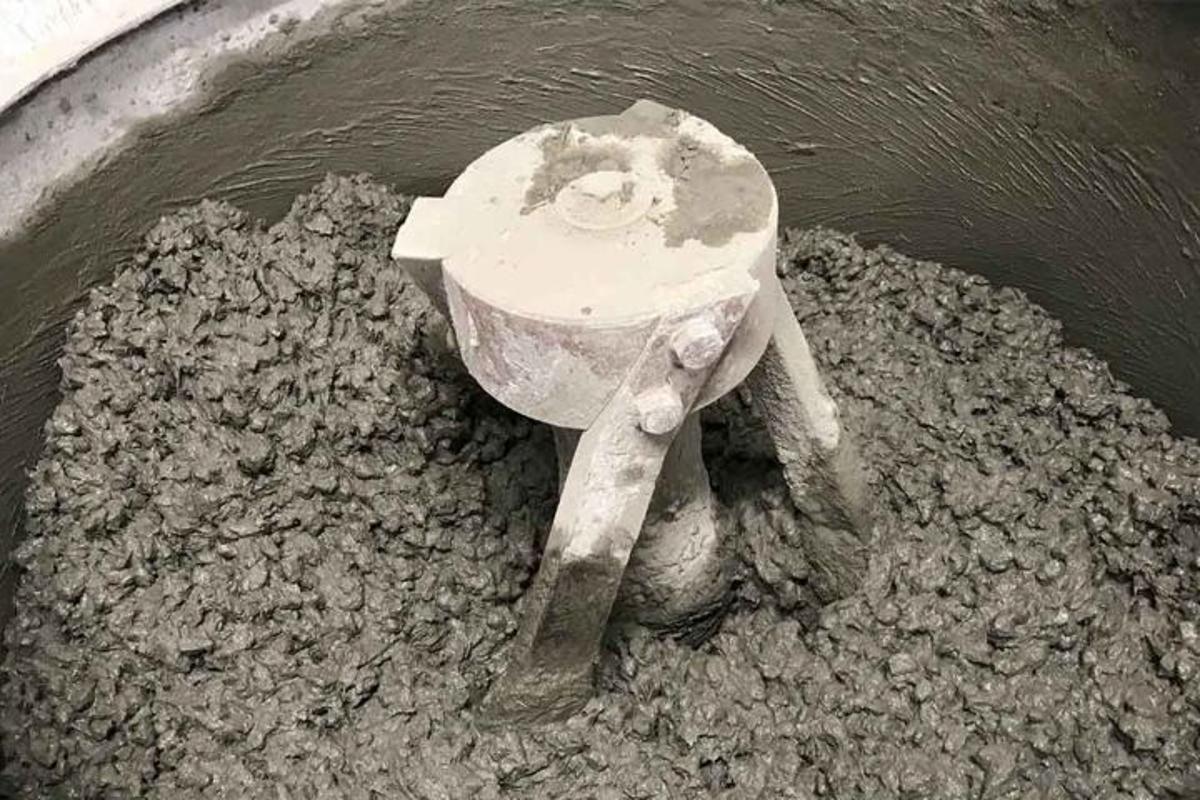
Highlights
- Improved Energy Absorption: Rubberized concrete offers enhanced ductility and vibration damping, critical for shock absorption in dynamic environments.
- Sustainable Construction: Recycling waste rubber into concrete reduces environmental degradation while promoting green building practices.
- Balanced Mechanical Properties: Although there is a reduction in compressive strength, innovative treatment techniques can mitigate these effects, making rubberized concrete viable for many non-structural and specialized structural applications.
Introduction
In recent years, the construction industry has seen growing interest in utilizing alternative materials to promote sustainability while maintaining or enhancing performance characteristics. One such innovative solution is the incorporation of rubber as an aggregate in concrete. This technique not only addresses waste management concerns by repurposing used tires, but it also significantly alters the mechanical behaviour of concrete. Rubberized concrete is engineered by partially replacing traditional fine or coarse aggregates with rubber particles. Researchers and engineers are drawn to this technology for its potential to absorb energy, dampen vibrations, and reduce the overall environmental impact of construction projects.
Technical Overview
Fundamental Concepts of Rubberized Concrete
Rubberized concrete involves the substitution of natural fine aggregates (commonly sand) or coarse aggregates with waste rubber, which is typically derived from recycled tires. The integration of rubber modifies the concrete’s microstructure and thus its macroscopic properties. The main technical aspects include alterations in mechanical performance such as compressive strength, ductility, and energy absorption capacity.
Material Composition
In conventional concrete, the mixture comprises cement, water, fine aggregates (sand), and coarse aggregates (gravel). Rubberized concrete is produced by introducing rubber particles into the mix as a partial replacement for these aggregates. Replacement rates vary, typically ranging from 25% to 40% of the fine aggregate content. Higher replacement levels might be achievable; however, exceeding these thresholds often leads to more pronounced reductions in compressive strength.
Mechanical Properties
The introduction of rubber aggregates alters the mechanical performance of concrete in several notable ways:
- Energy Absorption and Ductility: Elevated levels of ductility are a significant benefit, as rubberized concrete tends to absorb more energy compared to its traditional counterpart. This improvement is critical in dynamic loading conditions or in regions prone to seismic activity, where the material’s ability to absorb shock without catastrophic failure is valued.
- Vibration Dampening: The inherent flexibility of rubber particles enhances the damping properties of concrete. Structures built using rubberized concrete can better manage vibrations, reducing the risk of fatigue and potential structural damage over time.
- Compressive Strength: A common challenge with rubberized concrete is a noticeable reduction in compressive strength and elastic modulus. The lower bonding characteristics between the rubber particles and the cement matrix contribute to this decline, necessitating further research to reconcile these competing performance measures.
Enhanced Durability and Crack Resistance
Durability is a critical factor in construction materials, and rubberized concrete has been observed to exhibit enhanced crack resistance. The elasticity provided by the rubber particles allows the concrete to undergo higher strains before initiating cracks, thereby reducing the development of micro-cracks that could propagate under cyclic loading conditions. This characteristic translates to reduced maintenance costs over the lifespan of structures and contributes to long-term reliability.
Environmental and Sustainability Considerations
One of the most compelling advantages of rubberized concrete is its contribution to sustainable construction practices. By repurposing waste rubber, especially from tires, this innovative material helps address environmental issues related to waste disposal and landfill overcrowding. The environmental benefits are multifaceted:
- Waste Reduction: Incorporating used rubber into concrete reduces the volume of tires destined for landfills, thereby mitigating environmental pollution and promoting waste recycling.
- Green Building Materials: As part of a broader sustainability effort, rubberized concrete helps lower the carbon footprint associated with concrete production by reducing the need for raw aggregate extraction.
- Sustainable Development Goals: The material aligns with several global sustainable development objectives, particularly those focused on responsible consumption and production in the building sector.
Pre-Treatment and Enhancement Techniques
A significant area of research within the domain of rubberized concrete is the enhancement of mechanical performance, particularly in overcoming the reduction in compressive strength. Several pre-treatment and processing techniques have been explored, including:
- Alkaline Treatment: Soaking rubber particles in an alkaline solution can improve the bond between the rubber and the cementitious matrix, leading to enhanced mechanical properties. The pretreatment helps remove surface contaminants and increases the surface roughness of the rubber particles.
- Partial Oxidation: Exposing rubber aggregates to specific temperatures (e.g., around 250°C) can partially oxidize the surface, creating a better interface with the cement binder. This process helps enhance adhesion and overall performance.
- Mechanical Pretreatment: Techniques like shredding or granulating rubber into optimal shapes and sizes may also affect the overall performance. Optimizing the size distribution of rubber particles is essential to balance between energy absorption and maintaining structural integrity.
Practical Applications
Highway Construction and Structural Dampening
One of the salient applications of rubberized concrete is in highway construction. The material’s energy-absorbing characteristics make it an ideal candidate for use in areas where roads are subjected to high-impact loads, vibrations from heavy traffic, and rapid temperature fluctuations. Besides traditional pavements, rubberized concrete can also be used in pavements as shock absorbers, helping to prolong the pavement's service life by reducing fatigue damage.
In addition to roadway applications, rubberized concrete has shown potential in residential and commercial buildings, particularly in regions prone to seismic activity. Its capacity to dampen earthquake waves makes it a strategic material for constructing buildings with enhanced resilience in the face of seismic shocks. Integrating rubberized concrete into building foundations and structural slabs can contribute to minimizing structural damage during earthquakes.
Non-Structural and Specialized Applications
Due to the trade-off between ductility and compressive strength, rubberized concrete is predominantly used in non-structural applications where lower structural loads are acceptable. Beyond pavements and buildings, other areas include:
- Sound Barriers and Acoustic Panels: The vibration-damping properties of rubberized concrete can improve sound insulation effects for highway noise barriers, making them more effective at managing ambient noise levels.
- Shock-Absorbing Pavements: In industrial sites where heavy machinery induces dynamic loadings, the enhanced energy absorption capacity provides added protection against structural fatigue.
- Specialty Flooring: Areas that require high resistance to impact, such as sports facilities or playgrounds, can benefit from the increased resiliency of rubberized concrete flooring systems.
Performance Table: Mechanical Properties of Rubberized Concrete
The table below summarizes some primary mechanical properties of rubberized concrete compared to traditional concrete, providing an at-a-glance comparison of the key attributes.
| Property | Traditional Concrete | Rubberized Concrete |
|---|---|---|
| Compressive Strength | High | Reduced (dependent on rubber content) |
| Ductility | Low to Moderate | Enhanced |
| Energy Absorption | Standard | Significantly Improved |
| Vibration Damping | Limited | Enhanced |
| Environmental Impact | Conventional | Reduced (due to recycled material usage) |
Challenges and Mitigation Strategies
Strength Trade-Offs
While the benefits of rubberized concrete are promising, integrating rubber into concrete mixtures presents certain challenges. The most significant issue encountered is the decline in compressive strength. The intrinsic properties of rubber result in a reduced bond between the rubber particles and the cement paste. As a consequence, the overall load-bearing capacity of the concrete may be compromised. Addressing this weakness is a focus area in ongoing research.
Mitigation strategies include optimizing the rubber particle size, pre-treating rubber surfaces, and adjusting the overall mix design. For example, by limiting the proportion of rubber to between 25% and 40% of the sand volume, researchers have succeeded in maintaining acceptable performance levels for many applications. Additionally, further research into surface treatments—such as alkaline soaking and controlled oxidation—demonstrates that these techniques can improve the interface bonding, allowing for improved load distribution.
Compatibility Issues
The compatibility between rubber and the cement matrix plays a pivotal role in the performance of the composite material. In structural applications, the reduction of bond strength can lead to an increased propensity for debonding under load, which in turn affects the durability and integrity of the construction. To address these concerns, modified mixing techniques and the inclusion of supplementary cementitious materials (such as silica fume or fly ash) have been explored. These additives can help bridge the gap between the rubber particles and the cement paste, improving overall mechanical properties.
Future Research Directions
Optimizing Mix Designs
Future studies are expected to focus on identifying optimal mix designs that balance the benefits of rubber inclusion with the need to maintain structural performance, particularly in load-bearing applications. This includes refining the percentages of rubber aggregate substitution to enhance energy absorption and ductility while keeping compressive strength within acceptable ranges for various construction scenarios.
Advanced Rubber Treatment Techniques
Research continues in the area of pre-treating rubber to improve its adhesion with the cementitious materials. Emerging techniques such as ultrasonic treatment, thermal oxidation, and the application of polymer coatings on rubber particles are under investigation. These strategies are aimed at reducing the interfacial transition zone weaknesses and achieving a more cohesive matrix.
Exploring Hybrid Composites
An intriguing avenue in research is the potential development of hybrid composites that combine traditional aggregates, rubber, and novel additives. Such composites aim to harness the strengths of each component—retaining the structural integrity of conventional concrete while leveraging the flexibility and energy absorption offered by rubber. This hybrid approach may open new pathways for both structural and non-structural applications in future construction projects.
Economic Considerations and Implementation
Cost Efficiency and Lifecycle Analysis
The economic viability of adopting rubberized concrete on a large scale involves a thorough analysis of both initial costs and long-term benefits. Although the introduction of waste rubber might involve additional processing or treatment steps, the benefits of utilizing recycled materials can lead to cost savings in the long run. A comprehensive lifecycle analysis often incorporates reduced maintenance costs due to improved crack resistance and longer service life, potentially outweighing the initial concerns regarding lower compressive strength.
Moreover, by integrating waste management solutions and reducing reliance on non-renewable natural aggregates, rubberized concrete presents a compelling case for cost-effective, environmentally friendly building material alternatives in both urban and rural developments.
Adoption Barriers
Despite its potential, the use of rubberized concrete faces several barriers, including regulatory challenges, traditional industry skepticism, and the need for standardized methodologies for mix designs and performance testing. Overcoming such adoption issues will require collaborative efforts between researchers, industry stakeholders, and regulatory bodies to establish robust standards and guidelines for the effective utilization of rubberized concrete.
Comparative Analysis and Case Studies
Performance in Laboratory and Field Settings
Numerous experimental studies and pilot projects evaluating rubberized concrete have shown promising results, particularly in non-structural applications. Laboratory tests often focus on the material's behavior under static and dynamic loading conditions, confirming enhanced energy absorption and improved ductility. Field implementations, such as specialized pavements and seismic dampening structures, further validate these laboratory findings.
For instance, roadway constructions incorporating rubberized concrete have demonstrated reduced wear and better performance under repeated loadings compared to traditional pavements. Similarly, building structures that incorporate rubberized elements have shown improved resilience and reduced propagation of cracks during seismic events.
Real-World Applications: A Comparative Table
The table below provides examples of where rubberized concrete has been applied in various settings, comparing specific benefits and limitations.
| Application | Primary Benefit | Key Limitation |
|---|---|---|
| Highway Pavements | Enhanced shock absorption and reduced vibration | Lower compressive strength necessitates specialized design |
| Seismic Dampening Structures | Improved ductility and energy absorption | Incompatibility issues affecting the bond strength |
| Industrial Flooring | Resilience under dynamic loads and impacts | Less suitable for high structural load-bearing applications |
| Sound Barriers | Excellent vibration damping and noise reduction | Primarily non-load bearing, limited structural use |
Conclusion and Final Thoughts
The integration of rubber as an aggregate in concrete represents a multifaceted innovation at the crossroads of material science, sustainable engineering, and practical construction. Rubberized concrete distinguishes itself through its enhanced ductility, improved energy absorption, and superior vibration damping properties. These attributes make it an attractive material for non-structural applications, as well as in areas requiring additional shock and seismic resistance. Although the inclusion of rubber does result in a decrease in compressive strength compared to traditional concrete, rigorous research into pre-treatment methods and optimized mix designs is paving the way for improved compatibility and performance.
With the current trends in sustainability and environmental responsibility, using waste rubber in concrete addresses critical waste disposal problems while contributing to greener construction practices. The recycling of tire rubber into valuable construction materials directly supports sustainable development goals and encourages the use of alternative resources in building projects. Additionally, ongoing research continues to balance the trade-offs between reduced strength and improved ductility, ensuring that future formulations of rubberized concrete might find applications in both non-structural and, eventually, select structural applications.
Overall, while there are challenges to overcome—chiefly related to the alliance between the rubber aggregates and the cement matrix—the benefits of enhanced energy absorption, improved crack resistance, and significant environmental advantages underscore a promising road ahead. The evolution of rubberized concrete technology is indicative of the broader movement towards sustainable, innovative construction methods that meet modern engineering and environmental requirements.
References
- A Closer Look at Mixing Rubber into Concrete - AZoBuild
-
Case study Rubber concrete: Mechanical and dynamical properties - ScienceDirect
- Crumbed Rubber Concrete: A Promising Material for Sustainable Construction - Nature
- Review on Rubberized Concrete Properties - IOPscience
- Use of Rubber as Aggregate in Concrete: A Review - ResearchGate
Recommended Queries for Further Insights
Last updated February 23, 2025