
Mechanical Properties of Waste Tire Rubber Concrete
Exploring Sustainable Construction through Rubberized Concrete
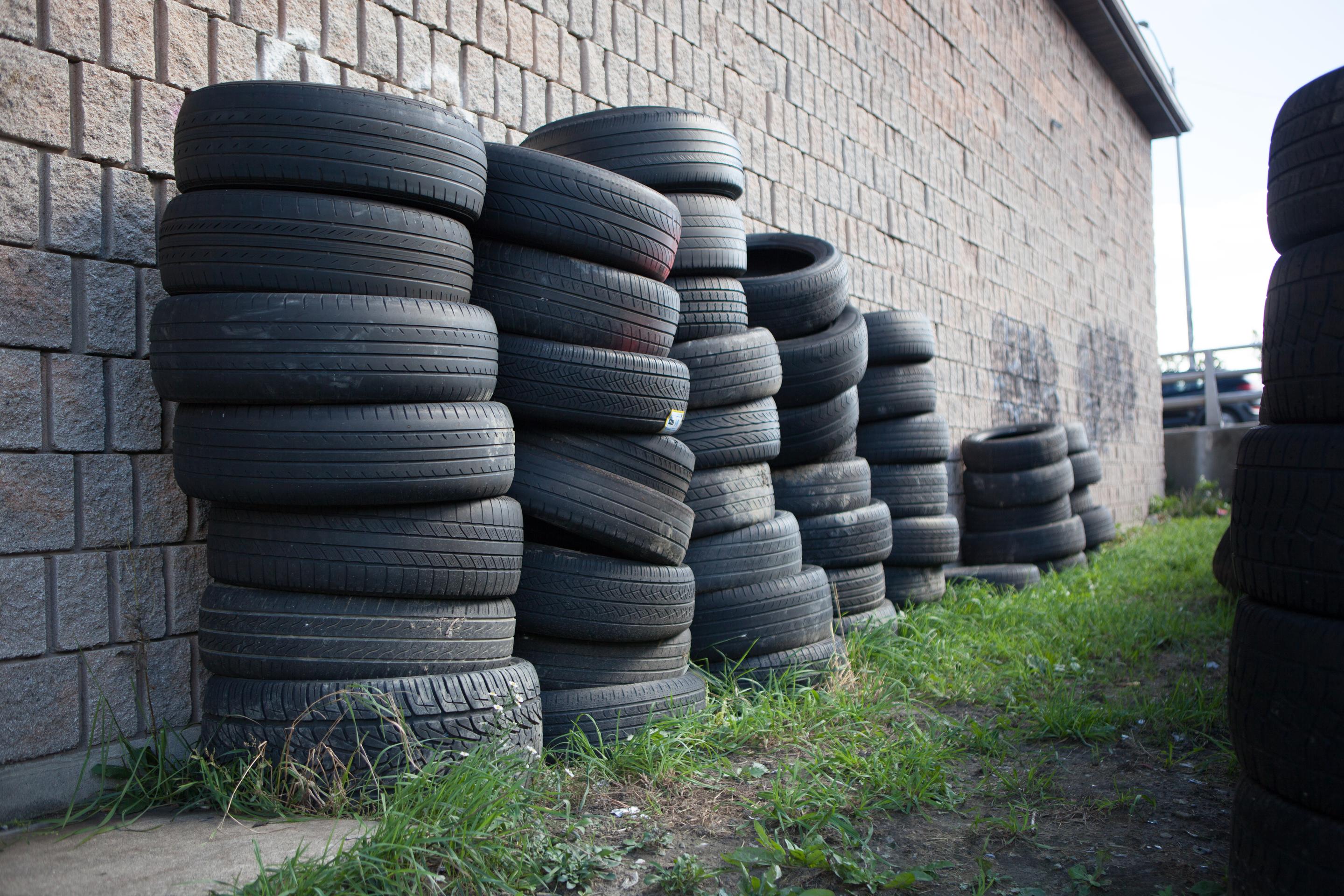
Key Highlights
- Mechanical Strength Alterations: Incorporating waste tire rubber into concrete results in reduced compressive and tensile strengths while introducing unique impact resistance characteristics.
- Thermal Sensitivity: Heat exposure markedly affects the mechanical properties of rubberized concrete, diminishing its overall performance and leading to potential degradation.
- Sustainable Construction Benefits: While rubberized concrete may exhibit lower mechanical strength, its use contributes to environmental sustainability by recycling tire waste, adding value in specific engineering applications.
Introduction
In recent years, the construction industry has increasingly turned towards sustainable materials to reduce environmental impact. Waste tire rubber, a byproduct of the automobile industry, has been integrated into concrete mixtures to form what is commonly referred to as rubberized concrete. This innovative material not only addresses the problem of tire waste disposal but also provides specific performance benefits and challenges that influence its mechanical behavior.
The study under discussion offers an in-depth evaluation of the mechanical properties of waste tire rubber concrete, a subject highly relevant in the context of sustainable construction practices. It examines essential attributes such as compressive strength, tensile strength, impact resistance, and the effects of heat exposure. In this analysis, we will explore the mechanical performance adjustments resulting from the inclusion of rubber in concrete mixtures, discuss the implications for applications in civil engineering, and consider the environmental benefits that accompany its use.
Theoretical Background
Fundamental Concepts in Concrete Technology
Concrete, a composite material composed primarily of cement, water, and aggregates, is designed to meet a broad variety of performance requirements in construction. Its mechanical properties significantly depend on its composition and the physical interaction between the cement matrix and the aggregates. By substituting a portion of the conventional aggregates (such as gravel or sand) with waste tire rubber, researchers aim to harness both the environmental benefits of recycling and the unique material characteristics imposed by the rubber.
The primary motivations behind using waste tire rubber in concrete include mitigating environmental hazards associated with tire disposal and possibly enhancing certain performance aspects such as energy absorption and damping. However, the introduction of rubber particles often compromises conventional strength metrics like compressive and tensile strength, which are critically important in structural applications.
Key Mechanical Properties
Understanding the mechanical properties is essential to evaluating the suitability of rubberized concrete in various engineering contexts. The primary properties that are of interest include:
Compressive Strength
Compressive strength, the ability of a material to withstand loads that tend to reduce size, is a fundamental property for any structural concrete. Waste tire rubber, when used to replace traditional aggregates, generally leads to a reduction in compressive strength. Factors influencing this include the percentage of rubber aggregate, the interfacial bond between rubber particles and the cement matrix, and the overall porosity of the mixture.
Tensile and Splitting Tensile Strength
Tensile strength measures the resistance of a material to breaking under tension, while splitting tensile strength is a specific test to evaluate the tensile capacity indirectly. The presence of rubber particles diminishes these properties due to their lower stiffness relative to traditional aggregates. As a result, concrete mixes that incorporate waste tire rubber generally display a compromised ability to handle tensile stresses.
Impact Resistance and Flexural Strength
Impact resistance, which is the material's capacity to absorb sudden shocks, often sees an improvement with the inclusion of rubber. This is because rubber dissipates energy more effectively than conventional aggregates. However, the overall flexural or bending strength tends to drop as rubber particles do not provide the same reinforcement as aggregate materials. This can limit the material's use in certain types of structural applications where high flexural strength is needed.
Thermal Effects
The influence of heat on rubberized concrete is another significant area of investigation. Thermal exposure, even at moderate levels, can cause rubber particles to soften or melt. The softened rubber compromises the mechanical integrity by creating voids or weakening the interfacial bond with the cementitious matrix, leading to further reductions in strength. Temperature-related degradation is critical when rubberized concrete is used in environments where high thermal loads are common.
Experimental Investigation and Findings
Overview of the Experimental Setup
The experimental evaluation of waste tire rubber concrete involves preparing several concrete mixtures with varying percentages of rubber aggregate. The experiments typically measure key variables including compressive strength, splitting tensile strength, and impact resistance at different curing times and under various thermal conditions.
In laboratory settings, standard tests are conducted following established protocols to ensure the reliability of the measured properties. The experimental investigation often includes:
- Mix Design Variation: Alteration of rubber content by replacing sand or gravel aggregates with rubber particles at predefined percentages.
- Heat Treatment Protocols: Subjecting samples to controlled heating (usually in the range of 100°C to 200°C) to assess the thermal degradation effects on mechanical performance.
- Mechanical Testing: Using compressive and tensile testing machines to determine mechanical values alongside load–deflection measurements in impact or flexural tests.
Significant Experimental Results
The primary outcomes of studies on waste tire rubber concrete highlight a nuanced trade-off between sustainability and performance:
Reduction in Compressive Strength
Across various studies, a clear trend emerges where the introduction of rubber aggregates reduces compressive strength. For higher rubber contents, the losses can be significant. The compromised interfacial bond between the rubber particles and the cement paste is a contributing factor. This decrease is quantitatively demonstrated by comparing the stress–strain curves of standard concrete and rubberized concrete, where shifts indicate lower peak compressive strength.
Impact on Tensile Properties
Similar to compressive strength, the tests for tensile and splitting tensile strength also reveal declining performance with increasing rubber content. Despite this reduction, the energy absorption behavior of rubberized concrete under impact loading appears to be comparatively enhanced. This means that while the material is not as strong in pure tensile scenarios, its ability to absorb shocks and reduce brittle failure is improved.
Thermal Degradation and Its Implications
One of the most critical findings pertains to the effect of heat. When rubberized concrete is subjected to elevated temperatures, the properties of the rubber component change significantly. Heat application tends to weaken the interfacial bonds, thereby accelerating the loss of structural integrity. This thermal sensitivity limits the use of rubberized concrete in high-temperature environments. The phenomenon is illustrated by the degradation curves, where the impact resistance and tensile capacities exhibit pronounced decreases with higher temperature exposures.
Comparative Analysis Table
To further illustrate the mechanical performance of rubberized concrete under various conditions, the following table summarizes key parameters observed in experimental investigations:
| Parameter | Conventional Concrete | Rubberized Concrete (Low Rubber Content) | Rubberized Concrete (High Rubber Content) |
|---|---|---|---|
| Compressive Strength (MPa) | 35 - 45 | 30 - 38 | 20 - 28 |
| Splitting Tensile Strength (MPa) | 4 - 6 | 3.5 - 5 | 2.5 - 4 |
| Impact Resistance (Relative Improvement) | Baseline | Up to 20% increase | Up to 35% increase |
| Flexural Strength (MPa) | 5 - 7 | 4.5 - 6 | 3.5 - 5 |
| Thermal Degradation (Strength Loss % at 150°C) | Minimal | Moderate (20-40%) | Severe (40-70%) |
Implications for Sustainable Construction
Environmental Considerations
The integration of waste tire rubber into concrete is a promising strategy from an environmental perspective. By repurposing discarded tires, this technology reduces landfill accumulation and mitigates the environmental hazards associated with tire waste. Additionally, utilizing a recycled material in construction reduces the dependency on natural aggregates, preserving valuable natural resources.
More broadly, sustainable construction practices benefit from a reduced carbon footprint and improved waste management. Even when the mechanical properties are slightly compromised, the environmental advantages may justify the usage of rubberized concrete in non-critical structures. Consequently, engineers and urban planners are increasingly considering such materials when designing green buildings, industrial floors, parking structures, and other applications where extremely high load-bearing capacity is not the primary requirement.
Structural Applications and Limitations
While rubberized concrete offers specific improvements in impact resistance and contributes positively to sustainable practices, its lower compressive and tensile strengths limit its application in critical load-bearing structures. Engineers must carefully evaluate the intended application:
- Non-Structural Elements: Rubberized concrete is more suitable for sidewalks, parking lots, non-load-bearing walls, and other applications where impact energy absorption is beneficial.
- Shock Absorption Systems: Infrastructure that requires enhanced damping properties, such as barriers or industrial floors, may benefit from the improved energy dissipation attributes of rubberized concrete.
- Thermal Insulation Benefits: In scenarios where thermal insulation is also considered, rubberized concrete might be effective, provided that rigorous design assessments account for the potential degradation at elevated temperature levels.
The decision to deploy rubberized concrete must strike a balance between mechanical performance and environmental benefits. Appropriate use-cases include structures where the marginal reduction in strength is acceptable in exchange for the environmental gains and improved impact absorption qualities.
Practical Considerations and Future Directions
Design and Mix Optimization
One of the most critical areas of future research is the optimization of the mix design for rubberized concrete. By adjusting the ratio of rubber aggregate, cement, and other additives, it is possible to fine-tune the mechanical properties and address some of the deficiencies observed in earlier studies.
Ongoing research efforts focus on:
- Surface Treatment of Rubber Particles: Enhancing the bond between rubber and the cement matrix through surface modification or the use of adhesion promoters can potentially improve the strength of the resulting concrete.
- Additive Compensation: Incorporating supplementary cementitious materials or fibers may help mitigate the loss in conventional strength measures, allowing for a more balanced and durable composite.
- Optimizing Particle Size Distribution: The performance of rubberized concrete is also affected by the size and shape of the rubber particles. An optimized proportion can improve the homogeneity of the material, thereby enhancing its mechanical properties.
Thermal Management Strategies
As highlighted earlier, the thermal degradation of rubberized concrete poses challenges for its application in high-temperature environments. Researchers are exploring various approaches to stabilize the material under thermal stress:
- Incorporating Heat-Resistant Additives: Additives and supplementary cementitious materials that can provide a protective barrier to the rubber aggregates help mitigate the effects of heat exposure.
- Optimized Curing Methods: Advanced curing techniques that influence the microstructure and enhance the bond at the interface between rubber and cement have been shown to lessen deterioration when subjected to thermal loads.
- Composite System Engineering: Developing hybrid systems that combine rubberized concrete with other construction materials can yield a composite that utilizes the benefits of both and reduces the adverse effects of heat.
Addressing the thermal challenges through engineering innovation is key to broadening the application range of rubberized concrete, particularly in urban areas where temperature fluctuations are a constant concern.
Economic and Regulatory Considerations
The economic viability of rubberized concrete is also a critical factor in its adoption. While recycled rubber is inherently less expensive than natural aggregates, additional processing, surface treatment, and quality control measures can add to the overall cost. Thus, a thorough cost-benefit analysis is required to justify its use, especially in large-scale projects.
Regulatory frameworks and building codes play a major role in determining whether new materials can be implemented in public infrastructures. Innovations in rubberized concrete may require updated standards and certifications to ensure safety and performance in real-world applications. This makes collaboration between researchers, industry stakeholders, and policymakers essential for successful adoption.
Conclusion and Final Thoughts
The incorporation of waste tire rubber in concrete mixtures represents a promising strategy for sustainable construction, offering environmental benefits by recycling tire waste and reducing the dependency on natural aggregates. The major findings indicate that while rubberized concrete exhibits lower compressive, tensile, and flexural strengths compared to conventional concrete, it compensates with improved impact resistance and potential for thermal insulation.
The experimental evidence suggests a delicate balance between achieving desired mechanical performance and leveraging environmental sustainability. Critical areas for ongoing research include mix optimization through surface modifications, the strategic use of additives, and innovative curing techniques that can help minimize strength losses while enhancing heat resistance.
In practical applications, rubberized concrete is particularly suited for non-load-bearing structures, urban infrastructures that benefit from shock absorption, and scenarios where moderate mechanical performance is acceptable in light of significant environmental gains. As the construction industry moves towards greener practices, tools such as rubberized concrete will become increasingly relevant, provided that mutual collaboration between academia, industry professionals, and regulatory bodies continues to drive innovation and refinement.
In closing, while challenges remain—especially in the context of thermal sensitivity—advances in material science and engineering design are paving the way for more robust implementations of rubberized concrete. Its role in sustainable construction not only opens up new avenues for recycling waste materials but also underscores the need for a more nuanced understanding of modern composite materials in civil engineering.
References
- Mechanical Properties of Waste Tire Rubber Concrete - Journal of Materials in Civil Engineering
- Sci-Hub Proxy Links
-
3 Alternatives to Sci-Hub - Medium
- Accessing Journal Articles for Free - Quora
Recommended Further Queries
Last updated February 23, 2025