
Exploring the Feasibility of Growing Runner Beans in Auckland's Winter
Key Considerations for Outdoor Cultivation During the Cooler Months
Essential Highlights
- Temperature Sensitivity: Runner beans require soil temperatures above 10°C for healthy growth.
- Seasonal Suitability: Auckland's winter is typically not ideal due to lower temperatures and potential frost risks.
- Protective Measures: Starting seeds indoors or using protective coverings can help mitigate cold effects.
Overview
Runner beans are cherished in many gardens for their climbing habit and bountiful harvest, but their success largely depends on maintaining a warm, frost-free environment. In Auckland—a city with a mild oceanic climate—the winter months (June to August) present unique challenges for growing runner beans outdoors. Though Auckland's winters are milder compared to many similar latitudes, they still exhibit cooler temperatures and increased chances of frost, which can hinder the growth and productivity of runner beans.
Detailed Considerations for Growing Runner Beans in Winter
Temperature Requirements
Runner beans are generally categorized as a warm-season crop. They demand consistent soil temperatures exceeding 10°C for successful germination and healthy growth. Optimal growth often requires even higher temperatures, typically around 15°C or more, which can be a challenge in the winter months. Auckland's winter conditions, with average temperatures ranging between 8°C and 15°C, are on the borderline. This means that while there might be intermittent periods where conditions are acceptable, the overall environment is less than ideal.
Temperature Challenges
During winter, the risk of frost and cold winds increases, potentially damaging the frost-sensitive runner beans. Frost can lead to stunted growth, reduced flower production, and impaired pod development. Even if the winter in Auckland is generally milder, sporadic cold snaps may still occur, affecting the yield.
Soil and Climate Considerations
The success of growing runner beans also depends on the condition of the soil and the overall microclimate.
Soil Temperature and Drainage
Runner beans prefer well-drained, fertile soil enriched with organic matter. Cold, wet soils typically occur in Auckland during winter. This type of soil can cause slow seed germination and increase the risk of root diseases, thereby affecting the overall vigor of the plant.
Microclimate Adjustments
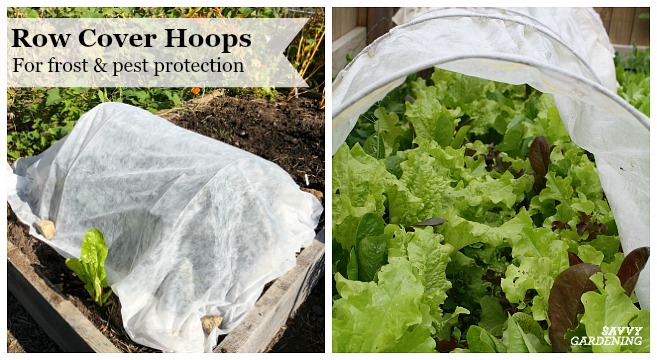
Given these challenges, gardeners can take some steps to create a more favorable microclimate for runner beans. Protective measures like using cloches, row covers, or even a small greenhouse can help raise the ambient temperature around the plants, shielding them from cold winds and occasional frosts. Additionally, starting seeds indoors and transplanting them after the risk of frost has subsided can be an effective strategy.
Growth Cycle and Plant Performance
Runner beans show robust growth in warm conditions. Typically, they are sown in the warmer months—often between September and February in Auckland—and thrive up until early autumn. In winter, however, reduced sunlight and lower temperatures can result in a drop in the rate of photosynthesis, which may lead to a lower yield of flowers and pods. This means that even if the beans do sprout and grow, their overall productivity might be significantly compromised.
Managing Expectations
Gardeners should be aware that even with added protection, runner beans grown during winter may not perform as well as those planted in the ideal warm-season window. For optimal results, planning cultivation during the warmer months is generally recommended. However, for those willing to experiment, choosing varieties that are more tolerant of cooler temperatures or implementing additional safeguards can sometimes lead to a successful, if limited, harvest.
Comparative Table of Growing Conditions
| Factor | Ideal Conditions | Winter in Auckland |
|---|---|---|
| Soil Temperature | Above 10°C (preferably 15°C+) | Ranges between 8°C - 15°C |
| Frost Tolerance | Frost-free environment | Risk of occasional frost |
| Sunlight Availability | Long days with ample sunlight | Shorter daylight hours |
| Soil Conditions | Well-drained, enriched with organic matter | Often colder and wetter |
| Protective Measures | Not necessary | Recommended (cloches, row covers, greenhouse) |
Strategies for Mitigating Winter Challenges
While winter poses challenges, certain strategies can improve the chances of success:
1. Indoor Seed Starting
Begin by starting runner bean seeds indoors in small pots. This protects the delicate seedlings from the lower temperatures during early growth stages. Once the risk of frost subsides, you can transplant the seedlings to an outdoor garden.
2. Use of Protective Coverings
Employ cloches, row covers, or even a mini-greenhouse to create a warmer microclimate. These methods help moderate temperature fluctuations and protect the plants from sudden cold snaps, thereby reducing the risk of frost damage.
3. Timing and Variety Selection
While exploration of winter planting is possible, the overall advice from gardening experts is to opt for sowing runner beans during the warmer months (late spring to early summer). If winter planting is still desired, consider selecting varieties known for their tolerance to cooler conditions. Some specialized cultivars may perform better under such conditions, though overall productivity might be lower.
Resourceful Guidelines and Recommendations
Gardening in Auckland requires understanding the interplay between local climate and plant biology. Expert sources point out that while runner beans can be grown during winter under controlled conditions, the optimal growth and yield are achieved during warmer periods. Consequently, if your goal is a bountiful harvest, synchronizing your planting schedule with the warmer months is advisable.
Additional Tips for Success
Monitoring Soil Temperature
Regularly check the soil temperature with a reliable thermometer. This helps determine the right time for planting and ensures that the soil remains within the suitable temperature range for runner bean germination.
Adjusting to Local Weather Patterns
Pay close attention to local weather forecasts. Even a single frost event can damage young plants. Utilize local resources and community gardening advice tailored specifically to Auckland’s climate.
Integrated Pest and Disease Management
Cooler and wetter conditions may lead to increased susceptibility to pests and diseases. Implement an integrated pest management system to ensure that any problems are identified and addressed promptly.
Comparative Insights
Synthesizing information from multiple expert gardening sources reveals a consensus: runner beans, although possible to attempt during Auckland's winter months, face inherent limitations. The mild but still cool winters, combined with shorter daylight hours and the risk of frost, make successful cultivation more challenging compared to the spring and summer months. For those determined to extend the growing season, careful observation and additional protective measures are essential to minimize potential damage and boost the performance of the plants.
Reference URLs and Further Reading
- Grow Your Own Runner Beans - Love The Garden
- 11 Tips For Growing Runner Beans - Our Way of Life
- Time and Weather in Auckland - Parnell
- Runner Beans Gardening - Garden Grow NZ
- Runner Beans Growing Guides - Daltons
Recommended Related Queries for Deeper Insights
Last updated March 24, 2025