
Infrastructure Upgrades for Rural Water Management in the Philippines
A Comprehensive Analysis of Projects, Challenges, and Future Directions
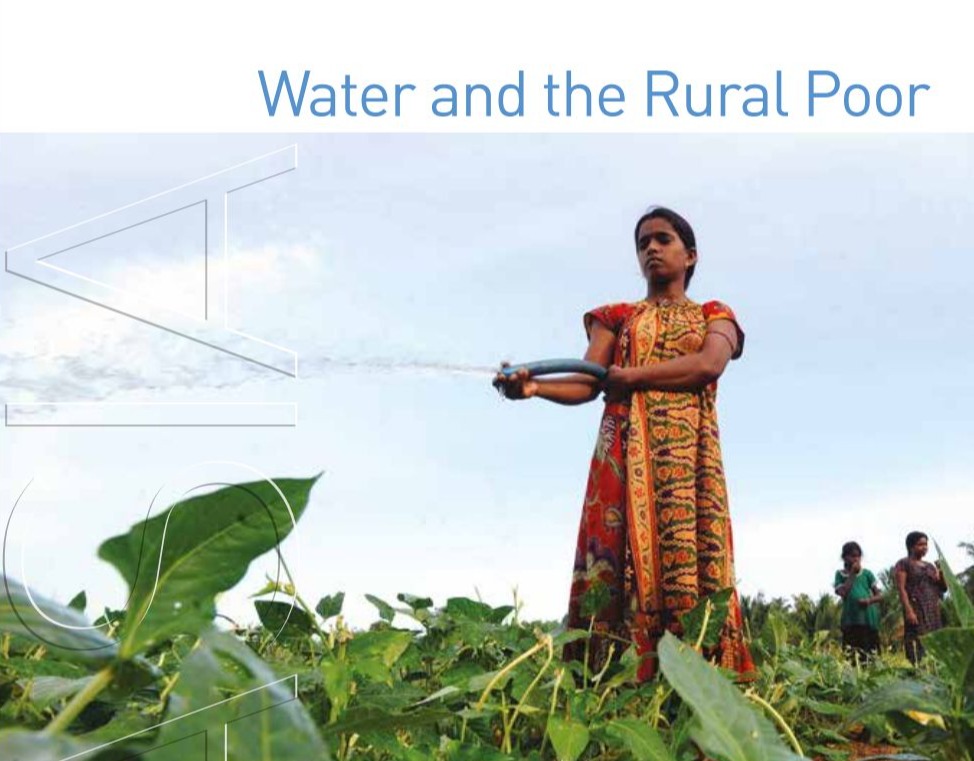
Highlights
- Government & International Support: Multiple programs, including national initiatives and international funding, drive improvements.
- Community & Technology Focus: Engagement with local organizations along with innovative water technologies is vital.
- Sustainability and Integrated Management: Long-term success hinges on coordinated water resource management and proper maintenance.
Introduction
In the Philippines, rural water management infrastructure upgrades have become a crucial part of national development. With challenges ranging from geographic diversity to underinvestment and environmental intricacies, the need for a robust, sustainable system to provide safe drinking water and efficient agricultural water supply is increasingly evident. This comprehensive analysis discusses the various facets of infrastructure development — from government-led initiatives and international funding to local community engagement and the integration of innovative water technologies.
Overview of Rural Water Management Challenges
Water Access and Quality
Despite progress made in providing water access, rural areas still suffer from inconsistent and unreliable water services. Discrepancies in quality and supply reliability underscore the need for expanding and upgrading existing systems. While the majority of the population can access water, a significant number of rural inhabitants either rely on unsafe sources or face water scarcity during dry seasons.
Infrastructure Limitations
Historically, investments in rural water infrastructure have been characterized by insufficient funding and limited technological adaptations. The absence of adequate maintenance planning exacerbates these issues. Many rural communities grapple with inadequate road networks, impacting transportation of materials required for construction and regular maintenance of water systems. Furthermore, the lack of irrigation facilities in rural settings hinders agricultural productivity, further stressing the significance of holistic infrastructural projects.
Environmental and Geographic Challenges
The diverse geography of the Philippines, which includes archipelagic territories and rugged terrains, substantially complicates the implementation and maintenance of water infrastructure. Environmental factors such as climate change, recurrent typhoons, and unpredictable rainfall necessitate resilient systems capable of withstanding these challenges. Issues such as seasonal water shortages and variable water source reliability further stress the infrastructure in rural areas.
Key Initiatives and Government Programs
National Rural Water Supply Initiatives
National Rural Water Supply Program (NRWSP)
The National Rural Water Supply Program has been a critical government initiative aimed at guaranteeing safe drinking water across rural regions. The program focuses on constructing protected wells, communal faucets, and integrated water systems. The primary goal is not only to increase water access but also to improve public health outcomes by reducing reliance on unsafe water sources.
Philippine Rural Development Projects
Numerous projects under broader rural development programs have contributed to the expansive efforts to upgrade water infrastructure. These include the installation of communal tap stands and the construction of water systems in impoverished areas, making significant strides in public health and rural development simultaneously. Such projects have successfully mobilized resources from both government and international collaborators to fuel progress.
International Collaboration and Funding
International organizations, including financial institutions and development agencies, have played an influential role in facilitating rural water infrastructure improvements by providing both funding and technical expertise. Key projects have been executed under the auspices of organizations that support sustainable development through loans, grants, and capacity-building programs. For instance, projects with support from agencies focused on rural water supply and sanitation have embarked on constructing protected wells and communal water systems, notably impacting larger segments of rural populations.
Supporting Local Institutions
Integral to rural water infrastructure has been the enhancement of local capacity and resources. Local Government Units (LGUs) and community-based organizations are increasingly being entrusted with operations and maintenance. This decentralized management model not only promotes ownership and accountability among rural communities but also ensures that technical solutions are tailored to meet the localized environmental and socioeconomic conditions.
Innovative Technologies and Integrated Water Systems
Adoption of Advanced Water Technologies
A progressive move towards upgrading water infrastructure includes the incorporation of innovative water technologies. The use of advanced water treatment systems, automated pump systems, and integrated monitoring devices has increased the efficiency and reliability of rural water systems. Emerging technologies like solar-powered pumps and remote monitoring have demonstrated significant potential in not only reducing operational costs but also in improving water quality and supply consistency.
Integrated Water Resource Management
Integrated Water Resource Management (IWRM) is essential to ensure sustainable water supply and sanitation. The coordination between water supply and irrigation projects under a cohesive framework allows for the balanced use of water resources. These integrated systems combine multiple water sources, including rainwater harvesting, to mitigate seasonal variability. Such systems ensure that both domestic and agricultural water demands are met efficiently.
Sustainable and Community-Centered Solutions
Efforts to upgrade water infrastructure in rural areas emphasize sustainability and long-term viability. By involving local communities in the planning, construction, and maintenance processes, projects are tailored to meet the specific needs of the region. Several pilot projects have demonstrated that when communities are empowered to manage their water resources, operations tend to be more efficient, reliable, and responsive to local challenges. This approach not only builds technical competence at the grassroots level but also reinforces the social infrastructure required for sustainable development.
Infrastructure Upgrades and Their Broader Impacts
Health and Sanitation Improvements
Upgraded water systems have a direct impact on public health. The provision of safe drinking water reduces the spread of waterborne diseases and minimizes the health burden on rural communities. With more reliable and treated water, public health systems are less strained, leading to overall improvements in life expectancy and quality of life.
Enhancement of Agricultural Productivity
Beyond domestic use, improved water infrastructure plays a pivotal role in rural agricultural productivity. Efficient irrigation systems benefit farmers by providing reliable water supply throughout crop seasons. Upgraded irrigation facilities thus lead to increased crop yields, higher incomes, and reduced poverty levels in rural areas. Moreover, improved farm-to-market road networks, often integrated with water projects, facilitate the movement of agricultural goods, enhancing market access and economic opportunities.
Economic and Social Transformation
Improved water management infrastructure is central to overall community development. Reduced time and labor spent on water collection — often disproportionately borne by women — frees up time for education and economic activities, thereby stimulating local economies. Furthermore, these projects create employment opportunities during both the construction and ongoing maintenance phases, further contributing to rural economic growth.
Environmental Resilience
Infrastructure upgrades are not limited to the provision of water for human and agricultural consumption; they also encompass initiatives aimed at protecting the environment. Many projects now incorporate sustainable practices such as rainwater harvesting and integrated water resource management to conserve water during periods of excess and scarcity. These measures are critical in mitigating the effects of climate change and ensuring that water resources are managed in a way that is ecologically balanced.
Case Studies and Notable Projects
Case Study: Communal Water Systems in Remote Regions
One of the pivotal successes in the realm of rural water management has been the installation of communal water systems across remote regions. These systems, often financed through a combination of national programs and international aid, involve the construction of protected wells and communal faucet systems designed to serve hundreds of households. They serve as both a model for water access in geographically challenging areas and an example of effective local institution management.
Case Study: Integrated Water System in Water-Scarce Communities
In water-scarce communities, projects emphasizing integrated water systems have been implemented to address multiple challenges simultaneously. Such systems not only provide safe drinking water but also incorporate rainwater harvesting and water recycling to mitigate the effects of seasonal variability. These projects, employing both technology and community engagement, create self-sustaining systems that can adapt to fluctuating environmental conditions.
Overview Table: Major Projects and Their Impacts
| Project/Program | Main Objectives | Key Impacts |
|---|---|---|
| National Rural Water Supply Program | Provide safe drinking water via protected wells and communal faucets | Improved public health, increased water accessibility |
| Philippine Rural Development Projects | Develop local water systems and support community-based management | Enhanced local capacity, increased agricultural productivity |
| Integrated Water System Projects | Combine rainwater harvesting with existing water resources for efficiency | Sustainable management, resilience against seasonal shortages |
| Internationally Funded Initiatives | Support and finance infrastructure upgrades in rural regions | Expanded coverage, strengthened local institutions |
Challenges and Future Directions
Ongoing Challenges
Despite significant progress, several challenges remain. One of the main hurdles is the geographical diversity of the archipelago. Many rural communities are situated in remote areas where terrain and environmental conditions make construction and upkeep particularly arduous. Additionally, there is a persistent need for sustainable maintenance of the infrastructure. Historical projects have sometimes suffered from poor construction quality or lack of community involvement, leading to premature system failures.
Strategies for Sustainable Development
Achieving true sustainability requires a multipronged approach. Firstly, continuous investment in advanced water technologies is crucial to improve efficiency and reliability. Secondly, developing robust frameworks for community participation will ensure that once systems are established, they are properly maintained and operated locally. This can be achieved through training local project managers, developing financing models that support regular maintenance, and ensuring that local governments have the technical expertise to oversee operations.
Enhancing Institutional Frameworks
The need for stronger institutional frameworks is central to integrating successful water management. Policy coordination among various government agencies ensures that initiatives are implemented coherently. Moreover, collaborative efforts between national, regional, and local institutions, supported by international organizations, continue to be vital. The implementation of integrated water management plans that align with broader national development policies is essential in setting a clear vision and strategy for future projects.
Enhancing Rural Road Networks and Logistics
An often-overlooked aspect of rural water management is the infrastructure that supports logistical operations. Enhancing rural road networks provided better access for crews installing and servicing water projects. These measures not only reduced delays and costs associated with transportation but also improved the overall feasibility of deploying advanced water systems in remote areas.
Future Directions and Recommendations
Investing in Technology and Innovation
Future initiatives must prioritize continued research into renewable and sustainable water technologies. This includes the further development of solar-powered water systems, remote-controlled monitoring equipment, and intelligent water distribution networks. By investing in smart water management technologies, the Philippines can reduce inefficiencies and decrease operational costs significantly.
Strengthening Community Engagement
It is imperative to deepen community involvement in every stage of water management—from planning to execution, and later, operation and maintenance. Programs aimed at educating communities on the importance of water conservation, efficient maintenance practices, and self-sustaining operations will enhance the longevity and effectiveness of water infrastructure systems. Local cooperatives and water management associations can play pivotal roles as custodians of the water supply systems, ensuring that they remain functional and sustainable for years to come.
Policy Implementation and Institutional Support
Sustaining the progress made in rural water management relies on effective policy implementation. Bureaucratic coordination, clear guidelines, and accountability mechanisms must support all initiatives. Strengthened institutional frameworks are essential in guaranteeing that successful strategies are replicated and scaled across multiple regions.
Enhancing Agricultural and Rural Development
Integrated projects that link improved water infrastructure with agricultural productivity can boost rural development significantly. By ensuring that water supply systems also support irrigation needs, communities can experience a simultaneous uplift in both public health and economic stability. The holistic approach of combining safe drinking water, improved irrigation infrastructure, and reliable rural transportation systems holds the key to reducing poverty and enhancing quality of life in rural areas.
Conclusion
Upgrading water infrastructure in rural areas of the Philippines is not only a matter of improving access to safe drinking water—it is a catalyst for overall rural development. This multifaceted approach, combining government-led initiatives, international cooperation, community engagement, and the deployment of advanced technologies, is steadily transforming how rural water management is approached across the country. The efforts underway are addressing core challenges like geographic diversity, infrastructure limitations, and environmental pressures, while also generating broader social, economic, and health benefits.
With initiatives such as the National Rural Water Supply Program, integrated water systems using innovative technologies, and comprehensive projects dedicated to enhancing irrigation and transportation networks, the trajectory is clearly positive. These projects not only aim to meet immediate water needs but also serve as foundational investments in sustainable rural development, ultimately reducing poverty and ensuring community resilience against environmental challenges.
The ongoing transition to more integrated, community-based models of water management illustrates that success requires a collective effort. From policy makers and international donors to local institutions and residents, every stakeholder has a role to play in ensuring that water infrastructure upgrades not only serve today's needs but are also sustainable for future generations.
References
-
Improving Water, Sanitation, and Hygiene in the Philippines - GCPIT
- Philippines Rural Water Supply and Sanitation Project - World Bank
- Water for All: Addressing Water Infrastructure Gaps in the Philippines - Richest PH
- Water is Finally Here - Philippine Rural Development Project
- Integrated Water System Project Perception Study - ResearchGate
Recommended
Last updated February 22, 2025