
Russia and Its Indirect Arms Support to Hezbollah
Exploring the complexities of Russian arms within Hezbollah’s arsenal
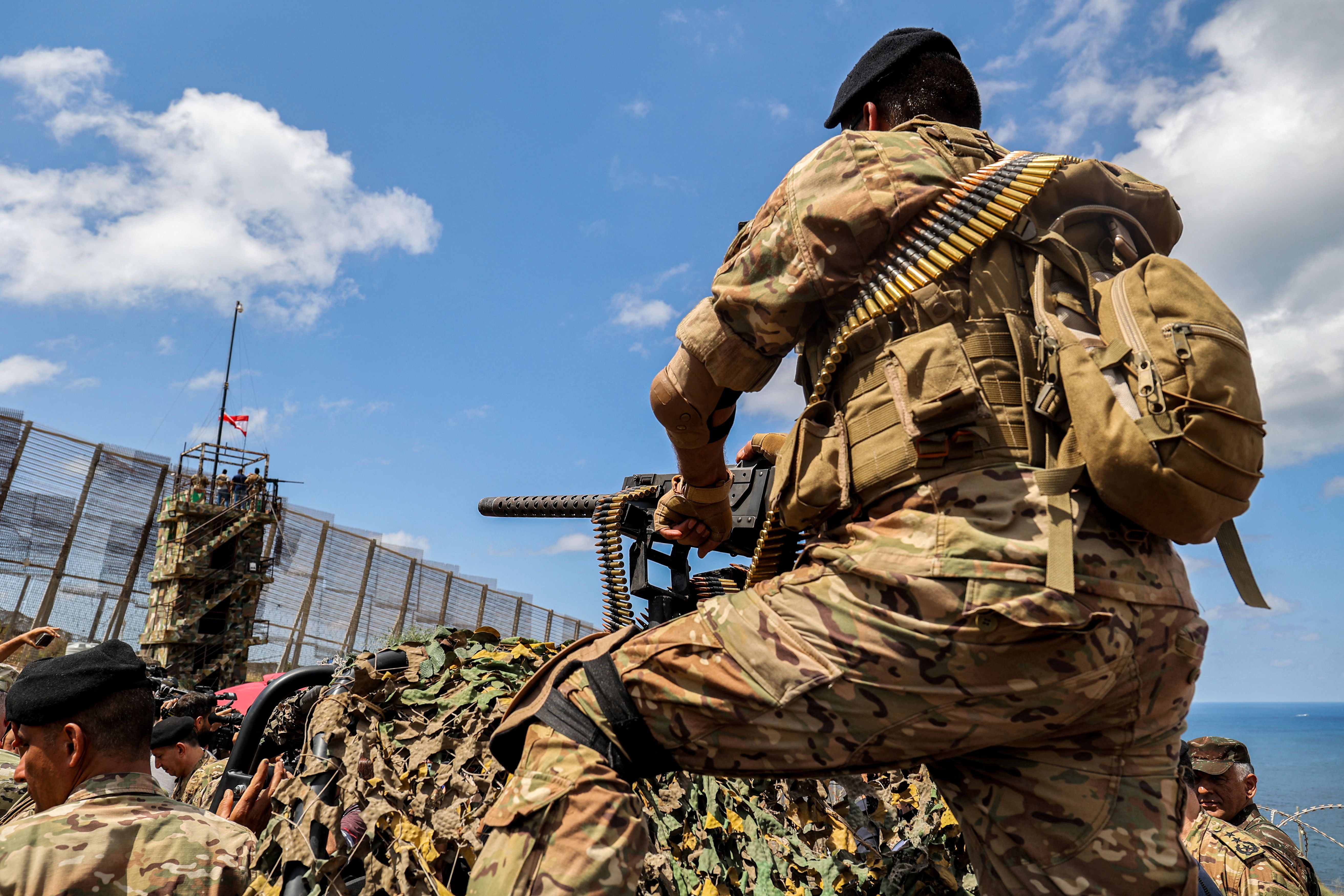
Key Insights
- Indirect Channels: Russian-made weaponry has been found in Hezbollah’s stores, largely funneled through Syria.
- Geopolitical Complexity: Russia's strategic interests in the Middle East have created a web of indirect support rather than explicit arms transfers.
- Interconnection via Syria: Collaborative engagements during the Syrian Civil War have blurred direct supply lines, leading to indirect arms support.
Overview of Russian-Arms in Hezbollah’s Arsenal
The question of whether Russia arms Hezbollah cannot be answered with a simple “yes” or “no,” as it involves a complex interplay of indirect methods, geopolitical considerations, and multiple layers of strategic partnerships. Over recent conflicts in the Middle East, particularly during and after the Syrian Civil War, various reports have confirmed the presence of Russian-made weapons in Hezbollah’s arsenal. These weapons—which include anti-tank missiles such as Kornet, anti-ship missiles like Yakhont, and even rocket systems such as the Katyusha—indicate that while direct arms transfers between Russia and Hezbollah have not been publicly acknowledged, the combat-ready loads found provide strong evidence of indirect connections.
The Mechanism Behind the Weapon Transfers
Indirect Supply Routes through Other Nations
Detailed analysis of supply routes suggests that many of the Russian-made arms in Hezbollah’s possession likely originated from the broader conflict zones within the Middle East, particularly Syria. The Assad regime, supported by Russia, has acted as a significant conduit for these weapons. Russian arms originally supplied for bolstering the Syrian government have subsequently found their way into the hands of non-state actors such as Hezbollah.
Flow of Arms via Syria
Syria's role as both an ally to Russia and a battleground for multiple armed factions creates a scenario where weapons can be reallocated or smuggled. Several reports indicate that a significant proportion, estimated between 60% and 70% of captured arms during Israeli operations in southern Lebanon, are of Russian manufacture. This means the Russian involvement is more about enabling a situation where weapons are readily available for conflict rather than a direct supply to Hezbollah.
Evidence Collected by the IDF
The Israel Defense Forces (IDF) have been instrumental in uncovering vast caches of Russian-made weaponry held by Hezbollah. These raids and reconnaissance discoveries provide an empirical basis for the argument of indirect arms support. Notably, weapons identified include advanced Russian guided anti-tank missiles – such as the Kornet – and a diverse array of other systems that are unmistakably of Russian origin. Some of these weapons were manufactured as recently as 2020, underscoring that the influx of such arms is not a relic of past conflicts but an ongoing process.
Direct vs. Indirect Supply
It is important to clarify that neither Russia nor Syria have officially admitted to transferring arms directly to Hezbollah. Multiple sources have reported that the approach taken by Russia is characterized by a strategic ambiguity, allowing them to support allied regimes and, indirectly, associated militant groups without overtly violating international protocols. This subtle method of arms delivery makes formal attribution difficult, yet the operational evidence discovered on the ground speaks for itself.
Geopolitical Implications and Strategic Interests
Russia’s Broader Strategic Objectives
Russia’s engagement in the Middle East has long been motivated by a desire to regain geopolitical influence, expand military presence, and counter Western influence. Its support for the Assad regime is a critical piece of this broader strategy. In doing so, Russia not only stabilizes its interests in Syria but also creates a ripple effect that sees armed groups like Hezbollah indirectly reinforced.
Influence Through Proxy
By facilitating the movement of Russian-made arms through Syria, Russia effectively extends its strategic influence without overt political or military occupation. This proxy approach allows Moscow to remain a pivotal power broker in the region. As a consequence, the stability and power balance within areas like southern Lebanon are continually influenced by the nature and volume of arms that originate from Russian stockpiles.
Regional Instability and Arms Markets
The indirect supply of Russian arms to Hezbollah has wider regional consequences. It contributes to the complexity of Middle Eastern arms markets where conflicts are fueled by readily available advanced weaponry. These systems—ranging from anti-tank missiles to improvised rocket systems—enhance the military capability of non-state actors, thereby intensifying conflicts and contributing to prolonged instability.
Economic and Political Considerations
Beyond military impact, the arms transfers are tied into larger economic interests. The proliferation of Russian-made arms allows Moscow to boost its arms sales indirectly by ensuring that surplus weapons or equipment can find new roles in complex conflict zones. In the eyes of many strategic analysts, the chaos spurred by these arms markets can sometimes serve to benefit the supplying state, even if indirectly.
Operational Evidence and Its Implications
Field Reports and Intelligence Findings
Over recent years, multiple field reports have detailed the discovery of Russian-made weaponry in Hezbollah’s stores. Among the most notable findings have been extensive caches of anti-tank missiles, anti-ship missiles, and an array of smaller arms such as AKS-74U rifles. These discoveries not only underscore the broader discussion of Russian involvement but also point to a transformation in Hezbollah’s operational capacity.
Quantitative Discoveries
Investigations, particularly those led by the IDF, have quantified that a substantial portion of the weapons recovered in southern Lebanon are of Russian manufacture. With estimates around 60%-70% of confiscated arms being Russian-made, this finding is significant, indicating a reliance on these weapons for tactical operations. Simply put, while it might not represent a direct supply channel endorsed by Moscow, it is an unmistakable sign of its indirect influence on the equipment arsenal of Hezbollah.
The Role of the Syrian Civil War
The Syrian Civil War has acted as a catalyst in the exchange of arms between state and non-state actors in the region. Russia's military interventions in Syria, its close association with the Assad regime, and the subsequent redirection of arms meant for official military use have all fed into a broader narrative of indirect support for groups like Hezbollah. Their operational collaboration during the conflict led to increased familiarity and logistical coordination, thereby inadvertently aiding Hezbollah in acquiring advanced weaponry.
Detailed Analysis: Russian Weapons in Hezbollah’s Arsenal
Types of Russian-Made Weapons
The armaments uncovered in Hezbollah’s arsenal are impressive in both variety and modernity. The weapons include:
| Weapon Type | Description | Significance |
|---|---|---|
| Kornet Anti-Tank Missile | Guided missile effective in destroying armored targets. | Highlights tactical capabilities in ground combat. |
| Yakhont Anti-Ship Missile | Advanced missile designed for maritime targets. | Enhances naval threat capabilities in conflicts. |
| Katyusha Rockets | Multiple rocket launch systems originally developed during WWII. | Provides substantial area saturation, increasing battlefield effectiveness. |
| AKS-74U Rifles | Compact assault rifles known for their reliability in combat. | Contributes to infantry-level firepower in urban warfare. |
Each of these weapon systems plays a critical role in Hezbollah's overall combat strategy. The advanced technology behind systems such as the Kornet and Yakhont reflects modern warfare requirements and the ability for non-state actors to challenge conventional military forces.
Implications for Regional Security
The discovery of advanced, Russian-made weapons in Hezbollah’s warehouses has major implications for regional security. Firstly, it provides Hezbollah with the technical means to challenge state military systems. Secondly, this influx of Russian weaponry indirectly supports a dynamic of increased militarization in the region. Such developments complicate the balance of power and act as a source of tension, affecting not only local conflicts but also the broader strategic interests of major international players.
Complicated by Denials and Ambiguity
Compounding the challenge for analysts is the official stance taken by Russia and its allies regarding such transfers. Both Moscow and Damascus have consistently avoided direct acknowledgments of any arms transfers to Hezbollah. This inherent ambiguity furthers the complexity of international diplomatic relations and complicates efforts at establishing accountability or enforcing arms control measures in volatile regions.
Linking the Dots: Broader Impact and Future Trends
An Evolving Dynamic in Middle Eastern Conflicts
The relationship between Russian arms proliferation and Hezbollah’s combat capabilities is dynamic and continuously evolving. Analysts underscore that the current state is a reflection of an intricate network where indirect arms transfers feed regional proxy wars. As Russia continues to support regimes like Assad, there remains an ongoing risk that additional arms may be diverted to Hezbollah and similar groups.
Monitoring and Intelligence Challenges
The indirect nature of these arms transfers poses substantial challenges to international intelligence agencies and military strategists. With weapons changing hands through indirect channels, assessing the true scale and future projections of arsenals becomes onerous. Consequently, countries operating in these conflict zones need to maintain a vigilant approach and collaborate on intelligence-sharing to address the probable escalation in armaments.
Potential Future Scenarios
The future of regional conflicts in the Middle East is likely to witness further complications stemming from such indirect arms supplies. While there is no formal or official confirmation of direct Russian arms deals with Hezbollah, the ongoing influx of arms via intermediaries suggests that this method might persist as long as geopolitical interests align in favor of proxy engagements. The reliance on dual-use channels and indirect supply routes underlines the need for more robust measures aimed at curtailing the proliferation of advanced weaponry in conflict zones.
Moreover, the blurred lines between state-sponsored initiatives and non-state actor strategies have led to an environment in which accountability is elusive. This, in turn, can fuel further military escalation and contribute to a cycle of destabilization. It remains imperative for international bodies to consider these trends when planning diplomatic and security operations.
References
- Russian Arms in Hezbollah's Arsenal - Ynetnews
- IDF Unearths Russian Weapons - Times of Israel
- Russian Arms Discovery in Hezbollah - The Jerusalem Post
- Large Troves of Russian Arms - WSJ
- From Ideology to Arms Supply - Firstpost
Recommended Related Queries
Last updated March 6, 2025