
The Russian Army: A Symphony of Organized Chaos
Where military precision meets vodka-fueled improvisation
Key Takeaways
- Enduring Legacy: A blend of Soviet-era relics and modern challenges creates a unique military dynamic.
- Strategic Quirks: Innovative yet unpredictable strategies highlight the army's unconventional approach.
- Operational Hilarity: From logistical mishaps to spirited morale, the army balances resilience with humor.
Introduction
The Russian Army stands as a testament to enduring legacy and adaptability, where tradition meets modernity in the most unexpected ways. Picture a grand operatic production dressed in heavy boots, orchestrating maneuvers that defy conventional expectations. This satirical examination delves into the heart of the Russian military machine, uncovering the layers of organized chaos that define its operations.
Enduring Legacy
Soviet-Era Relics and Modern Realities
The Russian Army is a fascinating amalgamation of timeless Soviet-era tanks and the pressing demands of contemporary warfare. These relics, some older than tradition itself, march forward not solely by strategic prowess but also by sheer resilience and the ability to endure harsh conditions. The army's inventory reflects a history rich with military ingenuity, albeit tinged with the unpredictability of aging equipment.
Conscripts often find themselves navigating a landscape where the equipment's longevity surpasses its functionality, leading to a unique dynamic where soldiers must innovate on the fly. This blend of old and new creates a military force that is as much about surviving logistical nightmares as it is about executing strategic objectives.
A Legacy of Resilience
Historically, the Russian Army has been celebrated for its remarkable resilience, famously thwarting Napoleon's ambitions through the unforgiving Russian winter. This legacy continues today, as modern-day soldiers showcase an enduring spirit that persists despite the challenges posed by outdated equipment and unpredictable strategies.
The motto "Quantity over quality, but mostly just quantity" encapsulates the army's approach, emphasizing vast numbers and endurance over precision and cutting-edge tactics. This philosophy breeds a force that can sustain prolonged engagements, albeit with a heavy reliance on sheer numbers and the indomitable will of its troops.
Strategic Quirks
Innovative yet Unpredictable Strategies
The strategic playbook of the Russian Army is a blend of grand ambitions and unexpected improvisations. Headquarters positioned in easily identifiable high-rise buildings serve as a bold statement of confidence in their air defense systems, even if the underlying strategies occasionally miss the mark.
Training exercises like Zapad-2025 exemplify the army's penchant for showcases that prioritize muscle display over practical application. These drills often result in bewildering outcomes, where generals and strategists find themselves navigating scenarios that are more theatrical than tactical.
Moreover, the introduction of drones over Moscow highlights a curious mix of advancement and confusion. The army's reaction to modern technology reflects a blend of awe and skepticism, pondering the origins of such innovations with a touch of method acting that keeps them perpetually in character.
Supply Chain Fantasias
Supply chains within the Russian Army operate on a foundation of improvisation. The absence of reliable supply lines transforms logistical operations into a game of strategic spontaneity. The soldiers, rather than receiving consistent rations, often find themselves liberating villages or making symbolic claims to territories as a substitute for proper provisioning.
This approach not only tests the adaptability of the troops but also adds an element of unpredictability to their campaigns. The reliance on improvisation fosters a unique form of resilience, where soldiers must depend on their ingenuity and resourcefulness to navigate the complexities of modern warfare.
Operational Hilarity
Logistical Mishaps and Tactical Retreats
Operational efficiency within the Russian Army is often punctuated by moments of unintentional comedy. Tanks running out of gas midway to their destinations become emblematic of the broader logistical challenges faced by the force. Such mishaps, while humorous in their timing, underscore deeper issues within supply management and strategic planning.
Moreover, the art of tactical retreats, affectionately dubbed "unexpected tourism," showcases a strategic flexibility that often leans more towards survival than conquest. These retreats, while militarily sound, add an element of spontaneity that can bewilder both allies and adversaries alike.
Equipment and Intelligence Woes
The exchange of military equipment for vodka presents a satirical take on resource allocation within the army. This surreal trade-off highlights the intersection of resource scarcity and cultural elements, adding a layer of unpredictability to military operations.
Intelligence operations, purportedly neither military nor intelligent, paint a picture of a force grappling with the complexities of modern espionage and information warfare. The lack of coherent intelligence strategies often leaves the army navigating conflicts with more improvisation than informed planning.
Morale and Optimism
Amidst logistical nightmares and strategic ambiguities, the Russian Army maintains a spirited morale fueled by vodka and a collective optimism. This unique blend of camaraderie and resilience enables soldiers to face challenges with a blend of humor and determination, creating a culture that values endurance and a goodly laugh in the face of adversity.
The ability to embrace humor, even in the most trying circumstances, fosters a sense of unity and purpose that transcends the immediate operational hurdles. This morale boost acts as the clandestine backbone of the army's enduring spirit, enabling it to persist through the quirks and challenges of modern martial endeavors.
Cultural and Tactical Innovations
Method Acting and Military Stance
The Russian Army's approach to modern warfare often mirrors method acting, staying perpetually in character and responding to international developments with theatrical flair. This cultural inclination towards dramatic extremes ensures that the military presence remains both a strategic and symbolic force on the global stage.
Such an approach, while lacking in conventional tactical innovation, introduces an element of unpredictability that can be both advantageous and perplexing to adversaries. The theatrics serve as a strategic smoke screen, obscuring true intentions behind layers of cultural expression and symbolic gestures.
Parade Prowess Meets Combat Realities
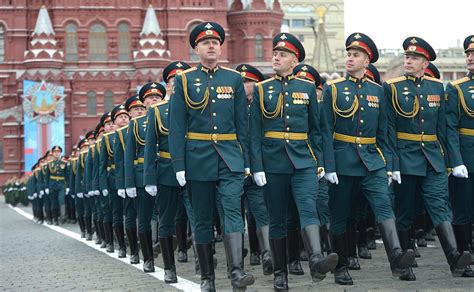
Military parades, a staple of national pride, exhibit a juxtaposition between showcase precision and combat unpredictability. While parades demonstrate flawless coordination and disciplined movement, the transition to actual combat exposes the stark contrast between ceremonial display and operational exigencies.
This duality creates a military narrative that balances the grandeur of national presentation with the rawness of battlefield challenges. The ability to maintain ceremonial excellence while grappling with the chaos of combat underscores the army's multifaceted identity.
Conclusion
The Russian Army embodies a unique blend of historical legacy, strategic quirks, and operational humor. This complex interplay of enduring resilience, innovative unpredictability, and spirited morale creates a force that is as much a subject of satire as it is a formidable participant in modern warfare.
From Soviet-era relics to vodka-fueled optimism, the army navigates the challenges of the present with a blend of tradition and improvisation. While logistical mishaps and strategic ambiguities may paint a picture of organized chaos, the underlying resilience and camaraderie within the ranks ensure that the Russian Army remains a compelling and enduring entity on the global stage.
References
Last updated January 17, 2025