
Unlock SaaS Growth: Your Blueprint for Crafting Compelling Content in 2025
Navigate the competitive SaaS landscape with a strategic content approach designed to attract, engage, and convert your ideal customers.
Key Insights for Your SaaS Content Strategy
- Deep Audience Understanding is Paramount: Tailor content by creating detailed buyer personas and addressing specific pain points, challenges, and aspirations.
- Full-Funnel Content Approach Drives Conversions: Develop diverse content types mapped to each stage of the buyer's journey—from awareness (TOFU) to consideration (MOFU) and decision (BOFU).
- Data-Driven Optimization & Technology Integration are Crucial: Leverage analytics to measure performance, refine your strategy, and utilize AI tools for efficiency and personalization.
Laying the Foundation: Understanding Your SaaS Audience
The cornerstone of any successful SaaS content strategy in 2025 is a profound understanding of your target audience. Generic content simply won't cut it in today's crowded market. You need to connect with potential customers on a deeper level by understanding who they are, what they need, and how your SaaS product can solve their specific problems.
Conducting In-Depth Customer Research
Identifying Pain Points and Aspirations
Begin by performing detailed customer research. Analyze your existing high-lifetime-value (LTV) users to identify common characteristics, challenges they faced before using your product, and the goals they aim to achieve. Tools like surveys, customer interviews, and analytics data from your CRM or product usage can provide invaluable insights.
Creating Buyer Personas
Translate your research into comprehensive buyer personas. These semi-fictional representations of your ideal customers should include:
- Demographics (age, location, education)
- Job roles and responsibilities
- Technical proficiency and familiarity with SaaS solutions
- Primary pain points your SaaS product addresses
- Goals and motivations related to their work and your product's domain
- Preferred content channels and formats
- Common objections or hurdles in their buying process

Understanding your audience is key to boosting engagement and tailoring solutions.
Architecting Your SaaS Content Strategy
With a clear understanding of your audience, the next step is to build a robust content strategy framework. This framework will guide your content creation efforts, ensuring they are aligned with your business objectives and effectively move prospects through the sales funnel.
Defining Clear Goals and Content Pillars
Start by setting specific, measurable, achievable, relevant, and time-bound (SMART) goals for your content marketing. These could include increasing organic traffic, generating qualified leads, improving trial sign-up rates, or boosting customer retention. Your content pillars—the main themes or topics your content will revolve around—should directly support these goals and align with your audience's interests and your product's core value proposition.
Mapping Content to the Buyer's Journey
A critical component of SaaS content strategy is addressing each stage of the buyer's journey. This full-funnel approach ensures you provide the right information at the right time:
- Top of the Funnel (TOFU - Awareness): Content at this stage aims to attract a broad audience and educate them on problems or opportunities, without an aggressive sales pitch. Think blog posts, articles, infographics, social media updates, and explainer videos addressing general industry pain points.
- Middle of the Funnel (MOFU - Consideration/Evaluation): Here, prospects are aware of their problem and are actively researching solutions. Content should provide more in-depth information, showcasing expertise and how your SaaS can help. Examples include case studies, whitepapers, webinars, comparison guides, and detailed product feature breakdowns.
- Bottom of the Funnel (BOFU - Decision): At this stage, prospects are ready to make a purchase decision. Content should focus on convincing them that your SaaS product is the best choice. This includes product demos, free trial offers, customer testimonials, pricing pages, and FAQs specifically addressing purchase-related queries. Some strategists even recommend prioritizing BOFU content creation to capture users already actively looking to buy.
Content Types Across the Funnel
The following table illustrates how different content types can be strategically employed at various stages of the buyer's journey for a SaaS product:
| Funnel Stage | Content Goal | Example Content Types | Key Metrics |
|---|---|---|---|
| Top of Funnel (TOFU) | Attract & Educate; Build Brand Awareness | Blog Posts, Infographics, Social Media Content, Explainer Videos, Industry Reports | Website Traffic, Social Engagement, Search Rankings |
| Middle of Funnel (MOFU) | Nurture Leads; Build Trust & Credibility; Showcase Expertise | Case Studies, Whitepapers, Webinars, Ebooks, Comparison Guides, Email Courses | Lead Generation, Download Rates, Webinar Attendance, Time on Page |
| Bottom of Funnel (BOFU) | Facilitate Decision; Drive Conversions | Product Demos, Free Trials, Customer Testimonials, Pricing Pages, Implementation Guides, Detailed FAQs | Trial Sign-ups, Demo Requests, Sales Conversions, Subscription Rates |
Crafting High-Impact SaaS Content
Once your strategy is in place, the focus shifts to creating content that captivates, educates, and persuades. Quality and relevance are non-negotiable in the competitive SaaS landscape of 2025.
Prioritizing Quality, Originality, and Value
Embracing In-depth Insights and Specificity
Shallow content rarely makes an impact. Aim for comprehensive, well-researched pieces that offer genuine value. Incorporate "originality nuggets"—unique insights, data, or perspectives that make your content stand out. Adopt a "specificity strategy" by focusing on niche topics relevant to your audience rather than broad, generic themes. Avoid jargon and simplify technical terms to ensure your content is accessible to your entire target audience, including decision-makers who may not be technical experts.
The Power of Storytelling and Use Cases
Humans connect with stories. Weave narratives into your content that showcase the real-world impact of your SaaS solution. Highlight customer success stories, detailing the transformation or specific outcomes users achieved. Use quotes, video testimonials, and detailed case studies to humanize your brand and build an emotional connection with your audience.
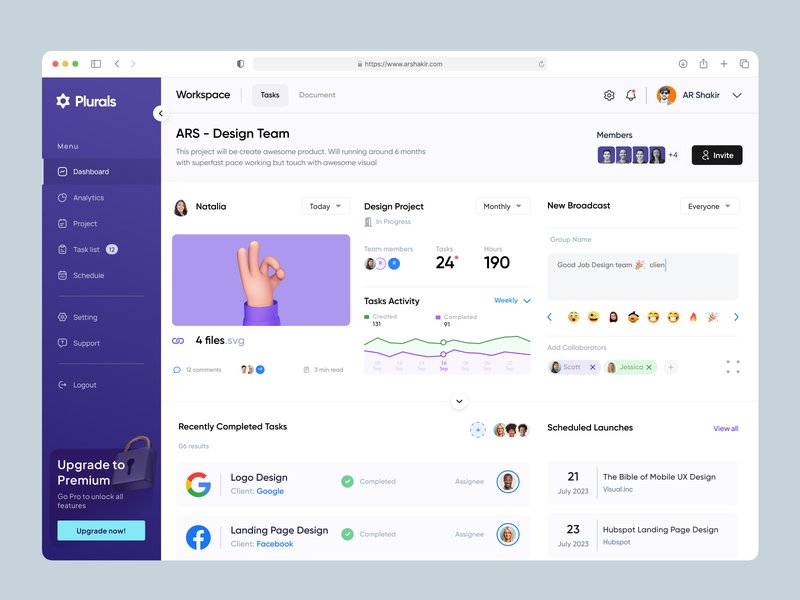
Content can visually demonstrate product value, like this insightful SaaS dashboard concept.
Diversifying Content Formats
Engage your audience through a variety of content formats. Beyond traditional blog posts, consider incorporating:
- Whitepapers and eBooks: For in-depth research, thought leadership, and lead generation.
- Webinars and On-demand Demos: Interactive sessions to engage mid-to-late funnel prospects and showcase product capabilities.
- Videos and Tutorials: Highly effective for simplifying complex concepts, product walkthroughs, and customer testimonials.
- Infographics: Visually appealing way to present data, statistics, and product benefits.
- Podcasts: To build community, share industry insights, and establish thought leadership.
- Interactive Tools: Calculators, quizzes, or assessments that provide personalized value and capture leads.
- Email Newsletters: For nurturing leads, sharing updates, and distributing content.
Visualizing Content Effectiveness
Different content types excel in different areas. The radar chart below provides an opinionated view on the relative strengths of various SaaS content formats across key performance indicators like awareness generation, lead capture, and prospect engagement. This can help guide your decisions on which formats to prioritize based on your specific strategic goals.
Leveraging Technology and Optimizing for Reach
In 2025, technology plays an indispensable role in efficient and effective SaaS content creation and distribution. AI and marketing automation tools are no longer optional but essential for staying competitive.
Integrating AI and Marketing Automation
AI-Assisted Content Creation
AI-powered tools (like advanced versions of ChatGPT) can significantly streamline the content creation process. They can assist with:
- Topic ideation and research
- Generating outlines and initial drafts
- SEO optimization (keyword suggestions, meta descriptions)
- Content calendaring and scheduling
Marketing Automation for Personalization
Marketing automation platforms enable you to deliver personalized content experiences based on user behavior, engagement levels, and lifecycle stage. This means sending targeted emails, recommending relevant articles, or offering specific resources to users at the opportune moment, thereby increasing engagement and conversion rates.
SEO and Content Distribution
Creating great content is only half the battle; it needs to be discoverable. Implement robust SEO best practices, targeting relevant short-tail and long-tail keywords that your audience searches for. Regularly update existing content to maintain its relevance and SEO value. Distribute your content across multiple channels:
- Your company blog and website (the primary hub)
- Social media platforms (especially LinkedIn for B2B SaaS)
- Email newsletters
- Industry forums and communities
- Paid promotion where appropriate
This video discusses B2B SaaS content strategy, offering valuable insights for achieving significant revenue growth through content.
The SaaS Content Creation Ecosystem: A Visual Overview
To effectively create content for a SaaS product, it's helpful to visualize the interconnected processes. The mindmap below outlines the key stages and considerations, from initial research through to ongoing optimization, forming a comprehensive ecosystem for your content efforts.
(TOFU, MOFU, BOFU)"] id2d["Competitive Analysis"] id3["High-Impact Content Production"] id3a["Diverse Formats
(Blogs, Videos, Case Studies, Webinars)"] id3b["Quality & Originality"] id3c["Storytelling & Use Cases"] id3d["SEO Optimization"] id3e["AI-Assisted Creation"] id4["Distribution & Promotion"] id4a["Owned Channels (Website, Blog)"] id4b["Social Media (LinkedIn, etc.)"] id4c["Email Marketing"] id4d["Paid Amplification"] id4e["Community Engagement"] id5["Performance Measurement & Iteration"] id5a["KPI Tracking
(Traffic, Leads, Conversions)"] id5b["Analytics Review (Google Analytics, etc.)"] id5c["Content Audits & Updates"] id5d["A/B Testing"] id5e["Iterative Improvement"]
This mindmap illustrates that SaaS content creation is not a linear task but a cyclical process. Each element influences the others, emphasizing the need for a holistic and adaptable strategy.
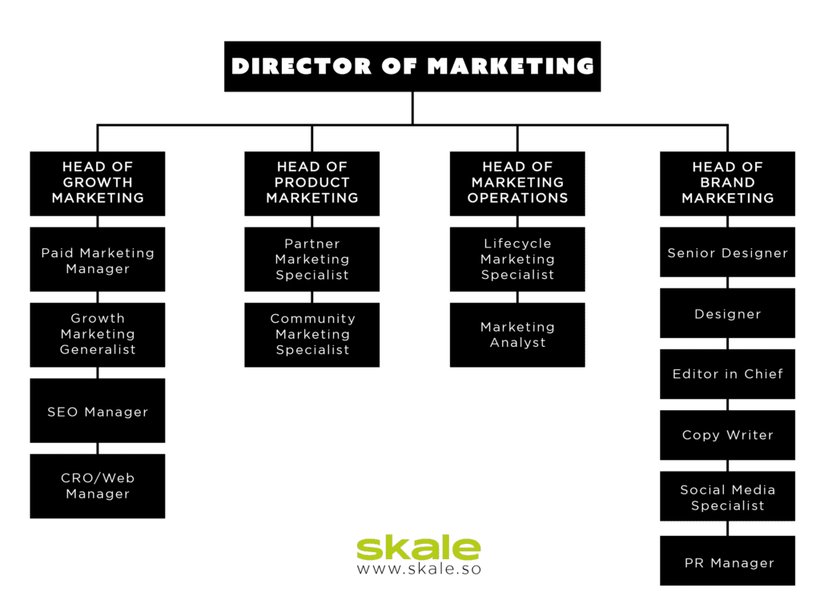
A well-structured team and process, as depicted in this marketing team structure example, are vital for executing your content strategy.
Measuring Success and Continuous Improvement
Content creation for SaaS is an ongoing endeavor that requires continuous monitoring, analysis, and adaptation. To ensure your efforts yield tangible results, it's vital to measure performance and iterate on your strategy.
Tracking Key Performance Indicators (KPIs)
Define clear KPIs aligned with your business goals. Common metrics for SaaS content include:
- Traffic: Organic search traffic, referral traffic, social media traffic.
- Engagement: Time on page, bounce rate, social shares, comments, video views.
- Lead Generation: Form submissions, demo requests, trial sign-ups attributed to content.
- Conversion Rates: Lead-to-customer conversion rate, trial-to-paid conversion rate.
- SEO Performance: Keyword rankings, domain authority.
- Customer Retention: If using content for onboarding or support.
Analyzing and Adapting
Regularly review your content performance data. Identify what's working well and what's underperforming.
- Optimize: Improve underperforming content by updating information, refining SEO, or changing the call-to-action.
- Repurpose: Convert high-performing content into different formats (e.g., a blog post into a video or infographic).
- Iterate: Use insights to inform future content creation, doubling down on topics and formats that resonate most with your audience and drive the best ROI.
Outsourcing Considerations
While in-house expertise is valuable, outsourcing content creation to freelance writers or agencies can help scale your efforts. If you choose to outsource, ensure you:
- Provide clear, detailed briefs and style guides.
- Collaborate closely with creators who understand SaaS nuances.
- Maintain rigorous quality control and editing processes.
Frequently Asked Questions (FAQ)
What is the most crucial first step in creating content for a SaaS product?
The most crucial first step is deeply understanding your target audience. This involves conducting thorough customer research to identify their pain points, challenges, goals, and how they make purchasing decisions. Creating detailed buyer personas based on this research will guide all subsequent content creation efforts, ensuring relevance and resonance.
How important is Search Engine Optimization (SEO) for SaaS content?
SEO is extremely important for SaaS content. A strong SEO strategy helps your content get discovered by potential customers actively searching for solutions your SaaS product offers. It drives organic traffic, increases brand visibility, and can lead to a consistent flow of qualified leads. This includes keyword research, on-page optimization, link building, and creating high-quality, authoritative content.
Should I use AI tools for creating SaaS content in 2025?
Yes, AI tools can be very beneficial for SaaS content creation in 2025. They can assist with tasks like topic ideation, research, drafting outlines, SEO optimization, and even generating initial content drafts. However, it's crucial to use AI as an assistant rather than a complete replacement for human creativity and oversight. Ensure all AI-generated content is thoroughly reviewed, edited, and fact-checked to maintain quality, originality, and alignment with your brand's voice and strategic objectives.
What are some common mistakes to avoid in SaaS content marketing?
Common mistakes include:
- Neglecting audience research: Creating content without a deep understanding of the target audience.
- Lacking a clear strategy: Producing content ad-hoc without defined goals or a full-funnel approach.
- Focusing too much on sales: Making content overly promotional instead of providing value.
- Inconsistent publishing: Not maintaining a regular content schedule.
- Ignoring SEO: Not optimizing content for search engines, thus limiting its reach.
- Not measuring performance: Failing to track KPIs and iterate based on data.
- Poor quality content: Publishing content that is poorly written, inaccurate, or lacks depth.
Recommended Further Exploration
- What are some advanced SEO techniques that can help my SaaS blog maximize its organic reach and attract more qualified leads?
- How can I effectively incorporate video marketing into my SaaS strategy for impactful product demonstrations and user tutorials?
- What are the current best practices for designing and writing high-converting landing pages tailored to different stages of the SaaS sales funnel?
- In what specific ways can artificial intelligence be leveraged to create highly personalized content experiences for diverse SaaS user segments?
References
Last updated May 17, 2025