
Optimizing Your Outreach: Crafting Impactful Emails for Technical Documentation Services
Enhance your communication strategy with refined email techniques for SaaS technical documentation.
Key Highlights for Effective Email Outreach
- Personalization and Value Proposition: Tailor your message to the recipient's specific needs, clearly articulating how your services address their pain points and offer tangible benefits like reduced support costs and improved customer satisfaction.
- Conciseness and Call to Action: Maintain a clear, brief, and action-oriented message. Every email should have a single, unambiguous call to action, making it easy for the recipient to take the next desired step.
- Strategic Follow-Up: Implement a well-planned email sequence that nurtures the lead without being pushy. Behavioral emails can be particularly effective, adapting based on user engagement.
The email you've provided is a strong foundation for outreach, effectively highlighting your specialization and experience in technical documentation for SaaS products. It clearly states your value proposition—streamlining user onboarding, reducing support costs, and improving customer satisfaction—and backs it up with a decade of industry experience and mentions of specific platforms you've worked with. The call to action is direct and clear.
To further enhance your outreach and increase response rates, we can explore several best practices and strategies for different types of emails, including onboarding sequences, cold outreach, and general technical communication. The goal is to make your emails even more compelling, engaging, and action-oriented.
Mastering Technical Documentation Outreach
Effective technical documentation is crucial for SaaS products, as it directly impacts user activation, adoption, and overall satisfaction. Your email correctly emphasizes these benefits. When reaching out to potential clients, the way you present these benefits can significantly influence their perception and willingness to engage.
The Art of Cold Outreach Emails
Your current email serves as an excellent cold outreach attempt. Cold emails are unsolicited emails sent to someone you haven't contacted before. The objective is to establish a relationship and initiate a conversation. Key elements for successful cold outreach include: personalization, a clear value proposition, and a compelling call to action.
Enhancing Your Current Cold Email for Maximum Impact
To refine your existing cold email, consider these points:
- Hyper-Personalization: While you mention understanding the importance of resonating with users, try to find something specific about the recipient's company or product. For example, "I noticed your recent update to [Product Feature] and believe well-structured documentation could significantly enhance user adoption for this new functionality." This shows you've done your homework.
- Quantifiable Results: If possible, add specific metrics or case studies (even anonymized ones) to illustrate the impact of your work. Instead of just "reduce support costs," consider "helped a similar SaaS company reduce support tickets by 15% in the first quarter post-documentation overhaul."
- Benefit-Oriented Language: Frame your experience and skills in terms of direct benefits to the client. For example, "My 10+ years of experience mean I can swiftly identify documentation gaps, leading to faster time-to-value for your users and a measurable decrease in your customer support overhead."
- Clearer Next Step: While "quick call sometime this week" is good, you might suggest a very short, specific time slot: "Are you available for a brief 15-minute call this Thursday at 2 PM PST, or does another time work better for you?" This makes it easier for them to say yes or suggest an alternative.
Example of a Refined Cold Outreach Introduction:
Subject: Enhancing User Experience for [Company Name]'s SaaS Product

Hi [Recipient's Name],

I specialize in crafting clear, concise, and user-friendly technical documentation specifically for SaaS products, helping companies like yours streamline user onboarding, significantly reduce support costs, and improve overall customer satisfaction.

I recently noted your work on [specific product feature or recent company news/announcement], and it immediately brought to mind how effective documentation can amplify its impact. With 10+ years of experience, including work with platforms like SignalStack and Onion Corporation, I focus on delivering accurate, detailed content that genuinely enhances your users' experience. For instance, I've seen how targeted documentation can reduce support inquiries by up to 20% in the initial months post-implementation.

I'd appreciate the opportunity to discuss how I could support your documentation needs and help your customers get the most out of your SaaS offerings. Would a brief 15-minute call this Thursday at 2 PM [Your Time Zone], or another time this week, fit into your schedule?

Best regards,

[Your Name]
This version is more direct, highlights a relevant observation, and offers a concrete impact statistic, while making the call to action more specific.
Beyond the Initial Outreach: Follow-Up and Nurturing Sequences
A single email, no matter how well-crafted, may not always yield a response. A strategic follow-up sequence is vital. This is where a series of emails can educate, provide more value, and gently nudge the recipient towards engagement.
Developing an Email Onboarding Sequence for Your Services
Think of yourself as a "SaaS product" for technical documentation. Just as SaaS companies onboard new users, you can "onboard" potential clients to understand your value. An email sequence could include:
- Email 1: The Initial Outreach (your current email, refined as above).
- Email 2: Value Deep Dive (2-3 days later, if no response). Focus on a specific benefit, e.g., "How Streamlined Onboarding Boosts SaaS Activation." Include a link to a relevant case study or a short article you've written.
- Email 3: Problem/Solution (4-5 days later). Address a common pain point SaaS companies face (e.g., high churn due to poor onboarding) and explain how your documentation services are the solution. Offer a template or a checklist as a resource.
- Email 4: Social Proof/Testimonial (5-7 days later). Share a short, impactful testimonial from a previous client or a statistic about the importance of good documentation.
- Email 5: Final Nudge/Breakup Email (7-10 days later). A polite, concise email stating that you understand if they're busy, but you wanted to ensure they received your previous messages and to reiterate your willingness to help. Provide a clear way to opt out or simply state you'll close their file for now.
Key Principles for Follow-Up Emails:
- Vary Content: Don't just re-send the same message. Offer new insights or resources with each email.
- Behavioral Triggers: If you use an email automation tool, consider sending different follow-ups based on whether they opened the email, clicked a link, or visited your website.
- Conciseness: Keep all emails brief and to the point. Respect the recipient's time.
- Clear Call to Action: Each email should have one primary action you want the recipient to take.
Here's a visual representation of how different email types and their characteristics contribute to successful outreach:
This radar chart illustrates the perceived strengths and areas for improvement in your current email, compared to an optimized version. The 'Optimized Email Effectiveness' dataset shows potential improvements across all metrics, particularly in personalization and engagement, which are critical for successful outreach.
Understanding Technical Documentation
Technical documentation is paramount for any software product, especially in the SaaS landscape. It serves as a bridge between complex technical information and user understanding, aiding in adoption, troubleshooting, and overall product satisfaction. There are various types of technical documentation, each serving a specific purpose.
Types of Technical Documentation and Their Importance
When discussing your services, it's beneficial to be familiar with the various forms of technical documentation you can provide. This demonstrates your comprehensive understanding of client needs.
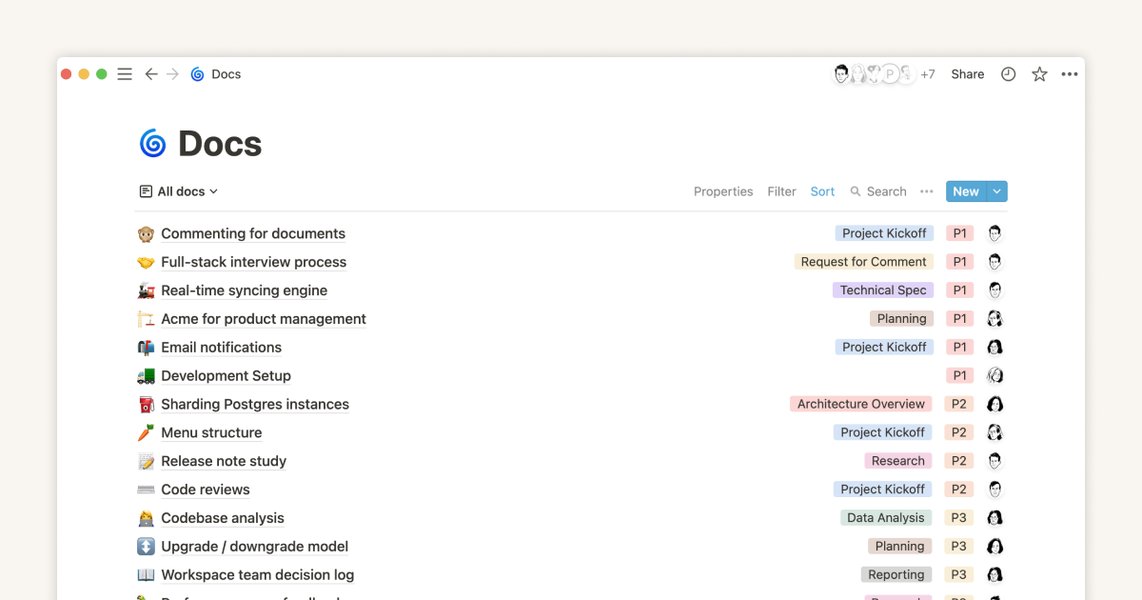
An organized approach to technical documentation is vital for product understanding and user success.
Here's a table outlining common types of technical documentation and their primary purposes:
| Type of Documentation | Primary Audience | Purpose & Key Characteristics |
|---|---|---|
| User Guides / Manuals | End-users | Step-by-step instructions for using the product, features, and common tasks. Focus on clarity and ease of understanding for non-technical users. |
| Quick Start Guides | New Users | Concise instructions to get users up and running with the product quickly. Focus on first successful action or "Aha! moment". |
| API Documentation | Developers | Detailed explanations of how to use an API, including endpoints, parameters, authentication, and code samples. Crucial for integrations. |
| SDK Documentation | Developers | Guides for using a Software Development Kit (SDK), including setup, examples, and function references. |
| Troubleshooting Guides / FAQs | End-users, Support Staff | Answers to common questions and solutions to known problems, reducing support tickets. |
| System Architecture Documentation | Internal Development Teams | Describes the overall structure, components, and interactions within a software system. Essential for maintenance and future development. |
| Release Notes | Users, Internal Teams | Summarizes new features, bug fixes, and improvements in a new software version. |
| Process Documentation | Internal Teams | Captures steps, standards, and best practices for internal operations, enhancing efficiency and consistency. |
By understanding these different types, you can better tailor your discussions to a client's specific needs, whether they require external user-facing guides or internal developer-focused documentation.
Best Practices for Technical Documentation
Regardless of the type, high-quality technical documentation adheres to certain best practices:
- Clarity and Conciseness: Avoid jargon unless absolutely necessary for the target audience. Break down complex ideas into smaller, digestible paragraphs.
- Audience-Centric Approach: Tailor the language, examples, and level of detail to the intended audience (e.g., developers vs. end-users).
- Structured and Navigational: Use headings, lists, bolding, and italics to improve readability and allow users to quickly find information. A logical flow and easy navigation are paramount.
- Visual Elements: Incorporate screenshots, diagrams, and flowcharts to enhance understanding and engagement. Visuals can often convey complex information more effectively than text alone.
- Accuracy and Currency: Documentation must be accurate and kept up-to-date with product changes. This often requires establishing a regular review and update schedule.
- Accessibility: Ensure documentation is easily accessible and searchable. Consider using a knowledge base or help center platform.
The Interplay of Technical Emails and Documentation
While your core service is technical documentation, the way you communicate about it—through emails—is equally important. Emails for technical communication, whether onboarding, outreach, or support, demand a specific approach.
Crafting Effective Technical Emails
Effective technical emails share many principles with good technical documentation: clarity, conciseness, and an audience-centric approach. Here's a relevant video that delves into the nuances of cold email outreach, which is directly applicable to your current strategy:
This video provides expert advice on crafting effective cold email outreach, particularly relevant for B2B contexts like your services.
The video underscores the importance of tailoring your cold emails to the B2B space, focusing on personalization and a clear value proposition, which resonates with the advice given earlier. It highlights that cold emails, like documentation, should be structured to guide the recipient towards a desired outcome.
General Best Practices for Technical Emails:
- Professional yet Approachable Tone: Maintain a formal but engaging tone to foster connection while retaining professionalism.
- Judicious Use of Technical Terms: Use technical terms when necessary for clarity among experts, but avoid jargon that may confuse non-technical recipients.
- Relevant Links and Resources: Include links to articles, resources, or your portfolio to add value and provide further information.
- Conciseness: Get to the point quickly. Recipients have limited time.
- Clear Subject Lines: Make your subject lines informative and compelling to encourage opens.
- Proofread Meticulously: Errors undermine credibility, especially in technical communication.
It's important to remember that email is not always the best tool for complex technical discussions or decisions, which are often better handled through documented processes or meetings. However, for initiating contact, nurturing leads, and delivering concise updates or resources, emails are incredibly effective.
Refining Your Overall Communication Strategy
Your expertise in technical documentation is a valuable asset for any SaaS company. By applying the same principles of clarity, audience-centricity, and value delivery to your outreach emails, you can significantly enhance your chances of securing new collaborations.
Remember, every email you send is a representation of your professional capabilities. Just as you craft clear and user-friendly documentation, your emails should be clear, concise, and user-friendly for the recipient.
Frequently Asked Questions (FAQ)
What is the ideal length for a cold outreach email?
How often should I follow up after an initial cold email?
Should I attach my portfolio or resume to the initial email?
How can I personalize emails if I don't know much about the recipient's specific needs?
Conclusion
Your current email is a solid starting point for your technical documentation outreach. By integrating hyper-personalization, quantifiable benefits, and a clear, compelling call to action, you can transform it into an even more powerful tool. Furthermore, developing a strategic multi-step email sequence will allow you to nurture leads effectively, showcasing the full breadth of your expertise and commitment to helping SaaS companies thrive through superior documentation. Remember that every touchpoint, especially emails, should reflect the clarity and user-centricity that you bring to technical documentation itself.
Recommended Further Queries
- What are the best practices for SaaS user onboarding email sequences?
- How to measure the success of email outreach campaigns?
- What tools are available for managing cold email outreach and follow-ups?
- Explore advanced personalization techniques for B2B emails.