
Comprehensive Safety Guidelines for Materials Processing
Essential Do's and Don'ts for a Safe Laboratory and Manufacturing Environment
Key Highlights
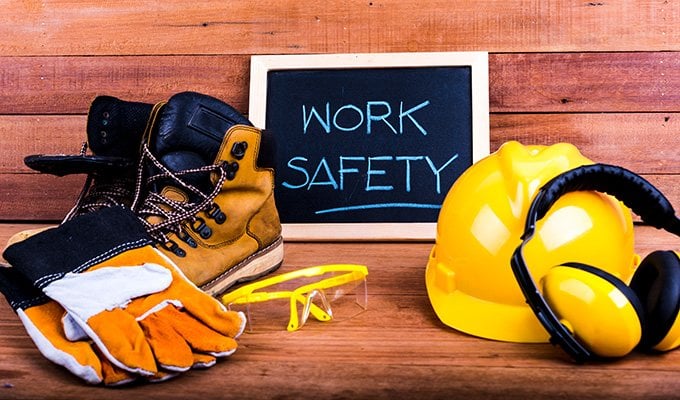
- Safety First: Always wear appropriate PPE and strictly adhere to established safety protocols.
- Proper Training & Equipment Use: Ensure that machinery is properly maintained and only used by trained personnel.
- Maintain a Clean and Organized Workspace: A tidy environment minimizes hazards and improves overall operational safety.
Introduction
Materials processing in laboratory and manufacturing establishments such as welding, metal casting, and extrusion involves handling high temperatures, chemical reactions, and significant mechanical forces which pose various risks. Safety guidelines in such environments are critical to ensure the well-being of all personnel and the proper operation of equipment. Understanding and implementing a strict set of "do's" and "don'ts" promotes the protection of workers, enhances the facility's operational efficiency, and prevents accidents that could result in injuries or equipment damage. This comprehensive guide is designed to inform you of the ten essential "do's" and ten critical "don'ts" specific to materials processing environments, detailing step-by-step safety protocols, proper equipment handling, and strategies to mitigate risks in the workplace.
Detailed Safety Guidelines: Do's and Don'ts
The Importance of Safety Guidelines in Materials Processing
In fields such as welding, metal casting, and extrusion, the processing of materials often involves working with hazardous chemicals, high levels of heat, and moving machinery. These factors require adherence to rigorous safety standards. A well-structured approach not only minimizes risks but also ensures a streamlined process where safety and efficiency coexist. The guidelines covered in this article serve as a practical framework that can be adjusted to the specific requirements of your facility, while still addressing core concerns related to employee safety, hazard prevention, and process integrity.
Understanding Personal Protective Equipment (PPE)
One of the most recurring themes in safety guidelines is the critical importance of wearing proper Personal Protective Equipment (PPE). PPE acts as the first line of defense against potential hazards such as chemical splashes, exposure to extreme heat, and flying debris. The specific types of PPE required may vary depending on the tasks performed. For example, processes like welding may require flame-resistant clothing and specialized masks, while metal casting might necessitate heavy-duty gloves, goggles, and aprons.
Common Types of PPE
PPE typically includes items such as:
- Safety Goggles and Face Shields
- Heat-resistant Gloves
- Lab Coats or Flame-resistant Clothing
- Closed-toe Shoes
- Hearing Protection
- Specialized Helmets (where applicable)
The correct use of PPE not only safeguards against immediate hazards but also ensures long-term protection against chronic exposure to harmful substances.
10 Do's for a Safer Environment in Materials Processing
1. Wear Appropriate PPE
Always use the recommended personal protective equipment. This includes safety goggles, gloves, lab coats, flame-resistant apparel, and any additional gear required by the process at hand, such as heat-resistant or welding-specific equipment. PPE is designed to mitigate the risk of injury or exposure to hazardous materials.
2. Follow All Established Safety Protocols and SOPs
Strict adherence to your facility’s safety protocols and Standard Operating Procedures (SOPs) is essential. This involves familiarizing yourself with the specific guidelines for each processing operation and ensuring that all procedures are followed exactly as outlined.
3. Ensure Regular Maintenance and Inspection of Equipment
Before commencement of any operation, inspect all machinery to confirm that they are well-maintained, calibrated, and functioning properly. Routine maintenance and risk assessment help prevent unexpected malfunctions that could lead to accidents.
4. Receive Adequate Training and Certification
It is paramount that operators of specific machinery or processes receive detailed and regular training. Certified training ensures that all personnel understand the operational mechanics and safety measures pertinent to materials processing.
5. Use Proper Ventilation Systems
Utilization of appropriate ventilation solutions, such as local exhaust devices and fume hoods, is vital when handling hazardous fumes, dust, and chemicals. This prevents prolonged exposure to harmful substances that could otherwise impact respiratory health.
6. Conduct Pre-start Safety Inspections
Before starting any processing operation, a preliminary inspection is necessary to ensure that emergency systems, such as fire suppression and emergency stop controls, are operable. This check helps identify and rectify potential hazards before they become problematic.
7. Keep the Workspace Clean and Organized
A tidy work area minimizes risks by ensuring that tools, materials, and hazardous substances are clearly organized. An organized workspace reduces the chances of accidental spills, blockages during evacuation, or other safety hazards that could compromise both personnel and equipment.
8. Clearly Label All Chemicals and Materials
Proper labeling of chemicals, reagents, and other materials is crucial to prevent accidental misuse or dangerous chemical reactions. Labels should include critical information such as hazard warnings and safe handling instructions.
9. Perform Regular Hazard Assessments
Conducting consistent risk assessments is essential to identify new or evolving hazards. This proactive approach allows for the adjustment of safety measures and instruments, ensuring that risk mitigation protocols remain up to date.
10. Report Unsafe Conditions Immediately
If you identify any equipment malfunctions, procedural deviations, or environmental hazards, it is critical to report them immediately to the relevant supervisor or safety officer. Timely reporting can avert accidents and ensure that corrective measures are implemented without delay.
10 Don'ts for Maintaining a Safe Materials Processing Environment
1. Don’t Bypass Safety Protocols or Take Shortcuts
Under no circumstances should established safety protocols be overridden. Taking shortcuts may seem expedient but can result in severe and irreversible hazards that compromise both safety and equipment integrity.
2. Don’t Compromise on PPE Standards
Avoid using improper or inadequate protective gear under the assumption that tasks may appear routine. The absence or malfunction of PPE can expose you to a range of hazards, including chemical burns, eye injuries, or heat exposure.
3. Don’t Operate Equipment Without the Required Training
Never assume proficiency with machinery unless you have been adequately trained and certified. Untrained operation of sophisticated equipment, whether welding gear or metal casting devices, poses grave risks both to the individual and the production process.
4. Don’t Ignore Warning Signs or Emergency Alarms
Warning signs and emergency alarms are installed for a reason – to alert you about hazardous conditions. Ignoring these signals can delay necessary actions, exacerbating the risk of injury or process failure.
5. Don’t Use Damaged or Malfunctioning Equipment
If any equipment shows signs of deterioration or malfunction, it should be taken out of service immediately. Proceeding with damaged machinery can lead to catastrophic failures or personal injuries.
6. Don’t Engage in Hazardous Tasks Without Assistance
Working alone in an environment where hazardous processes take place significantly increases risk. In case of an accident, having another person nearby can facilitate immediate assistance and minimize adverse outcomes.
7. Don’t Store Flammable Materials Inappropriately
Flammable substances must be stored away from any sources of ignition, such as welding torches or high-temperature equipment. Mismanagement of these materials can quickly lead to fire hazards or explosions, endangering everyone in the facility.
8. Don’t Mix Materials Without Clear Procedures
Mixing chemicals or processing materials without being fully informed of their interactions can lead to violent reactions. It is essential to thoroughly understand the properties and compatibilities of the materials in use.
9. Don’t Eat, Drink, or Store Food in Work Areas
Consumables such as food or beverages can contaminate hazardous materials and vice versa. Maintaining a strict delineation between workspaces and personal spaces minimizes the risk of accidental ingestion of harmful substances.
10. Don’t Remove or Disable Safety Devices
Safety guards, interlocks, and other built-in protective mechanisms are critical parts of machinery. Removing or bypassing these devices to increase operational speed or convenience can have disastrous effects.
Detailed Explanations and Best Practices
The Role of Safety Training and Continuous Education
Thorough and ongoing safety training is the cornerstone of an effective safety program. Training sessions should cover not only the proper use of equipment and PPE but also emergency response procedures, hazard recognition, and first aid. Continuous education updates personnel on new protocols and emerging risks associated with materials processing. By integrating simulation-based training and drills, workers can become proficient in both normal operations and crisis scenarios.
Implementing Training Programs
Training initiatives typically consist of:
- Classroom-based theoretical instructions
- Hands-on practical sessions
- Regular refresher courses
- Scenario-based drills and emergency simulations
Consistent training ensures that all personnel are equipped with the necessary knowledge to handle materials safely and respond to emergencies effectively.
Establishing a Culture of Safety and Communication
A robust safety culture is a collective responsibility. Open lines of communication among workers, supervisors, and management create an environment where potential hazards can be promptly discussed and resolved. Regular safety meetings and incident review sessions help reinforce the importance of adhering to guidelines, and actively involve staff in the continuous improvement of safety practices.
Fostering Open Communication
Encouraging a proactive stance on safety involves:
- Establishing regular safety briefings
- Create a reporting culture where concerns are promptly escalated
- Implementing suggestion schemes for safety improvements
- Recognizing contributions toward enhanced safety practices
Managing Equipment and Facility Maintenance
Routine equipment maintenance and facility audits play a crucial role in ensuring a safe working environment. Regular checks and servicing help identify potential failures before they turn into accidents. Detailed logs and routine inspection checklists are instrumental in maintaining high safety standards in a facility. Moreover, integrating predictive maintenance technologies can further reduce downtime and mitigate risks.
Maintenance Best Practices
Key maintenance practices include:
- Scheduled regular inspections and servicing
- Keeping comprehensive maintenance logs
- Ensuring immediate reporting of technical malfunctions
- Employing qualified technicians for repairs and calibration
Emergency Preparedness and Response
Timely and correctly executed emergency preparedness measures can be the difference between a minor incident and a major disaster. Facilities should have clearly defined emergency response protocols that cover a wide range of potential scenarios, including chemical spills, fires, and equipment failures. Emergency equipment such as fire extinguishers, eyewash stations, and first aid kits must be easily accessible and fully operational.
Developing Emergency Response Plans
To build effective emergency response plans, consider the following steps:
- Designate clear assembly points and evacuation routes
- Regularly test and update emergency equipment
- Conduct drills and simulations so all team members understand their roles
- Display emergency procedure charts at key locations
Implementing Proper Ventilation and Environmental Controls
In many materials processing activities, airborne contaminants such as metal fumes, dust, and chemical vapors are unavoidable. Appropriate environmental controls, including advanced ventilation systems and local exhaust hoods, are necessary to protect respiratory health. These controls are designed to minimize the spread of hazardous substances and ensure that the work environment remains as safe as possible.
Ventilation Strategies
Effective ventilation strategies include:
| Aspect | Description |
|---|---|
| Local Exhaust Ventilation (LEV) | Captures contaminants at the source to prevent their spread throughout the facility. |
| General Dilution Ventilation | Ensures ambient air quality by diluting airborne pollutants with fresh air. |
| Fume Hoods | Used to vent hazardous fumes directly away from personnel and the workspace. |
| Air Filtration Systems | Removes particulates and chemical contaminants from the circulating air. |
Such strategies contribute significantly to reducing the risk of long-term exposure to airborne hazards.
Additional Considerations in Laboratory and Manufacturing Safety
Ergonomics and Workspace Design
Ergonomic design in both laboratory and manufacturing environments is vital. Processes that involve repetitive motion or require handling heavy materials need to be carefully planned to minimize strain or injury. Organizing the workspace into clearly defined zones, using ergonomic tools, and ensuring proper posture during tasks can prevent repetitive strain injuries. A well-designed workspace not only minimizes physical stress but also contributes to improved concentration and operational efficiency.
Chemical and Material Handling
Handling chemicals or processed materials requires adherence to specific protocols to avoid exposure risks, contamination, or unintentional reactions. Detailed labeling and storage, combined with comprehensive training, ensure that materials are handled correctly. It is important to develop a clear inventory management system along with safety data protocols so that all substances are used in accordance with established guidelines.
Best Practices for Chemical Handling
Best practices for safe handling include:
- Store chemicals in designated areas with proper containment facilities
- Follow precise instructions when mixing or processing materials
- Always consult Safety Data Sheets (SDS) before handling any chemicals
- Implement secondary containment measures to prevent spills or leaks
Regular Audits and Continuous Improvement
Conducting regular audits is essential to verify that safety protocols are being followed and are effective. Audits help to identify weaknesses in the system and provide opportunities for improvement. Continuous feedback loops and updates to safety procedures in response to audit findings not only enhance personal safety but also contribute to better process efficiency and equipment longevity.
Conclusion and Final Thoughts
In conclusion, maintaining a safe environment in a materials processing facility, whether it involves welding, metal casting, extrusion, or other related operations, hinges on strict adherence to clearly defined safety guidelines. The set of ten do’s and ten don’ts outlined above provides a robust framework designed to minimize risk and promote operational integrity. By wearing appropriate PPE, following strict operating protocols, engaging in continuous training, and maintaining clear communication, personnel can significantly reduce the likelihood of accidents and ensure a consistently safe working environment. Equally important is the commitment to not taking shortcuts, ignoring warning signals, or compromising on essential safety measures, which collectively play a vital role in sustaining a culture of safety.
Expanding on these guidelines, it is critical for organizations to continually evaluate and improve their safety practices. Encouraging proactive risk assessments, implementing comprehensive maintenance schedules, and ensuring rapid communication during emergencies enhance the overall effectiveness of safety protocols. Embracing these best practices not only prevents accidents but also fosters a workplace culture that values and protects every individual’s well-being.
References
- Lab Safety Guide - Safety Educations
- 20 Lab Safety Rules and Hazards You Need to Know - Safety First
- Lab Safety Rules and Guidelines - Lab Manager
- The 10 Most Important Lab Safety Rules - ThoughtCo
- 9 Safety Best Practices to Follow in Manufacturing - Pro-Cise
Recommended Related Queries
Last updated February 20, 2025