
Salesforce Order Management System Applications
Enhancing Efficiency and Customer Experience with Advanced OMS Tools
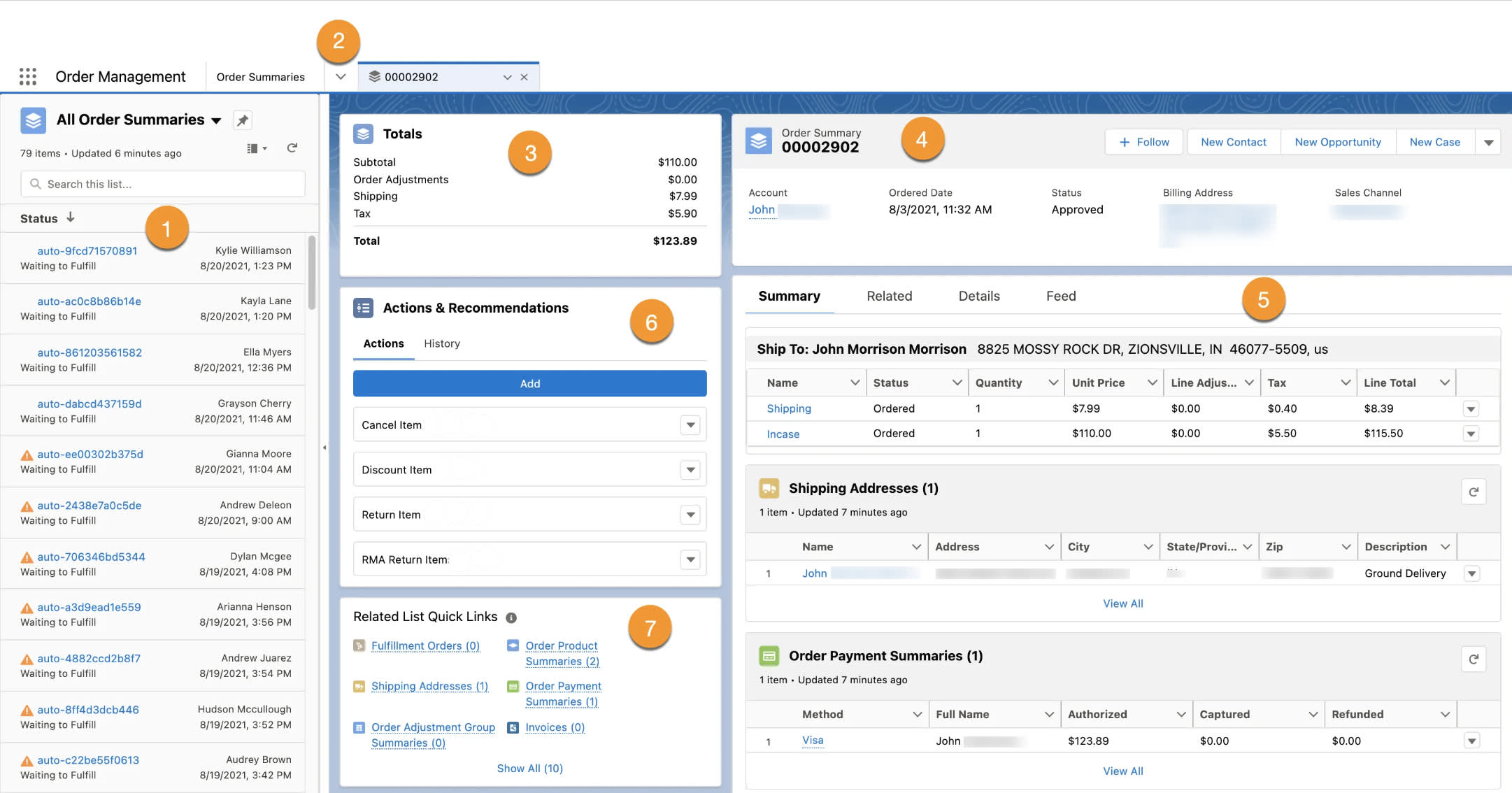
Key Highlights
- Automation of Processes: Streamlining order processing, inventory management, and fulfillment operations.
- Real-Time Visibility: Enhancing tracking and customer interactions through integrated systems.
- Comprehensive Integration: Combining payment processing, returns management, and robust analytics for informed decision-making.
Overview
A SalesForce Order Management System (OMS) is designed to automate and streamline the lifecycle of orders from the moment a customer places an order until delivery, including post-purchase services. The system plays a crucial role in ensuring that every stage of the order process is efficiently managed. With its integration within the broader Salesforce ecosystem, OMS supports operations such as order capture, inventory control, order tracking, payment processing, and even handling returns and exchanges. This advanced integration not only improves operational efficiency but also provides remarkable visibility into every aspect of the order process, thereby enhancing overall customer satisfaction.
Detailed Applications of Salesforce OMS
Automated Order Processing
Order Capture and Validation
One of the primary applications of Salesforce OMS is its capability to automate the entire order processing cycle. When an order is placed, the order management system automatically captures customer orders, validates them against business rules and inventory availability, and organizes the order for subsequent steps. This minimizes manual errors and reduces processing time, ensuring that the customer experience is smooth from the outset.
Integration with other Salesforce modules ensures that the order details are instantly accessible across the organization. This results in real-time updates that benefit both the sales team and customer service agents.
Error Reduction and Efficiency Gains
Automation through Salesforce OMS eliminates the need for manual data entry, which is prone to errors and delays. The system automatically verifies critical parameters such as pricing, availability, and shipping details. This comprehensive check results in fewer mistakes, leading to significant improvements in overall operational efficiency and customer trust.
Inventory Management Integration
Synchronized Inventory Data
Effective inventory management is essential for businesses, particularly when multiple sales channels are involved. Salesforce OMS links directly with inventory systems to provide real-time data regarding stock levels, reducing the risk of overselling or stockouts. This synchronization is particularly vital in preventing discrepancies that can lead to customer dissatisfaction or delays in order fulfillment.
By automating inventory checks, the system allows businesses to maintain optimal stock levels, promoting cost efficiency and a streamlined supply chain. This integration is vital in ensuring that the supply chain remains agile and responsive to market demand.
Demand Forecasting and Replenishment
In addition to real-time tracking, Salesforce OMS aids in predicting future inventory needs by analyzing sales trends and customer demands. The data harvested from everyday operations can be used to generate forecasts that inform strategic inventory replenishment, ensuring that popular products are always in stock while reducing the accumulation of slow-moving inventory.
Real-Time Tracking and Customer Communication
Multi-Channel Visibility
Real-time order tracking is an essential feature of Salesforce OMS that provides both businesses and customers with continuous updates on order status. This transparency empowers customers with the knowledge of their order’s progress, enhancing the user experience and building trust.
Additionally, real-time tracking facilitates seamless coordination among various departments, ensuring that any delays or issues are quickly communicated and addressed. The integration with Salesforce’s CRM enhances this communication by providing a 360-degree view of each customer’s history and order lifecycle.
Streamlined Fulfillment and Delivery
With real-time data at its core, Salesforce OMS optimizes fulfillment processes. Automated notifications and alerts help respective teams prepare for shipment, promptly address logistical hurdles, and monitor package movement. This proactive approach significantly reduces delivery times and enhances the customer’s post-purchase experience.
Payment Processing
Secure Integrations with Payment Gateways
Another vital function offered by Salesforce OMS is the integration with multiple payment gateways. This integration ensures secure and efficient payments, allowing transactions to be processed without interruption or error.
Established connectors with gateways like PayPal, Stripe, and Adyen enable businesses to accept various forms of payment. The seamless transition from order confirmation to payment execution eliminates friction points that could otherwise hinder a smooth customer experience.
Returns and Exchange Management
Simplified Reverse Logistics
Handling returns and exchanges is an essential part of maintaining positive customer relationships. Salesforce OMS automates the returns process, ensuring that customers are guided through every step—from initiating the return to receiving their refund or exchange. This systematic approach mitigates confusion and speeds up the reverse logistics process.
Automation in this area not only improves customer satisfaction but also provides valuable insights into product performance. For instance, repeated returns on specific items may indicate issues with product quality or fit, prompting further investigation and remedial actions.
User-Friendly Interfaces for Self-Service
Many modern OMS platforms empower customers with self-service options for managing returns and exchanges. These functions allow customers to process requests digitally at their convenience, further enhancing their overall experience. The ease of use provided by such interfaces reduces support calls and builds loyalty over time.
Analytics and Reporting
Actionable Business Insights
Salesforce OMS is equipped with robust analytics tools that transform raw operational data into actionable insights. By tracking key performance indicators (KPIs) such as order volumes, fulfillment times, and customer satisfaction metrics, business leaders can identify trends and make informed decisions.
The analytical capabilities of Salesforce OMS serve as a cornerstone for continuous improvement. Advanced dashboards visually represent data regarding order statuses, inventory health, and delivery metrics which help in monitoring operational efficiencies and planning strategic initiatives.
Predictive analytics within these systems also provide early warnings for potential issues and supply chain disruptions, ensuring businesses can promptly adapt to changing circumstances.
Customizable Reporting Tools
Customizable reporting functions allow businesses to tailor data outputs to suit specific operational needs. Whether it’s tracking the performance of a new product line or measuring the impact of a promotional campaign, these tools provide rich insights that contribute to effective decision-making.
Integration with Customer Service Platforms
360-Degree Customer Profiles
Integrating OMS with Salesforce’s Service Cloud results in a unified customer service platform where agents have access to complete order histories and interaction notes. This integration is particularly useful when handling queries or resolving disputes, as agents can quickly locate and review comprehensive order details.
Such integration means that not only can agents assist with order issues, but they can also proactively suggest complementary products or services, leading to potential upselling opportunities and an overall enhanced customer experience.
Enhanced Customer Communication
Effective communication is vital in customer service. Salesforce OMS supports automated notifications at every critical stage of the order process—from order confirmation to shipment and delivery updates. This significantly reduces uncertainty for customers and minimizes the need for follow-up inquiries.
Summary Table of Key Salesforce OMS Applications
| Application Area | Description |
|---|---|
| Automated Order Processing | Captures and verifies orders, reducing manual errors and ensuring quick processing. |
| Inventory Management | Synchronizes inventory data across channels to maintain accurate stock levels and predict demand. |
| Real-Time Tracking | Provides continuous updates on order status, enhancing transparency and customer satisfaction. |
| Payment Processing | Ensures secure and seamless financial transactions with integrated payment gateways. |
| Returns and Exchanges | Automates reverse logistics operations, streamlining customer-initiated returns and exchanges. |
| Analytics and Reporting | Delivers detailed insights into operational performance and customer trends through dynamic dashboards. |
| Customer Service Integration | Integrates with service modules to offer a 360-degree view of customer interactions and order histories. |
In-Depth Discussion on the Impact and Benefits
Salesforce Order Management provides extensive benefits that impact multiple areas of a business. The systemic integration of different business components within Salesforce enables the organization to keep pace with dynamic market requirements and uphold high standards of customer service. By automating key functions such as order verification, payment processing, inventory updates, and post-purchase support, businesses can dedicate more resources to strategic planning and innovation. The streamlined process minimizes friction, reduces transaction times, and creates a unified, efficient workflow.
Additionally, the data generated by Salesforce OMS is invaluable in identifying bottlenecks and areas for improvement. For instance, automated analytics not only monitor ongoing operations but also enable predictive adjustments which feature centrally in long-term strategic planning. Corporations benefit from decreased operational costs, fewer returns due to mismanagement, and enhanced customer trust that fosters loyalty and repeat business.
Furthermore, the integration facilitates communication between departments. Sales, operations, and customer service teams work with a single repository of information, which results in swift issue resolution and effective decision-making.
This holistic view of the order-to-delivery cycle significantly improves both operational transparency and accountability across the organization. Organizations using Salesforce OMS find that they are better equipped to manage rapid changes in market demand, while the continuously updated insights drive proactive management of inventory and resources.
References
-
Order Management System Guide - Salesforce
- Salesforce Order Management - Ksolves
- Salesforce Order Management System - Saufter
- Salesforce Commerce Order Management - Salesforce
- Everything to Know about Salesforce OMS - Accounting Seed
Recommended Related Queries
Last updated March 15, 2025