
Salvia Divinorum: Comprehensive Overview
Exploring its origins, effects, and implications
Key Takeaways
- Traditional Significance: Used for centuries by Mazatec shamans in spiritual and healing rituals.
- Potent Psychoactive Compound: Contains salvinorin A, one of the most powerful naturally occurring hallucinogens.
- Legal and Safety Concerns: Varies globally with potential psychological and physical risks.
Introduction
Salvia divinorum, often referred to as "diviner's sage" or "magic mint," is a perennial herb renowned for its potent psychoactive properties. Native to the cloud forests of Oaxaca, Mexico, this plant has been traditionally utilized by Mazatec shamans for spiritual and medicinal purposes. In recent decades, Salvia divinorum has garnered attention both for its recreational use and its potential therapeutic applications. This comprehensive overview delves into its origins, chemical composition, methods of consumption, effects, risks, legal status, and ongoing scientific research.
Origin and Traditional Use
Cultural Significance
Salvia divinorum is indigenous to the Sierra Mazateca region in southern Mexico. For centuries, the Mazatec people have employed this plant in ceremonial rituals and healing practices. Shamans, known as "curanderos," use Salvia divinorum to facilitate divination, communicate with ancestral spirits, and promote spiritual healing. The plant is typically consumed by chewing fresh leaves or brewing them into a tea, enabling profound spiritual experiences and insights.
Chemical Composition and Active Compounds
Salvinorin A: The Principal Psychoactive Ingredient
The primary psychoactive compound in Salvia divinorum is salvinorin A. Distinguished by its unique chemical structure, salvinorin A is a diterpenoid that acts as a potent agonist at kappa opioid receptors in the brain. Unlike many other hallucinogens that primarily interact with serotonin receptors (such as LSD or psilocybin), salvinorin A's interaction with the kappa opioid system results in distinct psychoactive effects.
Potency: Salvinorin A is considered one of the most potent naturally occurring hallucinogens. Even minute doses can elicit profound physiological and psychological responses, making it significantly more potent by weight compared to other hallucinogens.
Methods of Consumption
Various Intake Methods and Their Implications
Smoking or Vaporization
The most common modern method of consuming Salvia divinorum involves smoking dried leaves or concentrated extracts. This method results in a rapid onset of effects, typically within 30 seconds, with the peak experience lasting between 5 to 15 minutes. The intense and brief nature of the high makes controlled environments essential for safe usage.
Chewing Fresh Leaves
Traditional consumption involves chewing fresh Salvia divinorum leaves. Users often hold the chewed leaves in their mouths for an extended period to allow the active compounds to be absorbed through the oral mucosa. This method produces a slower onset of effects, generally taking 10 to 20 minutes to manifest, with a duration lasting up to 30 minutes.
Sublingual Administration
Another method involves placing salvia extracts or tinctures under the tongue (sublingually). This allows for rapid absorption into the bloodstream, leading to quick onset and brief, intense effects similar to smoking.
Other Methods
Less common methods include drinking teas made from the leaves or incorporating salvia into edible preparations. However, these methods are less prevalent due to the unpredictable absorption rates and varied potency outcomes.
Effects of Salvia Divinorum
Psychological and Sensory Experiences
Hallucinations and Altered Perception
Salvia divinorum induces profound hallucinations and alterations in sensory perception. Users often report vivid visual and auditory distortions, including intricate geometric patterns, fluid landscapes, and altered color perceptions. Time and space may appear distorted, leading to experiences of standing still while the environment changes rapidly or vice versa.
Dissociative and Depersonalized States
Many users experience dissociative states where they feel detached from their bodies or surroundings. This can manifest as an "out-of-body" sensation, where individuals perceive themselves floating above or outside their physical form. Such experiences can be disorienting and may contribute to feelings of unreality.
Emotional and Mood Alterations
The emotional landscape during a salvia experience is highly variable. Some users report intense euphoria, uncontrollable laughter, and a sense of profound insight or connection. Conversely, others may experience anxiety, fear, paranoia, or dysphoria, especially in unfamiliar or uncomfortable settings.
Uncontrollable Laughter
One of the more peculiar effects of Salvia divinorum is spontaneous bouts of intense laughter. This reaction is often uncontrollable and can occur abruptly, without any apparent trigger, contributing to the unpredictable nature of its psychoactive profile.
Physical Sensations
Physical effects accompanying salvia use include dizziness, loss of coordination, slurred speech, sweating, and nausea. Some users also report irregular heart rate and mild throat or lung irritation, particularly when the plant is smoked.
Duration of Effects
The onset and duration of Salvia divinorum's effects are highly dependent on the method of consumption:
- Smoking/Vaporization: Effects begin within 15-30 seconds, peak around 2-5 minutes, and subside within 15-30 minutes.
- Chewing/Sublingual: Effects start after 10-20 minutes, peak around 30 minutes, and can last up to 90 minutes.
Risks and Side Effects
Psychological Risks
The intense and unpredictable nature of Salvia divinorum's effects poses significant psychological risks:
- Fear and Paranoia: Sudden and overwhelming hallucinations can induce acute fear, paranoia, and panic attacks.
- Psychosis: Individuals with a history of mental health disorders may be at heightened risk of triggering psychotic episodes or exacerbating existing conditions.
- Confusion and Disorientation: The profound alterations in perception can lead to severe confusion and difficulty distinguishing between reality and hallucination.
Physical Risks
Physical side effects, though generally short-lived, can have serious implications:
- Impaired Coordination: Loss of motor skills and coordination increases the risk of accidents and injuries during the experience.
- Dizziness and Nausea: These sensations can lead to falls or other physical mishaps.
- Respiratory Irritation: Smoking salvia can irritate the throat and lungs, potentially causing coughing or difficulty breathing.
Potential for Misuse and Dependence
While Salvia divinorum is not considered physically addictive, there is a potential for psychological dependence. Users may seek repeated experiences despite negative consequences, driven by curiosity or the desire to replicate profound states of consciousness.
Contraindications
Salvia divinorum is contraindicated for individuals with certain health conditions:
- Mental Health Disorders: Those with schizophrenia, bipolar disorder, or other psychiatric conditions should avoid salvia due to the risk of exacerbating symptoms.
- Pregnancy and Breastfeeding: The safety of salvia use during pregnancy or while breastfeeding has not been established, and it is generally advised against.
Legal Status
Global Overview
The legal status of Salvia divinorum varies widely across different countries and regions, reflecting differing cultural attitudes and regulatory frameworks:
| Country/Region | Legal Status |
|---|---|
| United States | Not federally controlled. However, several states (including Florida, Kentucky, and Virginia) have banned its sale, possession, and use. |
| Canada | Salvia divinorum is classified as a Schedule III substance under the Controlled Drugs and Substances Act, making its possession and sale illegal. |
| United Kingdom | Illegal to produce, supply, or possess under the Psychoactive Substances Act. |
| Australia | Classified as a Schedule 9 substance, prohibiting its use except for approved medical or scientific research. |
| Germany | Banned under the Narcotics Act, making possession and distribution illegal. |
| Mexico | Legal for traditional use by indigenous communities but restricted for general public use. |
| European Union | Varies by member state, with many countries imposing bans or restrictions. |
Regulatory Considerations
In regions where Salvia divinorum remains legal or unregulated, concerns about its accessibility, especially among younger populations, have prompted calls for stricter controls. Regulatory bodies often cite the lack of comprehensive research on long-term effects and the potential for acute psychological distress as primary reasons for imposing restrictions.
Modern Usage and Popularity
Recreational Use
Salvia divinorum has gained popularity in recreational circles, particularly among adolescents and young adults. Its accessibility, combined with legal ambiguities in certain regions, contributes to its use as a form of experimentation with altered states of consciousness. However, due to the intensity and unpredictability of its effects, repeat or heavy usage is relatively uncommon compared to other recreational substances.
Cultural Perception
The perception of Salvia divinorum in modern society is dual-faceted. While some view it as a valuable tool for spiritual exploration and personal insight, others see it as a potentially dangerous substance with significant psychological risks. Media portrayal often emphasizes the latter, highlighting anecdotal reports of distressing experiences and accidental injuries.
Demographics
Usage is most prevalent among young adults aged 18-25. This demographic is drawn to salvia's ability to induce intense and novel experiences, often seeking to push the boundaries of their consciousness. However, this age group is also more susceptible to peer influence and risk-taking behaviors, which can exacerbate potential risks associated with salvia use.
Potential Therapeutic Uses
Research Directions
Despite its recreational use, Salvia divinorum and its active compound, salvinorin A, are subjects of growing scientific interest for their potential therapeutic applications:
- Depression: Preliminary studies suggest that salvinorin A may have rapid-acting antidepressant effects, akin to other kappa opioid receptor agonists.
- Chronic Pain Management: Research is exploring the analgesic properties of salvinorin A, given its interaction with the opioid system.
- Addiction Treatment: There is potential for salvinorin A to aid in treating addiction by modulating reward pathways in the brain.
- Mood Disorders: The compound's impact on mood regulation is being investigated for broader psychiatric applications.
Challenges in Research
Research is hindered by several factors, including legal restrictions, ethical concerns regarding human experimentation with potent hallucinogens, and the stigma associated with psychoactive substance research. Additionally, the brief duration of salvia's effects complicates the assessment of long-term therapeutic benefits.
Cultivation and Appearance
Botanical Characteristics
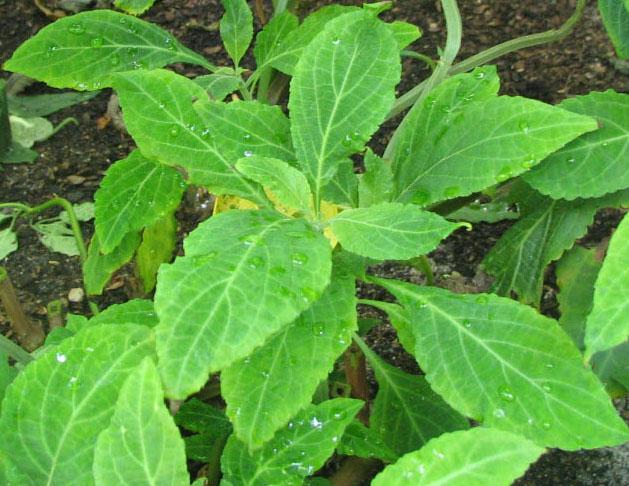
Salvia divinorum is a perennial herb that can grow over three feet tall. It features large, green leaves, hollow square stems typical of the Lamiaceae family, and small white flowers with purple calyces. The plant thrives in humid, semi-tropical climates but can be cultivated both indoors and outdoors with appropriate care.
Cultivation Considerations
Growing Salvia divinorum requires specific environmental conditions to mimic its native habitat. Key factors include:
- Humidity: High humidity levels are essential to prevent the plant from drying out.
- Temperature: Prefers warm temperatures with minimal fluctuations.
- Lighting: Adequate indirect sunlight is necessary for healthy growth.
- Soil Conditions: Well-draining soil rich in organic matter supports robust development.
Safety Concerns
Impaired Judgment and Risk-Taking Behavior
The significant impairment of judgment and motor coordination during a salvia experience increases the likelihood of engaging in risky behaviors. Users may inadvertently cause harm to themselves or others, particularly if consumed in uncontrolled environments.
Accidental Injuries
Due to dizziness, loss of coordination, and altered perception, accidents and injuries are common during salvia use. Falls, collisions, or mishandling of objects can lead to serious physical harm.
Long-Term Effects
The long-term cognitive and psychological effects of Salvia divinorum use remain poorly understood. While no fatalities have been directly attributed to salvia, concerns persist regarding potential lasting impacts on mental health and cognitive function.
Scientific Research
Current Studies
Research on Salvia divinorum is expanding, with studies focusing on its pharmacological properties, potential therapeutic applications, and the neural mechanisms underlying its psychoactive effects. Notable areas of investigation include:
- Neuropharmacology: Understanding how salvinorin A interacts with kappa opioid receptors and its broader impact on the brain's neurotransmitter systems.
- Therapeutic Potential: Exploring the use of salvinorin A in treating mental health disorders, chronic pain, and addiction.
- Behavioral Studies: Assessing the behavioral and psychological outcomes of salvia use in both clinical and recreational contexts.
Challenges and Future Directions
Further research is essential to fully elucidate the benefits and risks associated with Salvia divinorum. Future studies should aim to:
-
Establish standardized dosing protocols for therapeutic use.
-
Investigate the long-term effects of salvia on mental and physical health.
-
Develop guidelines for safe recreational use to minimize risks.
-
Explore the plant's full pharmacological profile to identify novel therapeutic targets.
Conclusion
Salvia divinorum stands as a remarkable plant with a rich cultural heritage and significant psychoactive potential. Its active compound, salvinorin A, offers unique interactions within the brain's opioid system, setting it apart from other hallucinogens. While traditional use underscores its spiritual value, modern recreational and research interest highlights both its potential benefits and formidable risks. The varied legal status worldwide reflects ongoing debates about its safety, therapeutic potential, and cultural significance. As scientific inquiry advances, a deeper understanding of Salvia divinorum may unlock new avenues for mental health treatment while informing policies to ensure its safe use.
References
Last updated January 23, 2025