
Samuel de Champlain
The Father of New France and Pioneering Explorer
Key Takeaways
- Founded Quebec City in 1608, establishing a lasting French presence in North America.
- Skilled navigator and cartographer who meticulously mapped the St. Lawrence River and Great Lakes.
- Diplomatic leader who forged crucial alliances with Indigenous tribes to support the fur trade.
Early Life and Background
Samuel de Champlain was born around 1567-1574 in Brouage, France, a coastal town known for its maritime activities. From an early age, Champlain was immersed in the oceanic ventures that characterized his hometown, fostering a profound interest in navigation and exploration. His formative years as a sailor equipped him with the essential skills needed for the arduous journeys that lay ahead, laying a solid foundation for his future endeavors in the New World.
Maritime Beginnings
Champlain's initial foray into exploration was facilitated by his role as a geographer in the French court of King Henry IV from 1601 to 1603. This position granted him access to valuable information about North America's geography, primarily sourced from French fishermen who frequented the region for its rich fishing grounds. These early interactions provided Champlain with firsthand knowledge of the area's potential for settlement and trade, igniting his ambition to explore and chart the uncharted territories of the continent.
Exploration and Mapping
Champlain's commitment to exploration was unwavering, undertaking between 21 to 29 voyages across the treacherous Atlantic Ocean. His expeditions were characterized by meticulous planning and a relentless pursuit of knowledge, which significantly expanded French understanding of North America's vast and varied landscapes. Champlain's explorations were not merely for discovery; they were strategic missions aimed at establishing French dominance in the New World.
Navigating the St. Lawrence River
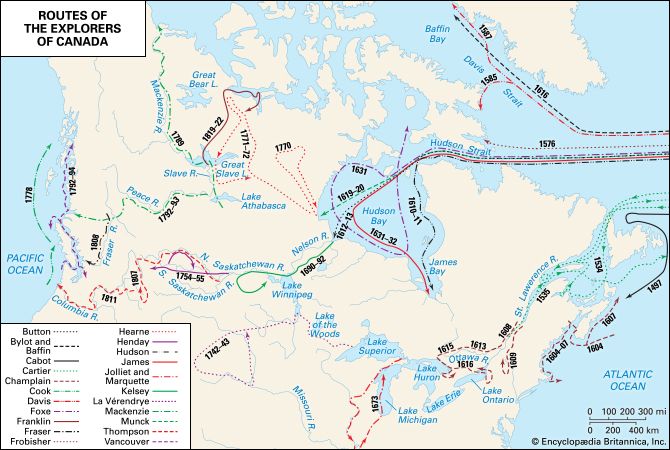
One of Champlain's most significant contributions was his extensive exploration of the St. Lawrence River. Recognizing the river's strategic importance as a gateway to the interior of the continent, Champlain navigated its length with unparalleled expertise. His detailed observations and measurements allowed him to create accurate maps that were instrumental for future navigators and settlers. These maps not only facilitated the movement of people and goods but also established French claims to the region, laying the groundwork for the expansion of New France.
Discovery of Lake Champlain
In 1609, during one of his exploratory missions, Champlain became the first known European to sight and chart Lake Champlain, a significant freshwater lake situated between what is now New York and Vermont. This discovery was pivotal, as the lake served as a critical conduit for trade and transportation between the French settlements and the interior regions of North America. Champlain's exploration of the lake not only enhanced French cartographic records but also opened new avenues for trade and alliances with Indigenous peoples living in the area.
Cartographic Contributions
Champlain's prowess as a cartographer was unmatched during his time. He produced some of the first accurate and detailed maps of North America, including the St. Lawrence River, the Great Lakes, and the Atlantic coastline. These maps were invaluable resources for other explorers, traders, and military leaders, providing a reliable means of navigation and strategic planning. Champlain's attention to detail and commitment to accuracy ensured that his maps were widely respected and utilized, significantly impacting the French efforts to colonize and exploit the resources of the New World.
Founding of Quebec City
On July 3, 1608, Samuel de Champlain founded Quebec City, a monumental event that marked the establishment of the first permanent French settlement in North America. This settlement became the cornerstone of New France, serving as a hub for administration, trade, and military operations. Quebec City's strategic location along the St. Lawrence River made it an ideal center for French colonial activities, facilitating control over the surrounding regions and enabling efficient management of the fur trade.
Strategic Importance
Quebec City's placement was highly strategic, as it controlled access to the St. Lawrence River, the primary artery for transportation and communication in the region. This positioning allowed Champlain to effectively manage and expand French influence, serving as a barricade against rival European powers and a launching point for further exploration into the interior of the continent. The city's fortifications and infrastructure were meticulously planned to withstand potential attacks and to support the growing needs of the colony.
Settlement and Growth
Champlain envisioned Quebec City not just as a military outpost but as a thriving community. He encouraged the cultivation of crops to ensure the settlement's self-sufficiency and requested the establishment of religious institutions to provide spiritual guidance and social cohesion. These efforts were critical in attracting settlers, artisans, and clergy, fostering a stable and resilient community. The growth of Quebec City under Champlain's leadership set a precedent for future French colonial endeavors, emphasizing sustainability, order, and cooperation.
Diplomatic Relations with Indigenous Peoples
Understanding the importance of alliances with Indigenous nations, Champlain dedicated significant efforts to building and maintaining relationships with various tribes. These alliances were essential for securing the fur trade, ensuring mutual defense, and facilitating peaceful coexistence between French settlers and Indigenous populations.
Fur Trade Alliances
The fur trade was the lifeblood of New France's economy, and Champlain's ability to form strong alliances with Indigenous tribes was pivotal in its success. By establishing cooperative relationships with the Huron, Algonquin, and Montagnais peoples, Champlain ensured a steady supply of beaver pelts, which were highly valued in European markets. These alliances were built on mutual benefit, with the French providing tools, weapons, and support in conflicts, while the Indigenous tribes offered furs and knowledge of the land.
Military Collaborations
Champlain's diplomatic acumen extended to military collaborations, particularly in conflicts against rival tribes such as the Iroquois. By aligning with the Huron and their allies, Champlain not only secured French interests but also contributed to the broader French strategic objectives in the region. These military alliances strengthened the position of New France against adversaries, ensuring the security and stability of the colony.
Cultural Exchange and Mutual Understanding
Beyond economic and military alliances, Champlain fostered cultural exchanges that promoted mutual understanding and respect between the French settlers and Indigenous communities. He learned Indigenous languages, adopted certain aspects of their culture, and incorporated Indigenous knowledge into his explorations and governance. This cultural diplomacy was instrumental in maintaining peaceful and cooperative relationships, which were essential for the long-term success of the French presence in North America.
Legacy and Impact
Samuel de Champlain's legacy is profound and multifaceted, influencing the course of North American history in various ways. His contributions to exploration, colonization, diplomacy, and cartography have left an enduring mark that continues to shape the cultural and geopolitical landscape of modern Canada.
Establishment of French Influence
The colonies established by Champlain formed the bedrock of French influence in North America, which persisted for centuries. Quebec City, as the administrative and cultural center of New France, became a model for subsequent French settlements, embodying the principles of governance, trade, and community that Champlain championed. This enduring French presence laid the foundation for the complex cultural dynamics that characterize Canada today.
Contribution to Cartography
Champlain's meticulous cartographic work provided a comprehensive geographical framework that facilitated further exploration and settlement. His maps were not only navigational tools but also strategic documents that aided in the planning and expansion of French territories. The accuracy and detail of his maps earned him recognition as one of the foremost cartographers of his time, and his works remain valuable historical records that offer insights into early 17th-century North American geography.
Cultural and Historical Documentation
As a chronicler, Champlain documented his voyages, interactions with Indigenous peoples, and observations of the natural environment. His extensive writings provide a rich historical account of the early colonial period, offering perspectives on the challenges and triumphs of establishing a European presence in the New World. These documents are indispensable resources for historians, shedding light on the complexities of colonization, intercultural relations, and the socio-economic dynamics of the time.
Notable Achievements
Samuel de Champlain's life was marked by a series of remarkable achievements that underscore his significance as an explorer and leader. Below is a summary of his most notable accomplishments:
| Achievement | Description | Date |
|---|---|---|
| Founding of Quebec City | Established Quebec City as the capital of New France, a strategic hub for trade and governance. | 1608 |
| Discovery of Lake Champlain | First known European to sight and explore Lake Champlain, expanding French maps. | 1609 |
| Diplomatic Alliances | Forged key alliances with the Huron, Algonquin, and Montagnais tribes. | Early 1600s |
| Cartographic Contributions | Created detailed maps of the St. Lawrence River, Great Lakes, and Atlantic coast. | 1600s |
| Chronicling Voyages | Authored extensive writings documenting his explorations and interactions. | Throughout his life |
| Expeditions and Exploration | Conducted numerous voyages that expanded French knowledge and territorial claims in North America. | 1600-1635 |
| Establishment of Port Royal | Founded Port Royal in 1605, the first permanent European settlement in Acadia. | 1605 |
| Governance of New France | Served as the de facto governor, overseeing the administration and development of the colony. | 1608-1635 |
Conclusion
Samuel de Champlain's role in the exploration and colonization of North America was monumental. His strategic founding of Quebec City, extensive mapping of key regions, and adept diplomacy with Indigenous peoples not only established a strong French presence in the New World but also laid the groundwork for the future development of Canadian society and culture. Champlain's legacy as the "Father of New France" is a testament to his enduring impact on the history of North America. His efforts ensured that New France would thrive, influencing not only the geopolitical landscape of his time but also shaping the cultural and historical narrative of Canada for generations to come.
References
Last updated February 15, 2025