
Association Between Sarcopenia and Covert Hepatic Encephalopathy
Exploring the Link Between Muscle Wasting and Subtle Brain Dysfunction in Liver Cirrhosis
Key Highlights
- Increased Risk: Sarcopenia significantly raises the risk of developing covert hepatic encephalopathy (CHE) and minimal hepatic encephalopathy (MHE) in cirrhotic patients.
- Mechanistic Insights: Impaired ammonia detoxification due to muscle wasting, along with inflammation and oxidative stress, contributes to CHE.
- Clinical Relevance: Early detection and intervention for sarcopenia can potentially mitigate the cognitive decline associated with CHE.
Understanding Sarcopenia in Liver Cirrhosis
Definition and Impact
Sarcopenia is characterized by the loss of muscle mass and function and is common in patients with liver cirrhosis. In these individuals, muscle wasting is not only a marker of frailty but also an independent predictor of adverse clinical outcomes. Research has demonstrated that sarcopenia contributes to the overall deterioration of physical performance, increased morbidity, and higher mortality rates among cirrhotic patients.
Pathophysiology of Sarcopenia
The reduction in muscle mass in cirrhosis is driven by a range of factors, including chronic inflammation, hormonal imbalances, and metabolic alterations. A central role is played by the impaired detoxification of ammonia, typically handled by healthy muscle tissue. In the presence of sarcopenia, the compromised muscle function leads to an accumulation of ammonia, a neurotoxin implicated in the development of hepatic encephalopathy (HE). This mechanism has been consistently observed across multiple studies and underlines the critical interplay between muscle health and liver function.
Overview of Covert Hepatic Encephalopathy (CHE)
What is Covert Hepatic Encephalopathy?
Covert hepatic encephalopathy represents a subtle form of brain dysfunction in patients with liver cirrhosis. Unlike overt hepatic encephalopathy, CHE does not present with prominent clinical signs such as disorientation or asterixis. Instead, it is often detected through neuropsychological testing and is characterized by minor cognitive impairments that can affect memory, attention, and psychomotor speed. Minimal hepatic encephalopathy (MHE), a subset within CHE, has gained especial attention because even subtle cognitive alterations can have significant implications for the patient's quality of life and daily functioning.
Clinical Detection of CHE
The diagnosis of CHE is challenging because its symptoms are not readily apparent during routine clinical examination. Specialized testing, including psychometric and neurophysiological assessments, is required to detect these subtle impairments. Given the high prevalence of sarcopenia in cirrhotic patients, there is growing interest in understanding how muscle loss may exacerbate or signal the presence of covert HE.
Mechanisms Linking Sarcopenia to CHE
Impaired Ammonia Detoxification
One of the most widely accepted mechanisms explaining the association between sarcopenia and CHE is impaired ammonia metabolism. In healthy individuals, skeletal muscle plays a crucial role in detoxifying ammonia, converting it to glutamine through the action of enzymes such as glutamine synthetase. In sarcopenic patients, reduced muscle mass means less capacity to metabolize ammonia, leading to its accumulation in the bloodstream. Elevated ammonia levels are toxic to the brain, contributing to cognitive dysfunction and the development of hepatic encephalopathy.
Inflammatory and Oxidative Stress Pathways
In addition to disrupted ammonia clearance, sarcopenia is associated with systemic inflammation and oxidative stress. These factors can disrupt the blood-brain barrier and lead to neuronal injury. Inflammation may exacerbate neurotoxic effects, further impairing cognitive functions. This multifactorial interaction between muscle loss and brain function highlights why sarcopenia is considered not only a marker of poor nutritional and functional status in cirrhotic patients but also a contributor to the pathogenesis of CHE.
Mitochondrial Dysfunction
Emerging research also suggests that mitochondrial dysfunction, which is a common feature in sarcopenia, may play a role in the development of CHE. Impaired mitochondrial function can exacerbate both muscle wasting and neural cell energy deficits, creating a vicious cycle that promotes the accumulation of neurotoxins like ammonia. This further reinforces the importance of managing sarcopenia to potentially curb the progression of CHE.
Clinical Implications and Diagnostic Considerations
Diagnosis and Risk Stratification
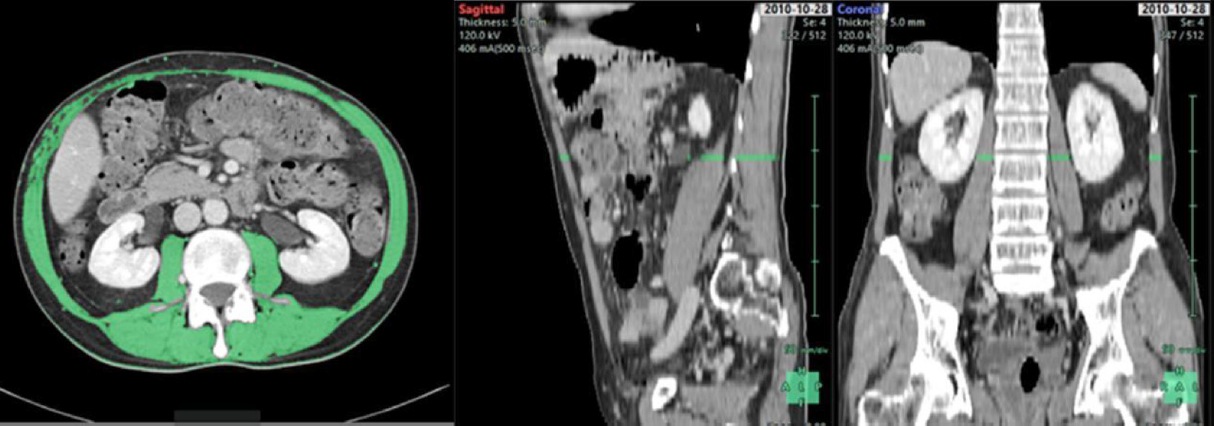
Recognizing the association between sarcopenia and CHE has significant clinical implications for the management of liver cirrhosis. Regular screening for sarcopenia using imaging techniques (such as CT or MRI scans) and assessments of muscle strength can help identify patients at higher risk of developing CHE. Clinicians are increasingly employing comprehensive evaluations that include muscle mass quantification alongside cognitive assessments to better stratify risk and initiate timely interventions.
Assessment Tools
Several diagnostic tools and methodologies have been used to evaluate sarcopenia and its impact on hepatic encephalopathy:
| Assessment Tool | Parameter Measured | Clinical Utility |
|---|---|---|
| CT/MRI Imaging | Muscle cross-sectional area | Quantitative analysis of muscle mass |
| Hand-Grip Strength | Muscle strength | Indicator of functional impairment |
| Neuropsychological Tests | Cognitive function | Detection of minimal or covert HE |
| Biochemical Markers | Ammonia levels, inflammatory markers | Indirect indicators of metabolic dysfunction |
Research Evidence and Statistical Associations
Summary of Key Findings
The literature consistently points to a positive association between sarcopenia in cirrhotic patients and the development of covert hepatic encephalopathy. A meta-analysis has found that the odds of developing minimal or covert HE are significantly higher in patients with sarcopenia compared to those without. For instance, one pooled estimate reported an odds ratio (OR) of approximately 3.34 for minimal hepatic encephalopathy and an OR of around 2.05 for overt forms of HE, suggesting a robust link between reduced muscle mass and neurological impairment.
Statistical Insights
The clinical research emphasizes that sarcopenia is an independent predictor of hepatic encephalopathy complications. This predictive role holds even when controlling for other variables, which underscores the importance of muscle health in the hepatic encephalopathy disease process. Furthermore, the high prevalence of sarcopenia among patients with covert HE highlights its utility as a surrogate marker for identifying individuals who might benefit from early and targeted interventions.
Therapeutic and Management Strategies
Intervention Opportunities
Given the established association between sarcopenia and covert hepatic encephalopathy, there is a growing consensus that aggressive management of muscle wasting can have a positive impact on cognitive outcomes in cirrhotic patients. Multimodal intervention strategies—which include nutritional support, physical exercise, and pharmacological agents—can help mitigate the progression of sarcopenia and, by extension, reduce the incidence or severity of CHE.
Nutritional Support
Nutritional interventions that focus on a high-protein diet, along with specific supplements such as branched-chain amino acids (BCAAs), have been shown to support muscle synthesis and improve overall protein balance. Such diets not only help counteract muscle loss but may also play a role in reducing systemic inflammation.
Physical Exercise
Structured exercise programs, particularly those combining aerobic activities with resistance training, are essential for maintaining and even improving muscle mass and function in cirrhotic patients. Exercise has the dual benefit of enhancing muscle capacity for ammonia detoxification and improving overall physical performance, which can positively influence cognitive function.
Pharmacological Interventions
There is emerging interest in exploring pharmacological approaches, such as agents that target inflammatory pathways or enhance mitochondrial function. While these treatments are still under investigation, preliminary results suggest that they may be effective in managing both sarcopenia and its downstream complications, including CHE.
Clinical Considerations and Future Directions
Importance of Early Detection
Early identification of sarcopenia in patients with liver cirrhosis can serve as a critical step in preventing or lessening the cognitive decline associated with covert hepatic encephalopathy. Given the subclinical nature of CHE, incorporating routine muscle mass and strength assessments into the clinical management protocols can enable timely intervention.
Integrated Clinical Approach
Healthcare providers are encouraged to adopt a multidisciplinary approach when assessing cirrhotic patients. This includes collaboration between hepatologists, nutritionists, and rehabilitation specialists to ensure that both sarcopenia and its potential neurological sequelae are addressed in a comprehensive manner.
Research Imperatives
Despite significant advancements in our understanding of the sarcopenia-CHE link, several gaps remain. Future research should focus on understanding the exact molecular pathways involved and developing robust predictive models. Longitudinal studies that track the progression of both sarcopenia and CHE over time could be particularly valuable, as would clinical trials examining the efficacy of various intervention strategies.
Additional Insights and Practical Implications
Integration into Routine Clinical Practice
The correlation between sarcopenia and covert hepatic encephalopathy reinforces the need for an integrated clinical framework. Clinicians should consider screening for sarcopenia as part of their routine assessment of patients with liver cirrhosis. The outcomes of such screenings can help guide therapeutic decisions and ultimately improve patient quality of life by preemptively addressing potential cognitive declines.
Patient Education and Lifestyle Modifications
Educating patients about the significance of maintaining muscle health is paramount. Awareness campaigns that focus on the importance of nutrition, physical activity, and adherence to treatment plans can empower patients. Lifestyle modifications, when combined with regular clinical follow-ups, may reduce the risk of covert hepatic encephalopathy and improve overall health outcomes.
Healthcare Policy Implications
On a broader scale, the association between sarcopenia and CHE highlights the need for updated healthcare policies that promote early diagnosis and integrated care for liver disease patients. Investments in diagnostic technologies and multidisciplinary treatment programs could yield significant long-term benefits, both in reducing healthcare costs and improving patient outcomes.
Emerging Trends and Ongoing Research
Innovative Diagnostic Techniques
Recent developments in imaging and biochemical marker assessments are paving the way for more accurate and early detection of sarcopenia. The evolution of portable diagnostic devices and advanced imaging software holds promise for widespread screening programs, particularly in resource-limited settings. These innovations, combined with the continuous refinement of psychometric tests, may soon enable more precise risk stratification and targeted intervention strategies.
Future Therapeutic Targets
Ongoing research is also exploring novel therapeutic targets that specifically address the molecular pathways linking sarcopenia and CHE. With an improved understanding of the roles of mitochondrial dysfunction, systemic inflammation, and ammonia metabolism, future pharmacologic treatments may focus on attenuating these pathways. As these therapeutic approaches evolve, they could revolutionize the management of liver cirrhosis by addressing both muscular and cognitive health simultaneously.
References
- BMC Gastroenterology - BMC
- PubMed - NCBI
- PubMed - NCBI
-
PMC Article - NCBI
-
ScienceDirect - Elsevier
Recommended Queries
Last updated March 17, 2025