
Satiation Index
A Comprehensive Guide to Understanding Food Fullness and Hunger Control
Key Takeaways
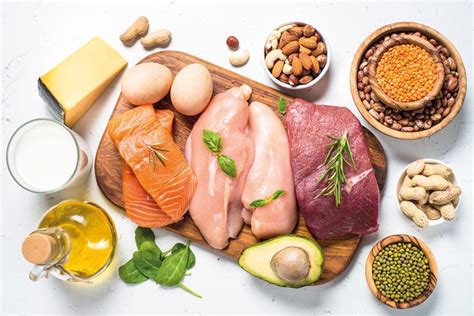
- High-protein and high-fiber foods significantly enhance satiety, helping to control hunger and manage weight effectively.
- Energy density and water content are crucial factors that determine how filling a food item is.
- Incorporating low glycemic index foods can sustain energy levels and reduce the likelihood of overeating.
Introduction to the Satiation Index
The Satiation Index is a scientific tool developed to measure how effectively different foods make individuals feel full and satisfied after consumption. Introduced in 1995 by Dr. Susanna Holt and her team at the University of Sydney, the index compares various foods based on their ability to suppress hunger over a two-hour period. This measurement is crucial for understanding how different nutrients and food compositions influence eating behavior and weight management.
What is the Satiation Index?
The Satiation Index quantifies the satiety effect of foods relative to a standard reference food, which is white bread assigned a score of 100. Foods are ranked based on how filling they are, with higher scores indicating greater satiety and lower scores suggesting lesser fullness. This index helps individuals make informed dietary choices by highlighting which foods are more likely to keep them full for longer periods.
Study Design and Key Findings
The original study conducted by Dr. Holt involved feeding participants 240-calorie portions of 38 different foods. Participants then rated their feelings of fullness over the next two hours. The key findings from the study revealed that:
- Foods high in protein and fiber generally scored higher on the Satiation Index.
- Energy-dense foods with high fat and sugar content tended to score lower.
- Water content and the physical volume of the food also played significant roles in determining satiety levels.
Factors Influencing the Satiation Index
Several factors contribute to how satiating a food is:
-
Macronutrient Composition:
Foods rich in protein, such as lean meats and fish, and high in fiber, like fruits and vegetables, are more filling. Protein influences hunger hormones like ghrelin and slows stomach emptying, while fiber adds bulk and delays digestion.
-
Energy Density:
Low-energy-density foods provide fewer calories per gram, allowing individuals to eat larger portions without consuming excessive calories. Examples include leafy greens, vegetables, and certain fruits.
-
Water Content:
High-water-content foods add volume to meals without significantly increasing calorie intake. This helps in creating a sense of fullness. Soups, fruits like watermelon, and vegetables are prime examples.
-
Texture and Preparation:
The physical structure of food affects satiety. Foods that require more chewing and retain their structure longer, such as boiled potatoes compared to mashed ones, tend to be more filling.
-
Low Glycemic Index (GI):
Foods with a low glycemic index digest slowly, providing sustained energy and reducing hunger pangs. Whole grains, legumes, and certain fruits fall into this category.
Satiation Index Scores of Common Foods
The following table showcases various foods ranked according to their Satiation Index scores. Higher scores indicate greater ability to promote fullness.
| Food Item | Satiation Index Score (%) |
|---|---|
| Boiled Potatoes | 323 |
| Fish (Ling) | 225 |
| Oatmeal | 209 |
| Oranges | 202 |
| Apples | 197 |
| Brown Pasta | 188 |
| Beef | 176 |
| Baked Beans | 168 |
| Grapes | 162 |
| Popcorn | 154 |
| Eggs | 150 |
| White Bread (Reference) | 100 |
| Croissants | 47 |
Practical Applications of the Satiation Index
Weight Management
Incorporating high-satiety foods into your diet can significantly aid in weight management. Foods that score high on the Satiation Index help control hunger and reduce overall calorie intake by keeping you full for longer periods. This makes it easier to maintain or lose weight without feeling deprived or constantly hungry.
Meal Planning
Understanding the Satiation Index allows for more effective meal planning. By prioritizing foods that are more filling, you can create balanced meals that sustain energy levels and prevent the need for frequent snacking. This not only supports weight management but also promotes better overall nutritional balance.
Nutritional Balance
High-satiety foods often align with healthy eating patterns. Many of these foods are rich in essential nutrients like fiber, protein, and healthy fats, which contribute to overall health. Incorporating such foods into your diet ensures that you receive the necessary nutrients while also managing hunger effectively.
Factors Affecting Satiety Beyond the Index
Individual Variations
While the Satiation Index provides a general guideline, individual responses to foods can vary based on factors like metabolism, activity levels, age, sex, and personal dietary preferences. It's essential to consider these personal factors when applying the index to your diet.
Long-term Satiety
The Satiation Index primarily measures short-term fullness over a two-hour period. However, the long-term effects of certain foods on satiety and overall eating behavior might differ. Incorporating a variety of high-satiety foods can help sustain fullness beyond the initial measurement period.
Preparation and Texture
How a food is prepared can significantly influence its satiety. For instance, boiled potatoes are more filling than mashed potatoes because they retain more of their natural structure, which requires more chewing and prolongs the eating experience.
Practical Tips for Utilizing the Satiation Index
Choose Whole, Unprocessed Foods
Opt for whole foods like fruits, vegetables, whole grains, lean proteins, and legumes. These foods are generally higher in protein and fiber, contributing to greater satiety and better overall nutrition.
Incorporate High-Protein Foods
Include sources of high-quality protein in your meals, such as fish, eggs, lean meats, and dairy products. Protein helps in regulating hunger hormones and slowing down digestion, keeping you full longer.
Add Fiber-Rich Foods
Integrate fiber-rich foods like vegetables, fruits, and whole grains into your diet. Fiber adds bulk to your meals and promotes a feeling of fullness, helping to control appetite.
Prioritize Low-Energy-Density Foods
Select foods that provide volume without excessive calories. Low-energy-density foods, such as leafy greens, broth-based soups, and certain vegetables, allow you to eat larger portions while maintaining a lower calorie intake.
Monitor Portion Sizes and Preparation Methods
Be mindful of portion sizes and how you prepare your foods. Steaming, boiling, or grilling foods can help retain their natural textures and satiety-promoting properties, unlike frying or excessive processing.
Limitations of the Satiation Index
-
The Satiation Index is based on a limited set of 38 foods, which may not encompass the vast diversity of available food options.
-
Individual differences in metabolism, lifestyle, and personal preferences can influence how satiating a food is for a particular person.
-
The index focuses on short-term satiety and may not fully represent the long-term effects of food on hunger and overall dietary habits.
-
Changes in food preparation methods and new food products can affect satiety, but the index may not account for these variations if they were not part of the original study.
Conclusion
The Satiation Index is a valuable tool for understanding how different foods influence feelings of fullness and hunger control. By prioritizing high-protein, high-fiber, and low-energy-density foods, individuals can effectively manage their appetite, support weight management goals, and maintain a balanced, nutritious diet. While the index provides insightful guidelines, it's essential to consider personal factors and long-term dietary habits to optimize its benefits fully.
References
Last updated January 19, 2025