
Unlocking Growth: A Strategic Marketing Blueprint for Saudi Construction Firms in 2025
Navigate the dynamic Saudi construction landscape with a data-driven marketing plan, competitor insights, and actionable strategies for market leadership.
Strategic Highlights for Your Marketing Success
- Align with Vision 2030: Leverage Saudi Arabia's ambitious national development agenda as a core pillar of your marketing narrative to build credibility and resonate with key stakeholders.
- Embrace Digital Transformation: Implement a robust digital marketing strategy, including SEO, content marketing, and targeted social media campaigns, to reach a digitally savvy audience and generate qualified leads.
- Data-Driven Differentiation: Utilize thorough market and competitor analysis to identify unique selling propositions and address specific market needs, positioning your company for sustainable growth.
The Pulse of Saudi Construction: Market Overview 2025
The Saudi Arabian construction market is experiencing a period of unprecedented growth, fundamentally reshaped by the Kingdom's Vision 2030. This national strategy emphasizes economic diversification, massive infrastructure development, and the launch of several giga-projects. As of 2024, the market was valued at approximately USD 97.8 billion (or around USD 72.1 billion for the commercial sector specifically, according to other estimates), with projections indicating a climb to USD 135.6 billion by 2033, showcasing a compound annual growth rate (CAGR) of about 3.7% from 2025 to 2033. Some forecasts suggest the market could reach approximately USD 98.61 billion by 2030 (commercial) or SAR 297.19 billion (overall) by 2029. For 2025 alone, the industry is anticipated to expand by approximately 4.4% to 6.2% in real terms.

Cranes dot the skyline, symbolizing the rapid construction development across Saudi Arabia.
Key Growth Drivers and Sectors
Several factors are fueling this construction boom:
- Vision 2030 & Giga-Projects: Initiatives like NEOM, Qiddiya, The Red Sea Development, Roshn, and Diriyah Gate are injecting over USD 1.25 trillion into infrastructure and real estate. These projects create substantial demand for contracting services across various specializations.
- Urbanization and Housing Demand: Rapid urbanization and a growing population necessitate significant housing development. The government's plan to construct 240,000 new housing units under a USD 43 billion program addresses this national priority.
- Infrastructure Development: Significant investment is flowing into transport infrastructure (roads, rail, airports), energy, and utilities, further stimulated by preparations for major events like the FIFA World Cup 2034.
- Economic and Regulatory Reforms: Easing of foreign ownership laws (e.g., 100% real estate ownership for foreigners) and the promotion of Public-Private Partnerships (PPPs) are attracting international investment and expertise.
The primary sectors driving growth include residential, commercial (office spaces, retail, hospitality), industrial, and infrastructure construction. The commercial construction segment, for example, is witnessing high occupancy rates for Grade A office spaces (up to 97% in Riyadh) and rapid development in lifestyle retail.
Market Dynamics and Challenges
The market is competitive and increasingly fragmented. Key development hubs include Riyadh, Jeddah, and Dammam. While opportunities are abundant, construction companies also face challenges such as:
- Supply Chain Disruptions: Global and local supply chain issues can lead to delays and increased material costs.
- Rising Material Costs: Fluctuation in prices for essential construction materials impacts project budgets.
- Need for Sustainability: There's a growing emphasis on sustainable construction practices and green building standards, aligning with global trends and Vision 2030’s environmental goals.
- Digitalization: The industry is undergoing a digital transformation, requiring companies to adopt new technologies for design, project management, and client interaction.
Identifying Your Target Audience
A successful marketing strategy begins with a clear understanding of who you are trying to reach. For a Saudi construction company, the target audience is diverse and includes:
- Government Entities and Ministries: Key clients for large-scale infrastructure, public buildings, and Vision 2030 giga-projects.
- Real Estate Developers: Both local and international developers involved in residential, commercial, and mixed-use projects.
- Industrial Companies: Businesses requiring construction of factories, warehouses, logistics centers, and specialized industrial facilities.
- Commercial Businesses: Organizations looking to build or renovate office spaces, retail outlets, hotels, and entertainment venues.
- Private Individuals: While potentially a smaller segment for large contractors, high-net-worth individuals and families seeking bespoke residential construction or renovation services.
Understanding the specific needs, procurement processes, and decision-making criteria of each segment is crucial for tailoring your marketing messages and outreach efforts effectively.
Competitive Landscape: Know Your Rivals
The Saudi construction market features several prominent players. Analyzing their strengths and weaknesses is vital for carving out your own niche and developing a compelling value proposition. Below is an analysis of three key competitors. This information is crucial for understanding the competitive pressures and opportunities within the Saudi construction sector.
| Competitor Name | Strengths | Weaknesses | Key Data/Notes |
|---|---|---|---|
| Kabbani Construction Group (KCG) | Strong local presence, diversified portfolio (residential, commercial, infrastructure), reputation for quality, agile in adopting new technologies and sustainable practices. Involved in Vision 2030 projects like NEOM. | Relatively smaller scale in mega-project bidding compared to some international giants. Limited exposure outside the Saudi market. Faces supply chain and material cost challenges. | Significant contributor to sector growth, particularly in Riyadh's commercial market. Involved in projects valued at over USD 10 billion (as of 2024 data). |
| Almabani General Contractors | One of Saudi Arabia's largest construction firms with robust financial backing. Extensive experience in large government contracts, giga-projects (e.g., NEOM), and multi-sector expertise. Strong local and international collaborations. | Bureaucratic processes due to company size can potentially delay project execution. Vulnerable to market volatility and rising material costs. May lack agility in adopting newest technologies compared to nimbler entrants. | Key contributor to major infrastructure projects, part of the USD 250 billion in completed projects by 2025. Significant presence in Riyadh. |
| AlKifah Contracting Company (KCC) | Recognized for strong engineering expertise, on-time project delivery, and good network with suppliers/subcontractors. Increasing focus on sustainability and green building solutions. Active in industrial and institutional construction. | Higher operational costs compared to smaller local firms. Marketing and brand awareness might be less aggressive than some competitors. Limited focus on cutting-edge innovation noted by some analyses. | Active in regions like the Eastern Province. Involved in projects valued around USD 5-7 billion (as of 2024 data). Strong in the housing sector. |
Other notable players mentioned in broader market analyses include Saudi Binladin Group, El Seif Engineering Contracting Company, Bechtel, Fluor Corp., and others. Common weaknesses across the sector, such as supply chain vulnerabilities and adaptation to rapid technological change, present strategic opportunities for differentiation.
Crafting Your Strategic Marketing Plan: A Practical Approach
A successful marketing strategy for a Saudi construction company must be multi-faceted, integrating market insights with actionable tactics. This plan focuses on building a strong brand, generating leads, and fostering long-term client relationships.
Phase 1: Defining Objectives & Positioning
Set Clear Marketing Objectives
Your marketing objectives should be SMART (Specific, Measurable, Achievable, Relevant, Time-bound) and aligned with overall business goals. Examples include:
- Increase brand awareness and trust within the Saudi market by 20% within one year.
- Generate 30% more qualified leads through digital channels in the next 12 months.
- Establish the company as a thought leader in sustainable construction or a specific niche (e.g., smart infrastructure) by publishing X pieces of content and speaking at Y industry events.
- Secure a specific number or value of new contracts in target sectors.
Develop Your Unique Selling Proposition (USP) and Competitive Positioning
Based on your company's strengths and the identified weaknesses of competitors, define what makes your company different and better. Your USP could be:
- Superior project management leading to on-time, on-budget delivery.
- Expertise in cutting-edge sustainable building technologies.
- Unmatched quality and safety standards.
- Deep understanding and successful execution of Vision 2030 aligned projects.
- Agility and customer-centric approach compared to larger, more bureaucratic firms.
Position your company accordingly in all marketing communications.
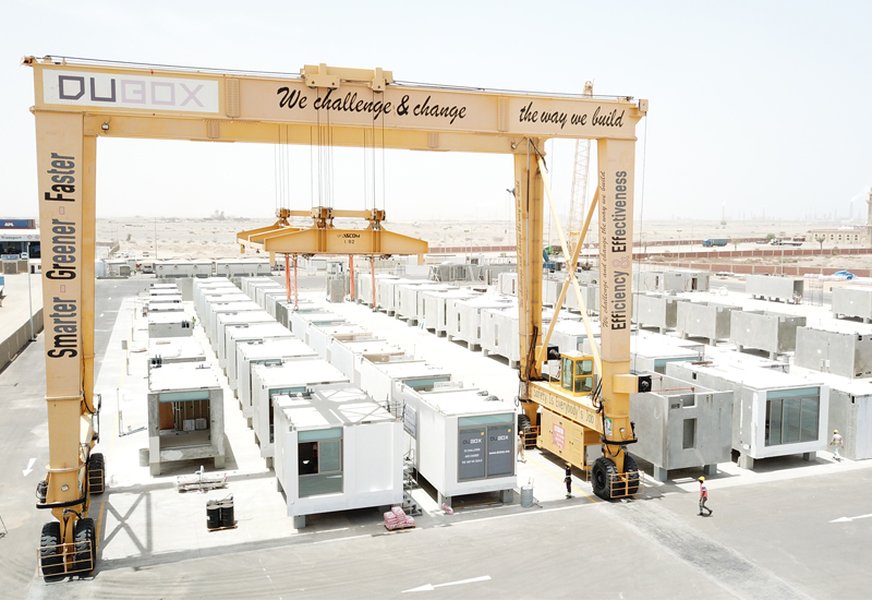
Innovative construction methods, like modular building, can be a key differentiator.
Phase 2: Multi-Channel Marketing Execution
Employ a mix of online and offline tactics tailored to the Saudi market.
Digital Marketing Implementation
- Professional Website: Develop a state-of-the-art, bilingual (Arabic primary, English secondary) website. It should be mobile-responsive, easy to navigate, and showcase your portfolio, services, client testimonials, certifications, and commitment to Vision 2030.
- Search Engine Optimization (SEO): Optimize your website and content for relevant keywords such as "Saudi construction companies," "NEOM contractors," "commercial construction Riyadh," "sustainable building KSA." This will improve visibility in organic search results.
- Content Marketing: Create high-value content that demonstrates expertise and addresses client pain points. This includes:
- Case studies of successful projects.
- White papers on industry trends (e.g., smart cities, green construction).
- Blog posts and articles offering insights and advice.
- Infographics and videos showcasing capabilities and project highlights.
- Social Media Marketing: Utilize platforms like LinkedIn (for B2B networking and corporate branding), X (formerly Twitter) (for news, updates, and engagement in Arabic), and Instagram (for visual storytelling of projects and company culture). Tailor content to each platform and engage actively with your audience. Highlight CSR initiatives and alignment with national goals.
- Email Marketing & CRM: Implement a Customer Relationship Management (CRM) system to manage leads and client interactions. Use targeted email campaigns to nurture leads with relevant content, project updates, and newsletters.
- Paid Advertising (PPC): Consider targeted Pay-Per-Click campaigns on Google Ads and LinkedIn to reach specific demographics and decision-makers actively searching for construction services.
Offline Marketing & Relationship Building
- Industry Events and Exhibitions: Participate in major construction and real estate expos in Saudi Arabia (e.g., Saudi Build, Big 5 Saudi) and relevant international forums. This offers opportunities for networking, showcasing capabilities, and lead generation.
- Public Relations (PR): Build relationships with key industry publications and media outlets (both local and international) to secure positive coverage of your projects, achievements, and thought leadership.
- Networking: Actively participate in industry associations, chambers of commerce, and business councils.
- Direct Outreach: For high-value prospects, especially government entities and large developers, a well-researched direct outreach strategy can be effective.
- Partnerships & Sponsorships: Collaborate with local trade shows, construction forums, and industry bodies to increase brand visibility.
Cultural and Language Sensitivity
All marketing communications must be culturally sensitive and respect local norms and values. Arabic should be the primary language for most local communications, with high-quality English versions available for international stakeholders.
Phase 3: Measurement, Analytics, and Optimization
Continuously monitor and analyze the performance of your marketing activities.
- Key Performance Indicators (KPIs): Track metrics such as website traffic, lead generation rates, cost per lead, conversion rates, social media engagement, content reach, and brand sentiment.
- Analytics Tools: Utilize tools like Google Analytics, social media analytics dashboards, and CRM reports to gather data.
- Regular Reporting and Adjustment: Review performance data monthly or quarterly. Be prepared to adjust your strategies and tactics based on what is working and what is not, ensuring optimal allocation of your marketing budget.
Visualizing Your Marketing Edge: A Comparative Radar Chart
To effectively compete, it's essential to understand where your marketing efforts stand relative to the industry average. The radar chart below offers a conceptual comparison across key marketing pillars. Aim to surpass the average in areas critical to your strategy. This is an illustrative example; your actual positioning will depend on your specific investments and execution.
This chart visualizes hypothetical strengths. For example, a company focusing heavily on digital transformation might score high on "Digital Presence" and "SEO Strength," while one prioritizing traditional methods might excel in "Offline Networking." Aligning with "Vision 2030" is crucial for all players in the Saudi market.
Mapping Your Marketing Strategy
A mindmap can help visualize the interconnected components of your comprehensive marketing strategy. It illustrates how market understanding flows into objectives, strategy formulation, tactical execution, and finally, performance evaluation. This holistic view ensures all elements work cohesively towards your business goals.
This mindmap outlines the core components, from foundational market research and objective setting to the diverse tactics within digital and offline marketing, all leading to measurable results and continuous improvement.
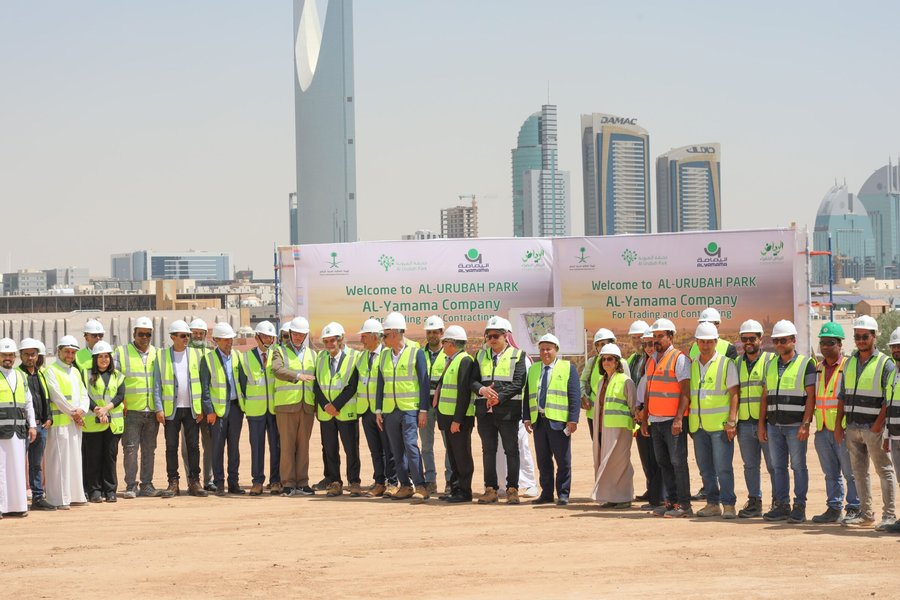
Collaboration and on-site presence are key in the construction industry.
Actionable Steps to Strengthen Your Marketing Campaign
Building on the foundational strategy, here are specific actions to amplify your marketing impact:
- Deepen Vision 2030 Alignment: Consistently and explicitly connect your company's projects, capabilities, and values to the goals of Vision 2030 in all marketing materials. Showcase how your work contributes to Saudi Arabia's development.
- Invest in High-Quality Video Content & Virtual Tours: Create compelling videos showcasing completed projects, project progress, innovative techniques, and client testimonials. Offer virtual tours of flagship projects to engage potential clients remotely.
- Forge Strategic Alliances and Partnerships: Collaborate with complementary businesses, technology providers, and influential industry bodies. Co-marketing efforts and joint participation in events can expand reach and credibility.
- Prioritize Client Testimonials and In-Depth Case Studies: Authentic feedback from satisfied clients is incredibly powerful. Develop detailed case studies that highlight challenges, your solutions, and the successful outcomes achieved.
- Embrace Digital Innovation: Explore emerging technologies like Augmented Reality (AR) for project visualizations or AI-powered chatbots on your website for instant client support and lead qualification.
- Proactively Address Supply Chain Stability: In your marketing, highlight your robust supply chain management strategies and partnerships that ensure project continuity and mitigate risks, a key concern for clients.
- Expand Brand Awareness through Meaningful CSR: Develop and promote Corporate Social Responsibility initiatives that resonate with local communities and national priorities (e.g., Saudization, environmental sustainability).
- Offer Value-Added Services: Consider introducing advisory or consulting services related to construction technology, sustainability compliance, or project feasibility to deepen client relationships and create new revenue streams.
- Leverage Data Analytics for Precision Targeting: Use market data and analytics to refine audience segmentation and tailor messages. For example, target specific industries or geographic areas showing high growth potential based on reports.
- Enhance Employee Advocacy: Encourage your employees to be brand ambassadors, especially on professional platforms like LinkedIn. Their expertise and experiences can add authenticity to your brand.
Insights from the Field: Saudi Giga Projects Updates
Understanding the scale and progress of Saudi Arabia's giga-projects is crucial for any construction company operating in the Kingdom. These projects are central to Vision 2030 and represent enormous opportunities. The following video provides an update on these developments, offering context on market demand and the types of expertise required. Watching it can provide valuable insights into current trends and future directions within the Saudi construction sector, directly informing your marketing focus and messaging regarding involvement in these transformative endeavors.
This MEED webinar discusses the latest updates on Saudi giga projects as of early 2025, offering data analysis and market overview.
Frequently Asked Questions (FAQ)
Why is aligning with Vision 2030 crucial for a construction company's marketing in Saudi Arabia?
Aligning with Vision 2030 is paramount because it's the blueprint for Saudi Arabia's future development. Marketing messages that demonstrate how a company's services, projects, and values support Vision 2030 goals (e.g., economic diversification, sustainability, job creation, giga-project execution) resonate strongly with government clients, private developers, and the general public. It signals commitment to the Kingdom's progress, enhances credibility, and can provide a competitive edge in securing contracts, especially for large-scale and public sector projects.
What are the most effective digital marketing channels for B2B clients in the Saudi construction industry?
For B2B clients in the Saudi construction sector, the most effective digital channels include:
- LinkedIn: Ideal for professional networking, sharing thought leadership content, corporate branding, and targeted advertising to decision-makers.
- Professional Website with Strong SEO: A well-optimized, informative website is crucial as a central information hub. High search engine ranking for relevant keywords attracts organic leads.
- Content Marketing (Blogs, Whitepapers, Case Studies): Distributing valuable content via the website, email, and LinkedIn establishes expertise and trust.
- Targeted Email Marketing: Personalized email campaigns can nurture leads and maintain relationships with existing clients.
- X (formerly Twitter): Useful for sharing company news, project updates, and engaging in industry conversations, particularly in Arabic.
How important is cultural sensitivity in marketing campaigns within Saudi Arabia?
Cultural sensitivity is extremely important. Marketing campaigns must respect Islamic values, local traditions, and social norms. This includes using appropriate imagery, language (prioritizing Arabic for local audiences), and messaging. Understanding nuances in business etiquette and communication styles is also vital. Insensitive marketing can lead to negative brand perception and damage business relationships. It's advisable to work with local marketing professionals or cultural advisors to ensure all content is appropriate and effective.
What role does sustainability play in marketing for Saudi construction firms?
Sustainability is increasingly playing a significant role. Vision 2030 includes strong environmental goals, and there's a growing demand for green buildings and sustainable construction practices. Marketing that highlights a company's commitment to sustainability, use of eco-friendly materials, energy-efficient designs, waste reduction measures, and certifications (like LEED) can be a powerful differentiator. It appeals to environmentally conscious clients and aligns with government directives, potentially opening doors to specialized projects and enhancing corporate reputation.
Recommended Further Exploration
- How can Saudi construction companies effectively use digital storytelling to showcase their project successes?
- What are the key metrics for measuring ROI of marketing spend in the B2B construction sector in Saudi Arabia?
- Explore strategies for Saudi construction firms to attract and retain top talent through employer branding.
- Investigate the impact of Public-Private Partnerships (PPPs) on marketing approaches for construction companies in KSA.
References
Last updated May 15, 2025