
Understanding the Main Elements of the SAVE Act
A comprehensive exploration of proof of citizenship requirements, voter registration changes, and impacts on election integrity
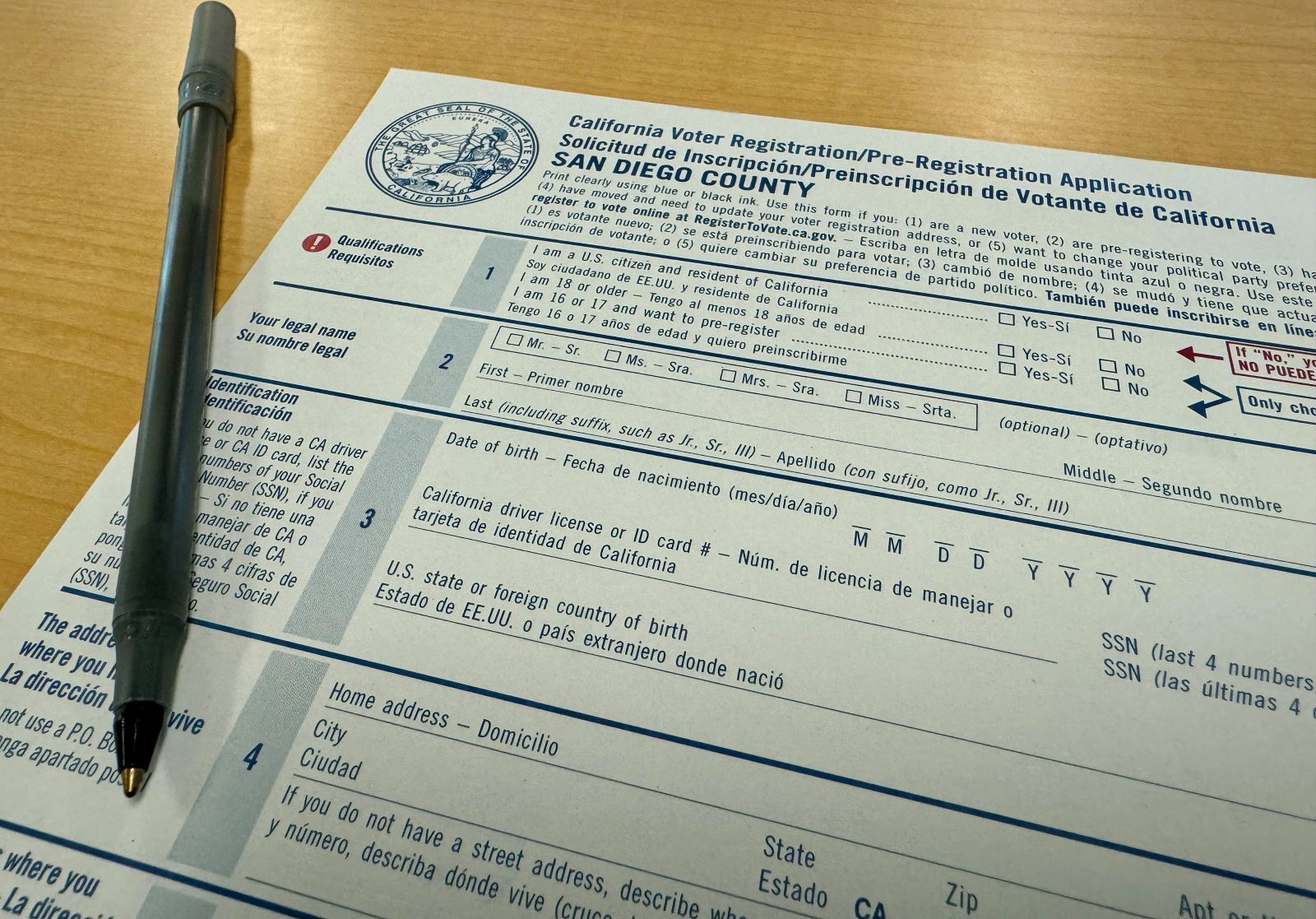
Key Highlights
- Mandatory Proof of Citizenship: Individuals must provide certified or original documentation to prove U.S. citizenship when registering or updating voter registration information.
- In-Person Verification and Changes to Registration Process: The act requires in-person presentation of documents, eliminating the traditional methods of online or mail-in voter registration.
- Voter Roll Integrity and Enforcement: States are mandated to employ federal and state databases for extensive voter roll checks, with severe penalties for election officials if errors occur.
Detailed Overview of the SAVE Act
Introduction and Aim
The Safeguard American Voter Eligibility (SAVE) Act is proposed legislation designed to ensure that only individuals who can prove their U.S. citizenship are eligible to register and vote in federal elections. The bill represents a significant amendment to the National Voter Registration Act of 1993 and is aimed at strengthening the integrity of electoral processes by fixing eligibility concerns while also mandating a more stringent verification process.
In essence, the SAVE Act is predicated on the idea that requiring documentary proof of citizenship is paramount in preserving election integrity. While the act purports to secure the democratic voting system, it also introduces complex changes to state registration procedures and voter roll maintenance practices.
Core Elements of the Legislation
1. Proof of Citizenship Requirement
At the heart of the SAVE Act is the mandate that every voter registration or update must be accompanied by original or certified documentation proving U.S. citizenship. Acceptable forms of identification include:
- A valid U.S. passport
- Birth certificate coupled with a government-issued photo ID
- Naturalization certificate
- REAL ID-compliant identification explicitly indicating citizenship
- Military ID, in certain circumstances, where applicable
This provision essentially eliminates the previous system based on attestation under penalty of perjury. Instead, it relies on tangible, verified documents to confirm citizenship, leaving little room for ambiguity about a voter's eligibility.
2. Registration Process Reforms
The act introduces sweeping changes in how voter registration is conducted:
- In-Person Documentation Requirement: Under the new rules, individuals must visit their local election office to register to vote or to update their registration details. This means that entirely online or mail-in registration systems, which have historically been used to increase voter participation and convenience, would become limited or effectively obsolete.
- Effect on Temporary or Provisional Methods: Although provisional ballots remain an option, the underlying mechanism ensures that voters must present proof of citizenship within a specific time after casting a provisional ballot. This adds a layer of complexity for those who might otherwise have cast a provisional vote in unclear situations.
- Changes for Existing Voters: The legislation does not only affect new registrants. It also applies retroactively, meaning that current voters who need to update their information (due to name changes, relocation, or party affiliation changes, for example) are required to produce the specified documentation.
The requirement for in-person verification could lead to higher administrative burdens both on voters and on state election officials. Although designed to safeguard electoral integrity, critics argue it may create logistical challenges, especially in remote or underserved communities.
3. Voter Roll Verification and Maintenance
In an effort to ensure that state voter rolls exclusively contain eligible citizens, the SAVE Act outlines rigorous verification processes:
- Database Integration: State election officials will have access to both federal and state databases. This allows them to verify the validity of submitted documents and to compare the information against existing records. The integration is intended to facilitate systematic audits of voter rolls.
- Retroactive Auditing: Beyond verifying new registrants, the law also mandates retroactive reviews of existing voter rolls. This means that individuals’ citizenship statuses can be re-assessed, potentially leading to removal from the rolls if discrepancies are found.
- Database Cutoffs: The updated system should operate within specified time limits (commonly within 30 days following enactment) to confirm citizenship for newly registered voters, which is presumed to contribute to a more accurate and current database of eligible voters.
The proactive approach of retroactive auditing is designed to eliminate inaccuracies on voter rolls; however, it also carries the controversial risk of disenfranchising eligible voters if administrative errors occur.
4. Enforcement, Penalties, and the Role of Election Officials
A significant aspect of the legislation involves stringent penalties for missteps by state and local election officials:
- Criminal Penalties: Election administrators could face criminal charges, including potential prison sentences of up to five years, if they register a voter without the necessary documented proof of citizenship. This serves as a deterrent against oversight or administrative errors in the verification process.
- Legal Accountability: The prospect of such severe consequences places substantial pressure on election officials to maintain rigorous documentation practices. This degree of accountability is intended to ensure compliance but could also lead to a climate of fear and overly cautious handling of registration processes.
This enforcement mechanism is intended to secure electoral integrity from the administrative side, ensuring that only those who fulfill the citizenship documentation requirement are processed as voters.
5. Implications for Voter Access and Representation
While proponents of the SAVE Act claim that the measures will enhance electoral integrity, critics contend that the changes introduce several issues:
- Disenfranchisement Risks: Critics worry that the additional documentation requirement could be particularly burdensome for marginalized communities. Groups that might be disproportionately affected include individuals from low-income households, older voters, young first-time voters, and minority groups who may face additional challenges in obtaining the necessary legal documents.
- Administrative Barriers: The necessity for in-person registration places logistical and physical barriers on voters, especially those living in rural areas or those who have limited access to reliable transportation.
- Impact on Third-Party Registration Drives: The mandate for personal appearance and document verification inhibits the effectiveness of third-party voter registration drives, which have been an important tool in increasing voter participation, particularly in community-based and grassroots initiatives.
These issues underline a fundamental debate over balancing electoral security with ensuring broad civic participation. Although intended to secure the process, stringent procedures may unintentionally limit voter engagement.
Comparative Overview Table
| Element | Details |
|---|---|
| Proof of Citizenship | Requires presentation of certified or original documents such as passports, birth certificates with photo ID, naturalization documents, or REAL ID-compliant identification. |
| Registration Process | Mandates in-person verification at election offices; eliminates reliance on online and mail-in registration methods. |
| Database Verification | Uses state and federal databases for auditing and verifying voter registration eligibility; includes retroactive reviews of existing rolls. |
| Enforcement and Penalties | Election officials face harsh penalties, including possible imprisonment, for incorrect registration without proper documentation. |
| Voter Access | May disenfranchise millions due to increased documentation barriers, especially affecting marginalized groups and third-party voter registration initiatives. |
Policy Debate and Practical Considerations
Arguments in Support of the SAVE Act
Proponents of the SAVE Act argue that the legislation is a necessary step in protecting the integrity of federal elections. They maintain that:
- Ensuring that only U.S. citizens are registered to vote is fundamental to the legitimacy of federal elections.
- In-person verification and the stringent documentation requirements will reduce potential instances of fraud by providing a robust mechanism to confirm citizenship.
- The use of integrated databases to audit and maintain voter rolls ensures that electoral lists are accurate and eliminates outdated or erroneous registrations.
- Criminal penalties against election officials can serve as a strong deterrent against administrative negligence, thereby promoting rigorous compliance with voter registration standards.
Supporters view the act as a reform that aligns with broader calls for electoral integrity. They contend that the cost of potential disenfranchisement is outweighed by the benefits of preventing noncitizen turnout, even though current procedures already include some safeguards against such irregularities.
Arguments Against the SAVE Act
Critics have raised several concerns regarding the implications and practical execution of the SAVE Act:
- The requirement for in-person verification is seen as regressive, limiting accessibility for voters who depend on the convenience of online or mail-in registration methods.
- By imposing additional documentation hurdles, the act potentially disenfranchises millions of eligible voters who may struggle to obtain or present the necessary documents promptly.
- Vulnerable groups—such as low-income individuals, the elderly, and those in marginalized communities—are likely to be disproportionately affected due to systemic challenges in securing appropriate documentation.
- The threat of severe penalties on election officials may introduce a risk-aversion that could delay voter registration processes or lead to overly cautious administration, inadvertently excluding eligible citizens.
Critics argue that while enhancing security is essential, there are more balanced ways to achieve voter integrity without imposing such strict barriers that could undermine the principle of universal participation in the electoral process.
Legal and Administrative Considerations
Implementing the SAVE Act would require significant changes in the operational procedures of state election offices. These changes may include:
- Training personnel on new verification practices to handle original or certified documents.
- Investing in improved technological systems to integrate and cross-check data from federal and state databases efficiently.
- Adjusting existing processes to accommodate retroactive auditing, which might necessitate additional staff and resources.
- Developing clear guidelines and protocols that minimize the potential for human error, particularly in handling documentation and performing verification checks.
While the legislative intent is to tighten the verification process, the practical implementation could strain administrative resources, especially in areas with high voter volumes or limited infrastructural capability.
Impact on Political Participation and Community Dynamics
Community Outreach and Voter Registration Drives
Community-based voter registration initiatives have historically played a crucial role in ensuring that under-represented groups are informed about and participate in the electoral process. The SAVE Act, however, stands to significantly alter this landscape:
- The requirement for voters to appear in person curbs the flexibility of third-party organizations and community groups, which often rely on decentralized and mobile registration efforts to reach diverse populations.
- The act places greater responsibility on voters to secure and present exact documentation at election offices, reducing the efficacy of on-the-spot registration drives and potentially discouraging participation among groups with limited access to governmental documentation services.
- In communities where access to transportation or government offices is limited, this provision could lead to lower voter turnout and a reduced representation of minority or economically disadvantaged groups.
These factors fuel a broader debate about the balance between securing electoral integrity and maintaining broad-based voter participation—one that continues to be a contentious issue in modern electoral policy.
State Variation and Implementation Challenges
Given that the act sets forth a federal standard that must be implemented at the state level, there is significant variation in how states could adapt to these requirements:
- Some states may have already established robust verification systems and integrated databases, enabling relatively smoother transitions.
- Other states, particularly those with historically less-developed election infrastructures, might face challenges and delays in complying with the new documentation requirements, resulting in uneven impacts on voter registration across the nation.
- The need for substantial investment in new technologies and staff training further complicates the uniform implementation of the legislation, potentially leading to legal challenges or revisions down the line.
The diversity in state capabilities underscores one of the critical complexities in implementing the SAVE Act, suggesting that while the intent is uniform, the outcomes may significantly differ depending on local administrative capacity.
Conclusion and Final Thoughts
The SAVE Act represents a transformative approach to voter registration and eligibility verification within the United States. By mandating that all new registrations and updates require the in-person presentation of original or certified proof of U.S. citizenship, the legislation seeks to reinforce the integrity of federal elections and ensure that only eligible voters participate.
Key features include the strict documentation requirements, significant changes to the voter registration process, systematic voter roll verification via federal and state databases, and stringent penalties for election officials who fail to adhere to these standards. These changes are designed to mitigate the risk of noncitizen voting and reduce errors in the voter rolls.
However, the act also introduces substantial administrative challenges and has raised concerns regarding potential voter disenfranchisement, particularly among marginalized or under-resourced communities. In addition, its impact on third-party voter registration drives and the overall accessibility of the electoral process remains a major point of contention.
Ultimately, while the SAVE Act is framed as a measure to ensure electoral integrity, it necessitates a careful balancing act between enforcing secure registration standards and maintaining the inclusivity and accessibility that underpin a vibrant democratic process. The legislative debate continues to evolve as stakeholders on both sides of the issue weigh the benefits of enhanced security against the risks of unintentionally excluding a wide swath of eligible voters.
References
- GovTrack - HR22
- Congress.gov - H.R. 8281
- American Progress - The SAVE Act Overview and Facts
- Campaign Legal Center - What You Need Know About the SAVE Act
- Axios - SAVE Act: What to Know
Related Queries
Last updated February 21, 2025