
The Art of Greeting: Saying "Hello" in a Myriad of Ways
Exploring the Nuances and Variations of a Simple Salutation
The simple act of saying "hello" is a fundamental part of human interaction, a gateway to conversation, connection, and building relationships. While seemingly straightforward, the ways we greet each other are rich with cultural context, formality, and personal style. From a quick "hi" to a more elaborate salutation, the choice of greeting can significantly influence the tone and perception of an interaction.
Key Insights into Greetings
- Formality Matters: The appropriate greeting is heavily dependent on the context and relationship between individuals.
- Cultural Diversity: Greetings vary widely across different cultures, encompassing verbal, non-verbal, and even physical actions.
- Digital Greetings: The rise of digital communication has introduced new forms of greetings, from simple text messages to animated e-cards.
Verbal Greetings: More Than Just Words
The most common way to say "hello" is through spoken language. However, even within a single language like English, there's a spectrum of verbal greetings that convey different levels of formality and familiarity.
Formal Greetings
In professional settings, when addressing someone you don't know well, or in situations requiring respect and politeness, formal greetings are essential. These greetings establish a respectful distance and acknowledge the setting's conventions.
Standard Formal Greetings
The most widely accepted formal greetings in English include:
- "Hello" - A versatile and generally safe option for most formal situations.
- "Good morning/afternoon/evening" - Time-specific greetings that are always appropriate in formal contexts.
- "Greetings" - A more traditional and slightly more formal option.
Formal Greetings in Specific Contexts
Depending on the specific formal setting, greetings can become even more specific:
- In a professional email: "Dear [Name]," or "Hello [Name]," are standard. When addressing a group, "Hello team," or "Hello everyone," are suitable.
- At a formal event: "Ladies and gentlemen" is a formal way to address a large audience.
Using the recipient's name in a formal greeting adds a personal touch while maintaining professionalism.
Informal Greetings
Among friends, family, and in casual settings, informal greetings are the norm. These greetings are relaxed and friendly, reflecting a closer relationship.
Common Informal Greetings
Popular informal greetings in English include:
- "Hi" - A ubiquitous and friendly greeting.
- "Hey" - Very casual and widely used, especially in North America.
- "Hiya" - A more casual British English greeting.
- "What's up?" or "Wassup?" - Highly informal greetings often used to ask how someone is doing.
- "How's it goin'?" or "How are you doing?" - Casual ways to inquire about someone's well-being.
The choice between these depends on the level of closeness and regional variations in language.
Non-Verbal and Physical Greetings
Beyond spoken words, greetings often involve non-verbal cues and physical actions that can significantly alter the message conveyed. These vary greatly across cultures.
Cultural Variations in Greetings
Different cultures have distinct customs for greeting:
- Handshakes: Common in many Western cultures, a firm handshake is a standard greeting in both formal and informal settings.
- Bowing: In countries like Japan, bowing is a traditional sign of respect when greeting. The depth of the bow can indicate the level of respect.
- Kissing on the Cheek: Prevalent in many European and Latin American countries, the number of kisses and which cheek to start with can vary regionally.
- Nodding: A simple nod of the head can serve as a quick, informal greeting or acknowledgment.
- Waving: A common way to greet someone from a distance.
Understanding and respecting these cultural differences is crucial for effective cross-cultural communication.
People greeting each other with a handshake.

Digital Greetings in the Modern Age
The digital landscape has introduced a plethora of ways to say "hello," ranging from simple text messages to elaborate electronic cards.
Text and Online Messages
Sending a quick "hello" via text or online messaging is incredibly common today. These greetings are typically informal and can be accompanied by emojis or GIFs to add personality.
"Hello" in Text Messages
- Simple "Hello" or "Hi"
- "Hey there" - A friendly and slightly warmer option.
- Adding emojis like 👋 or 😊 can enhance the friendliness.
However, unsolicited "hello" messages from unknown numbers can sometimes be linked to spam or scam attempts, so caution is advised.
E-cards and Digital Greeting Cards
Electronic greeting cards, or e-cards, provide a more visually engaging way to send greetings for various occasions.
Popular E-card Platforms
Several websites specialize in offering digital greeting cards, often with options for personalization:
- American Greetings: Offers a wide selection of e-cards, including animated and personalized options like SmashUps™ and Creatacards™. They also provide some free e-cards.
- 123Greetings: Known for a large variety of free online greeting cards for numerous occasions.
- Blue Mountain: Provides original templates for both printable cards and e-cards.
- Jacquie Lawson Cards: Features charming animated cards, often with English themes.
- Greetings Island: Allows users to customize cards and invitations to download, print, or send online.
- JibJab: Specializes in personalized, funny e-cards where users can insert faces into animated videos.
- GroupGreeting and Kudoboard: Platforms designed for creating group cards where multiple people can sign.
These platforms allow users to add personal messages, photos, and sometimes even choose music, making the digital greeting a more complete experience.
Examples of digital greeting cards.
This video demonstrates various websites offering digital greeting cards that can be personalized and sent online.
Saying "Hello" Around the World
Greetings are not limited to English. Exploring how different languages and cultures say "hello" highlights the diversity of human expression.
Greetings in Various Languages
Here's a brief look at how "hello" is said in a few different languages:
| Language | Formal Greeting | Informal Greeting |
|---|---|---|
| Spanish | Hola | Hola |
| French | Bonjour (during the day), Bonsoir (in the evening) | Salut |
| German | Guten Tag | Hallo |
| Italian | Buongiorno (during the day), Buonasera (in the evening) | Ciao |
| Japanese | Konnichiwa (during the day) | Ohayou (morning), Konbanwa (evening) |
| Mandarin Chinese | Nǐ hǎo | (Context dependent, often just name) |
| Hindi | Namaste, Namaskar | Hai, Helo |
This table illustrates the distinction between formal and informal greetings that exists in many languages, similar to English.
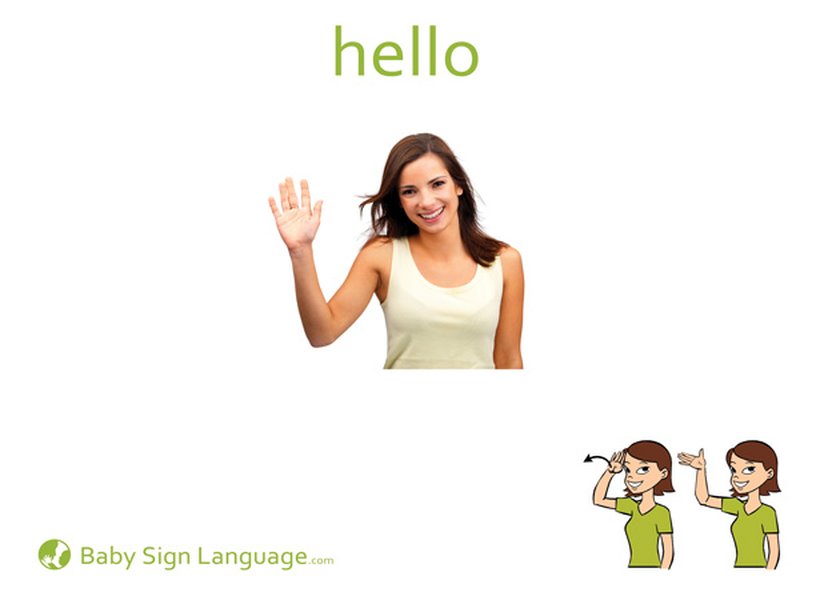
Visual representation of saying "hello" in sign language.
The Significance of a Greeting
Beyond simply acknowledging someone's presence, a greeting serves several important functions:
-
Initiating Interaction: It signals a desire to communicate.
-
Setting the Tone: The chosen greeting can establish whether the interaction will be formal or informal, serious or lighthearted.
-
Showing Respect: Using appropriate formal greetings demonstrates respect for the other person and the situation.
-
Building Rapport: Friendly and warm greetings can help establish a positive connection.
-
Acknowledging Presence: Even a simple nod or "hello" acknowledges the other person's existence and can prevent them from feeling ignored.
Frequently Asked Questions About Greetings
What is the most formal way to say "hello" in English?
The most formal ways to say "hello" include "Good morning/afternoon/evening" or simply "Hello" in a professional context. In very formal written communication, "Dear [Name]," is standard. Addressing a group formally might involve phrases like "Ladies and gentlemen" or "Esteemed colleagues."
Are there different ways to say "hello" in American and British English?
Yes, there are some regional variations. While "hello" and "hi" are universal, American English commonly uses "Hey" informally. British English might use "Hiya" in casual settings.
Is it okay to just say "hi" in a professional email?
Generally, it is better to use a more formal greeting like "Hello [Name]," or "Dear [Name]," in a professional email, especially for an initial contact. "Hi" is considered too informal for many professional contexts.
Why am I receiving random "hello" texts?
Random "hello" texts from unknown numbers can be spam or scam attempts. Cybercriminals use these simple messages to initiate contact. It could also simply be a case of someone mistyping a phone number.
Can I use e-cards for any occasion?
Yes, e-card platforms offer greetings for a vast array of occasions, including birthdays, holidays, anniversaries, thank yous, and just because.
References
Last updated May 4, 2025