
Key Educational Theories Behind Simulation-Based Medical Education
Understanding the Foundations of Effective Medical Training
Key Takeaways
- Integration of Multiple Learning Theories: SBME combines theories such as Adult Learning, Experiential Learning, and Constructivist Learning to provide comprehensive educational experiences.
- Emphasis on Active and Reflective Practice: Through simulation, learners engage in active experimentation and reflective observation, enhancing critical thinking and clinical decision-making skills.
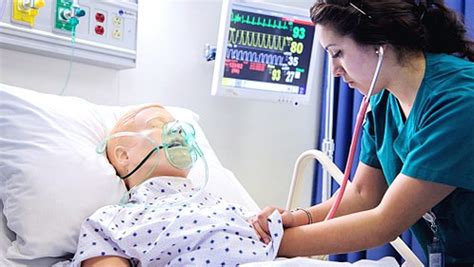
- Safe and Structured Learning Environment: SBME offers a controlled setting for repetitive practice, immediate feedback, and development of professional competencies without risk to patients.
Foundational Educational Theories
1. Adult Learning Theory (Andragogy)
Adult Learning Theory emphasizes that adults learn best when they are self-directed, motivated, and when learning is relevant to their real-world experiences. SBME aligns with these principles by offering hands-on, practical experiences that mirror clinical practice. Learners take ownership of their education, engaging with realistic clinical scenarios that promote immediate application of knowledge and skills.
2. Experiential Learning Theory (Kolb's Learning Cycle)
Kolb's Experiential Learning Theory posits that learning is a cyclical process involving Concrete Experience, Reflective Observation, Abstract Conceptualization, and Active Experimentation. SBME facilitates this cycle by allowing learners to participate in simulated clinical scenarios (Concrete Experience), reflect on their performance during debriefing sessions (Reflective Observation), derive theoretical insights (Abstract Conceptualization), and apply these insights in subsequent simulations or real-life situations (Active Experimentation).
3. Social Cognitive Theory
Social Cognitive Theory underscores learning through observation, imitation, and modeling within a social context, with self-efficacy being a critical component. In SBME, learners observe and practice clinical skills in a controlled environment, often receiving feedback from peers and instructors. This collaborative learning fosters confidence and mastery of clinical competencies through repeated practice and reinforcement.
4. Cognitive Load Theory
Cognitive Load Theory highlights the importance of managing the mental effort required for learning. SBME scenarios are designed to balance complexity, ensuring that learners are neither overwhelmed nor under-challenged. By carefully structuring information and tasks, SBME enhances retention and effectiveness of learning by optimizing cognitive load.
5. Constructivist Learning Theory
Constructivist Learning Theory posits that learners actively construct knowledge through experiences and interactions with their environment. SBME provides immersive, realistic scenarios where learners engage actively, solving problems and making decisions that reflect real-world clinical settings. This active engagement facilitates deeper understanding and knowledge retention.
6. Deliberate Practice Theory
Deliberate Practice Theory emphasizes focused, repetitive practice with specific goals and feedback to achieve mastery. SBME incorporates deliberate practice by allowing learners to repeatedly perform clinical tasks in simulations, receiving immediate feedback that helps refine their skills and enhance proficiency.
7. Transformative Learning Theory
Transformative Learning Theory involves critical reflection and perspective transformation, leading to deeper understanding and behavioral changes. SBME encourages reflective debriefing sessions where learners analyze their actions, challenge assumptions, and integrate new insights, fostering transformative growth in clinical decision-making and professional behavior.
8. Situated Learning Theory
Situated Learning Theory asserts that learning is most effective when it occurs in the context where it will be applied. SBME replicates real clinical environments, ensuring that learning is contextually relevant. This alignment facilitates the transfer of skills and knowledge from the simulation to actual patient care scenarios.
9. Behaviorism in Skill Acquisition
Behaviorism focuses on learning through reinforcement and repetition. In SBME, learners practice specific clinical behaviors repeatedly, receiving reinforcement through feedback to consolidate correct practices and discourage errors, thereby enhancing skill acquisition.
Implementation Principles in SBME
Creating a Safe and Structured Learning Environment
SBME ensures psychological and emotional safety by providing a low-risk environment where learners can make mistakes without harming patients. This safety fosters motivation, encourages participation, and supports the development of competencies.
Structured Debriefing and Reflection
Debriefing sessions are integral to SBME, offering learners the opportunity to reflect on their performance, receive feedback, and internalize lessons learned. These structured reflections enhance critical thinking and promote continuous improvement.
Progressive Complexity and Integration with Curriculum
Simulations are designed with progressive complexity, aligning with the learners' advancing knowledge and skills. This scaffolding ensures appropriate challenge levels, facilitating effective learning. Additionally, SBME is integrated with the broader medical curriculum, reinforcing theoretical knowledge through practical application.
Clear Learning Objectives and Immediate Feedback
Each simulation is crafted with explicit learning objectives, ensuring that activities target specific competencies. Immediate feedback during and after simulations helps learners adjust their techniques and deepen their understanding, leading to more effective skill acquisition.
Team-Based Learning and Clinical Decision-Making Development
SBME incorporates teamwork and communication theories by engaging learners in team-based simulations. This approach enhances collaborative skills, leadership, and collective decision-making, which are essential in high-stakes medical environments.
Advantages of SBME Based on Educational Theories
| Educational Theory | Application in SBME | Advantages |
|---|---|---|
| Adult Learning Theory | Self-directed, relevant learning experiences | Enhanced motivation and relevance to clinical practice |
| Experiential Learning | Concrete experiences through simulations | Deeper understanding and application of knowledge |
| Social Cognitive Theory | Observation and feedback from peers and instructors | Increased self-efficacy and collaborative skills |
| Cognitive Load Theory | Managed complexity in scenarios | Improved information retention and skill acquisition |
| Constructivist Learning Theory | Active problem-solving and critical thinking | Enhanced knowledge construction and retention |
| Deliberate Practice | Repetitive practice with feedback | Mastery of clinical skills and techniques |
| Transformative Learning Theory | Critical reflection during debriefing | Behavioral change and improved clinical decision-making |
| Situated Learning Theory | Realistic clinical contexts | Effective transfer of skills to real-world settings |
| Behaviorism | Reinforcement of desired behaviors | Consolidation of correct clinical practices |
Conclusion
Simulation-Based Medical Education leverages a multitude of educational theories to create comprehensive, immersive, and effective learning experiences for healthcare professionals. By integrating principles from Adult Learning, Experiential Learning, Social Cognitive Theory, and others, SBME facilitates the acquisition of clinical competencies, critical thinking, and professional behavior in a safe and structured environment. This multifaceted approach ensures that medical training is both relevant and impactful, ultimately contributing to enhanced patient care and safety.
References
Last updated January 19, 2025