
Evaluating the Impact of SCAs: Beyond Symbolic Gestures
Exploring the Role of Enforcement in Driving Substantive Change Through Securities Class Actions and Other Applications of SCA
The assertion that, without stringent enforcement mechanisms, certain applications of "SCA" risk becoming mere symbolic gestures rather than catalysts for substantive change is a critical point raised by various commentators and analyses. The effectiveness of any regulatory or legal framework, including those where "SCA" is a relevant acronym, is intrinsically linked to the robustness of its enforcement. This concept applies across diverse fields where SCA might be used, from securities class actions and cybersecurity to service contracts and even medical contexts like Spinocerebellar Ataxias.
Key Insights on SCA Effectiveness and Enforcement
- Securities Class Actions (SCAs) as Enforcement Tools: SCAs are viewed by some as an effective mechanism for the private enforcement of market regulation, potentially driving internal and external discipline within companies following alleged misconduct. However, their impact is heavily reliant on the legal and regulatory environment facilitating successful litigation and meaningful outcomes.
- Enforcement in Regulatory and Legal Frameworks: Across various domains such as the Stored Communications Act (SCA), the Service Contract Act (SCA), and Strong Customer Authentication (SCA) under PSD2, the ability of authorities (like the DOL's Wage and Hour Division, OSHA, or financial regulators) to enforce compliance is paramount to achieving intended security, labor, or consumer protection goals.
- The Nature of Symbolic Gestures vs. Substantive Change: A "symbolic gesture" signifies intent or a stance without necessarily causing tangible real-world effects. "Substantive change," in contrast, implies concrete, measurable alterations in behavior, outcomes, or conditions. The presence and effectiveness of enforcement mechanisms are often the delineating factor between the two.
Securities Class Actions (SCAs): Enforcement and Discipline
In the realm of finance and corporate governance, Securities Class Actions (SCAs) are a significant form of private enforcement. These actions allow groups of investors to collectively sue companies for alleged violations of securities laws. Proponents argue that SCAs serve as a vital deterrent against corporate fraud and mismanagement, supplementing public enforcement efforts by regulatory bodies like the SEC.
SCAs as Catalysts for Corporate Discipline
Research suggests that SCAs can indeed act as a catalyst for promoting disciplinary actions within companies. This can manifest in various ways, including disciplinary takeovers, changes in CEO leadership, and reductions in executive compensation. The financial and reputational costs associated with SCAs can incentivize companies to improve their compliance and governance structures.
The Role of Private Enforcement in Market Regulation
Some academic perspectives support the idea that SCAs are an effective tool for the private enforcement of market regulation. They provide a mechanism for aggrieved investors to seek redress and hold companies accountable, contributing to overall market integrity. However, the effectiveness of this private enforcement is not automatic. It depends on several factors, including the legal framework governing securities litigation, the willingness of courts to certify classes and hear cases, and the ability of plaintiffs' attorneys to successfully litigate complex financial matters.
The costs associated with SCAs, including significant attorneys' fees and expenses, highlight the financial implications of these legal battles. While these costs can be substantial, they are often viewed as a necessary component of a system that incentivizes private parties to undertake the complex and resource-intensive process of challenging corporate misconduct.
Challenges to SCA Effectiveness
Despite their potential, the impact of SCAs can be limited if enforcement mechanisms are weak or easily circumvented. Critics might argue that without robust discovery processes, sufficient legal expertise among judges and juries, and a genuine threat of significant liability, SCAs could become more about settlement and less about fundamental corporate change. The perception that directors may suffer little reputational penalty following an SCA, as suggested by some findings, could also undermine their deterrent effect.
Enforcement Across Diverse SCA Applications
The acronym SCA appears in various other contexts, each with its own enforcement considerations. The principle remains consistent: without enforcement, the intended purpose of the regulation or system is diluted.
The Stored Communications Act (SCA) and Law Enforcement Access
The Stored Communications Act (SCA) governs how electronic communication service providers can disclose user information to government entities. While the Act establishes rules for law enforcement access, its effectiveness in protecting user privacy depends on how stringently these rules are enforced and interpreted by the courts. Debates surrounding governmental action under the SCA often center on the balance between national security/law enforcement needs and individual privacy rights. Without clear guidelines and consistent judicial oversight, the SCA's protections could become less substantive.
Service Contract Act (SCA) and Labor Protections
The McNamara-O'Hara Service Contract Act (SCA) applies to employers providing services to the federal government, requiring them to pay prevailing wages and fringe benefits. The Department of Labor's Wage and Hour Division is responsible for enforcing the compensation requirements, while OSHA enforces safety and health standards. The ability of these agencies to conduct investigations, issue penalties, and ensure compliance is crucial. If enforcement is lax, contractors might disregard the requirements, turning the SCA into a less effective tool for protecting service workers' rights.
Strong Customer Authentication (SCA) in Payments
Under the second Payment Services Directive (PSD2) in Europe, Strong Customer Authentication (SCA) is a requirement designed to add security layers to electronic payments. The enforcement of SCA by financial regulators is essential to reducing online payment fraud. Without consistent application and monitoring, the security benefits of SCA would not be fully realized, potentially making it a more symbolic measure of security rather than a truly effective one.
The Nature of Symbolic Gestures
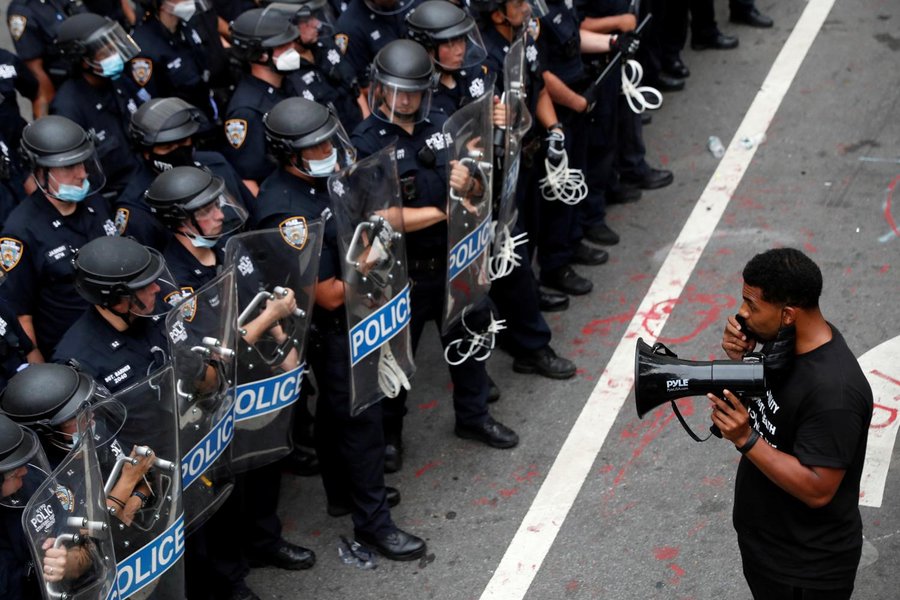
The concept of a "symbolic gesture" is relevant in various societal and political contexts. A symbolic gesture is an action that holds meaning or signifies a stance but may not have a direct or substantial impact on the underlying issue. While symbolic gestures can be important for raising awareness or expressing solidarity, they can be criticized if they are not accompanied by concrete actions and effective enforcement mechanisms that lead to tangible change.
Symbolic Gestures in Communication and Society
In communication, symbolic gestures, such as emblems or pantomimes, convey meaning. In a broader societal sense, actions can be symbolic if they are primarily performative rather than impactful. The criticism leveled against SCAs, in the user's query, suggests a concern that the *process* of initiating an action (like filing a lawsuit or enacting a regulation) might occur, but without sufficient follow-through in enforcement, the action fails to achieve its intended substantive outcome. This aligns with the criticism of symbolic interactionism in sociology which, at times, is seen as focusing too much on micro-level interactions and potentially neglecting larger social structures and power dynamics that influence the effectiveness of actions.

Ensuring Substantive Change Through Enforcement
To move beyond symbolic gestures and ensure substantive change, robust enforcement mechanisms are crucial. This involves several components:
Clear Regulations and Standards
Well-defined regulations and standards provide the basis for enforcement. Ambiguity in rules can make enforcement difficult and inconsistent.
Adequate Resources for Enforcement Bodies
Enforcement agencies require sufficient funding, staffing, and expertise to effectively monitor compliance, investigate violations, and pursue legal action when necessary. Under-resourced agencies may struggle to keep pace with the scope of their responsibilities.

Deterrent Penalties and Consequences
Penalties for non-compliance must be significant enough to deter violations. If the cost of non-compliance is less than the cost of compliance, regulated entities may choose to disregard the rules.
Transparency and Accountability
The enforcement process should be transparent, and enforcement bodies should be accountable for their actions. This builds public trust and ensures that enforcement is applied fairly and consistently.
Facilitating Private Action
In contexts like securities law, facilitating private litigation through mechanisms like class actions, when appropriate, can significantly augment public enforcement efforts. This requires ensuring access to justice and addressing potential barriers to private litigation.
Table: Contrasting Symbolic Gestures and Substantive Change in SCA Contexts
This table illustrates the distinction between symbolic actions and substantive change across different interpretations of the SCA acronym, emphasizing the role of enforcement.
| SCA Context | Potential Symbolic Gesture (Without Stringent Enforcement) | Potential Substantive Change (With Stringent Enforcement) |
|---|---|---|
| Securities Class Actions (SCAs) | Filing of lawsuits that result in small settlements with little impact on corporate governance or behavior. | Successful litigation or credible threat of litigation leading to significant financial penalties, changes in management, improved internal controls, and deterrence of future misconduct. |
| Stored Communications Act (SCA) | Having rules on the books for government access to data that are easily bypassed or broadly interpreted, leading to unwarranted surveillance. | Strict adherence to legal processes for data access, judicial oversight, and accountability for improper access, protecting individual privacy. |
| Service Contract Act (SCA) | Government contracts including SCA clauses that are not monitored for compliance, resulting in underpayment of workers or unsafe working conditions. | Proactive investigations, enforcement actions, recovery of back wages, and penalties for non-compliant contractors, ensuring fair labor practices. |
| Strong Customer Authentication (SCA - PSD2) | Having SCA requirements that are poorly implemented or widely exempted, leading to continued vulnerability to online fraud. | Consistent application of multi-factor authentication, effective fraud monitoring, and penalties for non-compliant payment service providers, significantly reducing fraud. |
Beyond Legal and Regulatory SCAs
It is worth noting that the acronym SCA also appears in other contexts, such as Spinocerebellar Ataxias (SCAs), a group of neurodegenerative disorders. While the enforcement discussion in the user query is primarily relevant to regulatory and legal frameworks, the principle of needing effective mechanisms to achieve desired outcomes still holds, albeit in a different form. In the context of Spinocerebellar Ataxias, achieving "substantive change" means developing effective treatments and therapies. This requires rigorous scientific research, clinical trials, and regulatory processes to ensure the safety and efficacy of new interventions. Without effective mechanisms for research and drug development, efforts to combat SCAs could remain largely symbolic.
FAQ
What is the primary argument made by critics regarding SCAs and enforcement?
Critics argue that without strong and consistent enforcement, various applications of "SCA" (such as Securities Class Actions, the Stored Communications Act, or the Service Contract Act) may not lead to meaningful, tangible changes in behavior or outcomes, effectively becoming symbolic actions without real impact.
How do Securities Class Actions (SCAs) act as an enforcement mechanism?
Securities Class Actions allow private investors to collectively sue companies for securities violations. The threat of significant financial penalties, legal costs, and reputational damage can incentivize companies to comply with regulations and improve their corporate governance, acting as a form of private enforcement.
What are some examples of SCA applications where enforcement is crucial?
Examples include the Stored Communications Act (regulating government access to electronic communications), the Service Contract Act (setting wage and safety standards for federal contractors), and Strong Customer Authentication under PSD2 (enhancing security for online payments). In all these cases, effective enforcement is necessary to achieve the intended protections and objectives.
What is the difference between a symbolic gesture and substantive change?
A symbolic gesture is an action that conveys meaning or intent but may not have a significant real-world impact. Substantive change, on the other hand, refers to tangible, measurable alterations in conditions or behavior. The presence of strong enforcement mechanisms is often what distinguishes an action leading to substantive change from one that is merely symbolic.
What factors contribute to effective enforcement?
Effective enforcement relies on clear regulations, adequate resources for enforcement bodies, deterrent penalties for non-compliance, transparency and accountability in the enforcement process, and, in some cases, the facilitation of private legal action.
References
Last updated April 25, 2025