
Scalable Network Infrastructure Solutions for Enterprises
An in-depth guide to building resilient, flexible, and secure networks
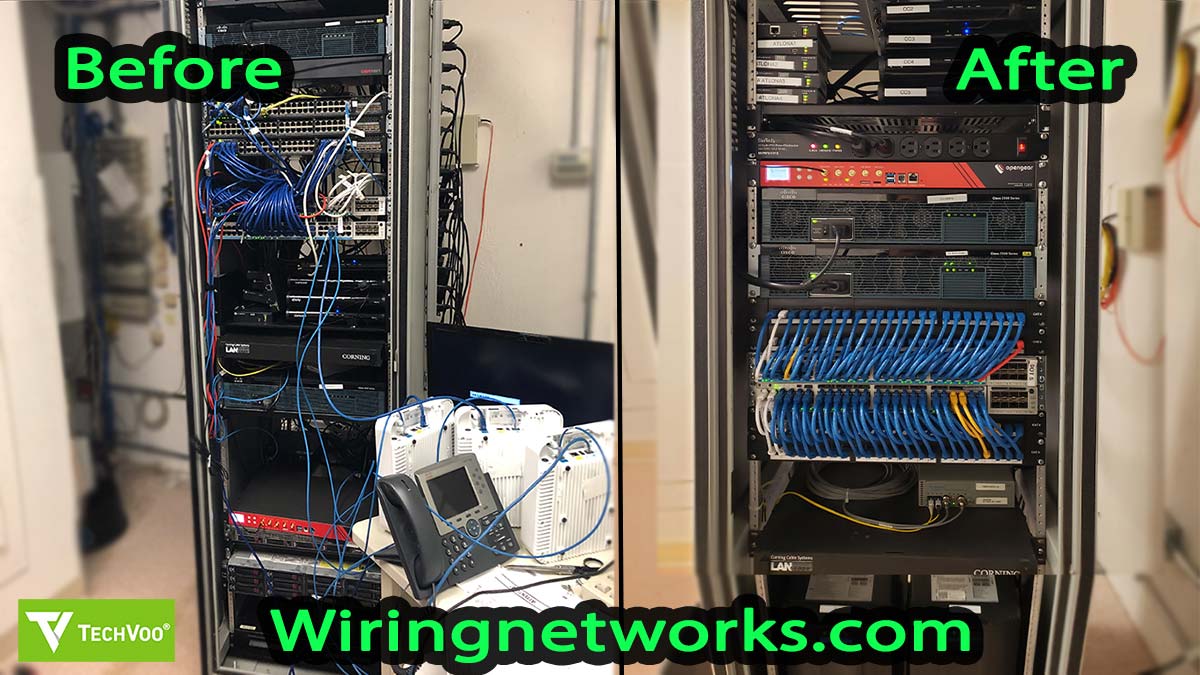
Key Highlights
- Flexibility and Future-Proofing: Emphasize adaptive network design, virtualization, and integration of cloud technologies.
- Performance and Security: Ensure high-capacity hardware, robust security measures, and Quality of Service (QoS) protocols.
- Automation and Monitoring: Leverage automation, continuous monitoring, and scalable management practices to enhance efficiency and reliability.
Introduction
In today’s digital transformation era, enterprises require network infrastructures that not only support current operations but also have the flexibility to grow with evolving business requirements. Scalable network infrastructures are integral to accommodating increased data, higher traffic volumes, diversified applications, and more complex security demands. This comprehensive guide explores the various components, strategies, technologies, and best practices for developing and maintaining scalable network solutions within enterprise environments.
Understanding Scalable Network Infrastructure
Scalability in the context of network infrastructure refers to the system’s ability to handle growth—in terms of data traffic, number of connected devices, and expanding business operations—without causing performance degradation. As enterprises grow, the network infrastructure must adapt seamlessly to changes in workload, evolving technological advancements, and emerging cybersecurity challenges. This adaptability is achieved through various integrated strategies, including flexible network design, robust hardware investments, advanced security measures, and continuous performance optimization.
Defining Network Scalability
Network scalability is defined by an infrastructure's capacity to support significant increases in demand while maintaining high performance, low latency, and robust security. This involves architectural planning that anticipates future needs and employs modular components that can be expanded incrementally. The idea is to move away from monolithic systems to flexible, distributed networks that can be upgraded and reconfigured with minimal disruption.
Components of Scalable Network Design
A scalable network infrastructure is built on several key components which work in tandem to ensure flexibility, performance, security, and cost efficiency:
Flexible Network Topology
Network topology refers to the arrangement and interconnection of various network elements. A flexible topology, such as a mesh or hybrid network, allows multiple data pathways, reducing bottlenecks and providing redundancy. Mesh networks in particular offer numerous alternative routes for data transmission, which also results in enhanced reliability and lower downtime. Hybrid networks combine the stability of traditional networking with the adaptability of modern communication protocols.
High-Capacity and Scalable Hardware
Physical infrastructure plays a critical role in ensuring network scalability. Investing in high-capacity routers, switches, and servers lays the foundation for increased data throughput and reliability. Modern hardware is designed for scalability, allowing enterprises to add components like additional interfaces or modules as demand increases. Equipment should ideally support high-speed data transfers while offering interoperability with emerging technologies.
Virtualization and Cloud Integration
Virtualization technologies enable the abstraction of network resources, making them available on-demand. Virtual networks, such as those implemented through software-defined networking (SDN) and software-defined wide area networks (SD-WAN), offer tremendous flexibility. They enable dynamic allocation of resources and support seamless integration of cloud services, which further enhance scalability by shifting workloads to more efficient and distributed systems.
Security Measures and Network Segmentation
As networks scale, so do security risks. Incorporating robust security measures such as firewalls, intrusion detection systems (IDS), encryption protocols, and strict access controls becomes vital. Network segmentation, which involves dividing the network into smaller, more manageable sub-networks, enhances security by isolating sensitive data and ensuring that breaches in one segment do not easily propagate throughout the entire network.
Quality of Service (QoS) and Load Balancing
Quality of Service (QoS) techniques are crucial in prioritizing mission-critical applications and traffic types. Through QoS, enterprises can define policies that ensure fast and consistent network performance for important tasks even when overall traffic is high. Load balancing distributes network traffic evenly across multiple servers or connections, preventing any single node from becoming a bottleneck, and thereby maintaining consistent performance.
Automation and Proactive Monitoring
Automation in network management minimizes manual tasks and reduces the likelihood of human error. Automated systems can deploy changes, update configurations, and run preventative maintenance routines. Moreover, continuous monitoring through integrated analytics and smart monitoring systems provides real-time insights into network performance. Proactive monitoring identifies potential issues before they escalate, ensuring that the network remains optimized for performance and security.
Strategies to Build a Scalable Network Infrastructure
Designing a scalable network infrastructure requires a multi-faceted approach that integrates planning, technology selection, implementation, and continuous improvement. Below is an in-depth look into the strategies enterprises can adopt:
Comprehensive Network Planning
Effective planning is a cornerstone of scalable network design. This involves:
- Assessment of Current Infrastructure: Evaluate existing network components, performance metrics, and current limitations. This provides clarity on areas requiring immediate attention versus those that can support growth.
- Alignment with Business Objectives: Understand the company’s future directions and expansion plans. Networks must be designed so that technological upgrades enhance business processes while ensuring cost efficiency.
- Detailed Implementation Roadmaps: Develop a comprehensive step-by-step plan that highlights required hardware upgrades, software integrations, and projected timelines. Involve stakeholders across IT, operations, and security departments to ensure all requirements are met.
- Budgeting and Cost Management: Allocate funds for both immediate improvements and future expansions. Emphasize scalable investments that provide incremental improvements rather than large, upfront costs.
Selecting the Right Technologies and Tools
With a solid plan in place, the next step is to choose technologies that inherently support scalability:
Software-Defined Networking (SDN) and SD-WAN
Software-Defined Networking (SDN) separates the network’s control logic from the underlying hardware, enabling administrators to manage network services through abstraction of lower-level functionality. SD-WAN extends these principles to wide area networks, providing optimized and secure connectivity over vast distances. These technologies allow for centralized control, rapid deployment of network changes, and more agile responses to increased traffic or shifting business needs.
Cloud-Based Solutions
Cloud computing offers on-demand scalability by abstracting physical hardware complexities. Virtual networks hosted on cloud platforms can be provisioned and scaled quickly, permitting enterprises to seamlessly adjust to varying workloads. Hybrid cloud environments combine on-premises infrastructure with cloud services so that sensitive data can remain secure while benefiting from the cloud’s flexibility. This paradigm shift not only reduces capital expenditure on physical hardware but also enables dynamic resource allocation during peak times.
High-Capacity and Modular Hardware
Investing in modular hardware configurations ensures that network performance is not compromised as traffic increases. High-capacity routers, switches, and servers that are built to handle exponential data growth and support future technologies form the backbone of a scalable network. Modular designs allow for incremental upgrades and easier integration with new technologies without an expensive overhaul.
Building Robust Network Security
As networks expand, the attack surface tends to increase. To accommodate growth while ensuring data protection, adopting a layered security approach is essential:
- Firewalls and IDS: Deploying enterprise-grade firewalls and intrusion detection systems prevents unauthorized access and mitigates threats before they breach network defenses.
- Encryption Protocols: Implement end-to-end encryption to secure data both at rest and in transit. This ensures that critical information is protected from interception.
- Network Segmentation: By segregating the network into smaller, controlled segments, enterprises can restrict potential breaches, limiting the exposure of sensitive information in the event of a cyber incident.
- Regular Security Training: It is important to engage employees in regular security awareness programs and training sessions, ensuring that all staff are aware of best practices and emerging threats.
Enhancing Performance with QoS and Load Balancing
Maintaining optimal network performance as usage increases requires strategies that prioritize critical applications and distribute workloads evenly:
- Quality of Service (QoS): Configuring QoS protocols ensures that mission-critical applications—such as video conferencing, VoIP services, and enterprise applications—receive the necessary bandwidth priority during peak times.
- Load Balancing: Utilizing advanced load balancing techniques, network traffic is distributed over multiple servers or network paths. This prevents any single server from becoming a bottleneck, ensuring smoother user experiences and consistent performance even under heavy loads.
- Data Redundancy: Implement redundant network paths and backup systems to ensure continuity and reliability. Having multiple avenues for data transmission prevents downtime and helps maintain service integrity during component failures.
Leveraging Automation and Advanced Monitoring
The integration of automation in network management plays a pivotal role in not only reducing human error but also in ensuring that the network operates at peak efficiency. Automated network management tools can schedule maintenance, update firmware, and run diagnostic routines without requiring manual intervention.
Additionally, continuous monitoring systems capture key performance data, such as bandwidth usage, latency, packet loss, and CPU/memory utilization. Using machine learning and AI-enhanced analytics tools, IT departments can predict and address potential issues before they evolve into larger problems. This proactive management approach ensures that any anomalies are quickly identified and mitigated, thereby preserving the network’s scalability and performance.
Implementation: Practical Case Studies and Approaches
Implementing scalable network infrastructure within an enterprise context requires not only theoretical understanding but also practical considerations. The following section highlights practical case studies and approaches that organizations have successfully implemented to achieve scalable and resilient networks.
Case Study: Cloud-Integrated Network Expansion
An international retail enterprise planned to expand its digital storefront while maintaining a stable, secure, and efficient network to support increased online transactions and internal communications. They undertook the following steps:
- Assessment and Planning: A thorough audit of their existing infrastructure was performed to identify load capacities, performance metrics, and security vulnerabilities.
- Hardware Upgrades: Investments were made in high-capacity routers, switches, and servers capable of supporting increased user demands.
- Cloud Integration: A hybrid cloud model was implemented. Core applications were migrated to a secure cloud platform enabling dynamic resource scaling during peak shopping periods.
- SDN and Automation: The application of SDN principles allowed for rapid adjustments to network configurations, while automated monitoring systems assured prompt resolution of any performance hiccups.
- Security Reinforcement: Network segmentation and advanced security solutions, including real-time intrusion detection, maintained data integrity and safeguarded customer information.
The result was not only a resilient network architecture but also improved data throughput, enhanced security, and an infrastructure that supported both current needs and future expansion with minimal disruption.
Case Study: High-Performance Mission-Critical Systems
In another scenario, a financial institution needed to support its rapidly growing system of payment transactions and data analytics applications. The approach involved:
- Modular Hardware Deployment: Future-proofing the system by investing in modular switches and routers that could be upgraded incrementally.
- Quality of Service and Load Balancing: Implementing advanced QoS measures to guarantee that critical transaction data received optimal processing speed, even during high peak loads.
- Network Redundancy and Segmentation: Building in redundancy through alternative data pathways and segmenting different parts of the network to contain potential breaches and isolate system faults effectively.
- Continuous Monitoring and Proactive Maintenance: Using AI-driven analytics to continuously monitor the network, ensuring rapid fault detection and automated corrective responses.
This integrated solution provided high availability and performance, ensuring that mission-critical financial data transactions remained uninterrupted, secure, and efficient—thus supporting the bank’s rapid growth and technological advancements.
A Detailed Comparison of Scalable Network Components
Below is a table summarizing various aspects of scalable network infrastructure, including key components, benefits, and best implementation practices:
| Component | Key Features | Implementation Strategies |
|---|---|---|
| Flexible Topology | Mesh, Hybrid networks; multiple data paths | Design redundant network paths to reduce bottlenecks |
| High-Capacity Hardware | Scalable routers, switches, servers | Invest in modular and upgradable components |
| Virtualization & Cloud | SDN, SD-WAN; cloud integration | Migrate non-critical workloads to cloud; use virtualization to allocate resources |
| Security Measures | Firewalls, IDS, segmentation | Implement layered security and regular updates |
| Performance Optimization | QoS, load balancing | Prioritize traffic; distribute loads evenly |
| Automation & Monitoring | Automated routines, AI-driven alerts | Deploy continuous monitoring systems; set proactive maintenance protocols |
Long-Term Benefits for Enterprises
Investing in scalable network infrastructure provides a multitude of long-term benefits for enterprises:
- Adaptability: Scalable networks facilitate the seamless integration of new technologies, making it easier for organizations to evolve with market demands.
- Cost Efficiency: With modular investments and pay-as-you-grow solutions, companies are able to manage expenses without over-investing upfront.
- Enhanced Performance and Reliability: A well-designed network reduces downtime, offers redundancy, and consistently maintains high data transfer speeds—essential for mission-critical applications.
- Robust Security: With proactive security measures and continuous network monitoring, scalable infrastructures remain resilient against emerging cyber threats.
- Future-Proofing: Preparing the network for future technological advancements ensures that the infrastructure stays relevant and adaptive to organizational needs, whether it is for AI integration, big data analytics, or IoT deployments.
Implementation Challenges and Mitigation Strategies
While the advantages of implementing scalable network solutions are compelling, enterprises must also address several challenges:
- Integration with Legacy Systems: Modern network solutions often need to coexist with older systems. To mitigate compatibility issues, organizations can gradually phase in new technologies while using gateways or middleware to bridge gaps.
- Resource Management: Balancing immediate needs with long-term scalability can be challenging. Employing a phased investment strategy alongside continuous assessment of network performance helps ensure that resources are allocated effectively.
- Security Complexity: As networks expand, managing security becomes more complex. A comprehensive, layered security strategy combined with automated monitoring can minimize risk exposure and streamline incident response.
- Cost Control: Budget constraints may hamper extensive overhauls. A careful cost-benefit analysis that prioritizes scalable upgrades can help manage expenditures while delivering the required performance and security enhancements.
Future Trends in Scalable Enterprise Network Infrastructure
The landscape of network technology is continuously evolving, and enterprises have to be ready for the future. Several trends are shaping the way scalable networks will be designed in the coming years:
- Edge Computing Integration: The growth in Internet of Things (IoT) devices and the need for real-time data processing is driving the adoption of edge computing. This reduces latency by processing data closer to where it is generated and further complements scalable network policies.
- Artificial Intelligence and Machine Learning: These technologies are increasingly used in network monitoring and security management. AI-driven systems can predict and mitigate performance bottlenecks and security threats early on.
- 5G Connectivity: The proliferation of 5G networks will have profound implications for high-speed data connectivity. Enterprises will need infrastructures capable of integrating with and leveraging the speed and reliability that 5G provides.
- Increased Automation: As networks become more dynamic, increased automation will be essential to manage the rising complexity. Future networks will likely operate with minimal human intervention leveraging advanced orchestration platforms.
- Environmental Considerations: Energy efficiency and sustainability will become integral design criteria as enterprises seek to lower their carbon footprints. Modern network designs are expected to incorporate energy-saving technologies without compromising performance.
Conclusion
In summary, building a scalable network infrastructure is not merely about addressing current needs—it is an ongoing strategy that positions an organization for sustainable growth. By combining flexible network topologies, high-capacity hardware, and advanced software technologies such as SDN and SD-WAN, enterprises can construct networks that not only accommodate increasing data flows and diverse applications but also integrate seamlessly with cloud and virtualization solutions.
Equally crucial is the emphasis on robust security, Quality of Service, and continuous monitoring. Proactive automation helps mitigate potential pitfalls while ensuring operational efficiency. The long-term benefits of a scalable network include reduced downtime, cost efficiencies through modular investments, and the resiliency required to respond to unpredictable digital disruptions.
As technology continues to evolve rapidly with trends like edge computing, artificial intelligence-driven analytics, and 5G connectivity, enterprises must remain agile and forward-thinking in their network design and implementation strategies. Through consistent planning, execution, and iterative improvement, businesses can build infrastructures that are both resilient in the present and prepared for future opportunities.
References
- Exploring Scalability in Networking - Wrike
- How to Optimize Your Network Infrastructure Services for Efficiency - TechJournal
- Designing a Scalable and Resilient Network Infrastructure - Quora
- Building a Scalable Network Infrastructure - Network Poppins
- How to Build a Scalable IT Infrastructure - Gibraltar Solutions
Recommended Queries
 docs.aws.amazon.com
Last updated February 22, 2025