
The Importance of School Equipment in Education (2019-2024)
A comprehensive exploration of how modern tools and facilities have shaped the educational landscape
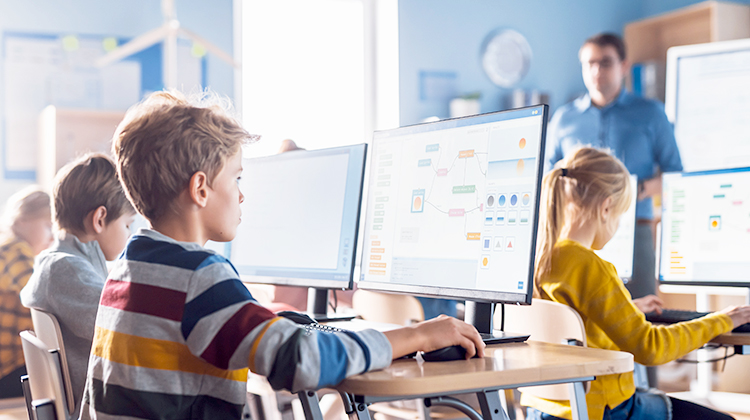
Key Takeaways
- Enhanced Student Engagement: The integration of digital tools and interactive equipment has revolutionized student participation and learning outcomes.
- Equitable Access and Adaptability: Advances in technology have broadened access to quality education, addressing the digital divide and encouraging adaptive teaching methodologies.
- Improved Teaching and Infrastructure: Modernized physical facilities, effective equipment management, and continuous professional development support innovative teaching practices and academic achievement.
Introduction
Between 2019 and 2024, the role of school equipment in education has evolved remarkably, shaped by technological advancement, shifting pedagogical approaches, and a growing emphasis on both digital and physical learning environments. This period witnessed dynamic changes in classroom resources ranging from interactive digital devices to the sustained improvement and maintenance of physical infrastructure. Educators and policymakers alike recognized that modern tools are not merely accessories but rather foundational elements that influence student engagement, equity in access, teaching effectiveness, and overall academic outcomes.
Digital Transformation and Equipment Integration
The onset of the COVID-19 pandemic accelerated the adoption of digital learning solutions across educational institutions worldwide. From 2019 to 2024, digital transformation in classrooms was at the forefront of educational reform. Schools quickly transitioned to remote and hybrid learning models, necessitating the integration of modern digital equipment such as laptops, tablets, interactive whiteboards, projectors, and even emerging technologies like virtual reality (VR) headsets and augmented reality (AR) devices.
Interactive Learning Tools
One of the fundamental shifts was the move from traditional pedagogical methods toward interactive, student-centered learning experiences. Interactive devices allowed teachers to design multimedia-rich lessons that engaged students more effectively than conventional lectures. Digital platforms enabled real-time quizzes, simulations, and collaborative exercises, which not only bolstered student engagement but also facilitated immediate feedback and adaptive learning. These changes helped transform passive students into active participants in the learning process.
Adaptive and Personalized Education
With adaptive learning technologies gaining traction, educational institutions could now provide personalized learning pathways. These tools track individual student progress and dynamically adjust content to suit varying levels of comprehension. The integration of smart algorithms in digital devices meant that students could receive customized material, making learning more efficient and tailored. For instance, adaptive learning platforms ensured that students facing difficulties in particular subjects received further remedial materials, while advanced learners were challenged with more complex content. This personalization system contributed significantly to improved academic outcomes and deeper understanding of the subject matter.
Blending Physical and Digital Resources
Although digital devices became increasingly prevalent, the importance of robust physical infrastructure remained undeniable. Classrooms continued to serve as physical learning spaces, and upgrades in school facilities were essential for ensuring a conducive learning environment. Renovated classrooms, improved lighting, ergonomic furniture, and state-of-the-art laboratories combined with digital enhancements created a blended ecosystem where traditional and modern educational methods coexisted harmoniously.
Impact on Teaching Effectiveness and Student Engagement
The educational advances observed between 2019 and 2024 have deep implications for both teaching methodologies and student outcomes. An enriched educational environment, empowered by modern equipment, offers several transformational benefits for educators and learners alike.
Empowering Educators with New Tools
Modern school equipment provides teachers with tools that enhance lesson planning, content delivery, and overall classroom management. The incorporation of digital devices has enabled teachers to employ multimedia content efficiently, making abstract concepts more accessible. These resources not only improve the clarity of instruction but also help educators innovate their teaching methods. Professionals receive targeted training in utilizing new digital tools, resulting in higher confidence and better classroom management practices.
Boosting Student Engagement
Interactive devices have had a profound impact on maximizing student engagement. When students interact with content directly through digital interfaces, they are more likely to retain information and develop a deeper passion for learning. This period saw the use of interactive whiteboards, digital laboratories, and hands-on projects that transformed theoretical lessons into captivating experiences. As students interact with simulations, respond to live polls, and collaborate on problem-solving tasks, their motivation and interest in subjects naturally increase.
Fostering Critical Thinking and Creativity
The infusion of various digital tools in classrooms has directly contributed to the development of critical thinking, problem-solving, and creative skills. Gamification techniques, for example, have helped students learn complex subjects through engaging scenarios that require strategic thinking and perseverance. These game-based learning approaches leverage reward systems—points, badges, and leaderboards—to encourage continuous improvement and healthy competition among peers. Additionally, hands-on projects using technology have nurtured creativity by allowing students to innovate and experiment without the fear of failure.
Equitable Access and Bridging the Digital Divide
One of the primary challenges in the evolution of school equipment has been ensuring equitable distribution of resources. The gap between schools in affluent areas and those in underprivileged regions became more evident, particularly with the increasing reliance on technology for education. From 2019 to 2024, substantial efforts were directed towards bridging the digital divide, making quality education accessible to every student, regardless of socioeconomic background.
Overcoming Socioeconomic Barriers
Many families, especially in lower-income areas, often found it challenging to afford expensive digital devices. Recognizing this, governments and educational organizations initiated programs aimed at providing subsidized or free school equipment to students. Initiatives such as back-to-school supply drives and public-private partnerships have helped ensure that all students were equipped with the necessary tools for modern learning. By doing so, schools helped level the playing field, enabling disadvantaged students to engage with the same high-quality materials as their more affluent peers.
Ensuring Digital Literacy
Equitable access to digital tools also plays a significant role in building digital literacy. In today’s technology-driven world, the ability to navigate digital platforms, utilize software, and manage online resources is essential for success. By integrating modern equipment into their curricula, schools have provided students with the skills necessary to thrive in a digital economy. Moreover, equitable access ensures that students from all backgrounds can develop problem-solving skills, ultimately contributing to more inclusive and competent future workforces.
Balancing Digital and Traditional Learning
While digital tools have transformed the way education is delivered, it is equally important to balance this with traditional methods to preserve comprehensive learning experiences. Although technology provides ample opportunities for personalized education, physical classroom settings are indispensable for social interaction and collaborative learning. Teaching strategies that integrate both modern digital equipment and classical resources promote a holistic education system, ensuring that students not only become proficient in using technology but also excel in interpersonal communication and teamwork.
Physical Infrastructure and Equipment Management
Even as digitalization surged, the importance of well-maintained physical infrastructure continued to be a cornerstone of educational success. Schools and educational institutions recognized that the quality of physical facilities directly influences student performance and well-being.
Modernizing Learning Spaces
Modern classrooms, laboratories, and libraries were redesigned with an emphasis on creating welcoming and stimulating environments. Investments in ergonomic furniture, improved indoor environmental quality, and advanced technical equipment have all contributed to safer, more engaging spaces for both teaching and learning. Adequate physical resources lend a sense of reliability and comfort, which is essential for fostering an atmosphere where students can focus on their studies.
Optimizing Equipment Management
Beyond acquiring new equipment, the efficient management and maintenance of school resources has become a priority. Advanced software solutions and automated systems have streamlined inventory management processes. Efficient equipment management not only ensures the longevity of resources but also minimizes operational costs, allowing schools to allocate funds more effectively across various needs. When devices and facilities are properly maintained, the risk of technical failures is minimized, thereby sustaining a continuous, uninterrupted learning process.
Safety and Sustainability Measures
A further critical aspect of physical infrastructure is the adherence to safety and sustainability standards. Between 2019 and 2024, educational institutions placed increased emphasis on ensuring the safety of school supplies and equipment. This included measures to eliminate harmful substances, such as lead and cadmium, and to foster the usage of eco-friendly materials in both construction and daily operations within schools. These efforts not only protect students' health but also promote an environmentally responsible approach to resource management.
Examples of Equipment Impact: A Detailed Table
| Category | Impact | Examples | Implementation Period |
|---|---|---|---|
| Digital Learning Tools | Enhances engagement, personalized learning | Laptops, tablets, interactive whiteboards, VR/AR | 2019–2024 |
| Physical Infrastructure | Improves classroom environment and safety | Modern classrooms, laboratories, ergonomic furniture | 2019–2024 |
| Adaptive Learning Platforms | Personalizes education, boosts academic outcomes | Adaptive software, learning management systems | 2019–2024 |
| Administrative Tools | Streamlines resource management and maintenance | Inventory management systems, scheduling software | 2019–2024 |
| Safety and Sustainability | Ensures health and eco-friendly practices | Non-toxic materials, energy-efficient facilities | 2019–2024 |
Innovative Trends and Future Outlook
The evolution of school equipment from 2019 to 2024 has laid the foundation for a paradigm shift in educational delivery. With the rapid pace of technological innovation, future trends are expected to build upon the advances made during this period.
Augmented Reality and Virtual Reality
Augmented and virtual reality integrations have begun to transform traditional classroom experiences. These technologies enable immersive learning experiences, where students can explore complex scientific concepts, historical events, and intricate mathematical scenarios through interactive simulations. The implementation of AR/VR adds depth to curriculum delivery, engaging students in experiential learning methods that were previously unimaginable.
Gamification and Experiential Learning
Gamification has proved to be a particularly effective strategy in boosting student motivation. By incorporating game-design elements such as points, badges, and leaderboards, educators have successfully captured student interest and instilled a continuous learning mindset. Moreover, experiential learning models, which emphasize hands-on practical experiences like internships, workshops, and real-world projects, are enabling students to bridge theoretical knowledge with practical application.
Integration of Artificial Intelligence
Artificial intelligence continues to emerge as a transformative educational tool. AI-powered systems can analyze student performance data, tailor learning experiences to individual needs, and even assist educators with administrative tasks. This increased reliance on AI is expected to further personalize education while freeing up teachers to focus on mentoring and fostering critical thinking skills among students.
Challenges and Considerations
Despite the tremendous benefits, the era of rapid digital transformation has also brought several challenges. Among these are the persistent digital divide, ensuring cybersecurity and data privacy, and the need for standardized training across faculty members. As schools and governments invest heavily in modernizing equipment, additional emphasis must be placed on providing universal access, creating robust support systems for educators, and implementing strict measures to protect student data in online environments.
Conclusion
In summary, the period between 2019 and 2024 marked a pivotal era in the evolution of educational tools and infrastructure. School equipment, encompassing both state-of-the-art digital devices and modernized physical facilities, has fundamentally altered how education is delivered and experienced. Innovations in interactive learning, personalized education through adaptive platforms, and enhanced classroom environments have collectively contributed to more robust teaching methodologies and improved student outcomes. Efforts to bridge the digital divide have been crucial in ensuring that every student, regardless of background, benefits from these advancements. As technology continues to evolve, the lessons learned during this period will guide future implementations, reinforcing the notion that quality education is inextricably linked to the availability and effective management of appropriate school equipment.
The comprehensive efforts during these years have highlighted not only the transformative power of digital inclusion but also the significant role that thoughtful infrastructure management plays in building conducive learning environments. By fostering an ecosystem where innovative teaching meets robust facilities, educational institutions are better prepared to meet contemporary challenges while paving the way for a future defined by equity, efficiency, and excellence.
References
- The Benefits of Technology Integration in Education in 2024 - Schoolizer
- Summary of Education Data - National Center for Education Statistics
- The Impact of School Facilities on Student Learning Engagement - Build Health
-
Educational Journal Article - eJournals Philippines
- Issues in Education - Adopt a Classroom
- School Supplies Cost and Back-to-School - USA Today
- Safer School Supplies Through Science - Ecology WA
- The School Supply Gap - Teach For America
- Schoolhouse Supplies for the 2023-2024 School Year - Schoolhouse Supplies
- Impact of School Supplies on Student Learning - Imprint
- Top Trends in School Playground Equipment for 2023 - Educational Play Environments
- Education Trends and Modern Equipment - Synthesia
More
Last updated February 18, 2025