
School Social Event and Announcement Management System for Improved Student Engagement
Integrating Digital Tools to Foster a Vibrant Educational Community
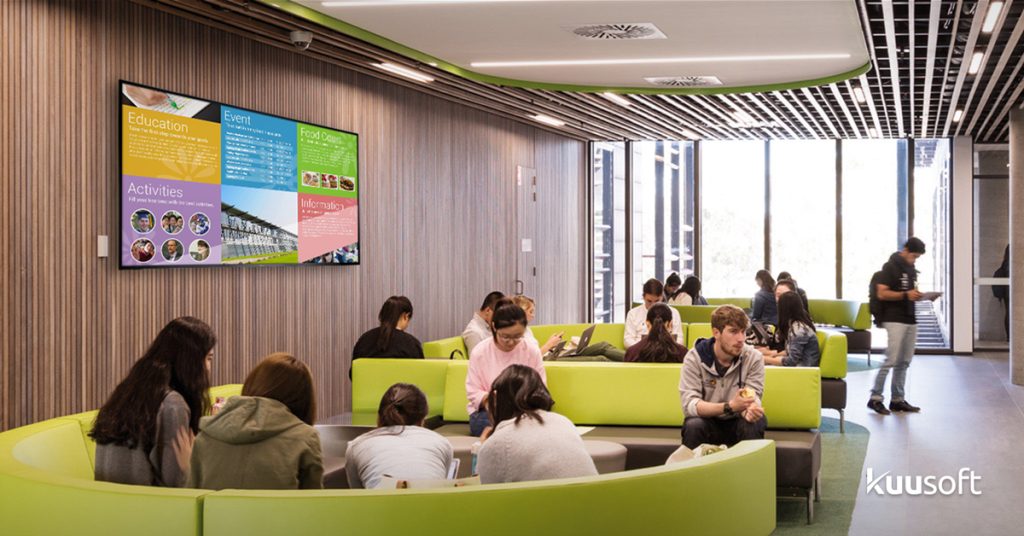
Highlights
- Centralized Event Coordination: One unified platform for managing school calendars, event details, and updates.
- Multi-Channel Communication: Integration with social media, mobile apps, emails, and SMS to ensure timely notifications.
- Data-Driven Engagement: Analytics, feedback, and attendee tracking that support informed decision-making to boost student participation.
Introduction
As educational institutions continue to embrace digital transformation, the need for an innovative approach to managing school events and announcements becomes increasingly critical. A robust school social event and announcement management system lays the foundation for enhanced student engagement by organizing event coordination, streamlining communication, and promoting community involvement. In a rapidly evolving digital landscape, such systems bridge the gap between administrative efficiency and building a dynamic school culture.
In this research paper, we examine the design and implementation of an integrated management system tailored for school social events and announcements. We emphasize the transformation of school engagement through technology by delving into the core components, strategies, and potential benefits. The system under discussion incorporates centralized event calendars, multi-channel communication, seamless integration with social media, and effective feedback mechanisms that collectively enhance student participation, academic performance, and community spirit.
Theoretical Framework and Importance of Student Engagement
Understanding Student Engagement
Student engagement is defined as the degree of attention, curiosity, interest, optimism, and passion that students show when they are learning or being engaged in school activities. Research evidences that higher levels of engagement are linked to improved academic achievements, more robust interpersonal relationships, and a significantly better overall school experience. Enhanced engagement fosters an environment where students not only learn academically but also participate socially, bolstering a sense of belonging and community.
Digital Transformation in Education
The digital transformation within education has introduced advanced tools and platforms that enable better management of school-related events. Digital management systems allow for:
- Efficient Administrative Processes: Reducing the administrative overhead by automating scheduling, attendance tracking, and real-time updates.
- Enhanced Communication: Using multi-channel notifications to inform students, parents, and staff efficiently.
- Interactive Engagement: Engaging students through interactive features like polls, feedback forms, and social media integration.
These features collectively contribute to a more connected and responsive school environment, ultimately driving increased student participation and interest in school activities.
Core Components of the Management System
1. Centralized Online Event Calendar
A centralized event calendar is the backbone of the management system. It consolidates all event data, including dates, times, locations, and detailed descriptions, into a single accessible platform. This feature not only provides a clear overview of school activities but also helps manage scheduling conflicts and ensures that students have access to up-to-date event information.
2. Multi-Channel Notification System
In today’s fast-paced digital world, constant and consistent communication plays a crucial role. An effective notification system that spans emails, SMS, mobile apps, and social media platforms ensures that every stakeholder receives timely updates. This multi-channel approach minimizes communication gaps and reinforces the significance of each event.
3. Social Media Integration
Given the strong presence of social media in the lives of students, integrating these platforms enables the management system to promote events and announcements more creatively and interactively. Features such as social sharing, event countdowns, videos, and interactive polls not only garner attention but also encourage students to engage and share event-related content with their peers.
4. Real-Time Updates and Automated Notifications
The implementation of an automated notification system ensures that students and staff receive real-time updates on any changes or additions to the event schedule. This aspect of the system helps maintain a high level of engagement by keeping the school community informed, thereby minimizing last-minute surprises or cancellations.
5. Analytics, Feedback, and Data-Driven Decisions
Post-event feedback and participation data play an essential role in understanding student interests and improving future events. The integrated analytics modules provide detailed insights into attendance trends, engagement levels, and overall event performance. Such data-driven insights empower school administrators to tailor future events and communication strategies effectively.
Design and Implementation Strategy
System Architecture
The architecture of a school event management system is designed to be modular, flexible, and scalable. This ensures seamless integration with existing school IT infrastructure and allows for the addition of new functional modules as required. The key layers of this architecture include:
- User Interface Layer: A responsive and intuitive design that ensures ease of navigation and access for students, teachers, and administrators.
- Application Layer: Contains the core functionality, including event scheduling, notifications, social media integration, and feedback collection.
- Data Management Layer: Manages databases containing event details, user data, logs, and analytical reports.
Implementation Strategy
Deploying a robust school event management system requires a phased implementation strategy:
- Needs Assessment: Evaluate the needs of the school community by gathering input from students, teachers, and administrative staff. This step helps in tailoring the system features to actual requirements.
- Pilot Phase: Launch a pilot project in select departments or schools to test functionality, gather user feedback, and identify potential areas for refinement.
- Full-Scale Deployment: Gradually expand the system’s usage across the institution, ensuring that training and support are provided to all users.
- Continuous Feedback Loop: Post-deployment, establish a system of continuous feedback and integration of improvements to address any emerging challenges.
Risk Management and Challenges
Although the benefits are numerous, challenges such as system adoption, data privacy, and technical glitches must be addressed:
- User Adoption: Introducing new technology may face resistance. Training sessions and clear communication about the benefits can ease the transition.
- Data Privacy: Ensuring that all personal data is secure and compliant with privacy standards is critical in implementing any digital management system.
- Technical Reliability: Continuous maintenance, updates, and technical support are essential to minimize downtime and maintain user trust.
Feature Comparison Table
| Feature | Description | Benefits |
|---|---|---|
| Centralized Event Calendar | A unified platform for scheduling and providing event details. | Easy navigation and efficient scheduling. |
| Multi-Channel Notifications | Integrates emails, SMS, mobile alerts, and social media updates. | Ensures timely communication and increased reach. |
| Social Media Integration | Allows sharing and interactive engagement via social platforms. | Boosts event visibility and student interaction. |
| Real-Time Updates | Automated notifications for any schedule changes or events. | Maintains engagement and trust among users. |
| Analytics and Feedback | Collects data on participation and student feedback for future improvements. | Informs decision-making and improves event planning. |
Case Studies and Practical Examples
Implementation in K-12 Schools
Several educational institutions have adopted integrated social event management systems with notable success. For example, schools using platforms like Minga and CE Zoom have observed increased participation in extracurricular activities, a higher rate of attendance at school events, and improved overall communication between students and administration. The centralization of event information and the use of real-time updates have reduced the administrative burden on staff while ensuring that students have immediate access to the information they need.
Feedback-Driven Enhancements
Schools that actively collect and analyze event feedback have been able to tailor future events to better match student interests. For instance, a school’s feedback loop may reveal that interactive social media campaigns garner more interest, prompting the school to invest in more visually engaging event promotions such as video teasers, live streams, and interactive polls.
Technological and Administrative Benefits
Administrative Efficiency and Cost Savings
A significant advantage of implementing a school event management system is the reduction in administrative workload. Manual processes such as scheduling, updating event details, and tracking attendance are automated, freeing up administrative staff to focus on quality improvements in education and student welfare. Additionally, streamlined operations often lead to cost savings, as fewer resources are allocated for repeated communication and event planning efforts.
Boosted Community Engagement
When students, parents, and staff are engaged through a centralized, digital platform, the sense of community and school pride strengthens. Enhanced communication leads to improved collaboration among stakeholders, ensuring that every event—from sports days and cultural fests to academic seminars—contributes to a robust and interactive school culture.
Data-Driven Insights
The analytics component empowers schools to make data-driven decisions. By monitoring participation trends, feedback scores, and engagement metrics, schools can continuously calibrate event strategies to better align with evolving student interests and institutional goals. This targeted approach to event management not only enhances the student experience but also delivers quantifiable improvements in overall academic performance.
Implementation Strategies and Future Directions
User Training and Support
Successful adoption of a school event management system depends on comprehensive training programs for both staff and students. Workshops, online tutorials, and dedicated support channels ensure that all users understand the system’s capabilities and can maximize its potential. Effective training minimizes resistance to change and equips the school community with the necessary skills to seamlessly integrate the system into their daily routines.
Scalability and Future Enhancements
The current digital environment continues to evolve rapidly. Future enhancements to school event management systems may include integration with artificial intelligence to predict student engagement trends, further personalization of event notifications, and deeper social media connectivity. As these systems scale, they represent an evolving platform capable of incorporating new technological trends while consistently supporting student engagement.
Summary of Key Benefits and Outcomes
- Streamlined Communication: Multi-channel integration ensures that every school stakeholder receives timely, consistent updates.
- Enhanced Participation: Centralized information and interactive features boost student engagement in school events.
- Data-Driven Improvement: Analytics and feedback loops enable schools to refine their strategies and effectively respond to student interests.
References
- Minga - School Event Management Software - Minga
- CE Zoom - Event Management Solutions - CE Zoom
- FMX - School Event Management Software - FMX
- Minga Blog - Attendance at School Events - Minga
- Class Connect Pro - Event Management - Class Connect Pro
Recommended Related Queries
Last updated March 8, 2025