
Fostering a Positive School Environment: Policies and Procedures for Promoting Positive Behaviour
A comprehensive look at the strategies and frameworks schools employ to encourage and maintain positive student conduct.
Creating a school environment where positive behaviour thrives is fundamental to effective learning and teaching. Schools implement a range of policies and procedures designed to proactively encourage desired behaviours, build strong relationships, and provide support for students. These initiatives often involve clear expectations, consistent reinforcement, and a tiered approach to addressing behavioural needs.
Key Highlights of Positive Behaviour Promotion in Schools
- Clear Expectations and Routines: Schools establish and explicitly teach clear, understandable expectations and daily routines to minimize confusion and promote predictable environments.
- Positive Reinforcement and Recognition: Celebrating and acknowledging positive behaviour through various means, such as praise, rewards, and recognition systems, is crucial for encouraging its repetition.
- Tiered Support Systems: Many schools utilize frameworks like Positive Behavior Interventions and Supports (PBIS) to provide universal support for all students, targeted interventions for some, and intensive individualized plans for those with significant needs.
The Foundation of Positive Behaviour Policies: Setting Clear Expectations
A cornerstone of promoting positive behaviour in schools is the establishment of clear and unambiguous expectations. These expectations serve as a guide for students, helping them understand what is considered acceptable conduct within the school environment. Schools often involve students in the creation of these expectations, fostering a sense of ownership and buy-in. The expectations should be observable, measurable, positive, and easy for students to understand. Limiting the number of core expectations, typically to three to five, can enhance clarity and recall.

Developing and Communicating School Rules and Guidelines
School rules and guidelines are the practical application of the broader behavioral expectations. These should be explicitly taught and consistently reinforced throughout the school year. Routines and procedures for daily activities, transitions, and specific classroom tasks are also essential components of this foundation. Planning, teaching, and practicing these routines help create a predictable and orderly environment, reducing the likelihood of behavioral issues arising from confusion or uncertainty.
Teacher Modeling and Explicit Instruction
Teachers play a vital role in modeling the desired behaviours and explicitly teaching students how to meet expectations. This includes demonstrating appropriate social interactions, problem-solving skills, and self-regulation strategies. Explicit instruction ensures that all students, regardless of their background or prior experience, understand what is expected of them.
Reinforcing Positive Behaviour: The Power of Recognition and Rewards
Beyond simply setting expectations, schools actively reinforce positive behaviour to encourage its continuation. Positive feedback and encouragement are significantly more effective than focusing solely on punitive measures for misbehaviour. This reinforcement can take many forms, from simple verbal praise to more structured reward systems.
Strategies for Positive Reinforcement
Specific praise is a powerful tool, where teachers acknowledge the exact behaviour that is desirable. For instance, instead of saying "Good job," a teacher might say, "Thank you for listening attentively during the lesson." This helps students understand which actions are being recognized and why they are valued. Other forms of positive reinforcement include:
- Tokens and stickers that can be exchanged for rewards.
- Certificates and awards for demonstrating specific positive behaviours or achievements.
- Positive notes or calls home to parents.
- Special privileges or responsibilities.
- Public recognition in front of peers or the school community.
Building Intrinsic Motivation
While extrinsic rewards can be effective, the ultimate goal is to foster intrinsic motivation, where students choose to behave positively because they understand its benefits and feel a sense of personal satisfaction. Positive behaviour support aims to help children become a better version of themselves by encouraging positive behaviour for learning and management.
Positive Behavior Interventions and Supports (PBIS): A Multi-Tiered Framework
Many schools adopt a framework like Positive Behavior Interventions and Supports (PBIS) to create a structured approach to promoting positive behaviour. PBIS is an evidence-based, tiered framework that supports students' behavioral, academic, social, emotional, and mental health. It focuses on creating positive, predictable, equitable, and safe learning environments.
Understanding the Tiers of PBIS
PBIS typically operates on a three-tiered model:
| Tier | Description | Examples of Support |
|---|---|---|
| Tier 1: Universal Support | School-wide and classroom-wide systems for all students. Focuses on teaching and reinforcing expected behaviours. | Explicit teaching of expectations, positive reinforcement systems, school-wide behavior policies. |
| Tier 2: Targeted Support | For students who need additional support beyond Tier 1. Provides targeted interventions for specific behaviour challenges. | Small group social skills instruction, check-in/check-out systems, targeted positive reinforcement plans. |
| Tier 3: Intensive Individualized Support | For students with significant and persistent behaviour challenges. Develops individualized behavior support plans. | Functional Behavior Assessment (FBA), individualized positive behaviour support plans, collaboration with specialists. |
This tiered approach ensures that all students receive a baseline of support, while providing more intensive interventions for those who require them.
Implementing PBIS with Fidelity
Successful implementation of PBIS requires fidelity, meaning the framework is applied consistently and as intended. This involves ongoing training for staff, data collection to monitor effectiveness, and a commitment from the entire school community.
Developing and Implementing Positive Behaviour Support Plans
For students with more challenging behaviours, schools develop individualized Positive Behaviour Support (PBS) plans. These plans are based on a functional assessment of the behaviour, which seeks to understand the purpose or function of the challenging behaviour.
Steps in Developing a PBS Plan
The process of creating a PBS plan typically involves several steps:
- Building a Team: Assembling a team of individuals who know the student well, including teachers, parents, and specialists.
- Person-Centered Planning: Focusing on the student's strengths, preferences, and goals.
- Functional Behavior Assessment (FBA): Gathering information to understand the triggers, behaviours, and consequences associated with the challenging behaviour.
- Developing Hypotheses: Forming educated guesses about why the challenging behaviour is occurring.
- Developing the Support Plan: Creating strategies to prevent the behaviour, teach replacement behaviours, and respond to the behaviour when it occurs.
- Implementation and Monitoring: Putting the plan into action and collecting data to assess its effectiveness.
Focusing on Proactive Strategies
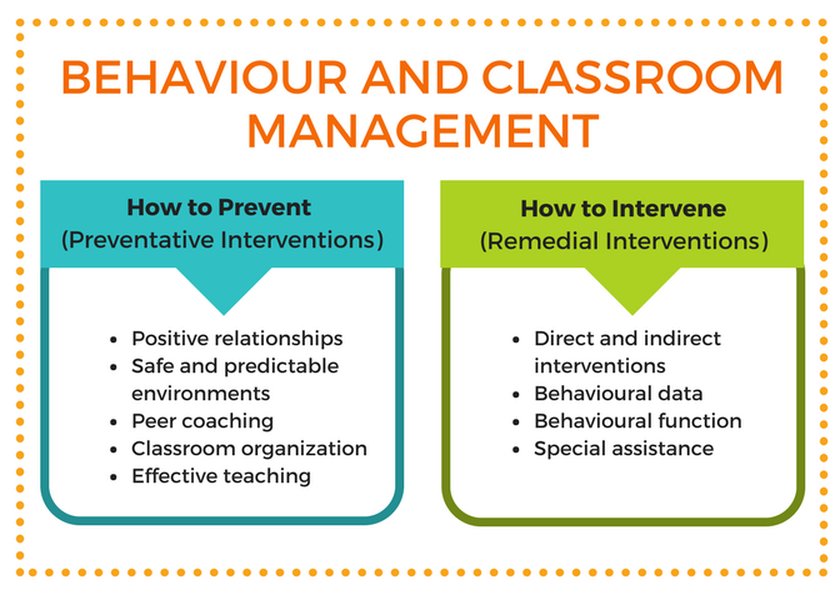
PBS plans emphasize proactive strategies to prevent challenging behaviour from occurring in the first place. This might involve modifying the environment, adjusting routines, or providing prompts and pre-correcting potential issues. Teaching alternative, appropriate behaviours that serve the same function as the challenging behaviour is also a key component.
The Role of School Behaviour Policies
Every school is required to have a written discipline or behaviour policy. These policies outline the expected standards of behaviour and the consequences for unacceptable conduct. However, effective policies for promoting positive behaviour go beyond simply listing rules and sanctions.
Key Elements of a Positive Behaviour Policy
A comprehensive positive behaviour policy should:
- Clearly explain the standard of behaviour expected of pupils.
- Set out how good behaviour will be taught in the school.
- Detail the rewards in place to reinforce and praise good behaviour.
- Outline the roles and responsibilities of staff, leadership, and parents in promoting positive behaviour.
- Emphasize a positive ethos and culture within the school.
Collaboration with Parents and Guardians
Effective positive behaviour policies recognize the importance of collaboration with parents and guardians. Open communication about behavioural expectations and any challenges a student may be facing is crucial. Working together, schools and families can create a consistent and supportive environment for the child.
Classroom-Level Strategies for Promoting Positive Behaviour
While school-wide policies and frameworks are essential, the daily implementation of positive behaviour strategies often happens at the classroom level. Teachers have a variety of techniques they can employ to foster a positive and productive learning environment.

Practical Classroom Techniques
Examples of positive behaviour strategies in the classroom include:
- Proximity Control: Using physical presence to de-escalate potential issues.
- Positive Phrasing: Framing instructions and feedback in a positive way (e.g., "Please walk" instead of "Don't run").
- Nonverbal Signals: Using cues like hand gestures or eye contact to redirect behaviour discreetly.
- Task Assessment: Ensuring that academic tasks are appropriately challenging and engaging to prevent frustration and off-task behaviour.
- Planned Response Method: Having a predetermined plan for responding to minor misbehaviours in a consistent and calm manner.
- Classroom Meetings: Providing a forum for students to discuss issues, build community, and practice communication skills.
Building Positive Relationships
Strong, positive relationships between teachers and students are foundational to effective behaviour management. When students feel respected, valued, and supported, they are more likely to engage in positive behaviour.
The Impact of Positive Behaviour Initiatives
Implementing policies and procedures that promote positive behaviour has a wide-ranging impact on the school community. When implemented with fidelity, these initiatives can lead to:
-
Improved social-emotional competence among students.
-
Increased academic success.
-
A more positive school climate.
-
Improved teacher health and wellbeing.
-
Reduced instances of challenging behaviour.
-
Increased instructional time.
Creating a Supportive and Inclusive Environment
Ultimately, the goal of promoting positive behaviour is to create a supportive and inclusive learning environment where all students feel safe, respected, and empowered to succeed. This involves not only addressing challenging behaviour but also proactively fostering the conditions that encourage positive interactions and engagement.
Frequently Asked Questions
What is Positive Behaviour Support (PBS)?
Positive Behaviour Support (PBS) is a framework used to understand and address challenging behaviour by focusing on improving the individual's quality of life and teaching them new skills. It is based on understanding the function of a behaviour and implementing strategies to prevent it and teach alternative behaviours.
How can teachers encourage positive behaviour in the classroom?
Teachers can encourage positive behaviour by setting clear expectations, explicitly teaching desired behaviours, providing specific and frequent positive reinforcement, building positive relationships with students, and using proactive classroom management strategies.
What is the role of parents in promoting positive behaviour at school?
Parents play a crucial role by supporting the school's behaviour policies, maintaining open communication with teachers, and reinforcing positive behaviour at home. Consistency between home and school is key.
Are rewards systems effective for promoting positive behaviour?
Rewards systems can be effective when used appropriately, particularly for reinforcing specific desired behaviours. However, they are most impactful when combined with intrinsic motivation strategies and a focus on building positive relationships.
What is the difference between positive behaviour strategies and traditional discipline?
Positive behaviour strategies are proactive and focus on preventing challenging behaviour and teaching appropriate skills. Traditional discipline often focuses more on reactive responses and punitive consequences for misbehaviour.
References
 luqaprimary.files.wordpress.com
 assets.publishing.service.gov.uk
Last updated May 15, 2025