
Applications of Sea Gliders in the U.S. Navy
Transforming Naval Operations with Autonomous Underwater Innovation
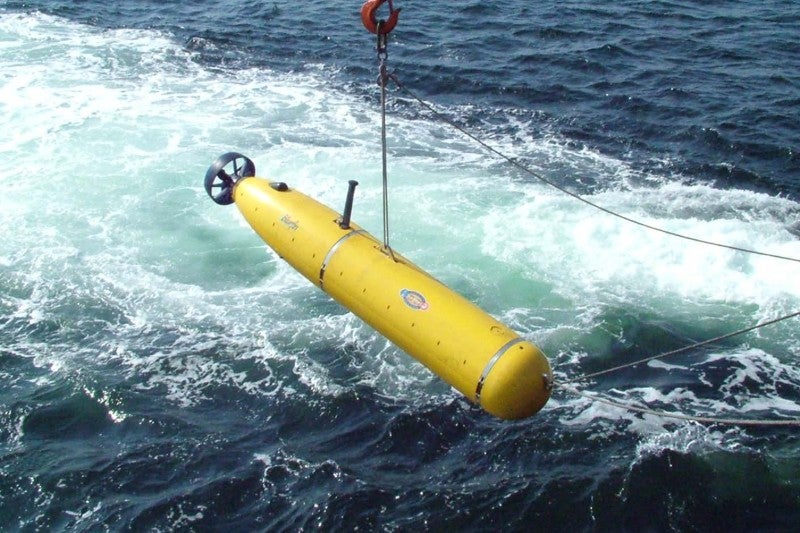
Key Takeaways
- Enhanced Environmental Monitoring and Data Collection: Sea gliders provide critical oceanographic data, aiding in mission planning and operational effectiveness.
- Advanced Anti-Submarine and Mine Warfare Capabilities: Their autonomous and stealthy operations bolster ASW efforts and mine detection.
- Versatile Operational Platforms for ISR and Communication: Sea gliders facilitate intelligence gathering, surveillance, and serve as mobile communication relays, enhancing naval situational awareness.
Oceanographic Data Collection and Environmental Monitoring
Critical Insights for Strategic Operations
Sea gliders play a pivotal role in collecting comprehensive oceanographic data, including temperature, salinity, depth, and current profiles. This information is indispensable for the Navy's ocean prediction models, which are essential for operational planning, navigation route optimization, and ensuring the safety of naval assets. By understanding the marine environment in detail, the Navy can enhance submarine detection capabilities and improve the accuracy of acoustic propagation models, which are vital for anti-submarine warfare (ASW) operations.
The ability of sea gliders to operate over extended periods and cover vast distances allows for continuous monitoring of large maritime areas. This long-term data collection supports not only immediate operational needs but also contributes to long-term strategic planning and environmental assessments. Furthermore, sea gliders can adapt to various environmental conditions, including strong currents and under ice cover, making them versatile tools for diverse naval missions.
Advanced Anti-Submarine Warfare (ASW) and Mine Counter-Measures
Enhancing Stealth and Detection Capabilities
One of the foremost applications of sea gliders within the Navy is in the realm of Anti-Submarine Warfare (ASW). Equipped with passive acoustic sensors, sea gliders can detect and track enemy submarines by analyzing sound patterns and underwater acoustics. Their low acoustic signature ensures they remain stealthy, minimizing the risk of detection by adversaries. This stealth capability is crucial for covert surveillance missions in contested maritime regions.
In addition to ASW, sea gliders contribute significantly to mine counter-measures (MCM). By navigating potential minefields and harbor areas autonomously, sea gliders can deploy sonar and imaging sensors to identify unexploded ordnance or mine-like objects. This capability not only enhances the safety of naval vessels operating in mined waters but also provides valuable reconnaissance data for mine clearance operations. The endurance and low operational costs of sea gliders make them ideal for continuous monitoring and rapid response in mine-threat environments.
Intelligence, Surveillance, and Reconnaissance (ISR)
Autonomous Platforms for Comprehensive Data Gathering
Sea gliders serve as versatile platforms for Intelligence, Surveillance, and Reconnaissance (ISR) missions. Their ability to operate autonomously over long durations enables them to gather intelligence on enemy or foreign vessels without the need for constant human oversight. Equipped with advanced sensors and communication systems, sea gliders can transmit real-time or near-real-time data back to naval command centers, enhancing situational awareness and decision-making.
The integration of passive acoustic sensors allows sea gliders to detect and classify underwater noises, providing valuable insights into submarine movements and maritime traffic. This capability is particularly useful in strategic regions where enemy submarine activity may be prevalent. Furthermore, sea gliders can be deployed in swarms to cover extensive areas, increasing the density of surveillance and improving the likelihood of detecting covert underwater threats.
Communication and Data Relay Capabilities
Bridging Communication Gaps in Underwater Operations
Effective communication in underwater environments poses significant challenges due to the limitations of traditional radio frequency transmissions. Sea gliders address this issue by functioning as mobile relay nodes within underwater sensor networks. By establishing a network of interconnected gliders, the Navy can facilitate the transmission of data between submerged sensors and surface vessels or base stations, effectively bridging communication gaps.
This data relay capability enhances the Navy's ability to coordinate complex operations, such as coordinated ASW efforts or mine detection operations, by ensuring seamless communication across various platforms. Additionally, sea gliders can be equipped with advanced communication systems that support high-bandwidth data transmission, enabling the transfer of large volumes of sensor data and real-time video feeds from reconnaissance missions.
Logistics and Rapid Resupply Operations
Innovative Solutions for High-Speed Resupply
Beyond their reconnaissance and surveillance roles, sea gliders are being explored for logistical applications, particularly in rapid resupply missions. High-speed sea gliders, capable of reaching speeds up to 180 miles per hour, offer a potential solution for delivering critical supplies to remote or contested areas, especially in expansive regions like the Pacific Ocean. Their autonomous operation reduces the need for manned vessels, which may be vulnerable in high-threat environments.
The use of sea gliders for rapid resupply not only enhances the Navy's logistical flexibility but also allows for the quick delivery of essential equipment and materials during emergencies or unforeseen operational demands. This capability is particularly valuable in scenarios where traditional supply routes are disrupted or when swift response is required to support naval forces engaged in dynamic operational theaters.
Deployment and Operational Flexibility
Versatile Deployment Methods for Strategic Advantage
Sea gliders boast versatile deployment capabilities, allowing them to be launched from a variety of platforms, including ships, helicopters, and underwater launch systems. This flexibility ensures that sea gliders can be rapidly deployed in response to emerging operational needs or strategic shifts. For instance, the ability to air-deploy sea gliders from helicopters enables the Navy to quickly position them in remote or inaccessible areas, extending the reach of surveillance and reconnaissance missions.
The autonomous nature of sea gliders minimizes the need for extensive human intervention, allowing them to operate efficiently in diverse and challenging maritime environments. Whether deployed from littoral combat ships in shallow coastal waters or from larger vessels in the open ocean, sea gliders can adapt to varying conditions, enhancing the Navy's operational preparedness and responsiveness.
Technological Advantages and Development
Innovations Driving Superior Naval Capabilities
Sea gliders are engineered with cutting-edge technologies that provide significant advantages over traditional underwater vehicles. Their buoyancy-driven propulsion systems enable low power consumption, allowing for extended mission durations without the need for frequent recharging or maintenance. This energy efficiency is complemented by their lightweight and streamlined design, which contributes to their stealthy operation by minimizing noise and detection risk.
Advances in sensor technology have also enhanced the capabilities of sea gliders. Modern gliders are equipped with a suite of sensors capable of capturing high-resolution oceanographic data, acoustic signatures, and visual imagery. These sensors provide the Navy with detailed insights into the underwater environment, facilitating more informed decision-making and strategic planning.
Additionally, ongoing research and development efforts focus on integrating artificial intelligence and machine learning algorithms into sea gliders. These enhancements aim to improve autonomous navigation, data analysis, and mission adaptability, further increasing the effectiveness and reliability of sea gliders in complex naval operations.
Operational Benefits and Challenges
Balancing Efficiency with Technological Hurdles
Operational Benefits
Sea gliders offer numerous operational benefits to the Navy, including cost-effectiveness, versatility, and enhanced data integration capabilities. Their relatively low cost compared to traditional manned or unmanned submarines makes them an attractive option for extended missions and large-scale deployments. The ability to operate in a wide range of environments, from deep ocean trenches to shallow coastal waters, increases their utility across various naval tasks.
The integration of data collected by sea gliders into naval systems enhances situational awareness and supports real-time decision-making. This capability is crucial for maintaining operational superiority and effectively responding to dynamic maritime threats. Furthermore, sea gliders' long-endurance sensing capabilities ensure continuous monitoring, providing the Navy with up-to-date information essential for mission success.
Challenges and Future Directions
Despite their advantages, sea gliders face several challenges that impede their full potential. Integrating sea gliders with existing maritime communication networks requires robust and reliable data links, which can be difficult to maintain in contested or remote areas. Ensuring cybersecurity and signal integrity is paramount, as vulnerabilities in communication systems could be exploited by adversaries.
Additionally, advancements in energy harvesting technologies, such as wave or solar power, and sensor miniaturization are essential for further extending the mission capabilities of sea gliders. These improvements would reduce logistical constraints and enable more sophisticated data collection and processing on-board, enhancing the overall effectiveness of sea gliders in complex naval operations.
Technological Integration and Cybersecurity
Ensuring Seamless and Secure Operations
Integrating sea gliders into the Navy's existing technological framework involves addressing several critical factors. Robust data links are necessary to ensure seamless communication between sea gliders and other naval assets. This integration facilitates the real-time transmission of data, which is essential for coordinated operations and timely decision-making.
Cybersecurity is another paramount concern, as sea gliders' communication systems must be protected against potential cyber threats. Implementing advanced encryption and secure communication protocols is essential to safeguard sensitive data and maintain operational integrity. Additionally, ensuring interoperability with other Navy systems requires standardized interfaces and protocols, which can be achieved through ongoing collaboration and technological development.
Future Directions and Innovations
Pioneering the Next Generation of Underwater Operations
The future of sea glider applications in the Navy is poised for significant advancements as technological innovations continue to emerge. Enhancements in artificial intelligence and machine learning will enable sea gliders to perform more complex tasks autonomously, such as adaptive mission planning and real-time data analysis. These capabilities will reduce the need for human intervention and increase operational efficiency.
Advances in energy harvesting technologies, including the utilization of renewable energy sources like wave power and solar energy, will further extend the endurance and operational range of sea gliders. This will enable longer missions with reduced logistical support, enhancing the Navy's ability to maintain persistent surveillance and monitoring over extended periods.
Additionally, ongoing research into sensor miniaturization will allow sea gliders to carry more sophisticated and diverse sensor payloads, enhancing their data collection capabilities. These improvements will provide the Navy with more detailed and comprehensive insights into the underwater environment, supporting a wide range of naval operations from ASW to environmental monitoring.
Conclusion
The Strategic Imperative of Sea Gliders in Modern Naval Operations
Sea gliders represent a transformative technology in the realm of naval operations, offering a versatile and cost-effective solution for a multitude of missions. Their ability to autonomously collect vital oceanographic data enhances environmental monitoring and strategic planning, while their stealthy operations bolster anti-submarine and mine warfare capabilities. Furthermore, sea gliders serve as invaluable platforms for intelligence gathering, surveillance, and communication, significantly enhancing the Navy's situational awareness and operational effectiveness.
The continuous advancements in sea glider technology, coupled with ongoing research and development efforts, promise to further expand their applications and operational benefits. Challenges such as communication integration and cybersecurity are being actively addressed, ensuring that sea gliders remain robust and reliable tools in the Navy's arsenal. As the Navy confronts evolving maritime threats and operational demands, sea gliders will undoubtedly play a critical role in maintaining naval superiority and ensuring the security of underwater domains.
References
Credible Sources Informing This Overview
Last updated February 15, 2025