
Building Seawalls Offshore: Potential for Delta Formation
Exploring the transformative impact of seawalls on river sedimentation and delta creation.
Key Takeaways
- Enhanced Sediment Deposition: Offshore seawalls can trap river sediments, promoting accumulation.
- Altered Hydrodynamics: Changes in water flow patterns reduce energy, facilitating sediment settling.
- Design Matters: The seawall’s specifics critically influence sediment dynamics and potential delta formation.
Introduction
The construction of seawalls has long been a strategy for coastal protection against erosion, storm surges, and sea-level rise. However, their impact extends beyond mere defense; they can fundamentally alter the natural sediment dynamics of riverine and coastal systems. In particular, the placement of a seawall two kilometers offshore at the mouth of a high-sediment-bearing river presents a unique scenario: the potential induction of delta formation in an area that previously did not support such landforms. This comprehensive analysis delves into the myriad factors that determine whether a seawall can facilitate the creation of a delta, examining sediment dynamics, hydrodynamic changes, seawall design, and environmental interactions.
Understanding Delta Formation
Deltas are landforms created by the deposition of sediments carried by rivers as the flow velocity decreases upon entering a standing body of water such as an ocean or a lake. The key processes involved in delta formation include sediment transport, deposition, and the interaction with coastal hydrodynamics. Natural deltas typically form in environments where sediment supply exceeds the transport capacity of the receiving basin, and where wave and tidal energies are conducive to sediment accumulation.
Sediment Dynamics and Deposition
Impact of Seawall on Sediment Trapping
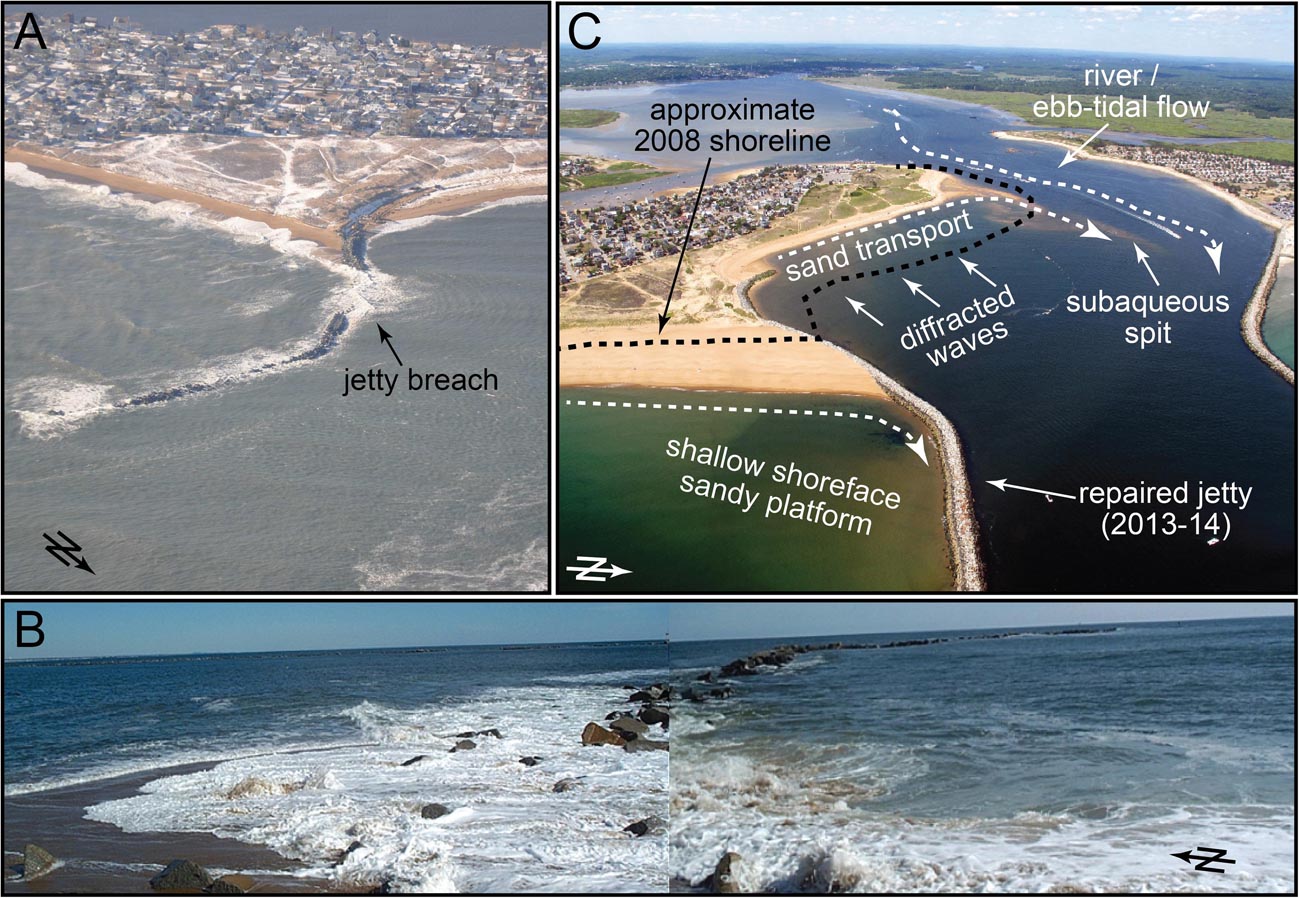
The primary driver of delta formation is the deposition of riverine sediments. A seawall positioned two kilometers from the coast can act as a barrier, significantly affecting how sediments are transported and deposited. By intercepting the flow of sediment-laden waters, the seawall creates a zone where the kinetic energy of the river decreases, allowing sediments to settle out of suspension. This trapped sediment can begin to accumulate behind the seawall, potentially initiating the formation of a delta-like structure.
Sediment Accumulation Rates
The rate at which sediments accumulate behind the seawall is crucial. A high sediment load from the river increases the likelihood of rapid deposition, especially if the seawall effectively reduces the energy of incoming flows. However, the sediment deposition must outpace any erosive forces to ensure net accumulation. Factors such as sediment grain size, river discharge variability, and seasonal changes can influence deposition rates.
Graded Sediment Profiles
The size distribution of the sediment particles plays a significant role in the formation of a delta. Coarser particles like sand tend to settle closer to the seawall, while finer particles such as silt and clay can be transported further before settling. This graded sediment profile is characteristic of natural deltas and contributes to the development of distinct landforms within the delta region.
Hydrodynamic Changes Induced by the Seawall
Reduced Energy Environment
The introduction of a seawall alters the hydrodynamics of the river mouth and adjacent coastal waters. By acting as a physical barrier, the seawall reduces the energy of tidal flows and wave actions in the immediate vicinity. This reduction in energy is critical for facilitating sediment deposition, as lower flow velocities decrease the sediment transport capacity of the water, allowing particles to settle and accumulate.
Backwater Effect
A seawall can create a backwater effect, where the flow of the river diminishes upstream of the barrier. This effect results in a rise in water levels just upstream of the seawall, further reducing the velocity of the river flow. The combination of lower flow velocities and increased water levels enhances the conditions necessary for sediment deposition, thereby promoting the potential formation of a delta.
Disruption of Natural Flow Patterns
The construction of a seawall disrupts the natural distribution of flow and sediment transport. This disruption can lead to localized areas of sediment accumulation as well as regions where sediment supply is reduced. Understanding these changes is essential for predicting the long-term morphological evolution of the area and the sustainability of any delta-like structures that may form.
Sea Wall Design and Configuration
Distance and Orientation
The placement of the seawall two kilometers offshore is a strategic decision that influences sediment dynamics significantly. The orientation of the seawall relative to prevailing currents and tides determines how effectively it can trap sediments. A seawall perpendicular to the main flow direction is generally more effective at intercepting sediments compared to one aligned with the flow.
Structural Features
The design features of the seawall, such as height, length, and the presence of permeable sections or gaps, critically impact its ability to trap sediments. For instance, seawalls with intentionally designed outfalls or perforations can allow for controlled water exchange, which can modulate sediment deposition rates and distribution.
Material and Stability
The materials used in constructing the seawall must ensure long-term stability against erosive forces. A stable structure reduces maintenance needs and ensures that sediment trapping capabilities are not compromised over time due to structural failures or degradation.
Environmental and Coastal Processes Interaction
Tidal and Wave Action Considerations
Tidal ranges and wave energies are fundamental in shaping sediment deposition patterns. The seawall's ability to mitigate or concentrate these forces within its vicinity plays a pivotal role in determining the success of delta formation. Areas with high tidal energy may still experience significant sediment dispersion despite the presence of a seawall, potentially undermining delta development.
Ecosystem Impacts
Modifying sediment deposition through seawall construction can have profound ecological impacts. Changes in sediment availability can affect benthic habitats, aquatic flora and fauna, and overall coastal biodiversity. Ensuring that sediment trapping does not lead to adverse ecological consequences is essential for sustainable coastal management.
Sea-Level Rise and Climate Change
Long-term sea-level rise poses additional challenges for any engineered coastal intervention. The seawall must be designed to accommodate rising sea levels to prevent overtopping and maintain its sediment trapping effectiveness. Climate change-induced alterations in precipitation patterns and river discharge can also influence sediment supply and flow dynamics.
Potential Outcomes of an Offshore Seawall
Delta-like Landforms and Sediment Accretion
If the seawall effectively traps and facilitates the deposition of sufficient sediments, a delta-like landform could emerge behind the structure. This landform may exhibit features similar to natural deltas, including distributary channels, levees, and wetlands. The extent and stability of such formations would depend on the ongoing balance between sediment supply and erosive forces.
Subaerial and Subaqueous Delta Formation
Depending on the rate of sediment accumulation and sea-level conditions, the resulting delta could be subaerial (emerging above sea level) or subaqueous (forming below sea level). Subaerial deltas offer benefits such as habitat creation and land expansion, while subaqueous deltas may contribute to marine ecosystems and sediment reservoirs.
Long-term Morphological Evolution
Over time, the sediment deposited behind the seawall can lead to significant changes in the coastal morphology. These changes can enhance the resilience of the coastline against erosion and storm impacts. However, continuous monitoring and adaptive management are necessary to address any unforeseen morphological shifts.
Challenges and Considerations
Erosion Risks and Sediment Starvation
While seawalls can promote sediment accumulation behind them, they may simultaneously lead to sediment starvation in adjacent areas. The lack of sediment downstream can exacerbate erosion, undermining the stability of both the seawall and the coastal environment. Mitigating these risks requires careful planning and sediment management strategies.
Structural Integrity and Maintenance
Maintaining the structural integrity of the seawall is paramount for sustained sediment trapping. Regular inspections and maintenance are necessary to address wear and tear, prevent structural failures, and ensure that the seawall continues to function as intended.
Economic and Social Implications
The construction and maintenance of an offshore seawall entail considerable financial investments. Additionally, the potential for delta formation introduces considerations related to land use, property development, and ecosystem services. Stakeholder engagement and comprehensive cost-benefit analyses are essential components of the decision-making process.
Case Studies and Analogous Situations
Artificial Delta Projects
Various artificial delta projects around the world offer insights into the feasibility and outcomes of using seawalls for delta formation. These projects highlight the importance of tailored seawall designs, robust sediment management practices, and the integration of ecological considerations to achieve desired outcomes.
Natural Seawall Interactions
Observations of natural seawall and barrier island interactions provide valuable lessons on sediment dynamics and coastal resilience. These natural analogs can inform the design and implementation of engineered seawalls aimed at promoting sediment deposition and delta-like landform development.
Lessons Learned
Successful case studies emphasize the need for comprehensive environmental impact assessments, adaptive management frameworks, and collaborative approaches involving multiple stakeholders to ensure that engineered interventions yield sustainable and beneficial outcomes.
Factors Influencing Delta Formation
| Factor | Without Seawall | With Seawall |
|---|---|---|
| Sediment Supply | Dispersed by high-energy coastal processes. | Trapped and accumulated behind the seawall. |
| Hydrodynamic Energy | High due to strong tides and waves, limiting deposition. | Reduced, promoting sediment settling. |
| Flow Velocity | Maintains high flow speeds, preventing sedimentation. | Slowed by the seawall, aiding deposition. |
| Coastal Morphology | Largely unchanged, existing as non-deltaic. | Altered to support delta-like landforms. |
| Environmental Impact | Natural ecosystems remain undisturbed. | Potential ecological shifts due to altered sedimentation. |
Conclusion
Building a seawall two kilometers offshore at the mouth of a high-sediment river holds significant potential for inducing delta formation. The success of such an endeavor hinges on a delicate interplay of factors including sediment supply, hydrodynamic modifications, seawall design, and environmental interactions. By effectively trapping sediments and reducing local hydrodynamic energy, the seawall can create favorable conditions for sediment accumulation and the emergence of delta-like landforms. However, challenges such as erosion risks, sediment starvation downstream, and ecological impacts must be meticulously addressed to ensure sustainable and desirable outcomes. Comprehensive hydrological and geomorphological assessments, coupled with adaptive management strategies, are essential to harness the benefits while mitigating potential drawbacks associated with offshore seawall construction.
References
Last updated February 6, 2025