
Sustainable Seashell Resource Management in Gaspar Island, Marinduque: A Case Study on Utilization and Community Livelihoods
Unearthing the narrative behind coastal resource innovation and sustainability
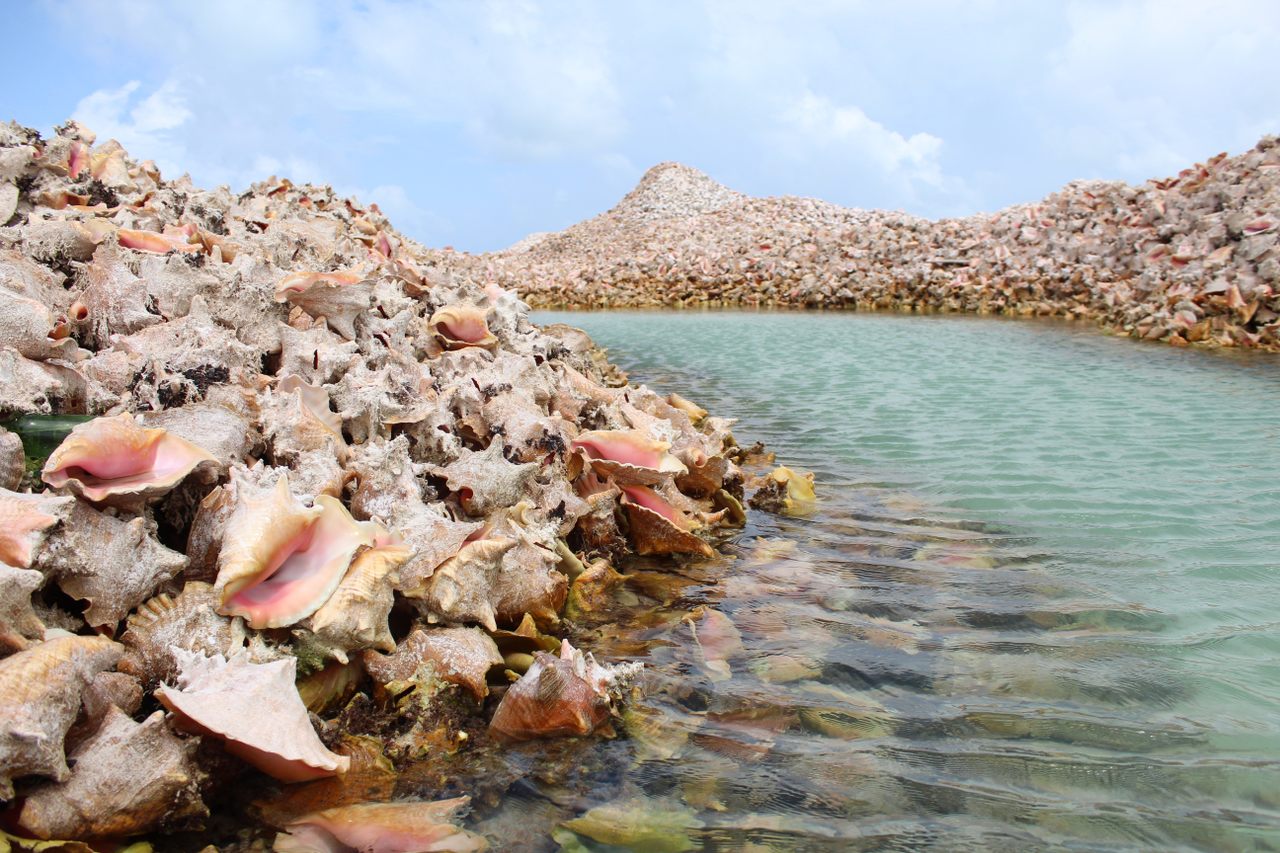
Key Takeaways
- Intertwined Narratives: The story of seashells weaves together ancient traditions, modern waste challenges, and the emerging potential of a circular economy.
- Sustainable Practices: Integrating local knowledge with scientific innovation can transform waste into commercial opportunities while protecting ecosystems.
- Community Livelihoods: Evaluating commercial potential and sustainable resource management paves the way for environmental compliance and socio-economic development.
Introduction
Throughout history, coastal communities have developed intricate relationships with the resources that the sea generously provides. From the earliest times, seashells have not only held cultural and symbolic significance but have also served as practical tools and decorative items. The traces of these ancient utilizations reveal a long-standing practice of valuing natural byproducts, even when these materials later became viewed as waste. According to early anthropological findings, seashells were used as ornaments, currency, and even in ritualistic practices (According to historical studies, Paleolithic peoples revered these natural materials for their beauty and durability). Over the centuries, the evolution of human societies and technological advancements have transformed the way communities perceive and use marine resources.
With the advent of modern aquaculture and seafood processing, the generation of waste seashells has reached unprecedented levels. In many parts of the world, millions of tons of shell waste are produced annually. This significant accumulation of waste poses not only an environmental challenge but also an opportunity for innovative resource management and sustainable economic practices. Researchers have noted that seashell waste, particularly from oysters, clams, scallops, and mussels, presents a dual paradox: on one hand, it contributes to organic pollution; on the other, it holds substantial promise when repurposed into valuable materials for construction, agriculture, cosmetics, and even the food industry (Based on recent environmental studies, the reutilization of shell waste can mitigate pollution and support a circular economy).
Historical Context and Traditional Uses
In ancient civilizations, the value attributed to seashells was multifaceted. They were indicators of wealth and status, often exchanged as currency or used as symbols of divine connection. Archaeological evidence suggests that these natural artifacts played a crucial role in both daily life and ceremonial practices. The cultural importance of seashells is evident in artifacts unearthed from various coastal regions, where shells were intricately decorated and fashioned into jewelry or tools. According to early historical accounts, even prehistoric communities actively collected and utilized these natural resources, a practice that underscores an inherent understanding of nature’s gifts long before modern scientific validation (According to archeological studies, the early human use of shells demonstrates an innate recognition of natural resources’ potential).
Over time, as human societies expanded and industrial activities intensified, the demand for marine resources shifted from traditional uses to new, more complex applications. With the rise of seafood industries and large-scale aquaculture, the volume of seashell waste increased dramatically, challenging conventional waste management practices. Today, many coastal communities are confronted with the hazardous disposal of this waste, which, if not handled appropriately, may lead to environmental degradation. However, this challenge has also spurred innovative approaches to turning a potential environmental liability into an opportunity for economic rejuvenation.
Modern Environmental Challenges and the Circular Economy
The contemporary discourse on sustainability increasingly recognizes the role of the circular economy—a system in which waste materials are reintegrated as inputs for new production processes. In this framework, seashell waste is reimagined as a resource rather than a disposal problem. Recent studies have illustrated that seashells, predominantly comprising calcium carbonate, can be refined and repurposed in a variety of industries. For example, researchers have demonstrated that calcium carbonate extracted from seashells can serve as an effective alternative in construction materials, reducing the reliance on conventional limestone and even partially substituting cement in concrete mixtures (According to scientific reports, pre-treated shell wastes have successfully reduced environmental impact while challenging traditional manufacturing practices).
In parallel, the agricultural sector is exploring how processed shell waste can be incorporated as a soil amendment to improve fertility and counteract the effects of acidic soils. This dual application not only addresses waste management issues but also reduces the environmental footprint of resource extraction from natural reserves. Sustainable management practices underscore the need to balance economic opportunities with environmental safeguards. As such, the strategic repurposing of seashell waste aligns with both environmental regulations and local economic development, demonstrating a clear synergy between sustainability goals and innovative industrial practices.
Interdependency of Ecosystems and Community Livelihoods
The interdependency between natural ecosystems and human communities is particularly pronounced in coastal regions. Coastal dwellers have traditionally harnessed marine resources both as a means of subsistence and as a driver for socio-economic development. This long-term relationship with the sea is embedded in local cultures, traditions, and economies. According to reports from international organizations, marine resources are integral to the livelihoods of millions of people worldwide, shaping community resilience and influencing regional development strategies (Based on studies by global fisheries organizations, the sustainable use of marine resources reinforces both environmental conservation and socio-economic stability).
In many coastal areas, the management of seashell waste has been integrated into local practices informed by generations of traditional knowledge. While modern waste management solutions have been implemented with varying levels of success, the incorporation of local insights continues to be pivotal. The historical continuum—from the ornamental and practical use of seashells in ancient times to their modern-day potential in industrial applications—illustrates a recurring theme: the importance of maintaining a sustainable balance between resource extraction and environmental preservation.
The Opportunity for Sustainable Innovation
In the face of mounting environmental challenges, innovative approaches to resource management are emerging as crucial solutions. One promising avenue is the valorization of seashell waste into commercial products that serve multiple sectors—construction, agriculture, and even the cosmetic industry. By transforming what was once considered refuse into economically viable commodities, coastal communities have the opportunity to stimulate local growth and reduce environmental impacts. For instance, the use of seashell-derived calcium carbonate in the construction industry has not only shown promise in creating more sustainable building materials but has also opened up avenues for local entrepreneurship (According to recent innovations in material science, seashell waste can be efficiently processed to yield valuable byproducts that are competitive with traditional raw materials).
Moreover, this approach aligns with broader global trends towards green technologies and waste minimization. The continued advancement of clean technologies and process innovations helps to ensure that the lifecycle of seashell waste—from collection and cleaning to processing and distribution—remains as environmentally friendly as possible. The energy and water demands associated with processing this waste are crucial considerations. Studies have emphasized the importance of developing more efficient cleaning and calcination processes that minimize resource use and reduce greenhouse gas emissions (Based on environmental impact analyses, the successful implementation of efficient shell waste processing methods is key to reducing the carbon footprint of coastal industries).
Navigating Regulatory Landscapes and Local Challenges
While the potential benefits of repurposing seashell waste are considerable, the path to sustainable innovation is not without its challenges. One major hurdle lies in navigating the complex regulatory environments that govern environmental protection and waste management. Local and international regulations require that any industrial application of shell waste adhere strictly to environmental safety standards, a factor that can sometimes complicate the adoption of new processing methods. For example, the process of cleaning and transforming shell waste often involves resource-intensive energy and water use, which must comply with stringent environmental guidelines (According to environmental regulation studies, aligning industrial processes with legal mandates is critical for sustainable development).
Furthermore, the economic viability of shell waste repurposing operations is heavily influenced by the costs associated with collecting, transporting, and processing the raw waste material. Traditional waste management practices, such as incineration or landfill disposal, frequently fail to capture the full economic potential of these resources. Conversely, a well-integrated system that takes into account both environmental sustainability and economic efficiency can unlock significant community benefits. Scholars have argued that incorporating local expertise and innovative technologies in waste management strategies can create platforms for community-based enterprises, thereby fostering local economic resilience and encouraging sustainable growth (Based on economic analyses, integrating circular economy principles into waste management can drive both profitability and environmental conservation).
In addition, the unpredictable nature of coastal ecosystems adds another layer of complexity. Variations in weather patterns, seasonal fluctuations in marine resource availability, and the impacts of climate change require that waste management strategies remain adaptive and resilient. The interplay between natural forces and human intervention is delicate; therefore, a deep understanding of local ecological dynamics is essential for designing practices that are both effective and sustainable. According to several studies on coastal ecosystems, the alignment of industrial practices with environmental rhythms helps maintain the integrity and productivity of marine systems while simultaneously supporting community livelihoods.
A Synthesis of Opportunities and Challenges
To effectively harness the potential of seashell waste, it is essential to view the problem through a multifaceted lens that encompasses environmental, economic, and social dimensions. A synthesis of recent research indicates that, when appropriately managed, seashell waste can serve as a carrier for technological and economic transformation. This transformation is contingent upon a holistic approach that integrates scientific innovation, local traditional knowledge, and proactive policy frameworks. According to contemporary studies in sustainable resource management, the successful conversion of waste shells into commercial products can contribute to reduced pollution, enhanced economic opportunities, and improved environmental health (Based on integrated sustainability models, strategic resource repurposing fosters a synergistic relationship between development and conservation).
As industries experiment with different processing techniques—from enzymatic cleaning to advanced calcination methods—the importance of balancing resource inputs with environmental outputs becomes increasingly evident. For instance, innovative methods that reduce the need for extensive energy inputs in the calcination process are being explored to prevent excessive greenhouse gas emissions. Such advancements reflect the broader commitment to sustainable practices that prioritize environmental health while still enabling industrial growth. Researchers have emphasized that innovations in technology, when coupled with supportive regulatory frameworks, can transform seashell waste into a cornerstone of a sustainable bioeconomy.
An effective strategy for harnessing the value of seashell waste must consider the entire chain of processes involved, from waste generation to end-product formation. A clear understanding of each stage is necessary to streamline operations, reduce resource consumption, and maximize the economic potential of shell waste. The integration of efficient collection systems, cost-effective cleaning and processing techniques, and robust distribution networks is critical in achieving these goals. According to industry case studies, a thoughtfully designed value chain not only mitigates the environmental impacts of waste disposal but also creates new revenue streams for local communities.
Visualizing the Potential: A Comparative Overview
To elucidate the multifaceted benefits of seashell waste reutilization, consider the comparison of potential applications across different industries as illustrated in the table below. This synthesis underscores the balance between economic benefits and environmental challenges linked to each application.
| Industry | Potential Benefits | Key Challenges |
|---|---|---|
| Construction | Replacement of non-renewable resources; reduced carbon footprint; enhanced material properties | High energy consumption during processing; regulatory hurdles |
| Agriculture | Improved soil fertility; calcium supplementation; circular economy benefits | Resource-intensive cleaning processes; transportation logistics |
| Cosmetics & Food | Natural source of calcium; potential for bioactive compounds; waste reduction | Ensuring purity and safety; scalable extraction processes |
| Environmental Remediation | Pollutant adsorption; pH buffering in water systems; cost-effective wastewater treatment | Stability issues in acidic environments; post-treatment residue management |
This table serves to highlight that while the transformation of seashell waste requires careful attention to existing challenges, its benefits are extensive and multifarious. The conversion of waste into valued resources is not merely a technical achievement; it is also a reflection of how modern society is reimagining relationships with natural systems.
The narrative that emerges from this synthesis is one of transformation and renewal. As coastal communities around the world grapple with the twin challenges of environmental pollution and economic instability, the repurposing of seashell waste offers a promising pathway to revitalization. By capitalizing on the intrinsic value of seashells—both as a cultural artifact and as an industrial resource—society can nurture a more sustainable and resilient future.
This case study embarks on an examination of these intertwined themes, seeking to evaluate the commercial potential of seashell resources while simultaneously addressing practical challenges in resource management. With a focus on identifying opportunities for sustainable innovation, this investigation is set against the backdrop of global environmental concerns and evolving industrial practices. According to numerous scholarly reports, the strategic management of marine byproducts is a critical element in promoting a balanced and thriving bioeconomy (Based on comprehensive reviews in environmental science, the valorization of waste shells represents an innovative frontier in sustainable development).
As the global community increasingly embraces the principles of environmental stewardship and regenerative practices, the transformation of waste seashells from a disposal challenge into a valuable resource stands as a testament to human ingenuity. This narrative is especially resonant in today's context, where the imperative to reduce ecological impacts coexists with the drive for economic innovation. Stories from various coastal regions consistently reveal that resourcefulness and sustainability are not mutually exclusive; rather, they are mutually reinforcing, each contributing to the broader quest for a balanced coexistence with nature.
In summary, the introduction provided here sets the stage for a detailed examination of sustainable seashell resource management. It outlines the historical, cultural, and scientific dimensions of seashell utilization, framing the discussion within the larger imperatives of environmental sustainability and community development. The case study will later turn its focus to specific local dynamics, evaluating the commercial potential and practical challenges of managing seashell waste in a manner that is both economically and environmentally sound. However, before delving into the local specificity of Gaspar Island, it is essential to understand the wider narrative—a narrative of innovation, sustainability, and the enduring interplay between human society and the natural world.
Conclusion
In conclusion, the introduction to this case study weaves historical insights with modern environmental challenges, framing an expansive narrative on the sustainable reutilization of seashell waste. By drawing on both traditional values and contemporary scientific advancements, the discussion establishes the ground for exploring how waste can be transformed into a resource. Balancing the environmental, economic, and social dimensions provides a compelling roadmap for future research and practical applications in sustainable resource management.
References
- Sustainable Solutions for Oyster Shell Waste Recycling in Thailand and the Philippines - ResearchGate
- Shell Waste Management and Utilization: Mitigating Organic Pollution and Enhancing Sustainability - ResearchGate
- Review of Shell Waste Reutilization for Sustainable Shellfish Aquaculture - Wiley Online Library
- The State of World Fisheries and Aquaculture 2018 - FAO
- Shell Waste Management and Utilization: A Broad Perspective - MDPI
More
Last updated February 18, 2025