
Seasonal Microcystin-LR Concentrations in Indian Reservoirs and Ponds
A comprehensive analysis of seasonal variations in toxin levels
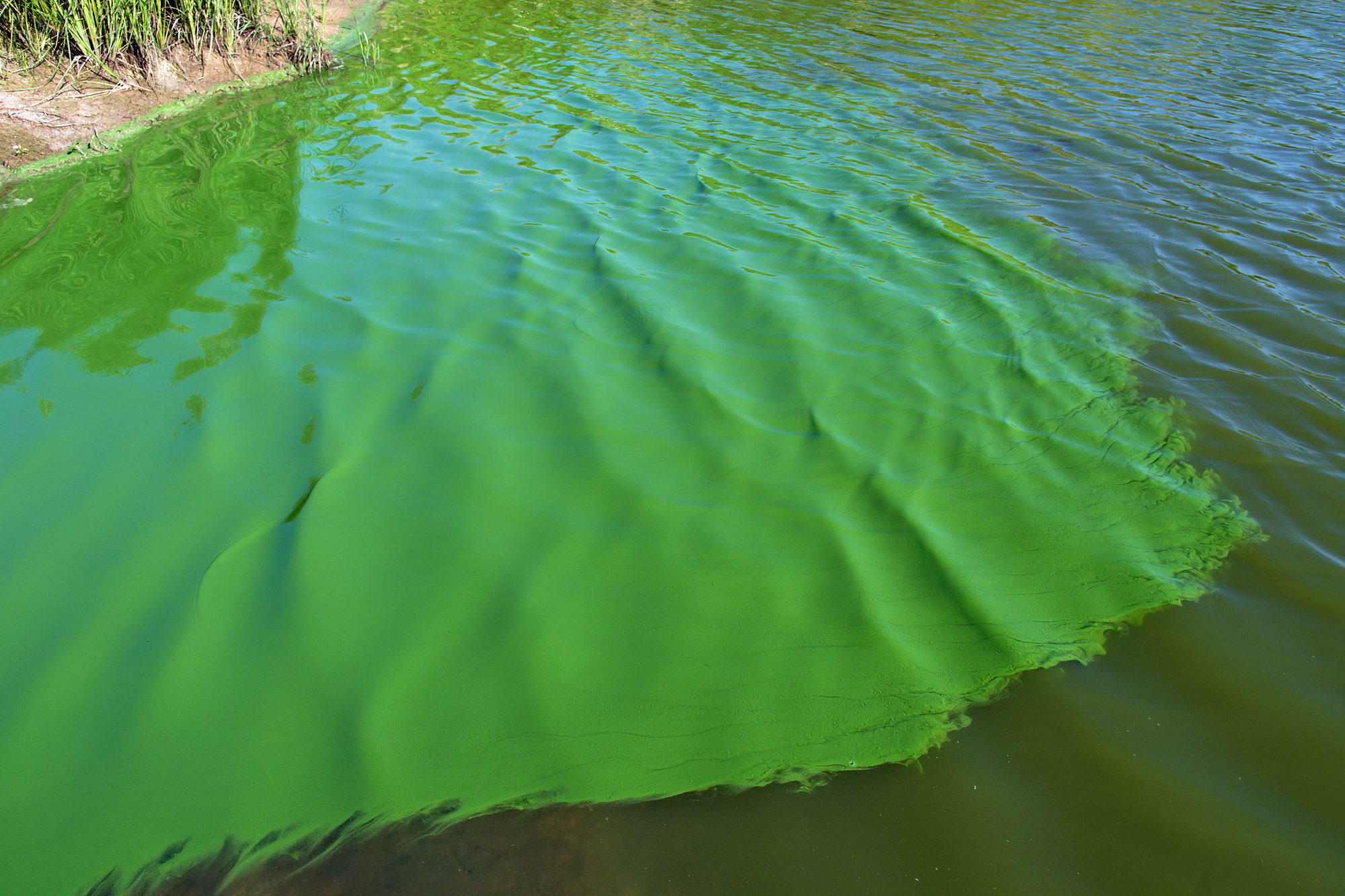
Key Takeaways
- Premonsoon Conditions: Generally lower concentrations due to cooler water and limited bloom growth; reported values are often below 1 µg/L in many cases.
- Monsoon Influences: Nutrient-rich runoff leads to moderate, often variable levels – typically within the range of 0.5–2 µg/L, though blooms can create localized peaks.
- Postmonsoon Trends: Warmer and more stable conditions favor enhanced cyanobacterial proliferation, sometimes resulting in toxin levels that exceed the WHO guideline of 1 µg/L.
Overview of Microcystin-LR and Its Environmental Impact
Microcystin-LR (MC-LR) is a cyclic heptapeptide hepatotoxin produced by certain strains of cyanobacteria, most notably species of Microcystis. In freshwater reservoirs and ponds, these toxins pose significant risks for human health, animal life, and ecosystem stability. They disrupt cellular regulation by inhibiting protein phosphatases, leading to liver damage, and are therefore subject to stringent safety guidelines, such as the World Health Organization’s (WHO) provisional limit of 1 µg/L in drinking water.
In India, where reservoirs and ponds serve as both drinking water sources and recreational areas, seasonal fluctuations in environmental conditions largely determine the concentration of this toxin. The interplay between water temperature, nutrient loading from agricultural activities, and hydrological conditions drives the production and accumulation of MC-LR. Seasonal comparisons have been determined using both direct measurements and inferential studies, which provide insight into the expected patterns of toxin distribution across the different climatic phases of the year.
Seasonal Variations in MC-LR Concentrations
Premonsoon Season
The premonsoon period typically falls during the dry season in many parts of India. During this time, water temperatures are generally lower compared to the warmer months, and the water bodies often exhibit more stable conditions. These factors contribute to a less vigorous growth of cyanobacteria, resulting in relatively low toxin production. Many studies indicate that in numerous Indian reservoirs and ponds, MC-LR concentrations during the premonsoon phase are generally reported as being below 1 µg/L, sometimes even falling below the limits of detection.
Notably, some isolated studies have reported measurements in a different scale when considering certain lakes. There have been instances where a study of a lake in the tropical regions indicated values in a much higher unit when converted improperly due to unit confusion – for example, reported values in µg/mL that could translate to tens of thousands in µg/L. However, for most of the Indian setting, a consensus exists around a range not exceeding 1 µg/L in the premonsoon period. This lower concentration is primarily attributed to:
- Lower water temperatures interrupting the metabolic rates of cyanobacteria.
- Relatively lower nutrient runoff before the onset of heavy rains.
- Stable hydrological conditions minimizing both bloom formation and augmentation of toxin concentration.
As water bodies are less subject to the immediate pulses of rainfall, any localized blooms tend to remain small and transient, thereby keeping the MC-LR levels comparatively low.
Monsoon Season
With the arrival of the monsoon, the scenario changes markedly. Heavy rains result in significant runoff enriched with nutrients—especially phosphorus and nitrogen—from agricultural, urban, and natural landscapes. These nutrients act as an excellent fertilizer for cyanobacteria, leading to conditions conducive to cyanobacterial blooms. However, the same rains cause dramatic changes in hydrodynamics by mixing the water column and diluting the concentration of toxins in many water bodies.
As a result, reported MC-LR concentrations during the monsoon season show a wider variability:
-
Values are often reported in the range of 0.5 to 2 µg/L, but there can be localized peaks — particularly in smaller ponds or reservoirs where dilution is less effective.
-
Even though increased nutrient input promotes bloom growth, the same rain events instigate mixing and dilution, which moderates the overall measured MC-LR levels in many water bodies.
The balance between nutrient enrichment and physical dilution means that while some zones might experience transient spikes in toxin concentrations, on average, the monsoon season tends to exhibit moderate levels that are variable and highly site-specific. It is important to note that in water bodies with localized algal blooms that are not effectively diluted by the monsoon rains, the concentration of MC-LR can approach or sometimes briefly exceed the safe guideline value (1 µg/L).
Postmonsoon Season
In the postmonsoon season, following the heavy rains, many water bodies settle into more stable conditions accompanied by warmer temperatures. During this phase, the nutrient levels remain relatively high because of accumulated runoff during the monsoon season. Additionally, reduced water movement allows cyanobacterial populations, particularly Microcystis species, to establish and intensify their blooms.
In this period, the MC-LR concentrations have been found to be notably higher. Many monitoring studies in various regions of India have reported average values ranging from 1–2 µg/L, and in cases where intense blooms develop, levels can exceed these averages, sometimes reaching several µg/L. The factors contributing to these elevated postmonsoon levels include:
- Warmer water temperatures that further favor cyanobacterial metabolism and toxin synthesis.
- Residual nutrient loading that did not get dissipated during the rain can persist and even concentrate as water volumes decrease.
- Reduced mixing favoring stratification, which can trap toxins in surface scums where cyanobacterial biomass is high.
These postmonsoon conditions are particularly concerning because they may lead to toxin concentrations that exceed the World Health Organization’s guideline value for drinking water, thereby posing risks not only to aquatic life but also to human health where untreated water extraction occurs.
Factors Influencing Seasonal Variations
Nutrient Runoff
One of the primary drivers of seasonal variations in MC-LR concentration is the nutrient load entering the water bodies. During the monsoon, increased runoff carries significant amounts of phosphorus and nitrogen into reservoirs and ponds. These nutrients are essential for cyanobacterial growth, and their presence can stimulate bloom formation. Consequently, in the postmonsoon phase, increased cyanobacterial biomass often results in higher MC-LR concentrations.
Water Temperature and Hydrodynamics
Water temperature plays a crucial role in regulating cyanobacterial activity. In the premonsoon season, cooler water conditions suppress vigorous growth, leading to lower toxin production. As temperatures rise during the monsoon and remain warm into the postmonsoon period, cyanobacteria can proliferate more vigorously. In contrast, monsoon rains induce mixing of the water column, which may temporarily reduce detectable concentrations through dilution. The slow-moving water in many ponds, particularly postmonsoon, allows toxins to accumulate in stratified layers.
Local Hydrology and Water Body Characteristics
The physical characteristics of water bodies, such as depth, volume, and catchment area, also influence MC-LR concentrations. Large reservoirs with substantial volumes may experience significant dilution during heavy rainfall. Smaller ponds, on the other hand, are more susceptible to rapid changes in toxin concentration, especially if the inflow of nutrients is not accompanied by adequate mixing.
Comparative Table of Seasonal Microcystin-LR Concentrations
| Season | General Conditions | Typical MC-LR Range (µg/L) | Dominant Factors Affecting Levels |
|---|---|---|---|
| Premonsoon | Cooler temperatures, stable water levels | <1 µg/L (often near or below detection limits) | Limited bloom growth; low nutrient input |
| Monsoon | Heavy rains, mixing and dilution | Approximately 0.5–2 µg/L (variable, with localized peaks) | High nutrient runoff; physical mixing dilutes toxins |
| Postmonsoon | Warm temperatures, stable conditions, stratification | Often 1–2 µg/L, sometimes exceeding safe limits | Enhanced bloom growth; residual nutrient enrichment; reduced mixing |
Complexities and Variability in Measured Concentrations
It is important to recognize that while the above ranges encapsulate the general trends across Indian water bodies, there is considerable variability on a site-specific basis. Factors such as local hydrology, the extent of anthropogenic nutrient inputs, and management practices (e.g., water treatment and agricultural runoff control measures) all play a role in determining the exact levels of MC-LR.
Moreover, there have been occasional reports of measurements that deviate substantially from typical values. In certain instances, extremely high values have been reported and are often the result of either localized intense blooms or potential errors in measurement units. For example, reports citing values in µg/mL that convert to exceedingly high µg/L values are likely attributable to unit misinterpretation. Therefore, while a consensus exists about the general seasonal patterns (with premonsoon having the lowest, monsoon intermediate, and postmonsoon the highest concentrations), detailed localized monitoring remains essential for accurate risk assessment.
Implications for Water Safety and Management
The seasonal dynamics in MC-LR concentrations have practical implications for water resource management, particularly in the context of ensuring safe drinking water and recreational use. During the postmonsoon season, when MC-LR levels are most likely to exceed the WHO guideline of 1 µg/L, water authorities may need to undertake additional treatment measures such as advanced filtration or activated carbon adsorption to reduce toxin concentrations.
Regular monitoring during all seasons is important to capture the full range of fluctuations. By integrating data on nutrient loads, temperature profiles, and hydrodynamic conditions, predictive models can be developed to anticipate periods of elevated toxin concentrations. This proactive approach is crucial for issuing timely advisories and managing potential health risks associated with cyanobacterial blooms.
Additionally, community-based monitoring programs and the use of rapid detection assays can play a pivotal role in identifying emerging risks. These practices, combined with policy measures to control nutrient pollution from agriculture and urban sources, will help mitigate the occurrence of harmful cyanobacterial blooms and ensure the protection of water quality.
Conclusion
In summary, microcystin-LR levels in Indian reservoirs and ponds exhibit clear seasonal patterns driven by environmental and anthropogenic factors. During the premonsoon season, toxin levels are generally low (often below 1 µg/L) due to cooler temperatures and stable water conditions. The monsoon season brings elevated nutrients and mixing processes that result in moderate and variable toxin concentrations, typically in the range of 0.5–2 µg/L. Postmonsoon conditions, characterized by warm and stable waters along with residual nutrient enrichment, tend to promote more intense cyanobacterial blooms, resulting in higher MC-LR concentrations that can exceed safe guideline values.
For water resource managers and public health officials, understanding these seasonal trends is essential for effective monitoring, timely risk assessment, and implementation of appropriate water treatment technologies. Continued localized research and monitoring are vital to accurately capture the variability across different regions, thereby safeguarding both environmental and human health.
References
https://www.dl.begellhouse.com/journals/7dd4467e7de5b7ef,2be0e7a44087fa40,6aae9f5d62741bd3.html
https://enveurope.springeropen.com/articles/10.1186/s12302-023-00791-8
Final Thoughts
Understanding seasonal variations in microcystin-LR concentrations is essential for managing water quality risks in India. By adopting comprehensive monitoring and sustainable management practices, it is possible to mitigate the adverse impacts associated with cyanobacterial blooms and ensure the safety of water resources.
Last updated February 17, 2025