
Unlocking Section 73: The Cornerstone of Consumer Credit Protection in Australia
Delving into the critical obligations for credit providers under the National Credit Code (NCC).
Section 73 of the National Credit Code (NCC), encapsulated within Schedule 1 of Australia's National Consumer Credit Protection Act 2009 (NCCP Act), stands as a pivotal safeguard for consumers. This section primarily dictates the stringent requirements for credit providers regarding notifications to debtors when significant changes occur to credit contracts, particularly in instances of financial hardship. It ensures transparency, fairness, and consumer awareness throughout the credit lifecycle, reinforcing the broader objectives of the NCCP Act to foster a just and equitable credit marketplace.
Essential Insights into Section 73 of the NCC
- Mandatory Notification: Credit providers are legally compelled to issue a written notice to debtors within 30 days when a credit contract is varied to defer or reduce obligations for more than 90 days, especially after a hardship notice.
- Consumer Protection Core: This section is a crucial element of Australia's consumer credit law, designed to ensure debtors are fully aware of changes to their financial agreements, thereby preventing exploitation and promoting informed decision-making.
- Penalties for Non-Compliance: Failure to adhere to Section 73's requirements can lead to severe consequences for credit providers, including criminal penalties, underscoring the seriousness of these obligations.
The National Credit Code, regulated by the Australian Securities and Investments Commission (ASIC), replaced previous state-based credit codes and the Uniform Consumer Credit Code (UCCC). It became effective for credit contracts entered into on or after July 1, 2010, establishing a uniform national framework for consumer credit. Section 73 operates in conjunction with other crucial provisions of the NCC, such as Section 72, which addresses hardship notices, and Section 76, which deals with unjust contracts, forming a comprehensive protective shield for consumers.
Decoding the Core Mandates of Section 73
Section 73 of the National Credit Code precisely outlines the procedural requirements for credit providers when altering credit contracts, especially in response to a debtor's financial difficulties. Its main goal is to ensure that any modification to a credit agreement is transparent and formally communicated to the debtor.
Notification for Long-Term Hardship Variations
Under Section 73(1), if a credit provider agrees to a change in a credit contract that defers or reduces a debtor’s obligations (e.g., through reduced payments or extended terms) for a period exceeding 90 days, a written notice is mandatory. This notice must be delivered to the debtor no later than 30 days after the agreement to vary the contract is made. This ensures that debtors are promptly and formally informed about significant alterations to their financial commitments, allowing them to understand the new terms and plan accordingly. The notice must detail the specifics of the change and any other information required by the NCC or its accompanying regulations. This provision is vital for consumer protection, as it prevents credit providers from making substantive changes without the debtor's explicit and documented awareness.
Exemption for Short-Term Variations
Section 73(1A) provides an important exemption: if the agreed-upon deferral or reduction of obligations is for a period not exceeding 90 days, a written notice is not required under this specific section. This flexibility streamlines processes for short-term hardship arrangements, reducing administrative burdens for both parties while still requiring that the change be formally agreed upon. While no formal written notice is mandated by Section 73 for these short-term adjustments, the underlying principle of agreement and understanding remains paramount.
New Terms and Conditions
Beyond just notification of changes, Section 73(2) of Schedule 1 of the National Credit Code mandates that if a credit provider agrees to alter a credit contract, they must provide the debtor with a new set of terms and conditions relating to the revised contract. This ensures that the debtor has a complete and updated document reflecting their current obligations and rights, preventing confusion or disputes arising from outdated contract terms.
Guarantor Notification
An often-overlooked but critical aspect of Section 73 is the requirement for credit providers to also notify any guarantors of the credit contract about any hardship variation that has been made. This ensures that individuals who have guaranteed a loan are fully informed of changes that might affect their contingent liabilities, maintaining transparency across all parties involved in the credit agreement.
The Broader Context of the National Credit Code
Section 73 does not operate in isolation but is an integral part of the comprehensive framework established by the National Credit Code and the National Consumer Credit Protection Act 2009. These legislative instruments were enacted to create a harmonized and robust regulatory environment for consumer credit across Australia, aiming to protect consumers, promote responsible lending, and ensure fair market conduct.
Responsible Lending Obligations
The NCC, as part of the broader National Credit Act, introduced a mandatory licensing regime for credit providers and brokers. This regime includes stringent responsible lending obligations, compelling providers to assess a consumer's financial capacity and suitability for a credit product before offering it. This proactive measure aims to prevent consumers from entering into credit contracts they cannot reasonably afford, thereby reducing instances of financial hardship.
Comparison Rates and Transparency
A significant innovation of the NCC was the introduction of comparison rates. These rates provide consumers with a single figure that includes the interest rate and most fees and charges associated with a loan, making it easier for them to understand the true cost of credit and compare different products effectively. This enhances market transparency and empowers consumers to make more informed decisions.
Prohibited Securities
The NCC also includes provisions like Section 50, which prohibits credit providers from taking certain types of securities, such as mortgages over essential household goods. This protects vulnerable consumers from losing indispensable assets due to credit defaults.
Hardship Provisions (Section 72)
Section 73 is closely linked to Section 72 of the NCC, which allows debtors to notify their credit provider (verbally or in writing) of their inability to meet their obligations due to hardship. If a credit provider does not agree to vary the contract after receiving a hardship notice, they must inform the debtor of their decision and provide contact details for the Australian Financial Complaints Authority (AFCA), an external dispute resolution scheme.
Unjust Contracts (Section 76)
Another crucial consumer protection mechanism is Section 76, which empowers courts to reopen "unjust" contracts. An unjust contract can include one that is unconscionable, harsh, or oppressive. This section applies broadly to various credit products, including credit cards, guarantees, and mortgages, and considers factors such as the circumstances leading to the contract, any inequalities in bargaining power, and the terms of the contract itself.
Scope and Application
The NCC generally applies to credit contracts where the lender is in the business of providing credit and the contract was entered into on or after July 1, 2010. However, certain loans are excluded, such as low-cost, short-term credit (less than 62 days), insurance premiums paid by installments, and staff loans. Notably, from June 10, 2025, the NCC's scope will be extended to include buy now pay later contracts, reflecting the evolving landscape of consumer finance. Sections 73 to 75 of the NCC do not apply to credit contracts where the maximum amount of credit exceeds $500,000, or a higher amount if prescribed by regulations, primarily focusing on smaller-scale consumer credit arrangements.
Implications of Non-Compliance and Legal Protections
The National Credit Code imposes significant penalties for non-compliance with its provisions, including Section 73. These penalties are designed to deter credit providers from neglecting their obligations and to uphold the integrity of the consumer credit framework.
Penalties for Non-Compliance
Failure to comply with the requirements of Section 73 can lead to criminal penalties. For instance, breaches related to not providing the required notice can result in up to one year of imprisonment. Strict liability applies for certain contraventions, as per Section 6.1 of the Criminal Code. This means that an offense can be established without needing to prove intent, emphasizing the critical importance of adhering to these procedural requirements. These strict penalties underscore the legislative commitment to protecting consumers and ensuring transparency in credit dealings.
Qualified Privilege
To balance the obligations, a person has qualified privilege in relation to an act done by them under subsection 73(2) or 73(4). This legal protection offers a degree of immunity from defamation claims for statements made in good faith in fulfilling the duties mandated by these subsections.
Understanding Credit Provider Obligations: A Radar Chart Analysis
This radar chart illustrates the perceived importance and compliance levels of various credit provider obligations under the National Credit Code, particularly in relation to Section 73. It reflects the critical balance between consumer protection and operational efficiency.
The chart above visually represents different facets of credit provider obligations. "Timely Notification (Section 73(1))" highlights the requirement for prompt communication of long-term contract changes. "New T&Cs Provision (Section 73(2))" emphasizes the need to provide updated contract documents. "Guarantor Notification" underscores the extended responsibility to all affected parties. "Compliance with Responsible Lending" reflects the broader obligation to assess loan suitability, while "Handling Hardship Notices (Section 72)" points to the initial stage of addressing debtor difficulties. "Penalty Avoidance" represents the credit provider's incentive to adhere to regulations to avoid legal repercussions. This visualization helps to understand the interconnectedness and relative weighting of these critical duties in ensuring a fair consumer credit environment.
The Interconnected Landscape of Consumer Credit Law
The Australian consumer credit legal framework is a complex web of interconnected provisions, all designed to safeguard consumer rights and ensure fair practice. Section 73, while specific, is part of this larger ecosystem, relying on and complementing other sections and regulatory guidance.
The mindmap above visually demonstrates how Section 73 is integrated into the broader structure of Australian consumer credit law. It highlights the National Consumer Credit Protection Act 2009 (NCCP Act) as the overarching legislation, with the National Credit Code (NCC) as its Schedule 1. Within the NCC, Part 4, "Changes to Obligations," encompasses both Section 72 (Hardship Notices) and Section 73 (Notices of Change), illustrating their sequential and collaborative roles. The mindmap further details the specific requirements of Section 73, its associated penalties, and its scope, while also placing it within the context of other vital NCC provisions like responsible lending, comparison rates, and the role of ASIC as the primary regulator. This comprehensive view underscores the legislative intent to create a cohesive and robust consumer protection environment.
Key Elements and Their Impact
To further contextualize Section 73, it is useful to examine its key elements and how they contribute to the overall protection of consumers in Australia’s credit market. This section delves into the practical implications of these provisions.
Ensuring Clarity in Contract Alterations
The core of Section 73 is about ensuring that debtors are never left in the dark about changes to their credit contracts. In particular, when a credit provider agrees to a variation that defers or reduces a debtor's obligations for more than 90 days, the requirement for a written notice within 30 days is paramount. This tight timeframe ensures that debtors receive timely information, allowing them to adjust their financial planning and understand the exact nature of the altered terms. This is particularly critical in hardship situations, where a debtor’s financial stability is already precarious.
For example, if a debtor applies for a hardship variation under Section 72, and the credit provider agrees to reduce their monthly payments for six months, Section 73(1) mandates a formal notice detailing this reduction and any other changes, such as revised interest calculations or an extended loan term. Without this clear communication, debtors might misunderstand their new obligations, potentially leading to further financial distress or disputes.
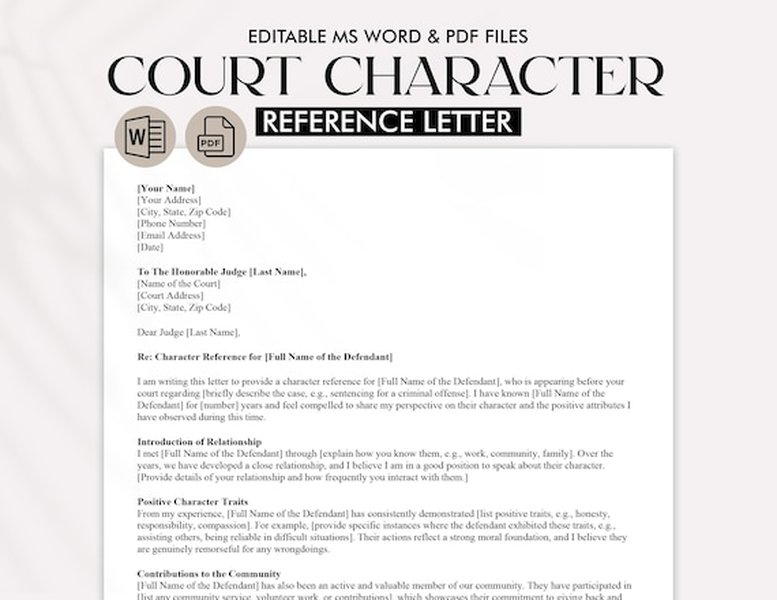
An example of a formal legal document, similar to the notices required under Section 73 of the NCC.
The Importance of Guarantor Notification
The inclusion of guarantors in the notification requirements highlights a crucial aspect of consumer protection. Guarantors often assume significant financial risk, backing a debtor’s obligations. Therefore, informing them of any hardship variations to the primary credit contract is essential. If a debtor's payments are deferred or reduced, it could directly impact the guarantor's potential liability or the timing of when they might be called upon. This transparency prevents unpleasant surprises for guarantors and allows them to understand their ongoing exposure and potential future obligations.
The Role of ASIC and Regulatory Guidance
The Australian Securities and Investments Commission (ASIC) plays a vital role in interpreting and enforcing the National Credit Code, including Section 73. ASIC provides comprehensive guidance and FAQs for both consumers and credit providers, clarifying their respective obligations and rights. This regulatory oversight ensures that the legislative intent behind Section 73 is effectively translated into practical compliance by credit providers, and that consumers are aware of their protections and avenues for recourse if these provisions are breached.
Impact of Penalties and Strict Liability
The imposition of criminal penalties, including imprisonment, for non-compliance with Section 73 underscores the gravity with which the Australian legal system views these consumer protections. The application of strict liability means that credit providers can be held accountable even if they did not intend to breach the requirements. This provides a strong incentive for meticulous adherence to the notification and documentation procedures outlined in the Code, thereby significantly reducing the likelihood of unfair practices or consumer detriment.
Comparative Analysis of Section 73's Nuances
To fully appreciate the legislative design of Section 73, it is helpful to compare and contrast its various sub-sections and their practical implications. This table provides a concise overview of the key distinctions and requirements.
| Provision | Description | Key Requirement/Condition | Purpose |
|---|---|---|---|
| Section 73(1) | Mandatory notice for changes deferring or reducing debtor obligations. | Change applies for >90 days; notice within 30 days of agreement. | Ensures formal and timely debtor awareness of significant contract variations, especially for hardship. |
| Section 73(1A) | Exemption from notice requirement for short-term changes. | Change applies for ≤90 days. | Provides administrative flexibility for minor, temporary adjustments without formal notice burden. |
| Section 73(2) | Requirement to issue new terms and conditions. | If credit contract is changed. | Provides debtors with an updated and complete legal document reflecting the modified agreement. |
| Guarantor Notification (Implied by 73) | Inform guarantors of hardship variations. | Hardship variation occurs. | Ensures all parties with financial liability are aware of changes affecting their obligations. |
| Penalties for Non-Compliance | Legal consequences for failing to meet Section 73 requirements. | Breach of Section 73 obligations (e.g., no notice, late notice). | Deters non-compliance and enforces strict adherence to consumer protection mandates. |
| Application Scope | Credit contracts covered by Section 73. | Max credit ≤$500,000 (unless regulated higher); entered on/after July 1, 2010. | Focuses protections primarily on consumer credit, excluding larger commercial arrangements. |
This table clearly delineates the specific conditions and purposes of each subsection within Section 73, demonstrating how they collectively contribute to a robust framework for managing changes to credit contracts in Australia, with a strong emphasis on consumer rights and transparency.
Understanding Australian Consumer Law
The National Credit Code is a specialized part of Australia's broader consumer protection landscape. To gain a foundational understanding of the wider Australian Consumer Law and the rights it affords, watching this video can provide valuable context.
This video explains fundamental consumer guarantees under Australian Consumer Law.
This video from the Australian Consumer Law provides an accessible overview of consumer guarantees on goods, which are part of the broader Australian Consumer Law. While Section 73 specifically deals with credit contracts, understanding the general principles of consumer rights and guarantees, as discussed in this video, provides a valuable backdrop. The NCCP Act, which houses the National Credit Code, is itself an extension of Australia's commitment to strong consumer protection across various sectors, ensuring that individuals are treated fairly whether they are purchasing goods, services, or entering into credit agreements.
Frequently Asked Questions (FAQ)
What is Section 73 of the National Credit Code?
When must a credit provider give notice under Section 73?
Are there any exceptions to the Section 73 notice requirement?
Does Section 73 apply to all credit contracts?
What happens if a credit provider fails to comply with Section 73?
What is the relationship between Section 72 and Section 73 of the NCC?
Conclusion
Section 73 of the National Credit Code stands as a testament to Australia's commitment to robust consumer protection within the credit industry. By mandating clear and timely communication from credit providers regarding significant changes to loan agreements, especially those arising from financial hardship, it ensures that debtors are well-informed and empowered. This provision, supported by strict penalties for non-compliance and integrated within the broader framework of the National Consumer Credit Protection Act, promotes transparency, fairness, and accountability. It is a crucial component that underpins a responsible lending environment, safeguarding consumers and contributing to a more equitable financial landscape in Australia. Understanding and adhering to Section 73 is therefore not merely a regulatory compliance issue, but a fundamental aspect of ethical and consumer-centric credit provision.
Recommended Further Reading
- What are the responsible lending obligations for credit providers in Australia?
- How do debtor hardship provisions under Section 72 of the National Credit Code work?
- What is the role of the Australian Financial Complaints Authority (AFCA) in credit disputes?
- How are Buy Now Pay Later (BNPL) contracts regulated under Australian consumer law?