
The Role of the Securitizing Actor in Securitization Theory
Understanding the Dynamics of Framing Issues as Existential Threats
Key Highlights of the Securitizing Actor's Role
- Framing Issues: Securitizing actors primarily frame issues as existential threats that necessitate extraordinary measures.
- Convincing Audiences: They must convince relevant audiences, such as the public, politicians, or military officers, about the severity of the threat.
- Taking Extraordinary Measures: Successful securitization allows actors to take actions that would not be permissible under normal circumstances.
What is Securitization Theory?
Securitization theory, primarily used in international relations and national politics, explains how state actors transform subjects into matters of security. This process involves framing an issue as an existential threat that requires immediate and exceptional action. The theory helps to understand how ordinary issues become politicized to the point where they are viewed as critical security concerns.
Core Components of Securitization Theory
Securitization theory revolves around several key components:
- Securitizing Actor: The entity that makes the securitizing move by declaring something as an existential threat.
- Referent Object: The object or ideal that is threatened and needs protection.
- Existential Threat: The identified danger to the referent object.
- Audience: The group that needs to be convinced about the existence and severity of the threat.
The Securitizing Actor: Initiating the Securitization Process
The securitizing actor is central to the securitization process. This actor identifies an issue as an existential threat to a referent object, thereby initiating a chain of events that can lead to extraordinary measures. The success of securitization depends heavily on the actor's ability to persuade the audience about the legitimacy and urgency of the threat.
Key Functions of the Securitizing Actor
The primary functions of a securitizing actor include:
-
Identifying Threats: Recognizing and defining issues as existential threats.
-
Framing Issues: Presenting these issues in a way that highlights their urgency and potential impact.
-
Persuading Audiences: Convincing the relevant audience (public, politicians, military) that the threat is real and requires immediate action.
-
Mobilizing Resources: Justifying the allocation of resources and the implementation of policies to counter the perceived threat.
Convincing the Audience: A Critical Step
For securitization to be successful, the securitizing actor must convince a relevant audience about the severity of the threat. This involves more than just stating that a threat exists; it requires a well-articulated and persuasive narrative that resonates with the audience's fears and values. The audience's acceptance is crucial for legitimizing the extraordinary measures proposed by the securitizing actor.
The Role of Rhetoric
Rhetoric plays a significant role in securitization. A securitizing speech act needs to follow a specific rhetorical structure, drawing from historical connotations of war and survival to convey urgency. The language used must highlight the potential for catastrophic consequences if the threat is not addressed promptly and decisively.
Examples of Securitizing Actors
Securitizing actors can vary depending on the context. Commonly, they are political leaders or governments. However, they can also include military entities, particularly in matters of national defense.
Examples of Securitization in Different Contexts
Here’s a table illustrating examples of securitizing actors, referent objects, and potential threats across different contexts:
| Securitizing Actor | Referent Object | Threat | Example |
|---|---|---|---|
| Government | Nation-state | Terrorism | Implementing stricter surveillance laws after a terrorist attack. |
| Military | National Security | Cyber Warfare | Increasing cybersecurity measures to protect critical infrastructure. |
| Political Leaders | Public Health | Pandemic | Imposing lockdowns and mask mandates during a pandemic. |
| Environmental Agencies | Ecosystems | Climate Change | Advocating for policies to reduce carbon emissions. |
The Military as a Securitizing Actor
The military often acts as a securitizing actor, particularly in matters concerning national security. In this role, the military identifies potential threats, such as cyber warfare, and advocates for measures to protect the nation. This can involve increasing defense spending, developing new technologies, or forming alliances with other countries.
Climate Change and the Military
The securitization of climate change has redefined the military's role, transforming it from a general security agent to an agent of climate security. This involves addressing climate-related threats, such as natural disasters and resource scarcity, which can impact national and international stability.
Potential Risks and Criticisms of Securitization
While securitization can be a useful tool for addressing critical issues, it also carries potential risks. Over-securitization can lead to the erosion of democratic norms, the infringement of civil liberties, and the justification of disproportionate responses. Critics argue that securitization can be used to manipulate public opinion and justify actions that would not otherwise be acceptable.
The Importance of Context
The success and legitimacy of securitization depend heavily on context. What is considered a legitimate security concern in one situation may not be in another. It is essential to critically evaluate the claims made by securitizing actors and to consider the potential consequences of their proposed actions.
Visual Summary of Securitization Theory
This video offers a concise overview of securitization theory, explaining its key components and how it applies to international relations.
Securitization theory is a framework used in international relations to understand how issues are framed as existential threats, requiring extraordinary measures. This video explains how securitization theory examines the process by which certain issues are elevated to the level of security threats, thus justifying actions that might be considered unacceptable under normal circumstances. The video is relevant because it provides a clear and concise overview of the theory, making it easier to grasp the concepts of securitizing actors, referent objects, and audiences, which are central to understanding how securitization works in practice.
Images Related to Securitization and Military Policy
These images represent various facets of securitization, from military policy announcements to the management of global crises like the COVID-19 pandemic. They illustrate how different actors, particularly military and political entities, engage in securitizing issues to justify specific actions and policies.
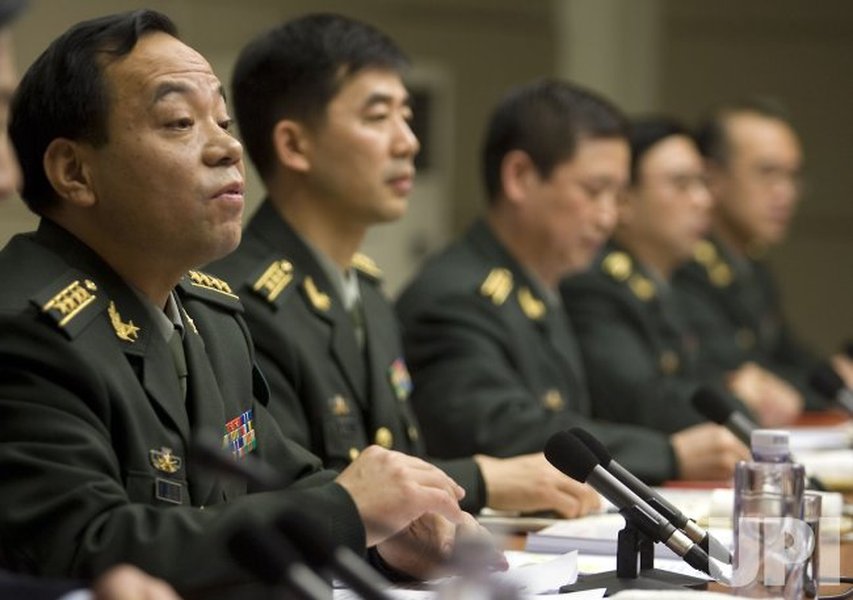
Military officials holding a press conference on defense policy in Beijing, reflecting the role of the military in shaping security narratives.

Base officials monitoring the COVID-19 situation, illustrating the securitization of public health crises.
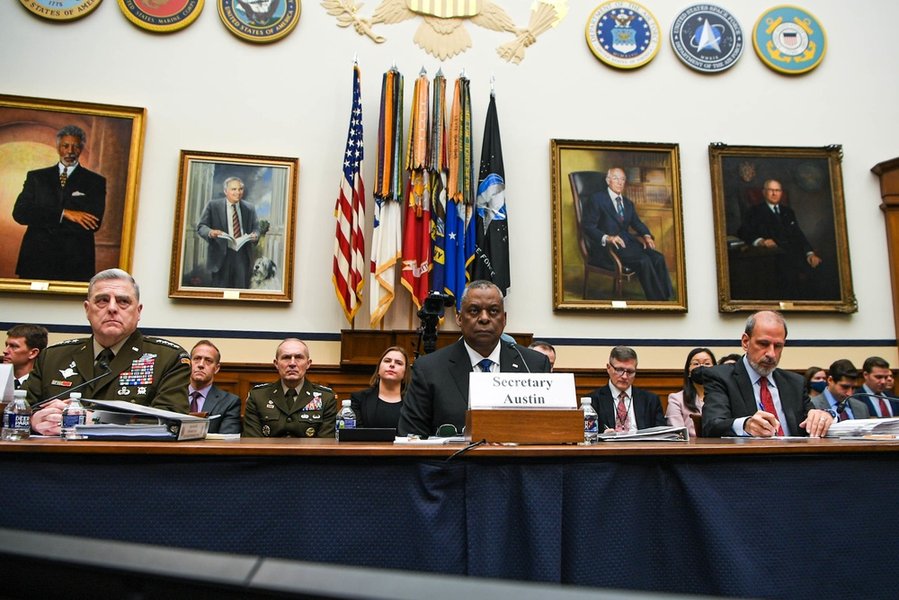
Discussion on Policy, Strategy & Partners: SFA Implications in the 2022 National Security Strategy and National Defense Strategy.
These images showcase the tangible aspects of securitization, highlighting how issues are presented and managed as critical security concerns by various state and military actors.
FAQ on Securitization Theory
What is a securitizing move?
A securitizing move is when a securitizing actor frames an issue as an existential threat to a referent object, requiring extraordinary measures to address it.
Who can be a securitizing actor?
Securitizing actors are commonly political leaders, governments, or military entities, but can also include other actors who can successfully frame an issue as an existential threat.
Why is the audience important in securitization theory?
The audience's acceptance of the securitizing actor's claims is crucial for legitimizing the proposed extraordinary measures. Without audience buy-in, securitization is unlikely to succeed.
References
Last updated April 11, 2025