
Security Guards: Safety and Responsibilities in the Philippines
Exploring the Key Roles and Procedures for Maintaining Safety
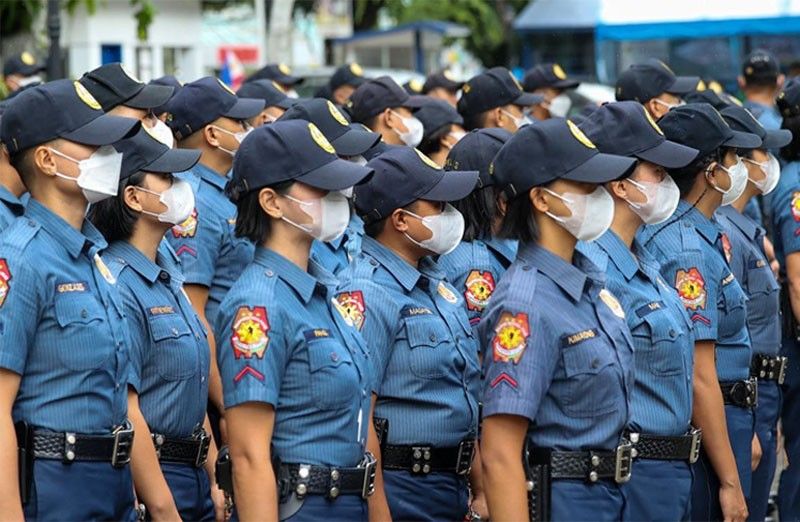
Key Highlights
- Proactive Patrolling and Surveillance – Regular patrols, security checks, and monitoring through advanced systems.
- Emergency Response and Incident Reporting – Quick management of emergencies and detailed documentation of incidents.
- Training, Compliance, and Continuous Improvement – Rigorous training and adherence to local regulations ensuring high professional standards.
Overview of Security Guards’ Roles in the Philippines
In the Philippines, security guards play a pivotal role in sustaining public safety and ensuring the orderly functioning of various establishments. These professionals are deployed across a variety of settings that include residential communities, corporate buildings, shopping malls, and even educational institutions. Their jobs encapsulate a wide array of responsibilities, all designed to protect both property and life.
Their contributions go far beyond mere observation. Security guards act as deterrents to criminal activities by their visible presence, assist in managing critical incidents, and help to enforce the regulations set forth by local governing bodies. In many instances, they are the first responders to emergencies, and their swift actions can mean the difference between minor incidents and major crises.
Detailed Exploration of Key Responsibilities
Proactive Patrol and Surveillance
A cornerstone of a security guard’s role is the implementation of proactive patrolling and surveillance tactics. Laws and local literature in the Philippines emphasize regular patrols as one of the most effective deterrents against criminal activities. Guards are tasked with making rounds in their assigned areas – a practice that not only helps in early detection of suspicious activities but also ensures that any unusual behavior is addressed promptly.
This multi-faceted approach includes:
Physical Patrols and Monitoring
Security personnel perform periodic inspections of both open spaces and enclosed areas, ensuring that every nook and cranny is secured. They are trained to use advanced surveillance systems such as closed-circuit television (CCTV), alarm systems, and walkie-talkies. The combination of these tools with physical patrolling reinforces the security barrier within premises.
Use of Technology in Surveillance
Modern security setups rely on technology like CCTV cameras for real-time monitoring. Guards monitor these systems continuously, ensuring that any breach or unusual behavior is immediately reported. The incorporation of such technological solutions marks a significant evolution in the traditional roles of security personnel.
Emergency Response and Crisis Management
The readiness to respond to emergencies is another critical aspect that defines the role of security guards in the Philippines. Whether dealing with medical emergencies, fires, or unauthorized breaches, these frontline workers are trained to act swiftly. Their prompt actions not only help in mitigating risks but also support the initiatives of local law enforcement and emergency service providers.
Initial Incident Management
When an incident occurs, the primary response involves quick assessment and the initialization of emergency protocols. Security guards are adept at performing rapid risk evaluations which include isolating the area, notifying relevant authorities, and guiding evacuation efforts if necessary. Detailed logs and reports are maintained for every incident, ensuring that accurate records are available for incident reviews.
Working as Force Multipliers
Often described as “force multipliers,” security guards enhance the effectiveness of the limited local law enforcement agencies. This partnership is crucial in areas that experience high foot traffic or increased risk. By working in tandem with the Philippine National Police (PNP) and other emergency teams, security guards help ensure that help arrives promptly while minimizing further damage.
Maintaining Professional Standards Through Training and Compliance
Integral to their job is the continuous improvement of their skills through rigorous training programs. Security guards in the Philippines must meet stringent licensing requirements, usually secured through accredited agencies. Such mandates ensure that they are well-versed in both local laws and comprehensive security protocols. Education in English and Filipino further underlines their ability to operate effectively within a bilingual context.
Mandatory Training Regimens
Regular training sessions are a key part of a security guard's career. These sessions are designed to update them on the latest security technology, emergency response techniques, and evolving threat scenarios. Institutions often emphasize mental and physical conditioning, preparing guards not just for routine checks but for high-risk incidents as well.
Regulatory and Licensing Requirements
The role of a security guard in the Philippines is regulated by various national entities. Licenses are issued only upon fulfilling prerequisites that may include a minimum educational background and a set amount of on-field experience. Compliance to stringent standards is mandatory, hence many security companies invest heavily in training programs to ensure that their personnel can handle the dynamic challenges of security services.
Public Interaction and Maintaining Order
Beyond surveillance and emergency duties, security guards also serve as a critical point of contact between the public and the establishment they protect. Their friendly yet authoritative presence plays a significant role in regulating behavior in crowded venues like malls, office complexes, and schools.
Crowd Management and De-escalation
A proactive approach to public interaction is essential for preventing conflicts. Guards are trained in de-escalation techniques that help in maintaining order even during peak hours or in high-stress situations. This human interaction aspect of their role not only supports safety protocols but also fosters a sense of trust and reassurance among visitors.
Implementing Safety Protocols
Adherence to established local safety protocols is paramount. Security guards enforce rules that regulate access to restricted areas, monitor visitor behavior, and ensure that safety protocols, such as searches during events or lockdown procedures, are executed without fail.
Summary Table of Security Guard Responsibilities
| Area of Responsibility | Key Actions | Tools and Techniques |
|---|---|---|
| Patrolling | Conducts regular rounds, identifies potential threats | Foot patrols, CCTV monitoring, alarm systems |
| Emergency Response | Initial incident assessment, emergency protocol activation | Walkie-talkies, first aid, rapid communication |
| Surveillance | Monitors premises, prevents unauthorized access | CCTV, alarm systems, entry point monitoring |
| Public Interaction | Enforces safety protocols, aids visitors | Conflict de-escalation techniques, visitor management |
| Regulatory Compliance | Adheres to licensing and training requirements | Official guidelines, ongoing training programs |
Local Literature Insights and Practical Applications
The role of security guards in maintaining safety in the Philippines is well-documented in local literature. Multiple sources, including articles from job platforms and security companies, have highlighted both the strategic and operational facets of this profession. These insights not only define the day-to-day responsibilities but also emphasize the broader importance of security personnel in national safety frameworks.
For instance, several publications stress the importance of continuous training and upgrading professional skills. This ensures that the evolving demands of safety protocols are met effectively. The reviews also highlight that while a guard’s main duty is to provide security, they are equally responsible for maintaining public trust through visible and orderly conduct.
Among the practices recognized in local studies, a focus on proper reporting and documentation is key. Accurate records of incidents, patrol routes, and emergency responses are used to evaluate performance, improve future responses, and provide accountability. Maintaining log books and digital records promotes systematic evaluation and has become standard practice across the industry.
Integration of Physical and Digital Security Measures
The fusion of physical security measures with advanced digital technologies represents a significant evolution in the roles of security guards. Physical patrols are now complemented through digital surveillance, providing a more robust defense against unauthorized activities. Real-time monitoring allows for swift service deployment in critical moments, enhancing the overall safety framework.
Digital platforms also facilitate better coordination with local police and emergency services. This interconnected network helps bridge the gap between private security measures and public safety initiatives, creating a joint front against crime. Technology serves as an amplifier to the physical presence of guards, extending their reach and effectiveness.
Challenges and Opportunities for Continuous Improvement
Despite the high level of professionalism observed in the field, security guards in the Philippines encounter several challenges. Among these are the need for continuous skill updates, the procurement of modern equipment, and the effective handling of unexpected crises. Local literature frequently mentions the importance of resilience and adaptability among security personnel.
There is also an ongoing discussion about bridging the gap between current practices and the demands of modern security challenges. For instance, during periods of social disruption such as the pandemic, gaps in preparedness were noted, especially concerning the adequacy of personal protective equipment (PPE) and updated crisis response protocols.
However, these challenges also provide opportunities for growth. With more investment in training programs and technology, the overall effectiveness of security guards can be significantly enhanced. Industry stakeholders have recognized the need for periodic evaluations and updating of protocols, ensuring that these professionals remain capable of adapting in a dynamic environment.
Practical Recommendations for Security Protocols
Based on the combined insights from local literature, the following recommendations have been identified for improving the practices of security personnel:
Enhanced Training Modules
Security companies should implement regular and specialized training sessions that cover not only routine surveillance but also modern emergency response techniques, digital monitoring, and interpersonal skills. These training modules help in preparing guards for both everyday scenarios and exceptional crises.
Upgrading Technological Infrastructure
Investment in modern surveillance equipment, such as high-definition CCTV cameras and integrated alarm systems, should be a priority. Up-to-date technology not only helps in monitoring but also in evidence collection during incidents.
Improved Communication Systems
Effective communication channels between security guards and local law enforcement agencies are essential. Utilizing digital communication platforms can facilitate rapid coordination during emergencies, ensuring a seamless response.
Continued evaluations and feedback loops are recommended to identify potential shortcomings in existing protocols. By addressing these issues in a structured way, security companies can elevate the overall safety standards across various establishments in the country.
References
- Comprehensive Job Description for Security Guards - Job365
- How to Become a Security Guard - JobStreet
-
Security Guard Rules and Regulations in the Philippines - Sheriff
- How to Be a Security Guard in the Philippines - Corinthians Group
- Duties and Responsibilities of a Security Guard - Investigative Academy
Recommended Queries for Deeper Insights
 philgoldsecurityservices.blogspot.com
philgoldsecurityservices.blogspot.com
philgoldsecurityservices.blogspot.com
philgoldsecurityservices.blogspot.com
philgoldsecurityservices.blogspot.com
Last updated March 7, 2025